
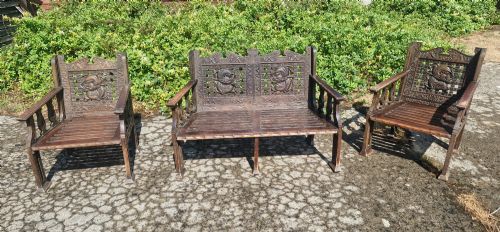
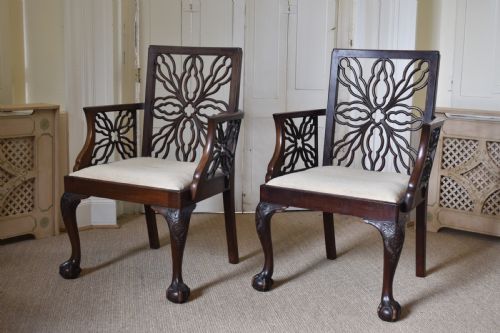
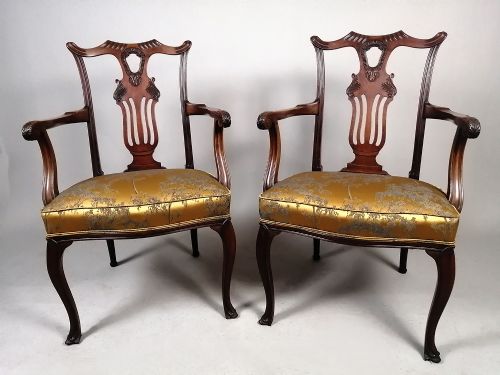
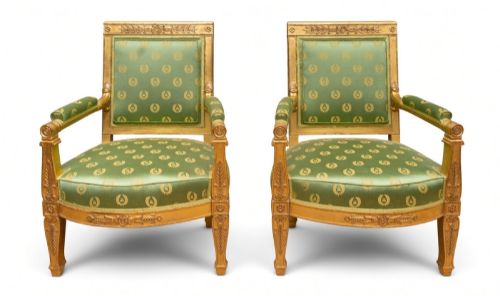
Pair Carved Wood Armchairs
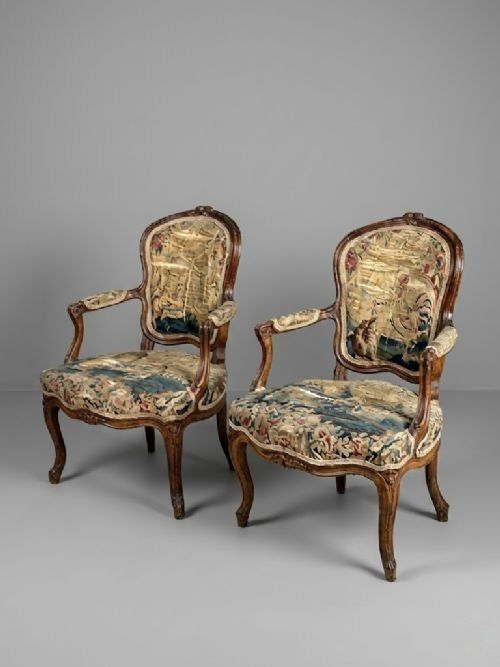
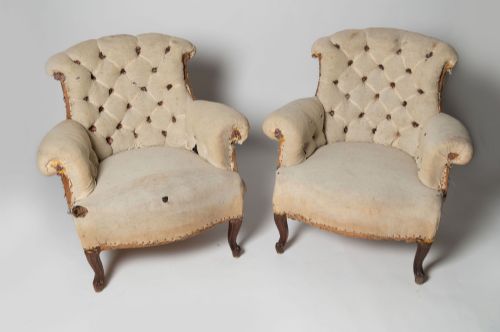
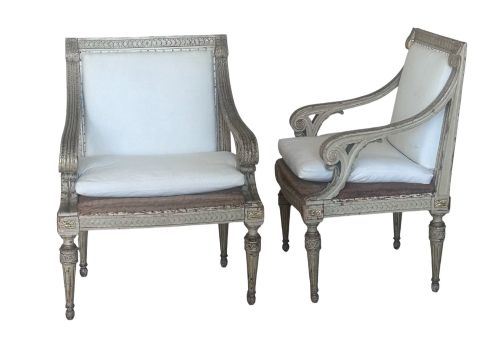
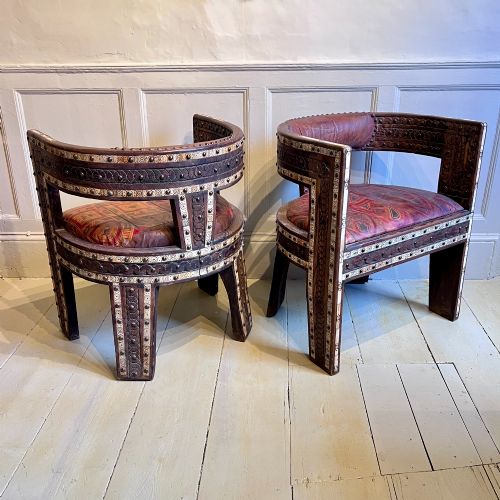
These pair carved wood armchairs offer balanced symmetry and sculptural presence, making them an ideal focal point for any traditional or eclectic room.
Pair Carved Wood Armchairs
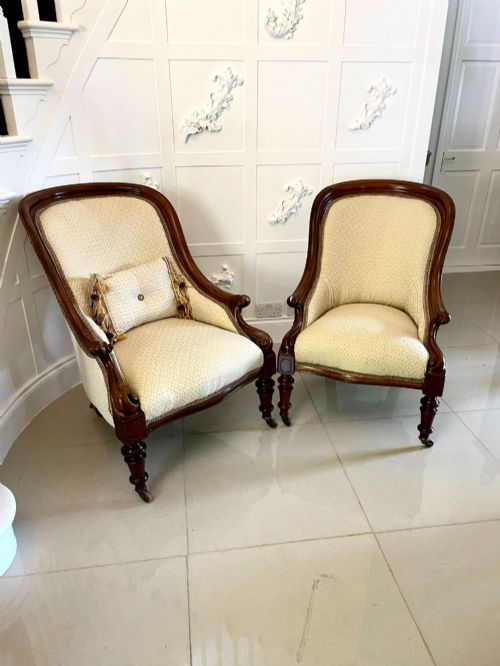
A search for pair carved wood armchairs brings together matching seating designed for formal reception rooms, libraries and salons. The selection spans the eighteenth, nineteenth and early twentieth centuries, drawing on global traditions from French revival styles to Chinese hardwood craftsmanship.
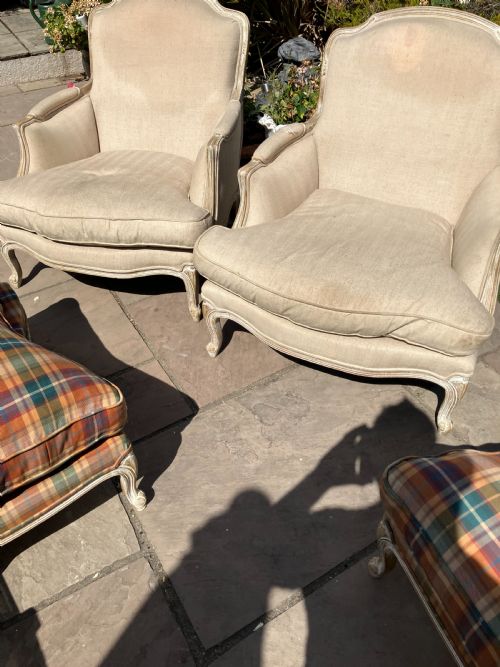
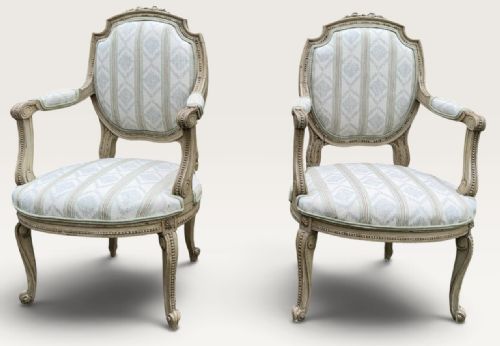
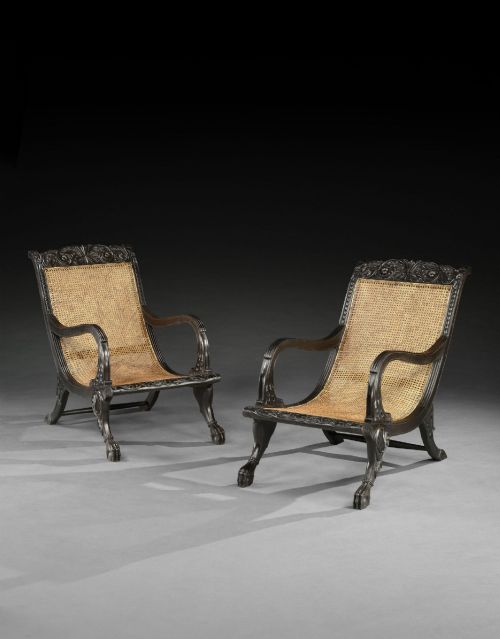
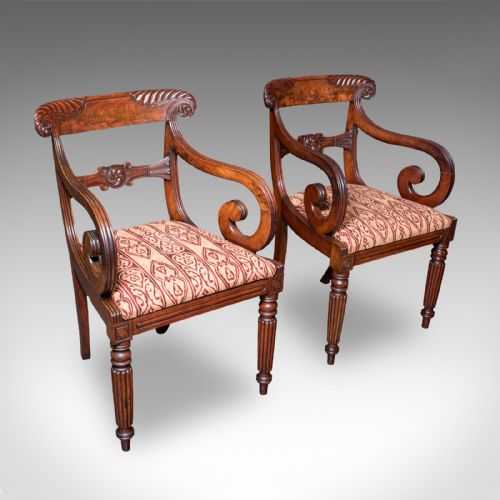
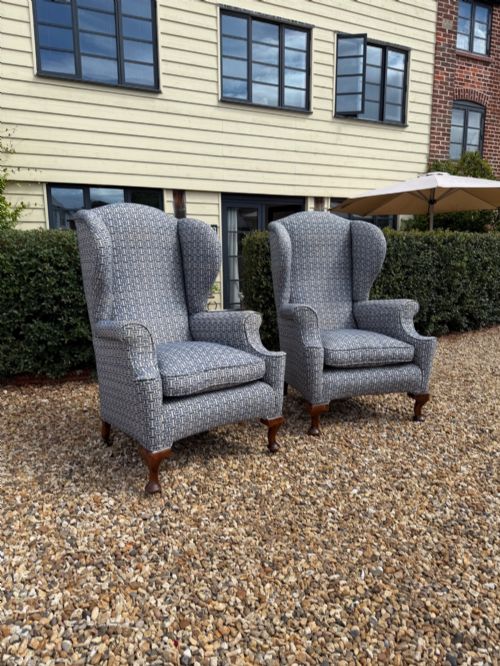
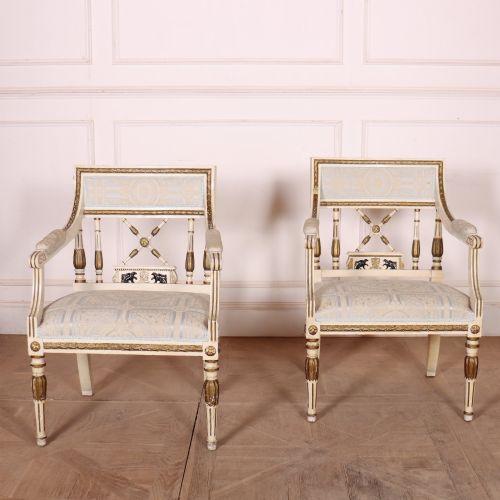
Buyers frequently encounter nineteenth century examples, alongside twentieth century revivals. Forms range from open armchairs and deep wingbacks to medallion chairs and yoke-back seating, upholstered in silk, leather, velvet or original paint.
Origin and stylistic influence vary widely across the inventory, encompassing French chateau aesthetics, Anglo-Indian carvings, Italian Neoclassical designs and Swedish Empire forms. Each pair demonstrates the enduring appeal of symmetrical seating in domestic interiors.
Materials and construction
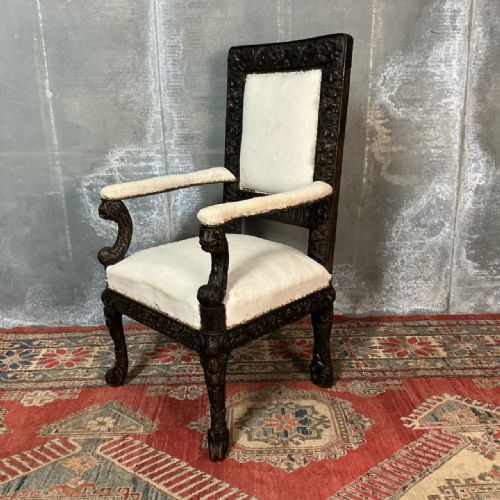
Carved wooden frames form the structural backbone of these seats, utilising dense hardwoods such as mahogany, walnut, oak, beech, goncalo alves and ebony. Skilled artisans shaped these timbers using traditional joinery and hand-carving techniques to create ornate details like scrollwork, reeding and figural motifs.
Surface treatments play a vital role in the construction history, ranging from natural wax patinas and original red lacquer to intricate giltwood and painted finishes. Upholstery methods combine traditional webbing and stuffing with coverings of silk, velvet, leather and aubusson tapestry.
Listings feature mahogany, walnut, oak, and exotic hardwoods alongside upholstered finishes in leather, silk, and velvet.
Assessing quality
The distinction between average and exceptional pieces rests upon the crispness of the hand-carving and the integrity of the timber frame. Superior examples display deep, undercut relief work where the wood grain enhances the sculptural form rather than masking structural weaknesses.
Authenticity of surface finish and the preservation of original upholstery elements also dictate standing. Pieces retaining early gilding, original paint or patinated lacquer command greater interest than heavily restored alternatives.
Jacob-Desmalter
The Pair Carved Wood Armchairs Glossary
- Giltwood
- Wood coated with a thin layer of gold leaf. This finish appears frequently on formal French and Italian salon chairs.
- Wingback
- An armchair with side panels attached to the back. These panels historically protected sitters from draughts.
- Hardwood
- Timber from broad-leaved trees such as mahogany, walnut and oak. These dense woods provide the structural strength needed for intricate carving.
- Ebonised
- Wood finished to resemble ebony. Artisans achieve this dark appearance by staining or painting lighter timbers like beech.
- Patina
- The surface sheen developed through age and regular handling. A good patina indicates genuine historic wear on wood and leather.
Pair Carved Wood Armchairs: Frequently Asked Questions
How do I place a pair in a small room?
Symmetrical seating works best when given breathing room rather than pushed hard against corners. Angle them slightly towards a central focal point to maintain an open flow.
Lighter frames with open arms prevent the arrangement from feeling heavy in confined spaces.
Are these chairs suitable for daily use?
Many historical armchairs offer robust construction suited to regular sitting. Robust hardwoods and sturdy joinery ensure they handle daily routines.
Consider the upholstery fragility before heavy daily use, especially with delicate silks.
How do I identify French revival styles?
Look for characteristic design motifs such as scrolled cabriole legs, carved floral crests and exposed wooden frames. These elements echo earlier royal aesthetics.
Revival pieces often date from the nineteenth or early twentieth century while mimicking eighteenth century forms.
What is the difference between open and wing armchairs?
Open armchairs feature exposed wooden sides without upholstered panels, creating a lighter visual silhouette. They suit reception rooms and lighter daily tasks.
Wing armchairs include protective side flaps on the upper back, originally designed to retain heat near fires.