


Hand Carved Hardwood Seats
These hand carved hardwood seats bring together diverse global traditions, offering solid construction and intricate woodwork for any interior.
Hand Carved Hardwood Seats
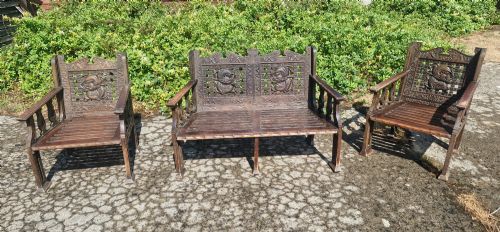
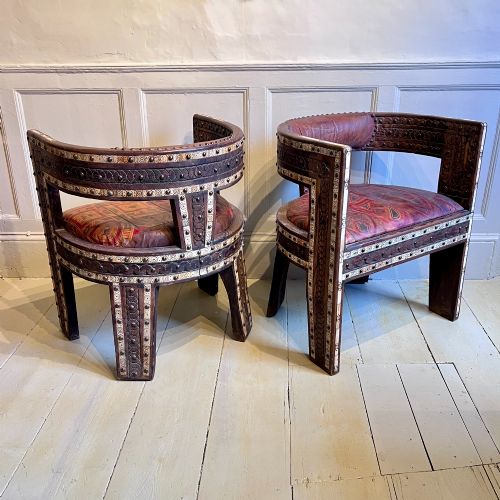
When searching for hand carved hardwood seats, you encounter a varied selection of global seating from the nineteenth and early twentieth centuries. These objects range from Anglo-Indian rosewood dining chairs to North African leather armchairs and Chinese traditional forms.
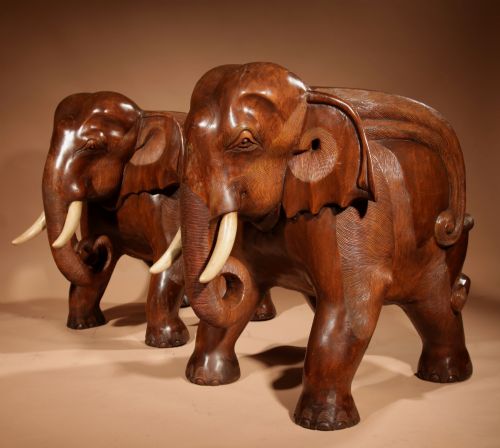
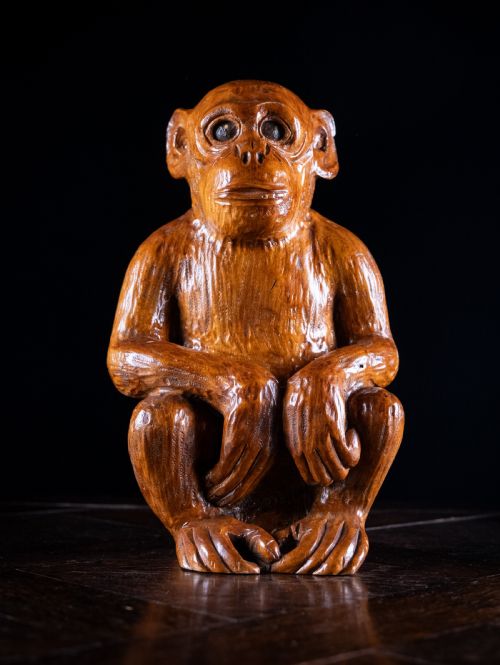
The assortment on this page includes armchairs, side chairs, and seating suites alongside sculptural figures. Makers from different regions utilised dense timbers to produce both functional furniture and decorative items.
You are most likely to meet seating featuring deep relief carving and traditional regional motifs. These pieces reflect distinct cultural heritages spanning African tribal, Moorish, and Asian aesthetics.
How they were made
Craftsmen utilised heavy timbers such as teak and rosewood, selected for their density and durability in intricate carving work. Artisans employed hand tools to shape the dense grain into elaborate figural and geometric patterns.
Many examples incorporate secondary materials like leather, bone, and brass to accent the carved woodwork. Upholstery and structural fastenings vary according to the regional workshop traditions of the period.
The current selection spans materials including teak, rosewood, bone, and leather across nineteenth and early twentieth-century dates.
What varies in quality
Quality rests in the depth and clarity of the chisel work across the timber surface. Superior pieces exhibit crisp relief and balanced proportions that demonstrate high technical competence.
The choice of timber and the structural integrity of the joinery further distinguish finer examples. Patina accumulated through age enhances the visual depth of the denser hardwoods.
The Hand Carved Hardwood Seats Glossary
- Hardwood
- Timber derived from angiosperm trees, typically broad-leaved species known for dense and durable characteristics. These woods resist heavy wear and take fine detail in carving.
- Anglo-Indian
- A style describing furniture made in India during the British period, often combining European forms with local carving techniques. Rosewood and teak frequently feature in these pieces.
- Rosewood
- A heavy, rich-coloured timber valued for its distinct grain pattern and durability. It provides a stable base for detailed hand carving.
- Moorish
- An architectural and decorative style characterised by intricate geometric patterns and horseshoe arches. Pieces in this tradition often display elaborate surface ornamentation.
Hand Carved Hardwood Seats: Frequently Asked Questions
How do I care for hardwood furniture?
Maintain the timber by keeping it away from direct heat sources and sudden humidity changes. Apply natural waxes sparingly to preserve the finish without building up residue on the carved details.
Dust the intricate recesses regularly with a soft brush to prevent dirt accumulation. Avoid harsh chemical cleaners that can strip the natural oils from the timber surface.
Are these seats comfortable for daily use?
Many examples are designed with substantial proportions and supportive armrests, though comfort varies by regional style. Pieces with leather or upholstered elements offer softer seating surfaces compared to solid wood stools.
Consider the ergonomic design of the specific chair type before selecting it for regular seating. Some forms function primarily as decorative statements rather than lounging furniture.
How do I date an antique hardwood chair?
Examine the tool marks and construction methods visible on the underside or joints of the piece. Hand-cut joinery and aged patination on the timber indicate nineteenth or early twentieth-century origins.
Compare the decorative motifs and stylistic influences against known regional production periods. Documentation or provenance from the maker can also clarify the timeline.