


Pair Candlestick Lamps
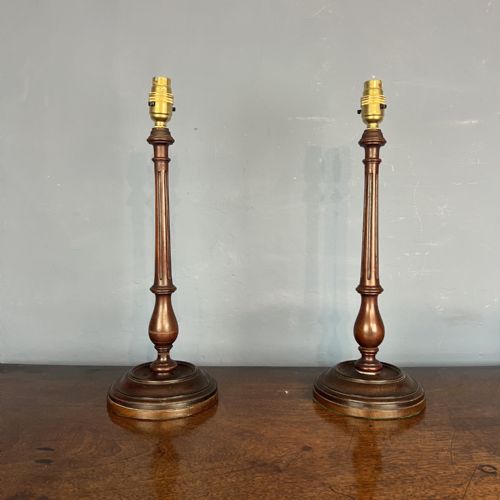
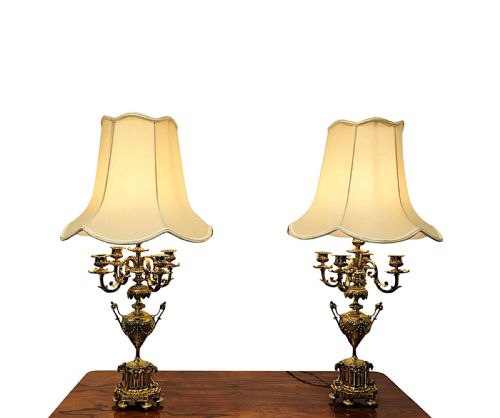
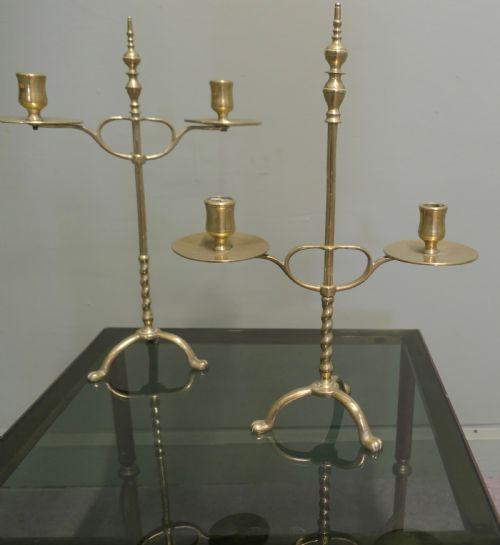
Pair candlestick lamps bring dual vertical lighting to a room, repurposing antique holders into functional pieces.
Pair Candlestick Lamps
When searching for pair candlestick lamps, buyers look at decorative lighting fixtures formed by adapting traditional candleholders into electric table lamps. These items merge historical illumination forms with modern utility, maintaining the balanced proportions of matched sets originally made for formal display on sideboards, altars, or mantels. Most examples found here derive from the nineteenth and early twentieth centuries, spanning Victorian, Edwardian, and Regency periods.
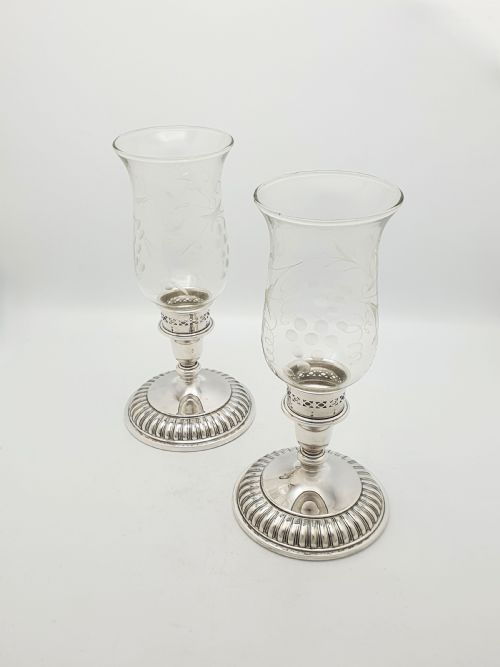
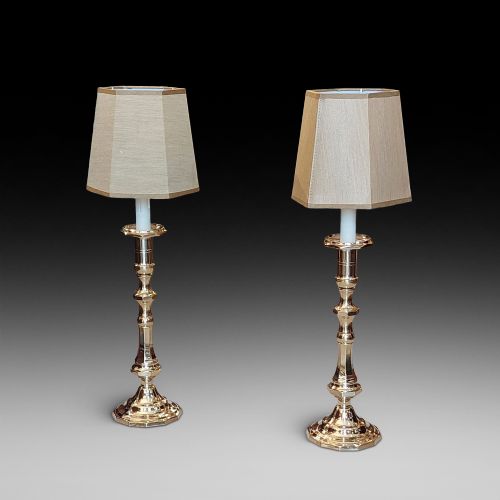
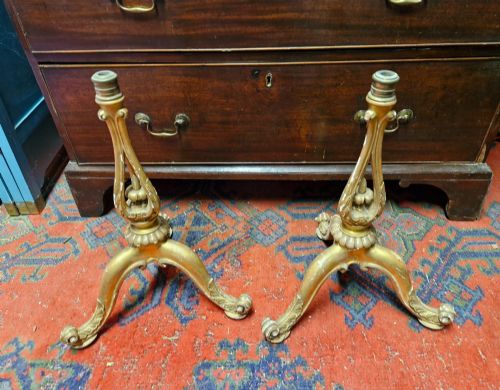
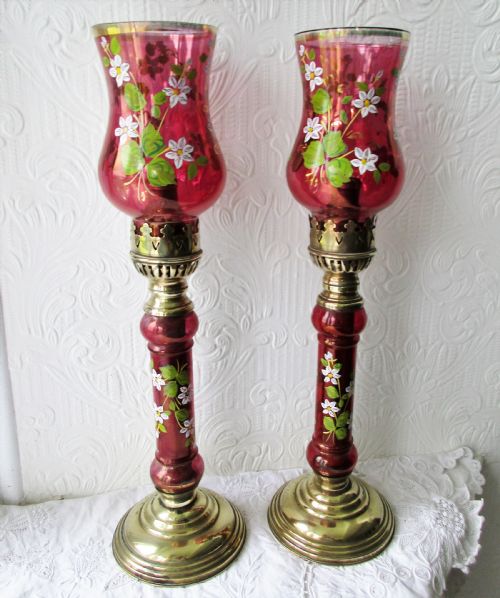
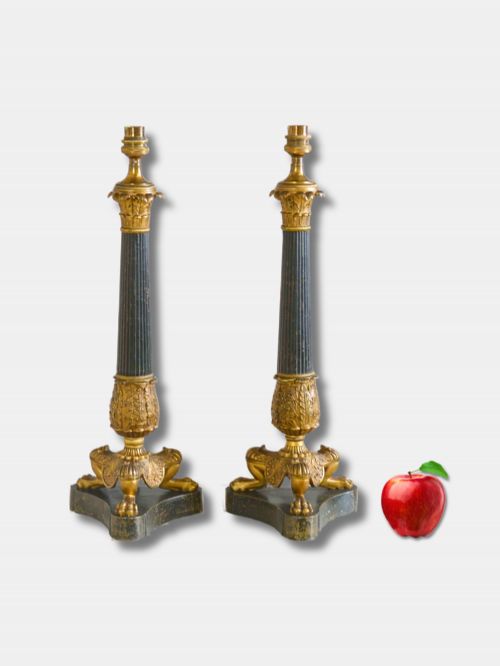
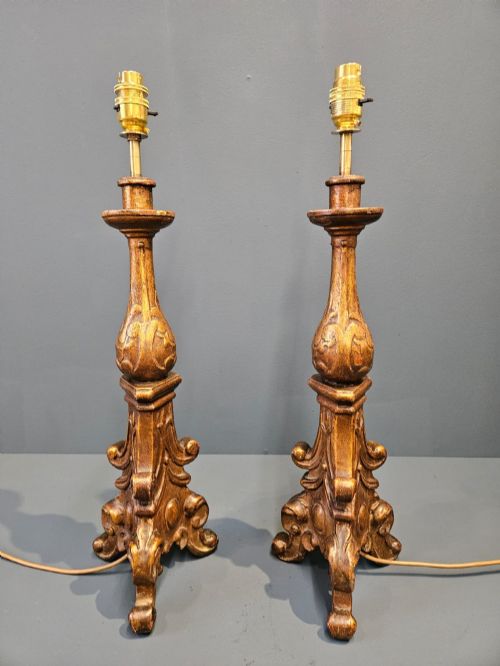
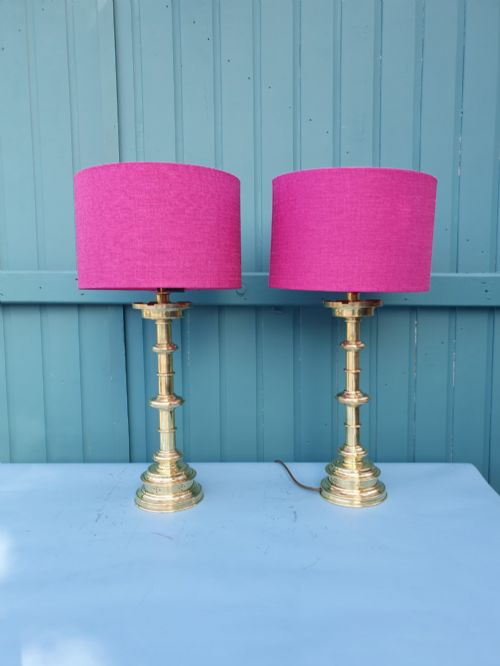
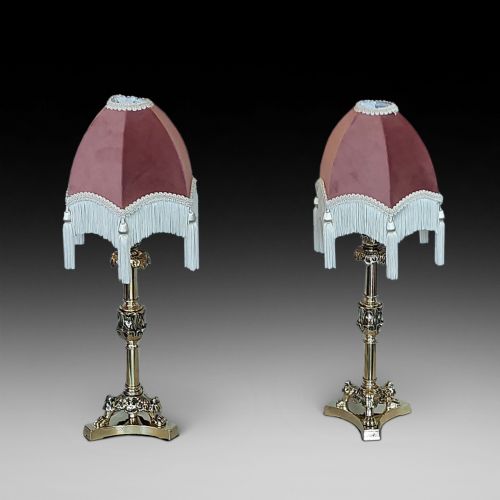
The objects commonly trace their origins to domestic or ecclesiastical settings, including converted altar sticks, student lights, and domestic column lamps. Brass dominates the available forms, alongside silver plate, bronze, and gilt wood, frequently paired with glass chimneys or fabric shades. Buyers encounter items that range from simple turned brass shafts to elaborate French classical columns with lions paw feet or gothic revival ecclesiastical designs.
How they were made
Makers utilised metalcasting techniques, pouring molten brass, bronze, or ormolu into moulds to create heavy structural shafts, decorative bases, and drip pans. Artisans then turned components on lathes for precision profiles or chased surface details by hand on finer models. Silver plating and gilt finishes were applied through early electroplating methods or traditional fire gilding to achieve reflective surfaces.
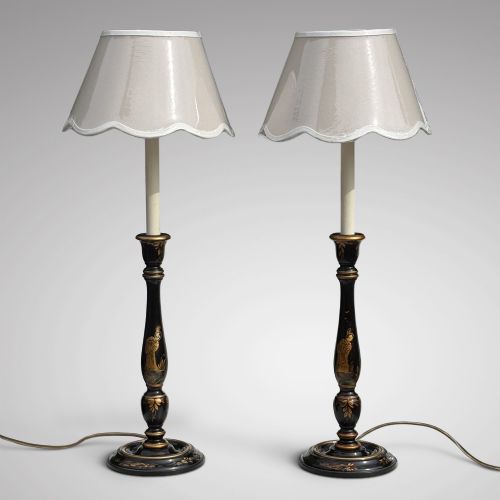
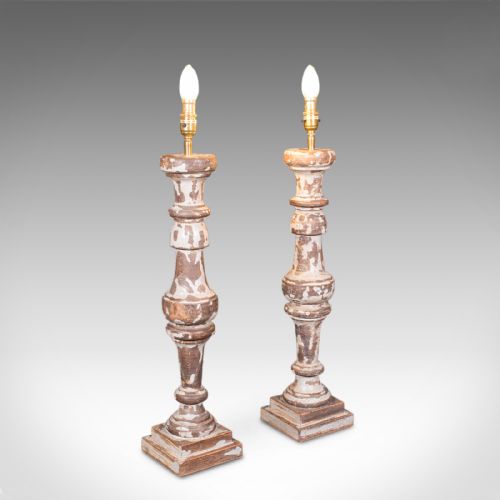
Wooden variants employ turned timber, mahogany, oak, or painted pine, often finished with gilt or lacquered Chinoiserie decoration. Glass components such as lustres, chimneys, and hurricane shades were hand-blown or moulded, sometimes featuring cut crystal patterns or ruby coloration. Conversion to electricity involved running internal wiring through the historical stems, retaining the original aesthetic of the candleholder while adapting it for modern use.
Listings feature brass as the most common material, alongside silver plate, bronze, and glass across Victorian and Edwardian periods.
What varies in quality
Quality rests in the crispness of the casting detail and the weight of the metal utilised in the construction. Heavier brass and bronze examples with deep, hand-chased ornamentation represent superior manufacturing compared to lighter, mass-produced alternatives. The integrity of the original form matters greatly, particularly whether the conversion respects the historical structure of the candlestick without unnecessary alteration.
Proportion and matching symmetry define the higher tiers of these pairs. Matched sets that retain consistent patination, original gilding, or intact glass components such as lustres and storm shades command greater appreciation. Minor variations in turned wooden bases or mismatched heights lower the visual harmony of the set.
The Pair Candlestick Lamps Glossary
- Ormolu
- Gilded bronze applied to decorative mounts and fixtures. This technique involves mercury gilding on bronze, producing a rich golden surface found on French classical pieces.
- Lustre
- A glass pendant or prism hung from a lighting fixture to refract light. These dangling ornaments commonly accompany nineteenth-century candleholders and table chandeliers.
- Hurricane lamp
- A candlestick fitted with a glass shade or chimney to protect the flame from drafts. In antique lighting, these protect the bulb while diffusing the illumination.
- Altar candlestick
- A tall, heavy candlestick designed for ecclesiastical use on church altars. These ecclesiastical pieces frequently form the base for large converted floor or table lamps.
- Silver plate
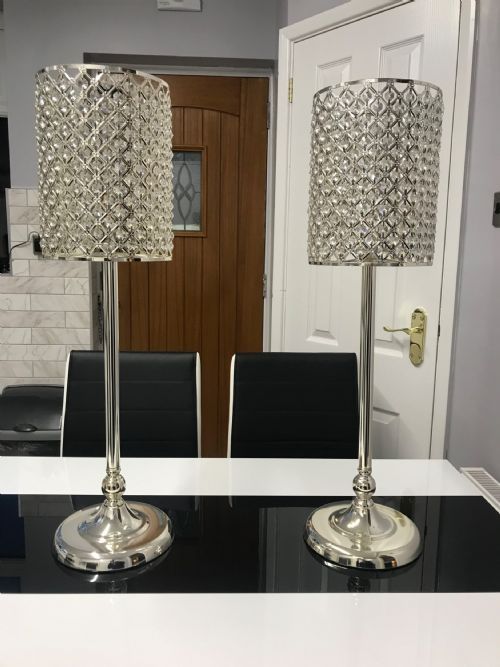
- A thin layer of silver applied over a base metal such as copper or brass. Sheffield plate and later electroplated techniques create this reflective finish on domestic items.
Pair Candlestick Lamps: Frequently Asked Questions
How are antique candlesticks converted into lamps?
Conversion typically involves drilling a discreet channel for wiring through the centre of the stem or running a cord alongside the structure without damaging the original metal or wood.
Craftsmen fit standard lamp holders to the top where the candle socket or drip pan once sat, preserving the exterior appearance of the antique holder.
Were these made as lamps originally?
The majority of these pieces began life as traditional candleholders, church altar sticks, or oil lamps before later electrification.
Some twentieth-century examples were manufactured specifically as electric fixtures emulating classical candle forms, but most carry evidence of their original burning use.
How do I date a brass candlestick lamp?
Dating relies on stylistic clues such as the form of the base, manufacturing marks, and assembly methods like threaded joints versus pinned construction.
Victorian and Regency pieces often exhibit heavier casting and distinct neoclassical or gothic revival motifs compared to Edwardian or later twentieth-century iterations.
How do I care for antique metal lamp bases?
Maintenance requires gentle dusting with a soft, dry cloth to protect fragile lacquered surfaces, patinated bronze, or delicate silver plating.
Avoid chemical metal polishes that strip historical patination and wear away thin historic finishes on brass or gilt components.