


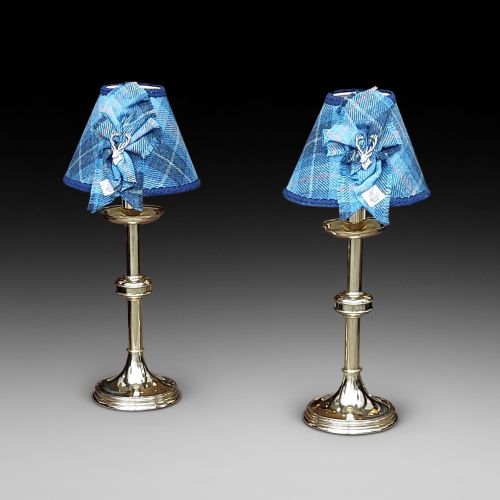


Pair Brass Standing Lamps
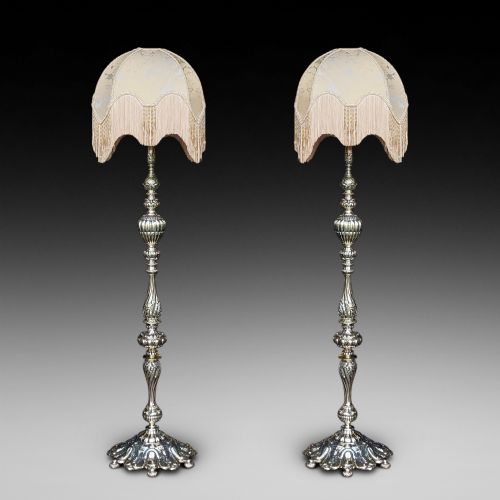
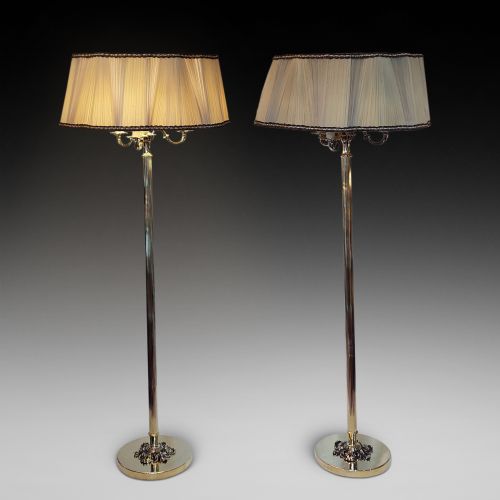
Pair brass standing lamps bring height and warm reflection to a room, offering functional illumination paired with balanced decorative presence.
Pair Brass Standing Lamps
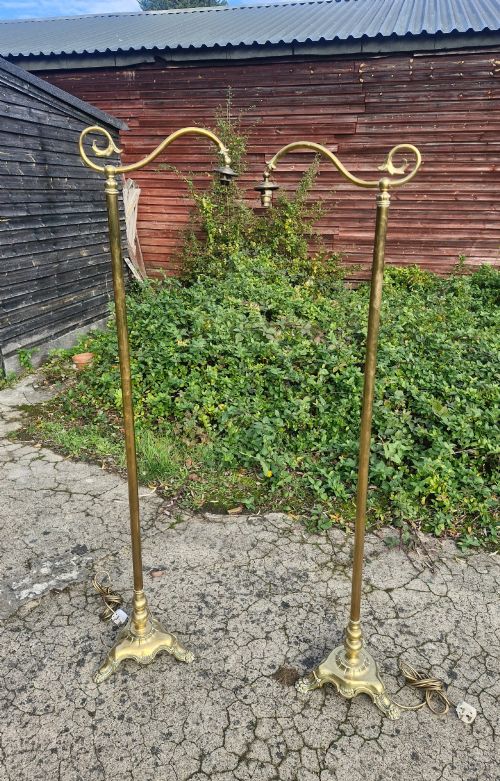
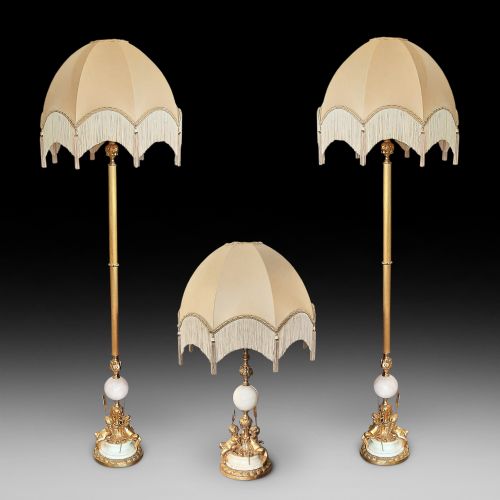
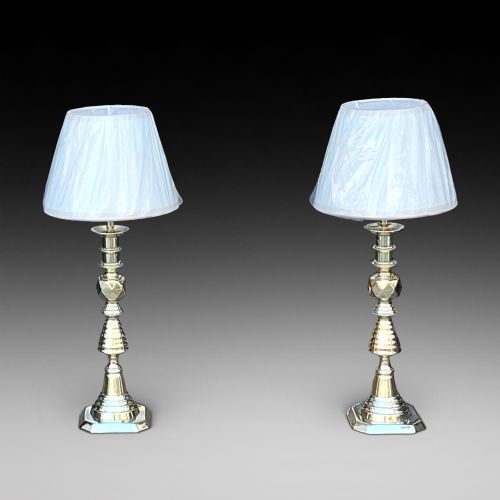
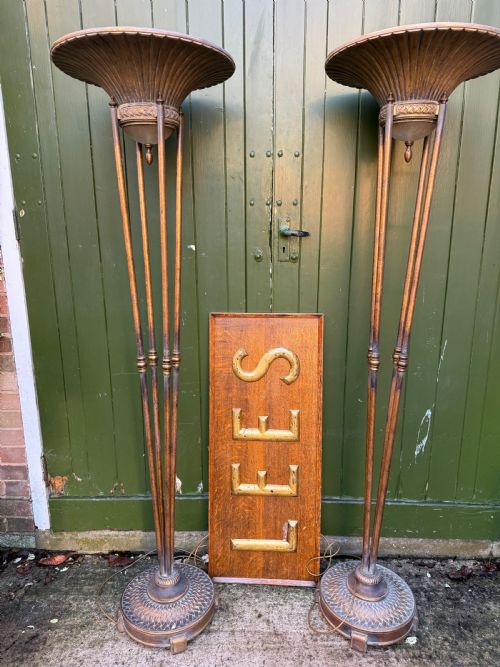
When searching for pair brass standing lamps, buyers encounter tall floor fixtures designed to illuminate larger spaces while framing room layouts symmetrically. The selection spans standard lamps and uplighters originating predominantly from the early twentieth century, alongside Victorian and Edwardian examples.
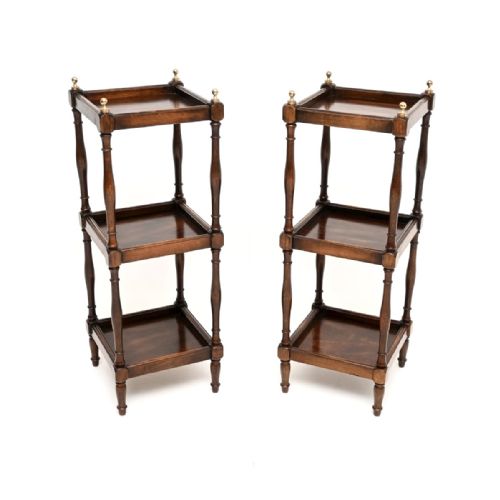
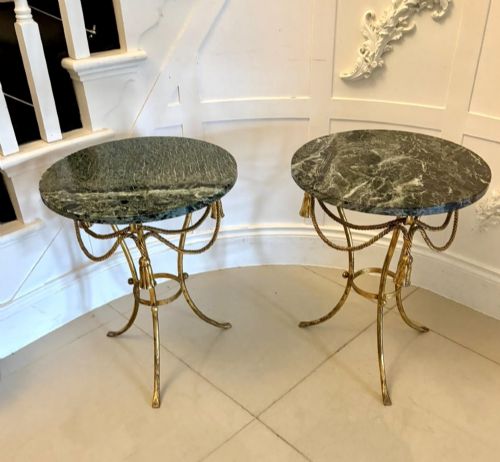
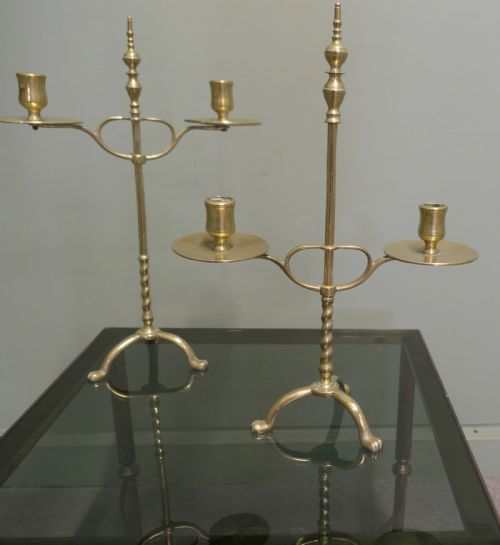
The assortment extends beyond simple floor lighting to include related pairings of candlesticks, adjustable student lights, and combined lamp standards integrated with mahogany or marble tables. These dual lighting arrangements provide coordinated illumination that anchors traditional and period interiors effectively.
Materials and construction
Construction relies heavily on brass and gilt metal, often combined with heavy bases of white or green marble, alabaster, and dense hardwoods such as mahogany and walnut. Metal components are cast, turned, and polished, whilst secondary materials provide structural stability and visual contrast.
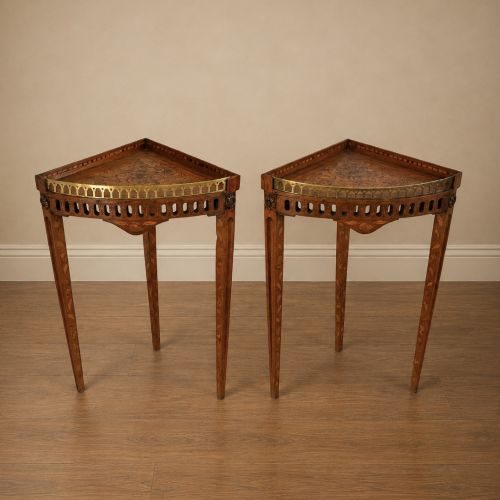
Wiring and adjustable mechanisms vary across periods, reflecting the transition from early candleholders and student lamps to electrified standard lamps. Elements like brass galleries, marquetry inlay, and tassel details indicate specialised bench work executed by period metalworkers and cabinetmakers.
Pair Brass Standing Lamps Retail Price Guide 2026
Typical asking prices for pair brass standing lamps among the pieces listed under this phrase on Sellingantiques today, from the lower quarter to the upper quarter. They describe what is for sale here now, not the wider market.
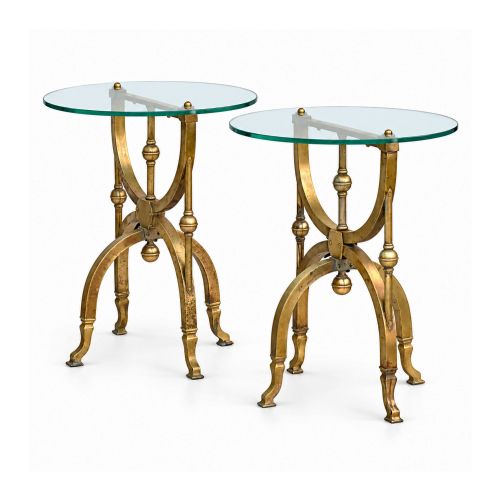
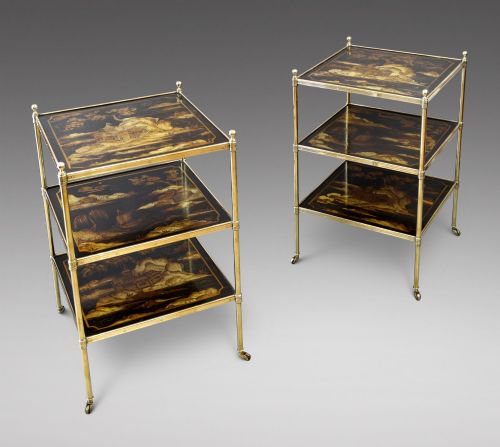
The inventory combines floor-standing standard lamps with table stands, candlesticks, and multi-tiered side furniture.
Factors of quality
Quality rests in the weight and thickness of the brass casting, the purity of the marble or alabaster used in the base, and the crispness of turned decorative details. Superior examples maintain balanced proportions and secure joints across combined furniture forms without excessive wear.
Design distinction separates standard production from pieces bearing defined stylistic influences such as French Neoclassical, Arts and Crafts, or Hollywood Regency aesthetics. Original patination and retention of period components further distinguish finer survivors.
Clarke’s Patent
The Pair Brass Standing Lamps Glossary
- Standard lamp
- A tall floor-standing lamp designed to illuminate a room from standing height. These pieces utilise heavy bases to support extended stems.
- Uplighter
- A lighting fixture directing illumination upwards toward the ceiling rather than down into the room. This form gained popularity during the early twentieth century for ambient lighting.
- Gilt metal
- Metal treated with a gold-coloured finish or thin layer of gold plating to simulate solid ormolu. It appears frequently on decorative lamp bases and frames.
- Brass gallery
- A low pierced metal railing fitted around the top edge of a small table or stand. This feature secures items placed upon the surface.
- Alabaster
- A fine-grained translucent stone used for decorative lamp bodies and carved sculptural bases. It diffuses light softly when positioned near bulbs.
Pair Brass Standing Lamps: Frequently Asked Questions
How do I safely clean old brass?
Dust surfaces regularly with a soft dry cloth to prevent the accumulation of grime without disturbing the natural historic patination.
Avoid harsh abrasive chemical cleaners that strip away the aged surface character accumulated over decades of use.
Are these lamps wired for modern use?
Many examples feature updated wiring whilst retaining their original exterior metalwork, switches, and structural lamp holders.
It remains advisable to have any vintage electrical item inspected by a qualified electrician prior to regular domestic installation.
Can I mix different decorative styles?
Period brass lighting complements diverse interiors ranging from Edwardian and Victorian settings to eclectic mid-century or transitional spaces.
Matching the metal finish or the period tone helps integrate different furniture forms within a unified room design.