



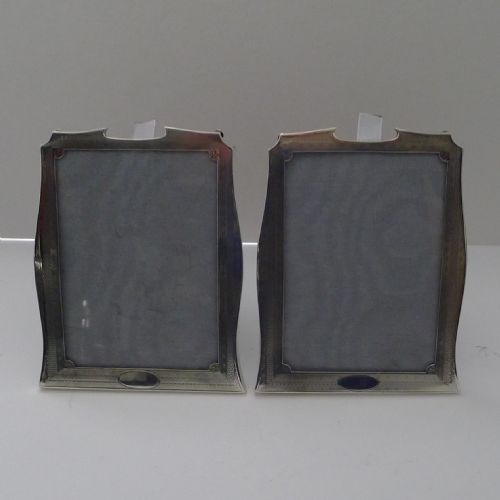

Pair Art Deco Frames
Pair art deco frames bring geometric symmetry and period charm to your walls, and you are most likely to meet chrome or silver examples from nineteen thirty.
Pair Art Deco Frames
When you search for pair art deco frames, you look at matching dual displays designed for photographs, mirrors, or artwork. The listings show these pieces originate predominantly from nineteen thirty, alongside earlier Victorian examples repurposed or styled in the period taste.
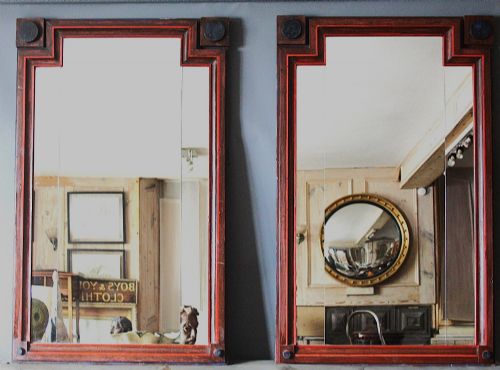
You will encounter these objects mostly as chrome, silver, or gilt gesso pieces meant for tabletop or wall placement. The archive shows that photograph and picture frames form the core of this grouping, accompanied by mirror frames and framed lithographs.
How they were made
The makers of these items utilised metals such as chrome and silver, often applying decorative surface techniques like engine-turning to catch the light. Wood frames also appear, built from timber and finished with gilt gesso.
Gilt gesso application and metal shaping define the physical construction of these objects. Artisans combined structural timber cores with delicate metallic finishes or hand-coloured lithograph inserts to achieve the finished look.
What varies in quality
The standard of execution separates a basic production item from a finer workshop piece. Crispness in the engine-turned metal patterns and the precision of the mitred corners indicate the maker's original skill.
Material choice shifts the character of the object significantly, moving from simple timber bases up to solid silver or polished chrome housings. The retention of original glass and backing materials also influences the integrity of the piece.
Gio Ponti·Richard Ginori
The Pair Art Deco Frames Glossary
- Engine-turned
- A mechanical surface decoration technique producing intricate geometric patterns. It appears frequently on metal picture frames of this era.
- Gilt gesso
- A plaster-based material applied to wood and covered with gold leaf. This mixture allows for moulded ornamentation around the frame edge.
- Lithograph
- A print made from a planographic stone or metal plate. French examples in the records feature hand-coloured details signed by the artist.
- Chrome
- A hard, corrosion-resistant metal plating used extensively for modern industrial finishes. It provides the bright reflective surfaces seen on nineteen thirty items.
- Victorian
- The period spanning the reign of Queen Victoria. Items from this era occasionally appear alongside nineteen thirty stock.
Pair Art Deco Frames: Frequently Asked Questions
How do I display them?
These matching items look best positioned symmetrically on a mantelpiece or hung side by side at eye level on a neutral wall. Keeping them together as a pair preserves the visual balance intended by the design.
Ensure they are placed away from direct sunlight to protect any paper inserts or original backing materials from fading over time.
Are they all from nineteen thirty?
The majority of the pieces date specifically to nineteen thirty, capturing the height of the modernist design movement. You will also find occasional Victorian items that share similar aesthetic qualities.
Checking the construction methods and materials will help you determine the exact manufacturing era of each individual piece.
What metals were used?
Makers utilised chrome and silver for the metallic components, often adding textured finishes like engine-turning to catch the light. These materials offered the sleek, industrial look favoured during the period.
Some examples combine these metals with glass and wood to create contrast within the matched pair.
How do I clean the metal?
Dust the surface gently with a soft, dry cloth to remove daily particles without scratching the polished finish. Avoid harsh chemical cleaners that might strip silver plating or damage engine-turned details.
For chrome surfaces, a damp microfiber cloth works well to lift fingerprints and restore the original reflective shine.