






Pair Girandole Sconces
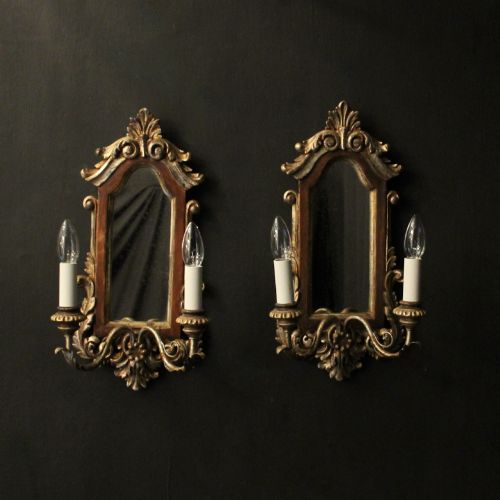
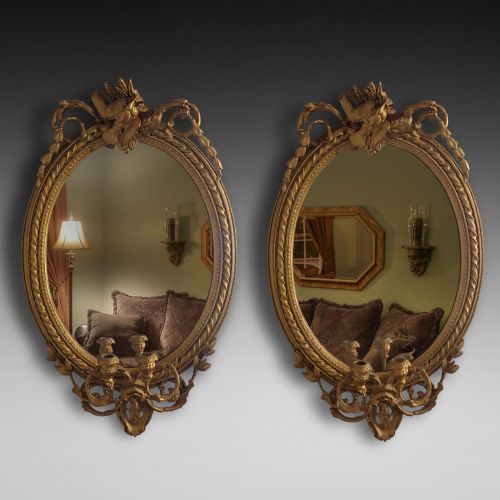
Pair antique girandole sconces are reflective candle wall lights designed to multiply candlelight across a room through integrated mirrors.
Pair Girandole Sconces
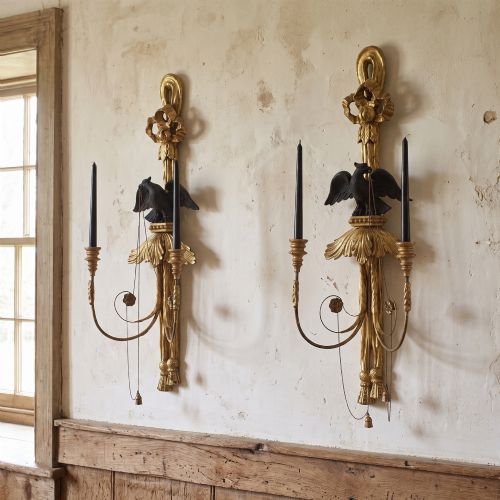
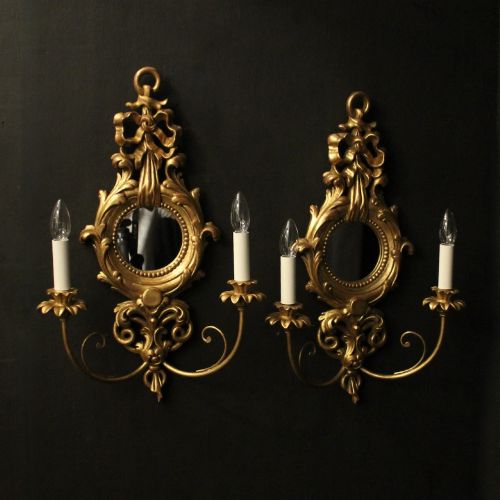
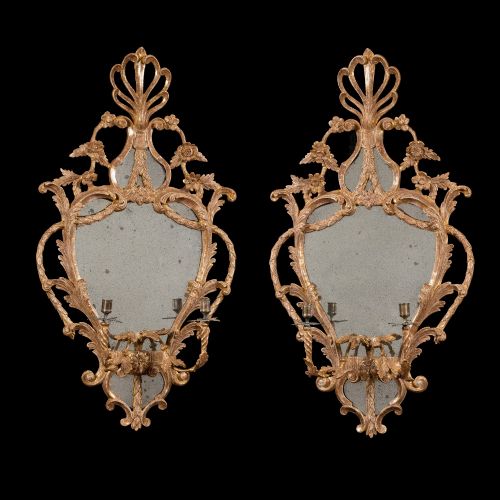
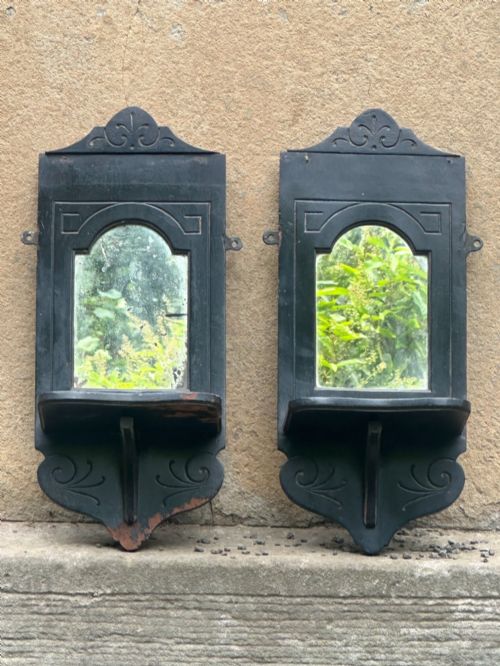
When you search for pair antique girandole sconces, you encounter matched sets of wall-mounted light fixtures that combine a reflective glass plate with projecting candle arms. These pieces span from the 18th century through the Edwardian era, incorporating styles such as Rococo Revival, Neoclassical, and Regency.
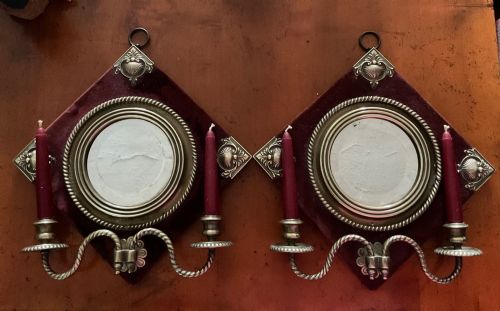
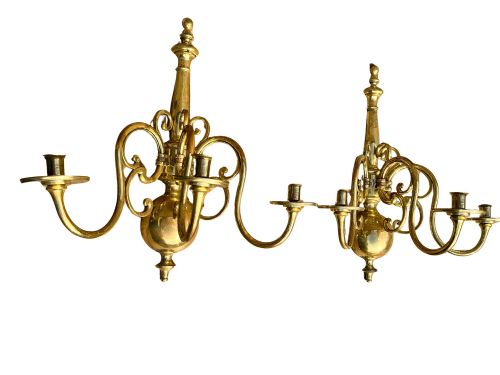
The selections on this page appear in various regional interpretations, including Florentine, French, and Italian designs. Forms range from carved giltwood frames with twin arms to bronze, brass, and toleware wall lights featuring mirrored glass backs.
Makers and workshops from the 19th and early 20th centuries produced these items for formal parlours and drawing rooms. The physical evidence shows wall mirrors, girandoles, and candle holders functioning together as decorative lighting.
Materials and construction
Makers constructed these wall lights using carved timber substrates finished in gesso and giltwood, or cast metals including bronze, brass, and ormolu. Gilded surfaces often layer gold leaf over red bole to achieve a warm metallic sheen.
Reflective elements utilise mirror glass and plate glass cut to fit specific frames, sometimes accompanied by crystal drops. Metal components are cast, chased, and mounted with candle branches designed to support real tapers.
Pair Girandole Sconces Retail Price Guide 2026
Typical asking prices for pair girandole sconces among the pieces listed under this phrase on Sellingantiques today, from the lower quarter to the upper quarter. They describe what is for sale here now, not the wider market.
Listings feature pieces spanning from the 18th century through the 1930s, constructed in giltwood, brass, bronze, and mirrored glass.
Distinctions in quality
Quality rests in the crispness of the hand-carved gesso work on wooden frames and the depth of chasing on bronze or brass components. Superior examples display sharp relief in ornamental motifs like acanthus leaves and scrolls without blurring from worn moulds.
The originality of the mirror glass plates and the integrity of the original gilding dictate the standing of a piece. Better specimens retain their original silvering on the glass and honest, unbroken layers of surface finish.
Cottier and Co·E.G Paris
The Pair Girandole Sconces Glossary
- Girandole
- A branched wall light or sconce incorporating a mirror to reflect the flame. These fixtures multiply illumination in candlelit interiors.
- Giltwood
- Timber, usually softwood or lime, coated in gesso and leaf gold. This finish provides a brilliant reflective surface for domestic interiors.
- Gesso
- A plaster mixture applied to wood frames before gilding. It creates a smooth base suitable for intricate carving and detail work.
- Ormolu
- Gilded bronze used for decorative mounts and fittings. The technique produces a rich golden finish on cast metal items.
- Toleware
- Painted and lacquered sheet metal items. This material appears on decorative wall lights and functional vessels.
Pair Girandole Sconces: Frequently Asked Questions
How do I distinguish 18th-century girandoles from later revivals?
Eighteenth-century pieces typically display hand-carved wooden construction with organic asymmetry in rococo forms and heavier plate glass. The timber backing boards and holding pins often show structural wear appropriate to age.
Later Victorian and Edwardian revival pieces frequently employ machine-cast components, standardised brass brackets, or composition ornaments in place of detailed hand carving.
Can these sconces hold modern electric candles?
Most antique girandoles retain their original candle sockets designed for wax tapers rather than modern electrical wiring. Altering the structural arms for electricity requires careful consideration to preserve the original metalwork.
Many collectors prefer to use wax candles or battery-operated alternatives to avoid modifying the historical metal or wood components.
What maintenance do giltwood and brass frames require?
Giltwood surfaces demand gentle dusting with a soft, dry brush to prevent damage to delicate gesso and gold leaf layers. Moisture and chemical cleaners strip the historic finish entirely.
Brass and bronze parts benefit from occasional light cleaning without abrasive polishes that remove the natural patination accumulated over decades.