
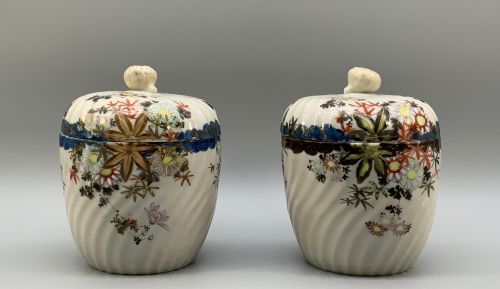
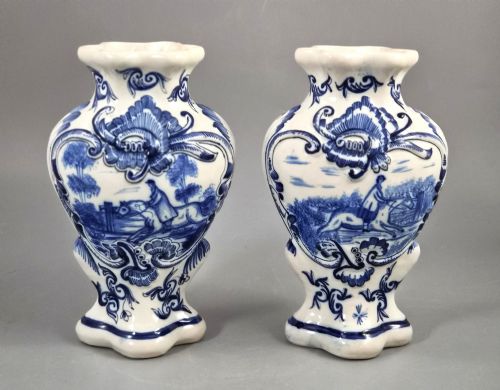
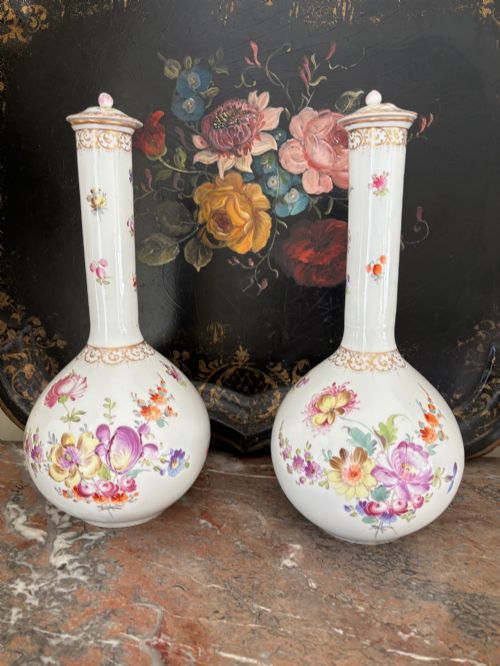
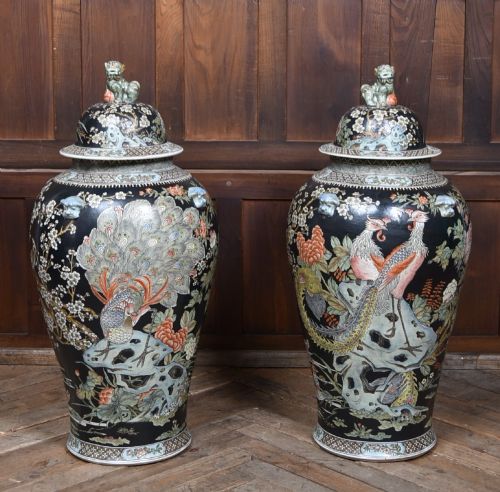


Pair Ceramic Jars
When you search for pair antique ceramic jars, you encounter vessels of porcelain, earthenware, and tin glaze shaped for storage and display.
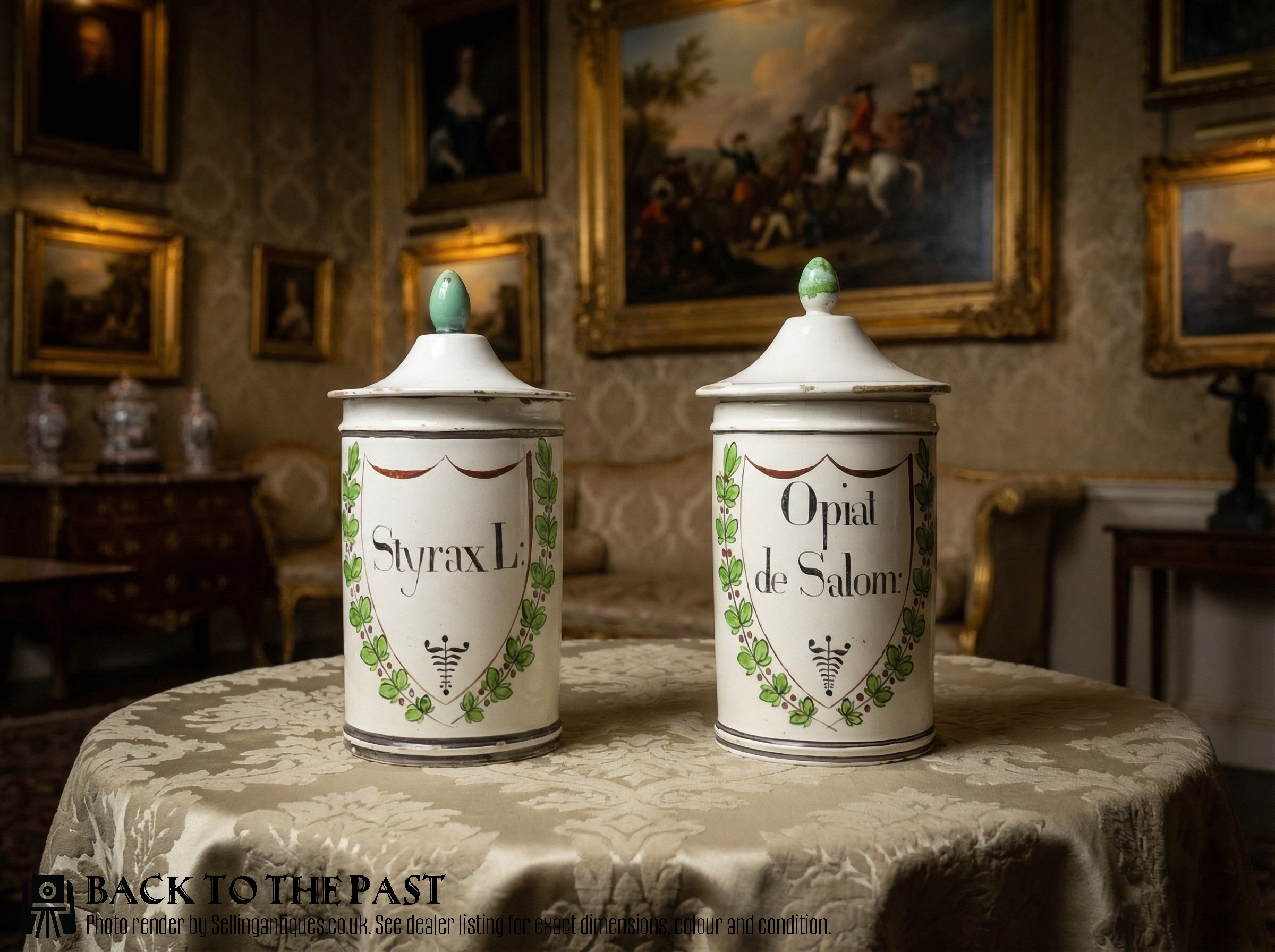
Pair Ceramic Jars
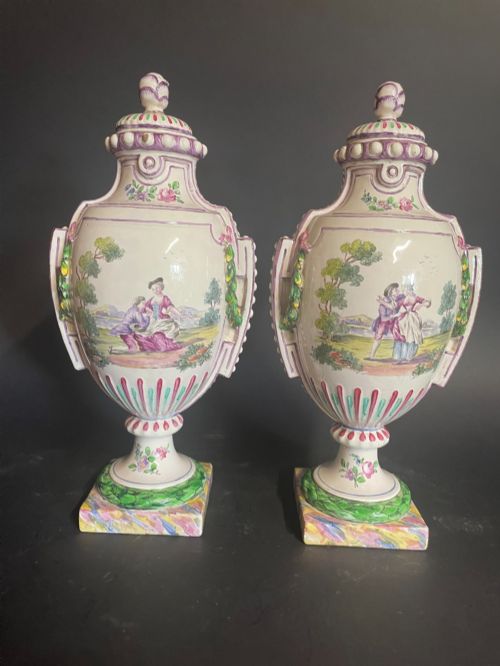
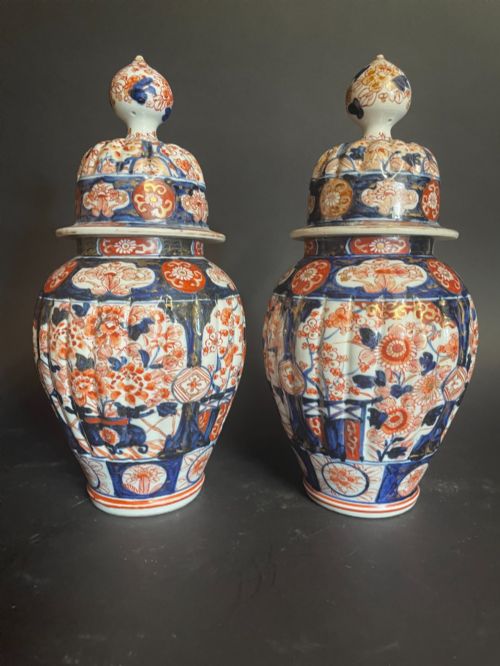
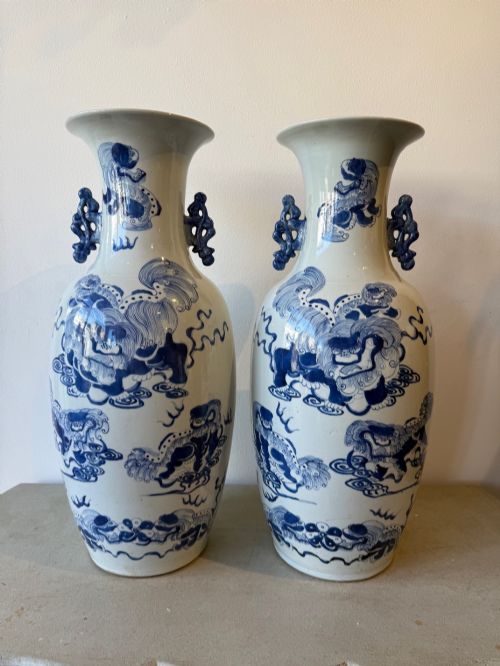
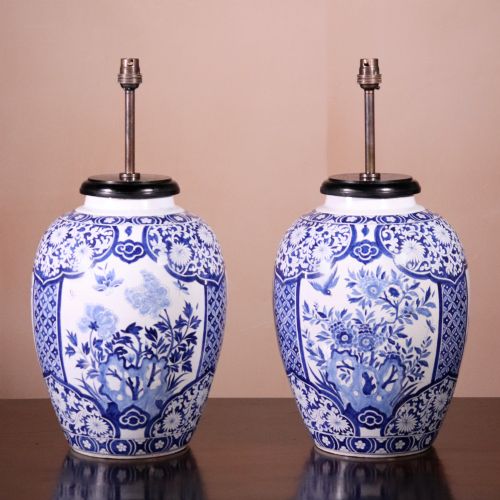
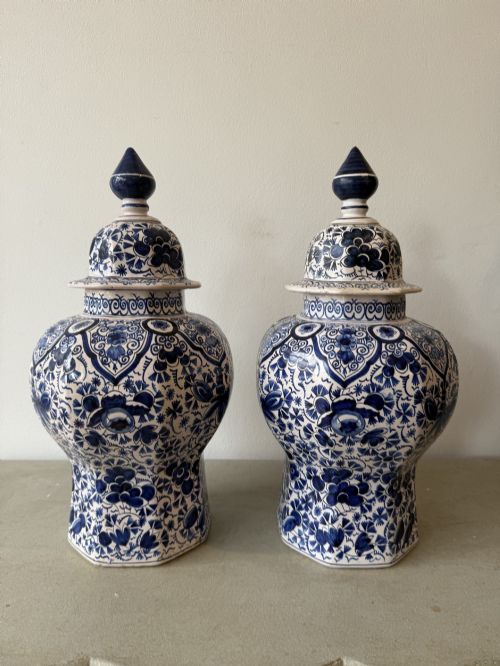
These pair antique ceramic jars span forms such as lidded ginger jars, apothecary albarelli, and decorative urns originating from European potteries and East Asian kilns. You frequently meet Japanese Imari porcelain and Chinese blue and white porcelain alongside French and Italian faience.
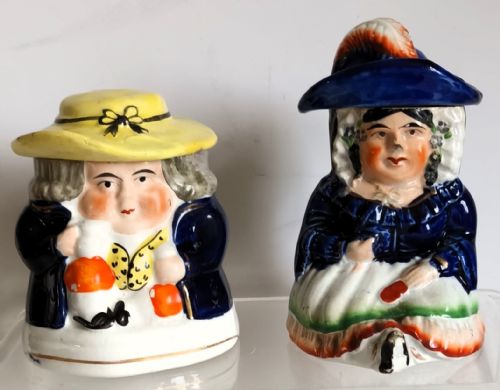
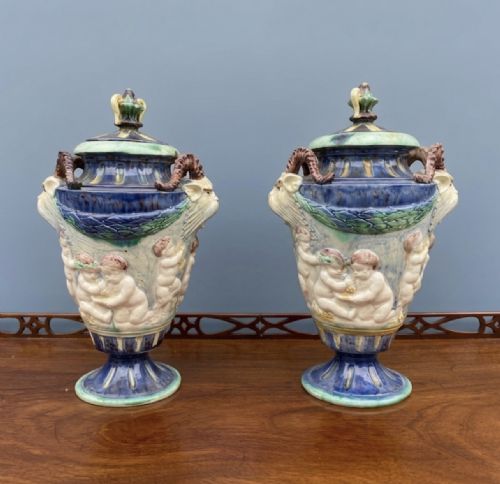
The selection includes Victorian tobacco jars, majolica urns, and tin-glazed earthenware dating from the seventeenth century through to the early twentieth century. Makers and decorators utilised traditional methods to produce matched pairs intended for symmetry on mantelpieces and sideboards.
How they were made
Potters shaped clay on the wheel or pressed earthenware and porcelain into moulds before applying tin glazes, enamels, or underglaze blue pigments. Artisans then fired the pieces in kilns, sometimes adding gold leaf or overglaze hand-painted floral decoration in subsequent firings.
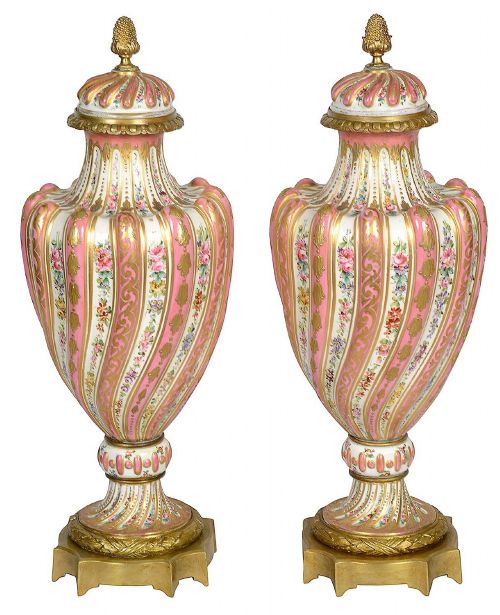
European factories such as Sevres, Berlin, and various French faience workshops employed distinct glaze formulations and hand-painting techniques. Japanese producers in Arita and Satsuma relied on local mineral pigments to achieve deep iron reds, cobalts, and intricate crackle glazes.
The inventory includes Japanese Arita and Satsuma wares, French faience, and British ironstone alongside Chinese ginger jars and blue and white vases.
What varies in quality
The standard of painting determines much of the distinction, separating hurried commercial decoration from meticulous brushwork on porcelain and earthenware. Crispness of the moulded form, stability of the lid fit, and depth of the glaze colour indicate the skill of the original workshop.
Preservation of hand-painted enamels and gilding across both matched vessels influences the overall integrity of the pair. Early examples from the seventeenth and eighteenth centuries command attention for the survival of their fragile tin glazes and delicate covers.
Fourmaintraux Courquin·Kinkozan
The Pair Ceramic Jars Glossary
- Albarello
- A cylindrical earthenware jar used by apothecaries to store drugs and ointments. These pieces often feature an waisted centre for easy gripping.
- Imari
- Japanese porcelain decorated in underglaze blue, iron red, and gilt. The style originated in Arita and gained immense popularity across Europe.
- Faience
- European tin-glazed earthenware decorated with opaque metallic glazes. French and Italian workshops produced extensive ranges of vases and urns in this medium.
- Ginger Jar
- A globular jar with a high shoulder and short neck, traditionally used for holding spices. Many surviving examples retain matching domed covers.
- Majolica
- Heavy earthenware coated with an opaque tin glaze and painted with bright coloured pigments. Victorian and continental makers produced decorative urns using this technique.
Pair Ceramic Jars: Frequently Asked Questions
What were antique ceramic jars used for?
These vessels originally served practical household and commercial roles, storing dry goods, spices, tobacco, and medicinal compounds in pharmacies. Apothecary jars held specific herbal remedies, while lidded ginger jars protected perishable commodities from moisture.
Over time, many of these containers transitioned into purely decorative objects. Matched pairs were placed on mantelpieces, pedestals, and cabinets to provide visual symmetry in formal interiors.
How do I care for antique ceramic jars?
Display these pieces away from direct sunlight and areas prone to sudden temperature fluctuations, which can stress brittle glazes and earthenware bodies. Dust them gently with a dry, soft brush rather than wiping them with damp cloths.
Avoid using commercial cleaning agents, as harsh chemicals can damage fragile overglaze enamels and historic gilding. Lift heavy lidded jars by the body rather than the lid to prevent accidental drops.
What is tin-glazed earthenware?
Tin-glazed earthenware is pottery covered with a white, opaque glaze containing tin oxide, which provides a smooth canvas for painted decoration. Workshops across Europe utilised this technique to imitate the appearance of prized Chinese porcelain.
Common regional variants include Italian majolica, French faience, and Dutch delftware. The resulting vessels display rich, absorbent glazes that interact distinctively with cobalt and polychrome pigments.