
Pair Candle Sticks
Pair antique candle sticks bring domestic illumination from past centuries into modern rooms through varied metalwork and ceramic forms.
Pair Candle Sticks
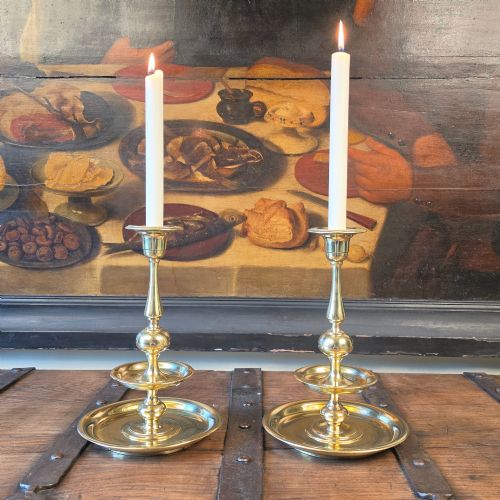
Pair antique candle sticks comprise matching lighting implements designed to hold tapers securely on tables, altars and desks. They appear across multiple centuries, spanning Georgian symmetry, Victorian elaboration and Edwardian formality.
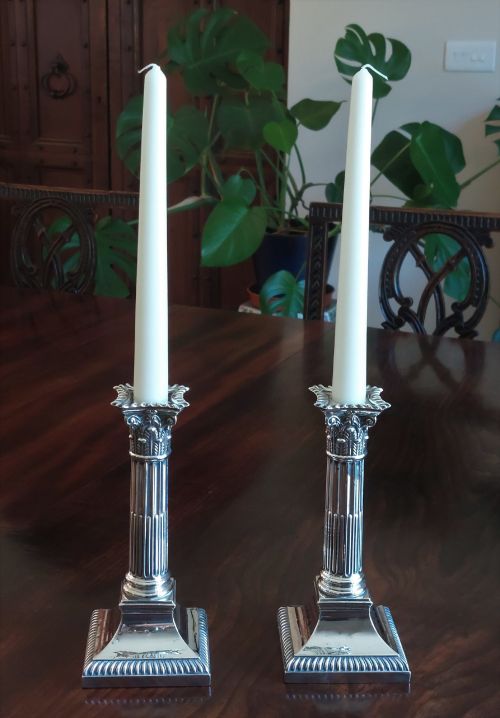
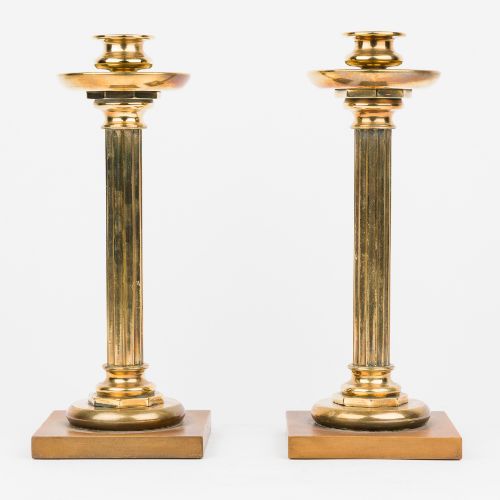
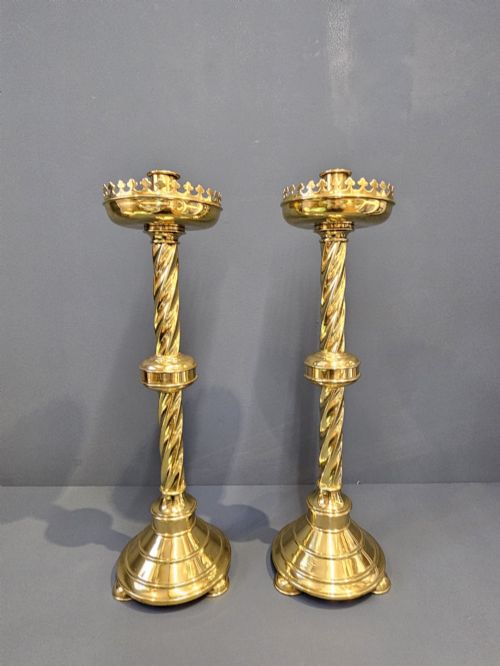
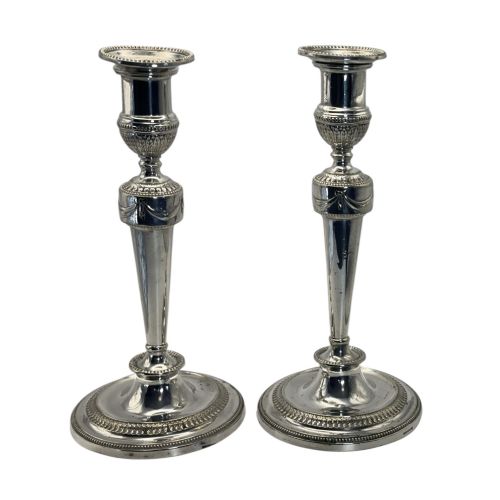
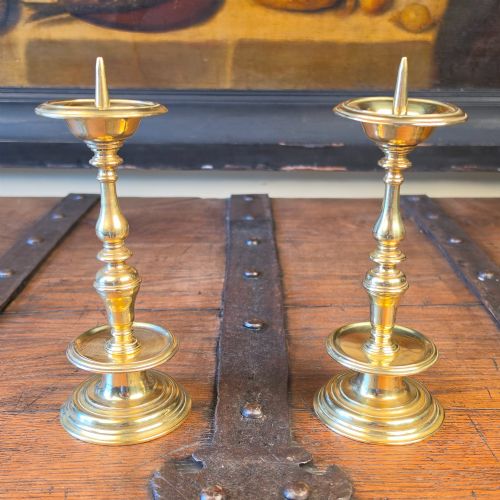
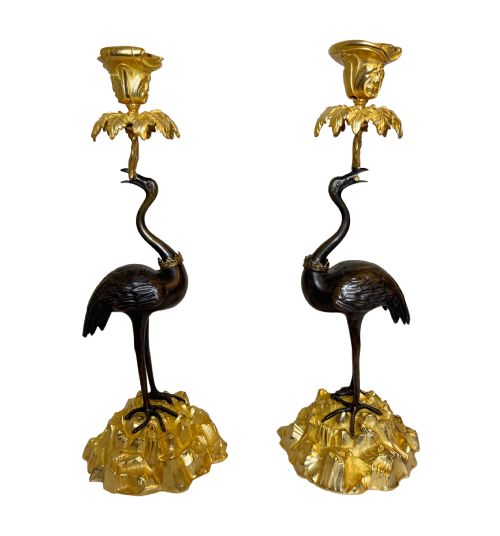
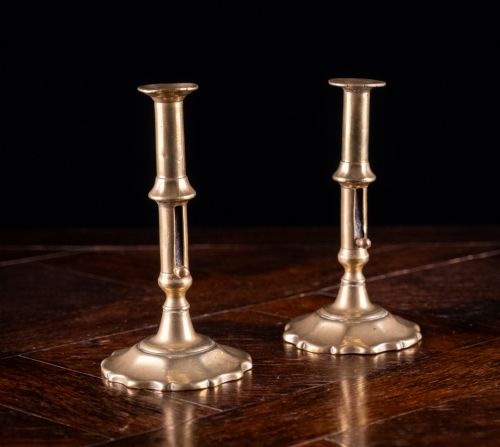
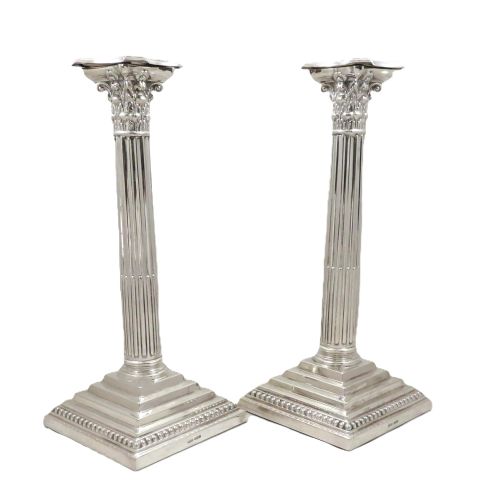
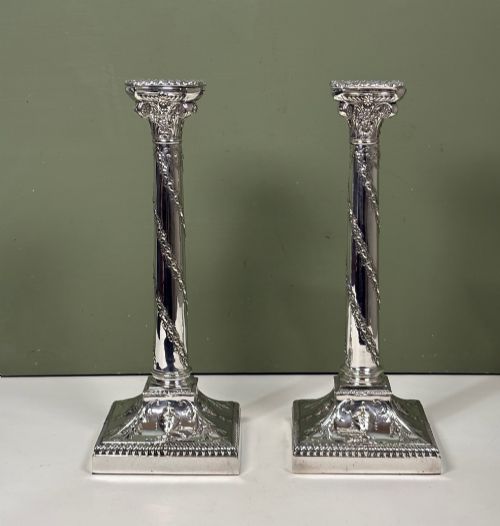
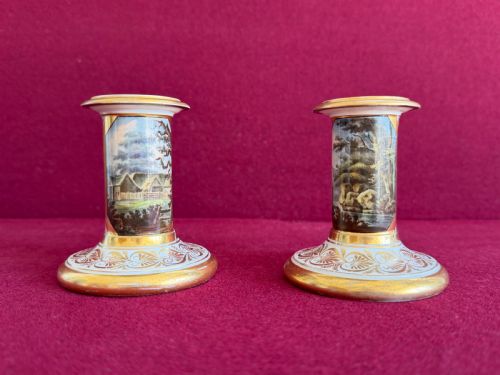
The selection ranges from utilitarian brass ejectors and heavy church prickets to delicate sterling silver Corinthian columns and painted porcelain. Buyers encounter both monumental bronze designs and miniature domestic pairs intended for chamber use.
How They Were Made
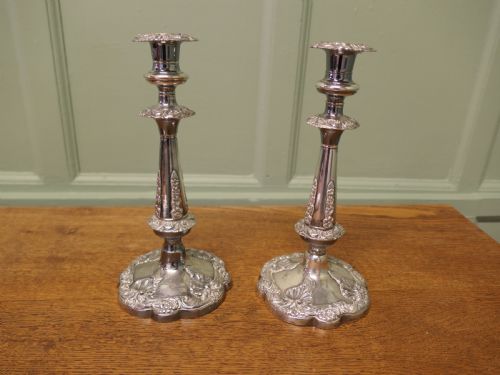
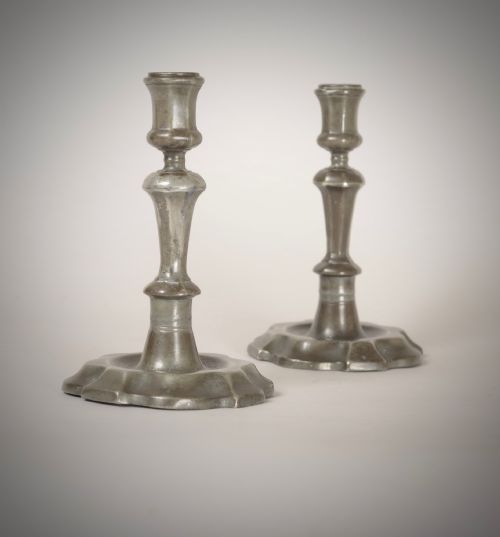
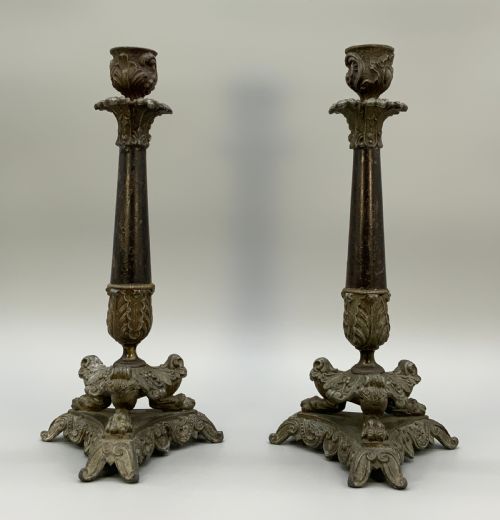
Metal fabrication dominates the selection, utilising brass, bronze, pewter, and silver plate formed through casting, seaming, and spinning techniques. Silversmiths and founders employed methods such as Old Sheffield plating and cold painting to finish surfaces.
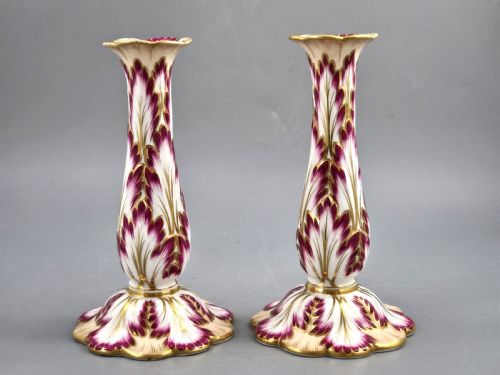
Ceramic examples demonstrate porcelain manufacturing via moulded foliage and figural subjects by makers like Worcester and Ridgway. Additional materials involve marble, oak, tortoiseshell, and mercury glass combined with metal mounts.
Several unusual pairs feature sculpted flamingos and cherubs holding the light.
What Varies in Quality
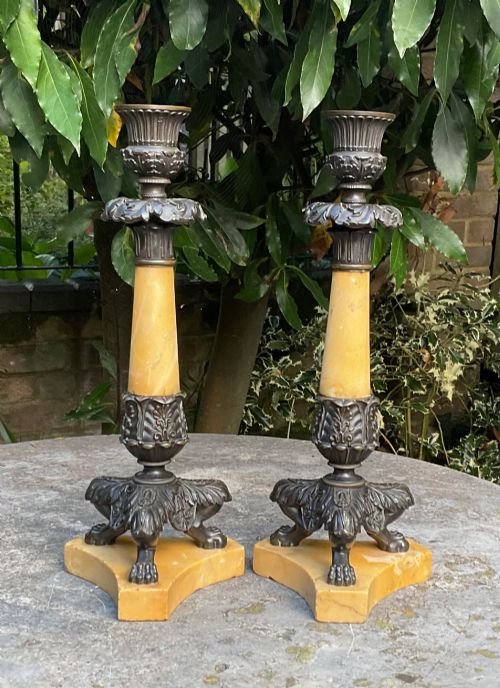
Refinement in casting separates standard production from exceptional examples, visible in the crispness of neoclassical acanthus leaves, fluted columns, and figural details like cherubs. Heavier gauge metals and substantial bases provide better structural stability.
Makers' marks and signatures elevate standing, with documented work from silversmiths and porcelain potteries commanding greater attention. The integrity of original plating, gilding, and matching components dictates the overall standing of a set.
Garrard & Co·Mappin & Webb·Birks·Ridgway·Barr Flight And Barr·Walker & Hall·Royal Doulton
The Pair Candle Sticks Glossary
- Ejector
- A mechanism inside some brass candlesticks featuring a small internal push-rod to lift out the remaining wax stub. This clever addition was common in the eighteenth and nineteenth centuries.
- Pricket
- A sharp metal spike upon which a large candle, often used in churches, is impaled to hold it steady. These contrast with standard socket holders.
- Old Sheffield Plate
- A fused composite material made by melting a thin sheet of silver onto a thicker copper base before rolling. This technique predates modern electroplating.
- Telescopic
- An adjustable shaft design allowing the height of the candlestick to extend or shorten. These items appear frequently in nineteenth-century brass and silver.
- Spelter
- A zinc alloy frequently used as a cheaper substitute for bronze or brass in ornamental figures. It takes patination well to simulate heavier metals.
Pair Candle Sticks: Frequently Asked Questions
What are pair antique candle sticks made of?
These items are constructed from various metals including brass, bronze, pewter, sterling silver, and silver plate. Other examples utilise porcelain, oak, marble, and glass.
Makers often combined materials, incorporating tortoiseshell or mercury glass into metal frames for decorative effect.
How do I know the period of my candlesticks?
Dating relies on stylistic clues, manufacturing marks, and construction techniques such as casting seams or base weights. Georgian examples tend to show neoclassical restraint, while Victorian pieces often display heavier ornamentation.
Matching the maker's mark or silver hallmarking to historical records provides precise manufacturing dates.
Were these used in churches or homes?
Most items served domestic purposes on dining tables, desks, and mantelpieces as everyday lighting. Larger examples with prickets or heavy brass construction originated from churches and ecclesiastical settings.
Low chambersticks and desk versions were designed specifically for moving through rooms or lighting writing paper.
Can I use modern candles in antique holders?
Standard modern tapers often require slight trimming or a wax base to fit securely into older sockets. Taper diameters varied significantly across centuries and regions.
Using fitted beeswax candles protects the metal or ceramic interior from unnecessary friction and damage.