

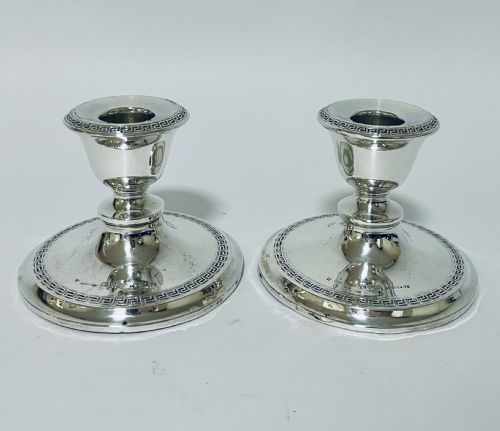


Vintage Silver Taper Candlesticks
Vintage silver taper candlesticks bring low, warm light to a dining table, combining the brightness of metal with the intimacy of a single flame.
Vintage Silver Taper Candlesticks
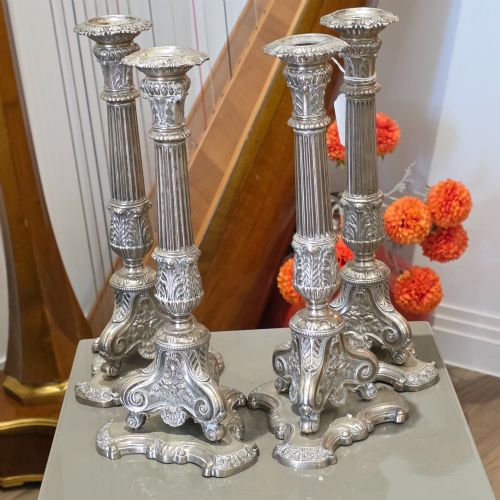
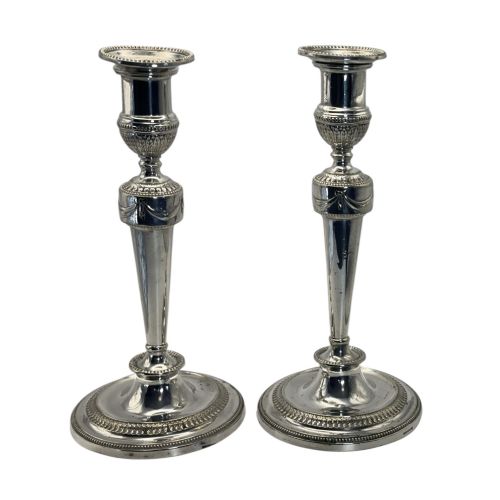
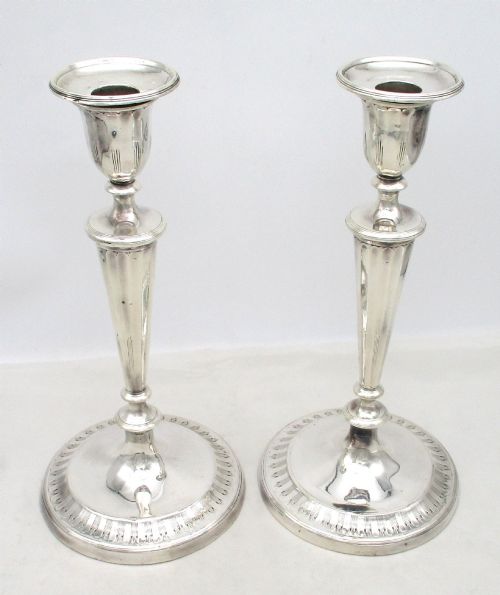
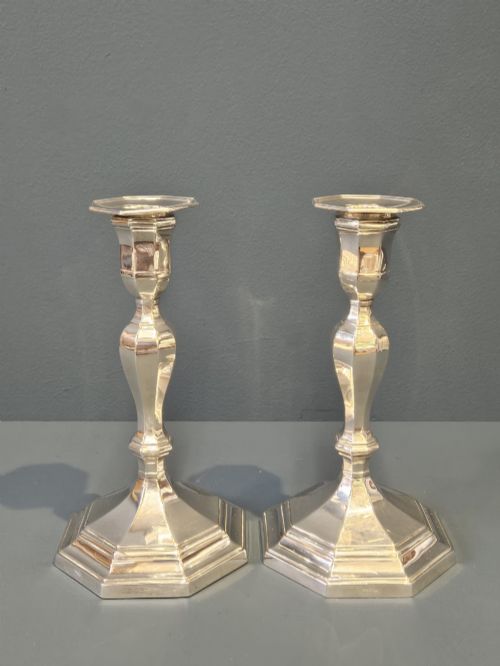
When you search for vintage silver taper candlesticks, you encounter smaller holders designed specifically for slender dinner candles rather than heavy pillar wax. These pieces appear frequently as pairs, spanning the nineteenth and twentieth centuries through Victorian, Edwardian, and Art Deco periods.
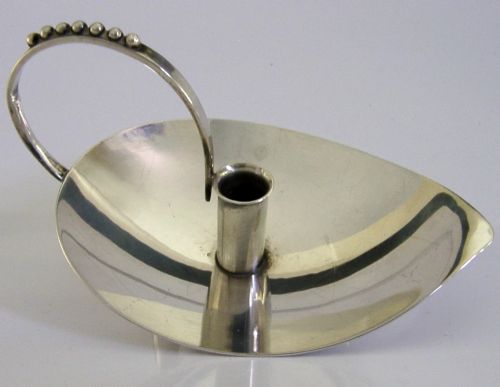
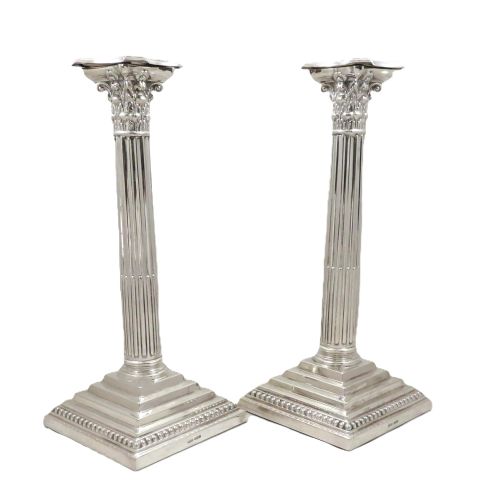
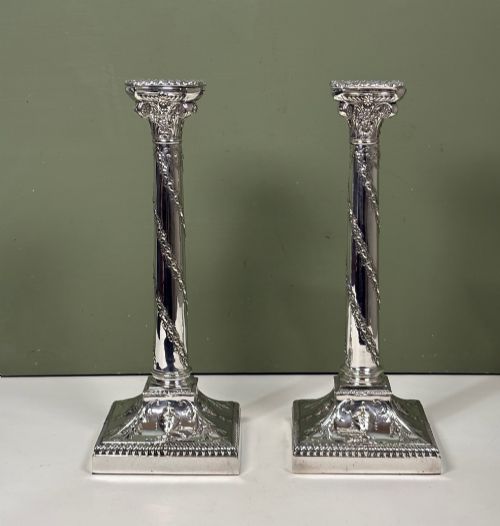
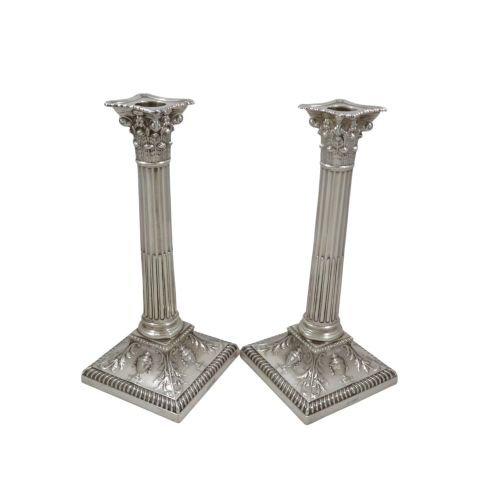
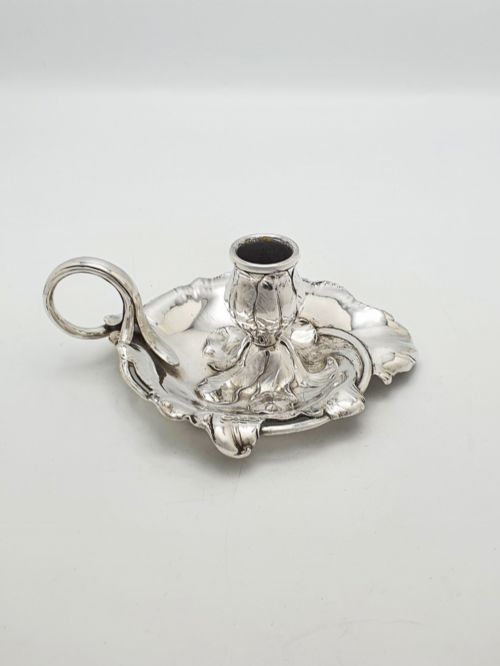
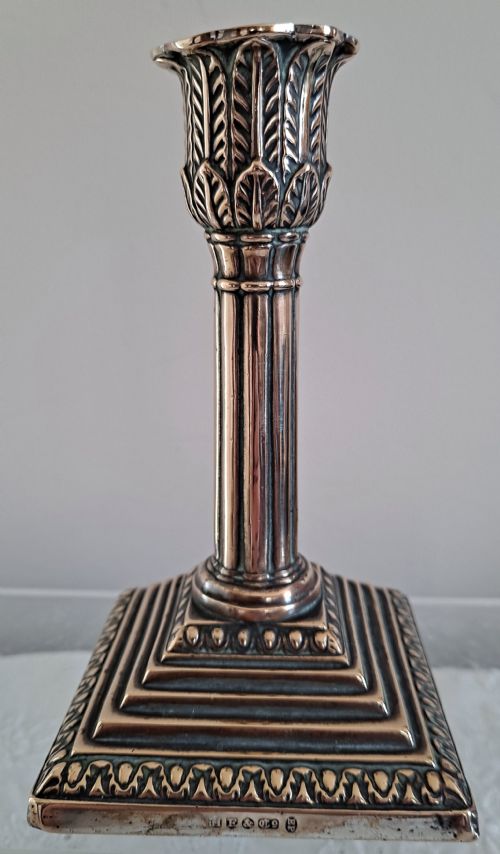
The forms range from classical Corinthian columns and chambersticks with side handles to telescopic shafts and leaf-shaped desk designs. Originating largely from English workshops and continental makers, they use standard candle sockets suited to traditional dining rooms and mantelpieces.
Materials and Construction Methods
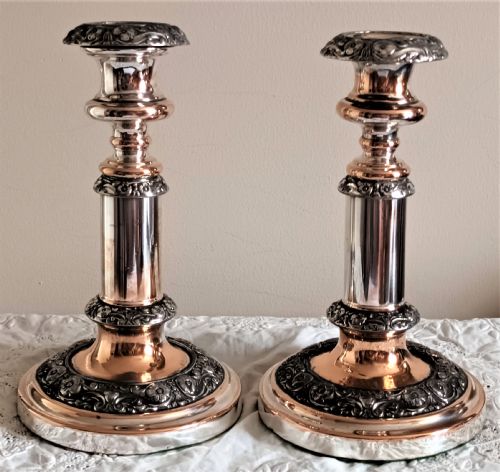
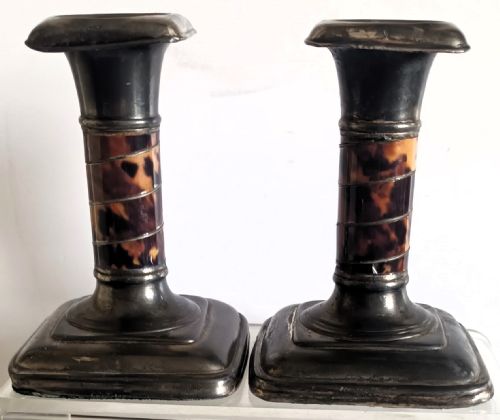
Makers shaped these items using solid sterling silver or by applying silver plate onto base metals such as copper, pewter, and Old Sheffield plate. Many silver-plated and pewter examples incorporate weighted bases filled with resin or plaster to ensure stability on flat surfaces.
Decorative detailing relies on casting, embossing, and applied enamel, alongside traditional hallmarks stamped into sterling pieces to record the assay office and year of production. Copper elements often peek through worn plating on older items, revealing the underlying warmth of the base metal.
Archibald Knox designed pewter and enamel pieces for Liberty & Co that brought windswept Celtic curves straight to the Edwardian mantelpiece.
Assessing Standard and Execution
The standard of a pair rests upon the crispness of the chased or cast ornament, whether in a Rococo Revival sweep or a geometric Art Deco line. Crisp detailing around capitals and drip pans indicates a careful hand in the workshop.
Substantial weight in the hand and secure joining between the stem and the base distinguish superior manufacture from lighter, utilitarian production. Retaining an even layer of original silver plating without excessive base metal exposure separates well-preserved examples from heavily polished counterparts.
Conrad Eduard Mappe·Mappin & Webb·WMF·Liberty & Co·John Pound & Co·Thomas Bradbury & Sons Ltd·James Dixon & Sons·Barker Ellis·Garrard & Co Ltd
The Vintage Silver Taper Candlesticks Glossary
- Chamberstick
- A low candle holder featuring a flat drip pan and a loop handle for carrying from room to room. They often include a small conical snuffer resting on the tray.
- Corinthian Column
- A classical column form utilised for the stem, featuring ornate acanthus leaves carved or cast around the capital. This design is common in both sterling and silver-plated pairs from the Edwardian era.
- Old Sheffield Plate
- A fused composite material made by melting a sheet of silver onto a thicker copper ingot before rolling them together. This technique predates modern electroplating.
- Telescopic
- A shaft design that extends in height through sliding metal sections, allowing the user to adjust the elevation of the flame. These are frequently found in Georgian and Victorian forms.
- Hallmark
- A series of stamped symbols on sterling items indicating the maker, assay office, and year of testing. These marks provide definitive dates for British production.
- EPNS
- Electroplated Nickel Silver, a common base metal composition beneath a silver coating. It appeared widely across Victorian and twentieth-century tableware.
Vintage Silver Taper Candlesticks: Frequently Asked Questions
How do I clean vintage silver candlesticks?
Use a soft microfibre cloth and a mild, non-abrasive silver polish formulated specifically for plated or sterling surfaces. Avoid rubbing vigorously near hallmarks or engraved details.
Wash away residual paste with warm water and dry thoroughly to prevent moisture settling in crevices or weighted bases.
Are these candlesticks made of solid silver?
Most items encountered are silver-plated over copper, pewter, or nickel, while others are struck from solid sterling silver. Check the base for hallmarks indicating sterling standards or maker marks denoting plate.
Pewter and Old Sheffield plate variations also appear regularly across the nineteenth-century selections.
Why do the candlesticks feel heavy?
Many examples contain weighted interiors filled with plaster, resin, or pitch to provide stability and prevent tipping during use. This traditional method supports the relatively thin outer shell of silver or metal.
Solid sterling pieces achieve their weight through thick metal construction rather than internal filling.