
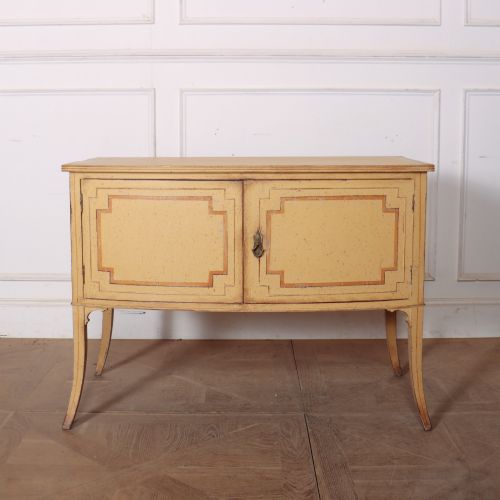


Painted Wooden Side Cabinet
A painted wooden side cabinet brings hand-finished colour and practical storage to a room through centuries of decorative traditions.
Painted Wooden Side Cabinet
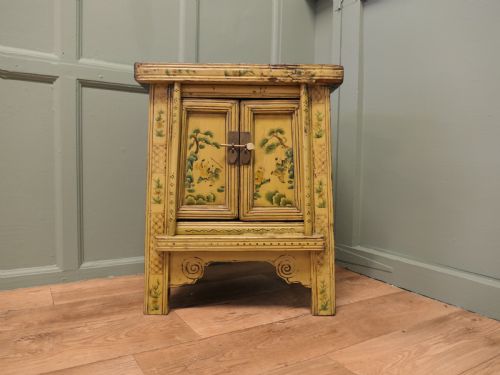
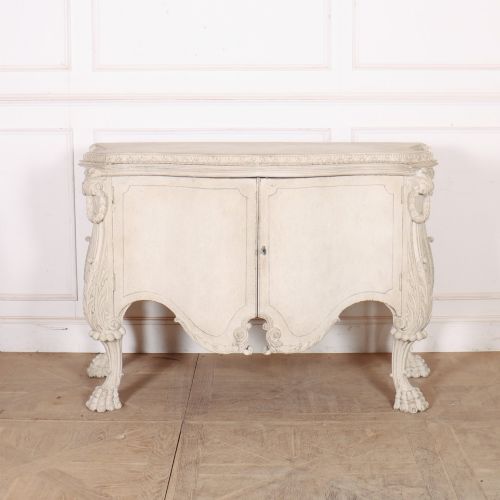
A painted wooden side cabinet is a versatile storage piece appearing in forms such as bedside tables, linen cupboards, and kitchen dressers. When searching for a painted wooden side cabinet, buyers encounter diverse regional traditions ranging from English country house pieces to continental European examples.
The selection includes compact bedside cabinets alongside larger cupboards and dressers. These items serve primary storage functions while displaying decorative painted surfaces that define their character.
Origins span the eighteenth, nineteenth, and early twentieth centuries, encompassing Victorian craftsmanship as well as earlier Swedish and Italian workshop traditions. Each piece reflects the aesthetic preferences of its period, from Chinoiserie motifs to Gustavian restraint.
Materials and construction methods
Construction relies primarily on timber carcasses built from pine, oak, and other native woods. Artisans applied surface decoration directly to the prepared wood using traditional paint formulations, lacquer, or giltwood finishes.
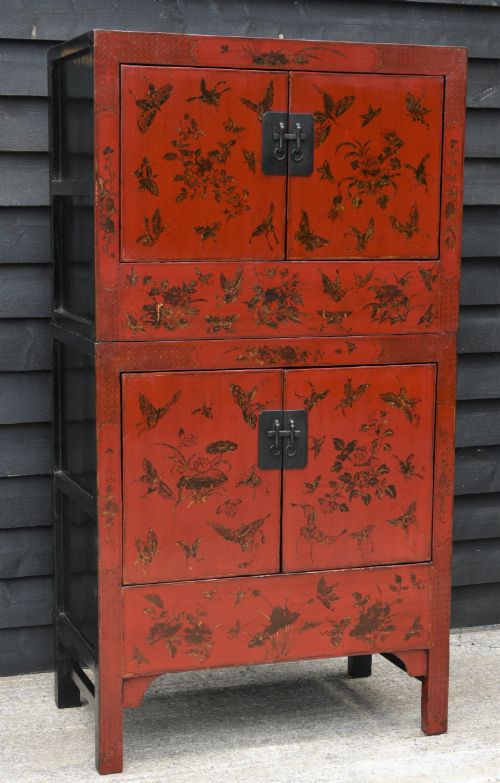
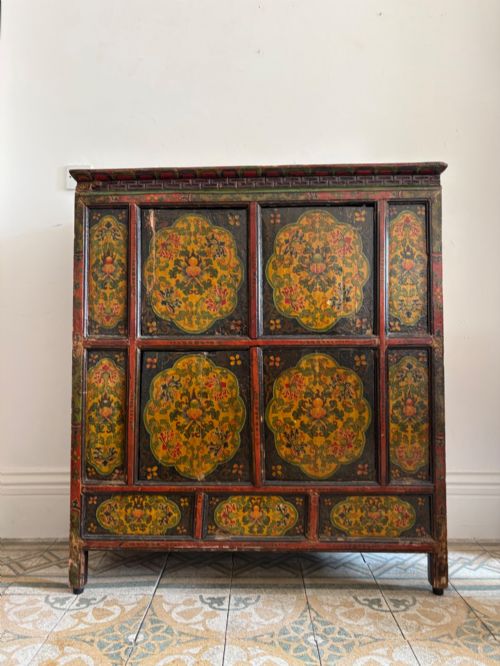
Decorative techniques involve hand-painted floral motifs, Chinoiserie ornamentation, and simulated wood graining such as rosewood. Metal elements like brass and iron provide functional hardware for hinges, handles, and locks.
Some nineteenth-century furniture makers thoughtfully simulated rosewood with a paintbrush when the real timber proved too dear.
Evaluating craftsmanship and condition
Quality rests in the execution of the painted surface and the integrity of the underlying timber structure. Original decorative schemes command greater appreciation than later overpainting, preserving the authentic hand of the maker.
Joinery techniques and the retention of original hardware contribute to a piece's integrity. Finer examples display balanced proportions, deliberate brushwork, and harmonious integration of decorative styles.
The Painted Wooden Side Cabinet Glossary
- Chinoiserie
- European decorative style inspired by Chinese artistic traditions, featuring motifs like figures, landscapes, and pavilions rendered in paint or lacquer. This aesthetic appears frequently on nineteenth-century cabinets.
- Gustavian
- Swedish neoclassical style characterised by pale paint finishes, restrained carving, and elegant proportions. It developed during the late eighteenth century and continued into subsequent eras.
- Giltwood
- Timber carved and surfaced with a thin layer of gold leaf or metallic powder. It provides reflective highlights on decorative furniture elements.
- Lacquered
- Finished with multiple coats of resin or varnish to create a durable, glossy surface. Traditional Asian lacquer differs from European varnish techniques.
- Simulated rosewood
- Painted graining applied to a secondary timber to imitate the appearance of expensive rosewood. This technique was utilised when cost or material availability required an alternative.
Painted Wooden Side Cabinet: Frequently Asked Questions
What is a painted wooden side cabinet?
A painted wooden side cabinet is a storage piece finished with decorative paint, lacquer, or simulated graining. These items function as bedside tables, cupboards, or small sideboards.
They combine utilitarian storage with artistic surface decoration developed across various European and Asian traditions.
How do I date a painted wooden cabinet?
Dating relies on construction methods, timber types, and stylistic indicators such as nineteenth-century Chinoiserie or Victorian carving. Paint analysis also helps determine whether a surface is original to the period.
Hardware styles, including brass hinges and iron locks, provide further clues to the manufacturing era.
Where should I place a side cabinet?
These cabinets suit bedrooms as bedside storage or living areas needing compact surface space and internal organisation. Their decorative fronts allow them to serve as focal points.
Placing them away from direct heat sources protects the timber substrate and painted finishes from cracking.
How do I clean a painted cabinet?
Dust gently with a dry, soft cloth to remove surface particles without disturbing delicate paint or lacquer layers. Avoid harsh chemical cleaners or excess moisture.
Consult a professional conservator if the painted surface shows signs of flaking or instability.