





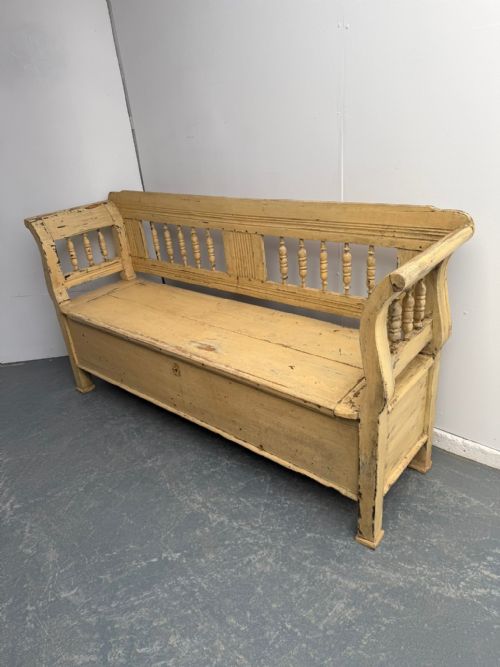
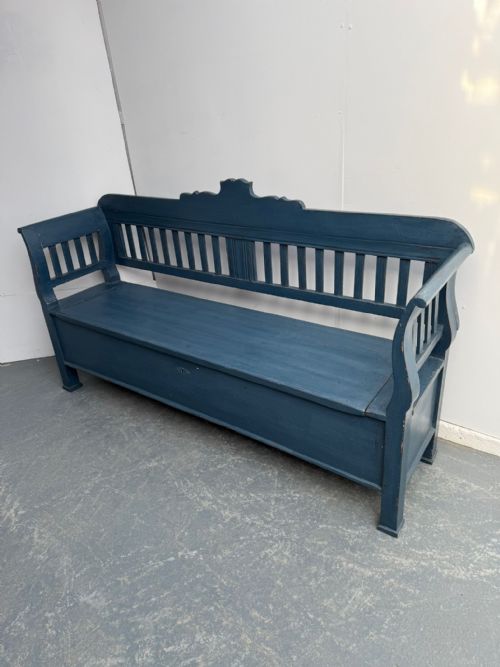
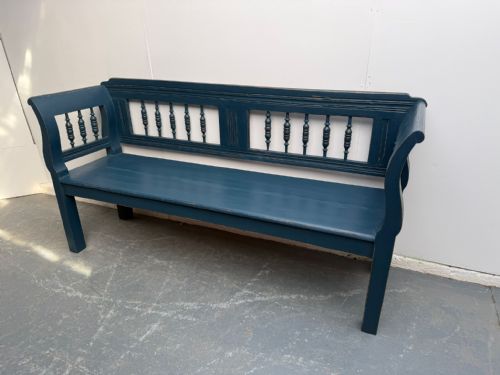
Painted Wooden Settle
A painted wooden settle brings sturdy vernacular character and practical high-backed seating to any hallway or kitchen.
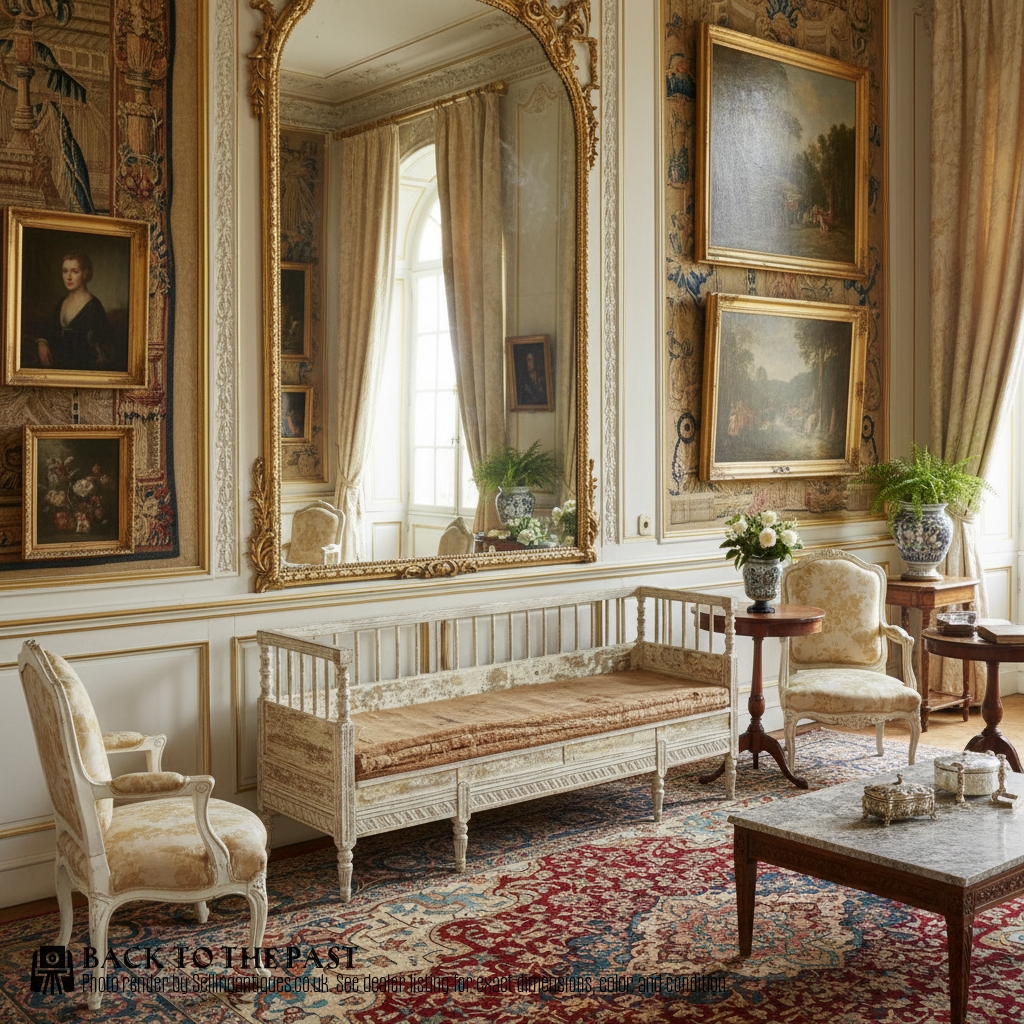
What a painted wooden settle is
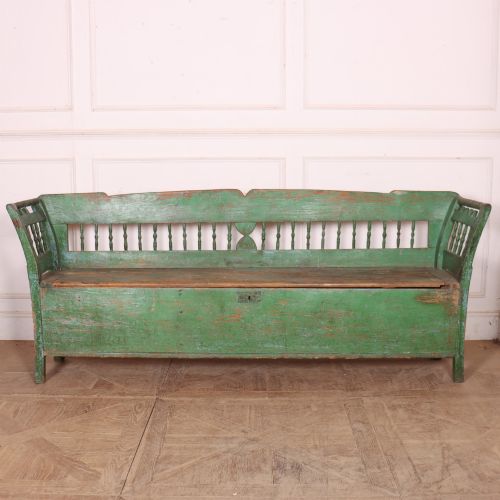
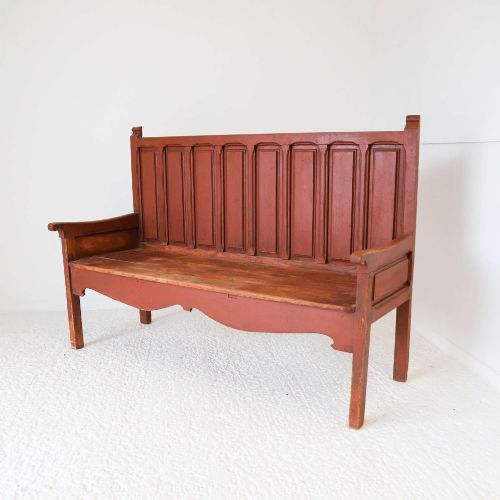
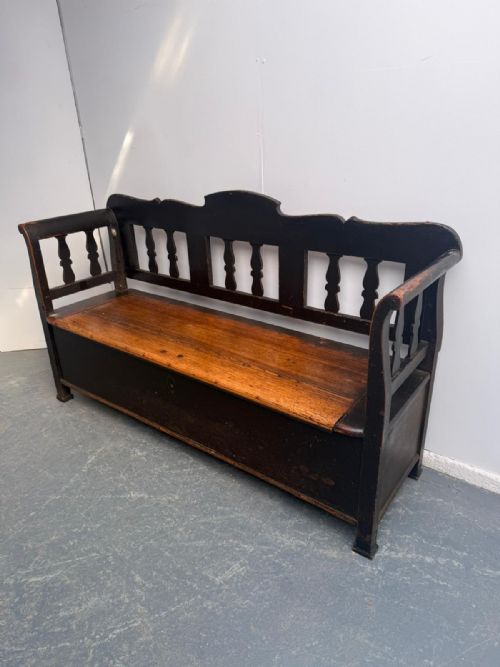
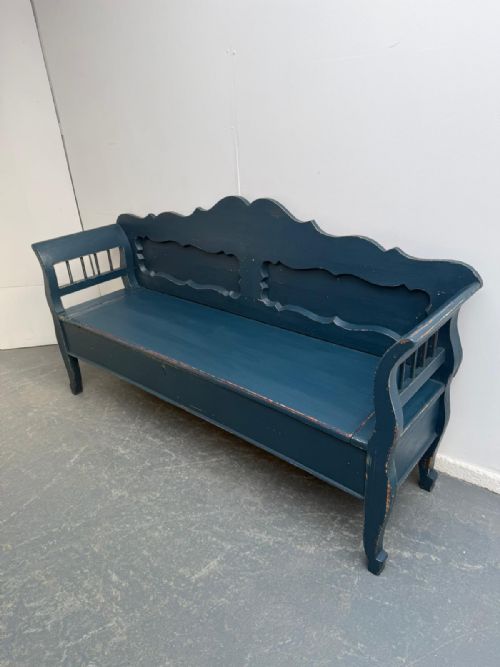
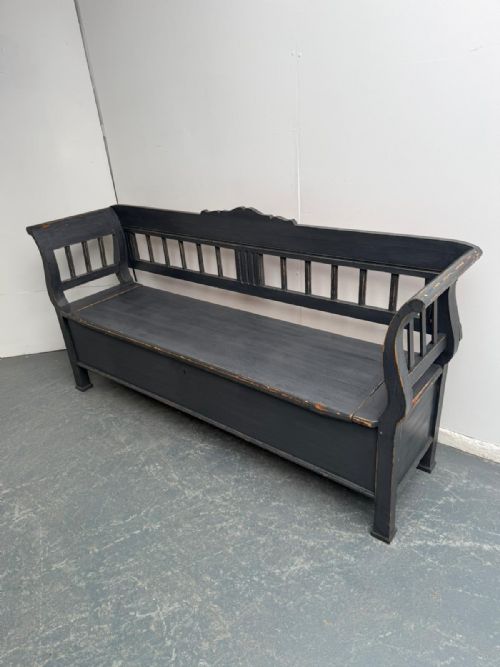
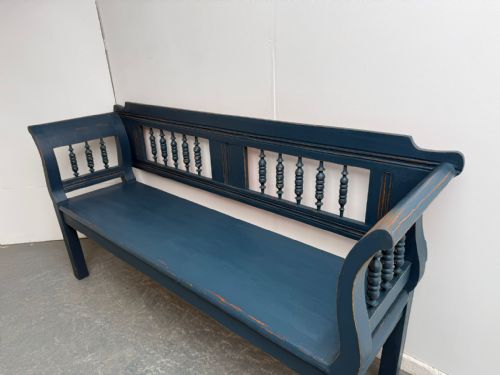
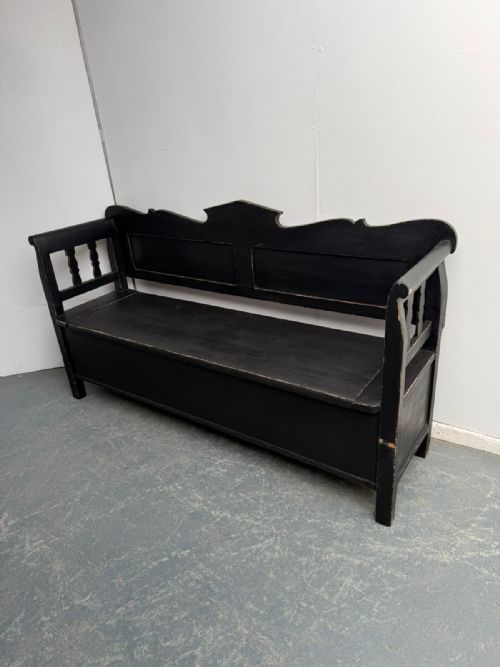
A painted wooden settle provides traditional bench seating, often featuring a high back designed to block draughts in older rooms. These pieces appear as tavern benches, corner seats, and long benches originating from English, Welsh, and Scandinavian traditions.
The painted wooden settle selection spans the eighteenth and nineteenth centuries, capturing country vernacular and folk art traditions. Buyers frequently encounter pine and timber constructions finished in historic painted surfaces.
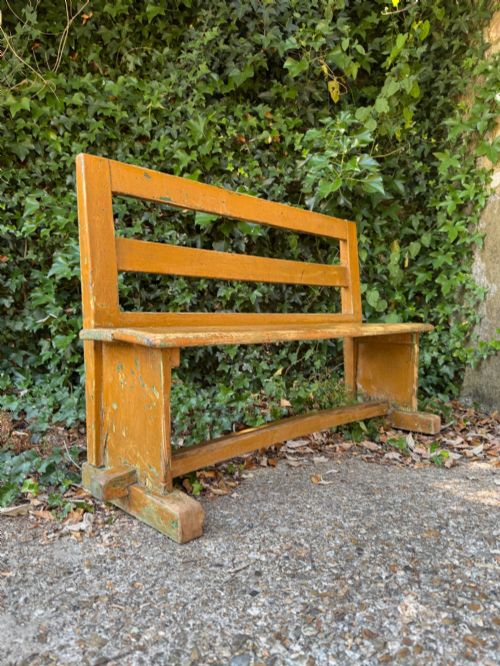
Different regional forms emerge across the listings, ranging from robust Welsh tavern benches to Scandinavian country benches and industrial railway pieces. Each variation reflects the specific domestic or public utility for which the timber seat was originally built.
How they were made
Makers utilised solid pine and general timber planks, joining panels and supports with traditional carpentry methods suited to robust daily use. Structural reinforcement occasionally incorporated cast iron elements, particularly in utilitarian or public seating.
Surfaces received layers of paint, ranging from simple protective coats to hand-painted folk art decoration. Over decades of use, these painted finishes developed natural wear and patination that reveal the age of the timber beneath.
Retail Price Guide 2026
Typical UK retail prices for painted wooden settle, calculated from the Sellingantiques database of over a million retail prices indexed since 2003. This retail price guide relies exclusively on Sellingantiques data; no external sources or auction records are used, so the figures do not describe the wider market.
Listings feature pine and general timber structures finished in paint, with origins spanning the eighteenth and nineteenth centuries.
What varies in quality
The distinction between standard utility benches and finer vernacular examples lies in the integrity of the original timber and the survival of early painted surfaces. Unaltered structural proportions and untouched historic paint finishes elevate certain pieces above later or heavily restored equivalents.
Folk art detailing and regional decorative motifs distinguish simpler utilitarian forms from more expressive European pieces. The depth of character in the surface patination dictates the overall visual strength of the settle.
The Painted Wooden Settle Glossary
- Settle
- A wooden bench with a high back, solid arms, and often a storage box beneath the seat, built to keep out cold draughts. These pieces formed the principal seat by the hearth in traditional homes.
- Vernacular
- Everyday furniture built by local craftsmen using regional styles and readily available woods rather than following formal London designs. This approach produced honest, functional pieces tailored to local domestic needs.
- Folk art
- Decorative painting and styling executed by self-taught makers or local artisans rather than academic artists. It provides naive, charming visual character to utilitarian wooden objects.
- Tavern bench
- A long, sturdy seating form constructed for commercial alehouses and public gathering spaces. These benches required exceptional durability to withstand heavy public use.
Frequently Asked Questions
Where did people put settles?
Historically, settles stood near the hearth in kitchens and living halls where high backs protected occupants from cold winter draughts. They also served in public taverns and waiting areas for communal seating.
Today, these benches suit modern hallways, boot rooms, and large kitchens as practical seating options that anchor a room.
How do I care for painted wood?
Protect antique painted surfaces by keeping them away from direct sunlight and maintaining stable indoor humidity levels. Dust gently with a dry cloth and avoid harsh chemical cleaners.
Allow the natural patination to age gracefully without attempting to strip or heavily refinish the historic paint layers.
Are eighteenth and nineteenth century benches different?
Earlier eighteenth century examples often display heavier timber construction and simpler joinery tied to domestic hearth use or tavern utility. Nineteenth century pieces sometimes introduce wider stylistic influences like folk art decoration or industrial elements.
Both periods rely on solid pine and timber frames built for endurance rather than delicate display.
Can I use a settle outdoors?
Original antique settles utilise historic pine and timber finishes that degrade rapidly when exposed to moisture and temperature swings. They belong indoors in dry environments to preserve the painted surfaces.
Outdoor placement will permanently damage the structural wood and historic paint.