
Painted Wooden Seating
Painted wooden seating delivers character through layered pigment on pine, oak, and beech, offering practical utility alongside distinct regional charm.
Painted Wooden Seating
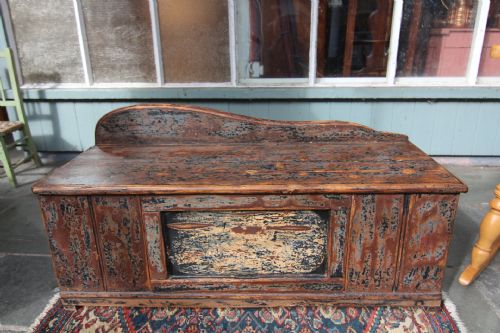
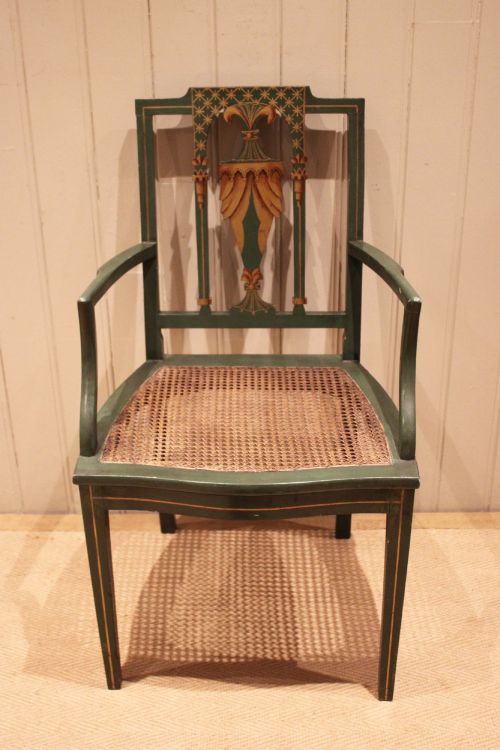
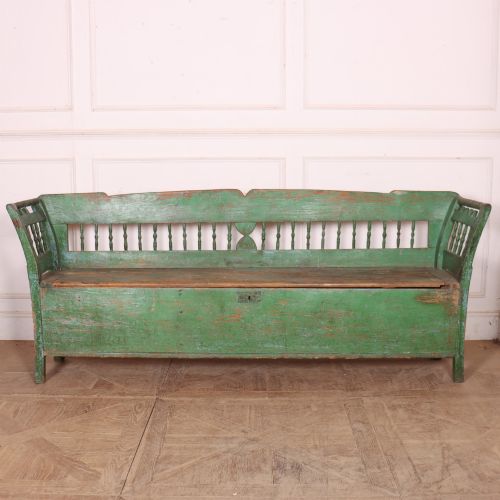
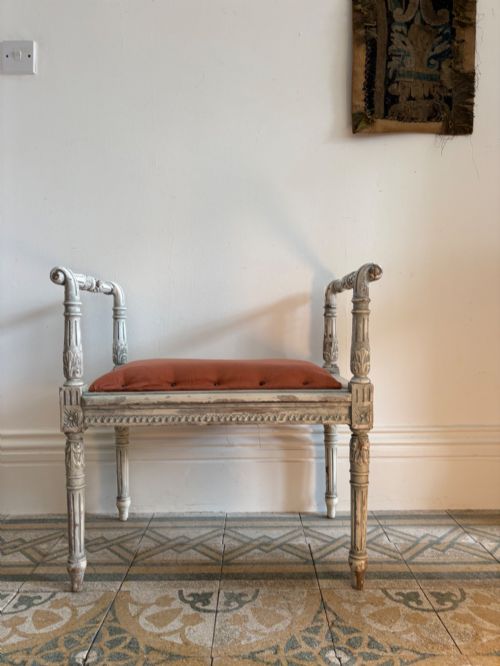
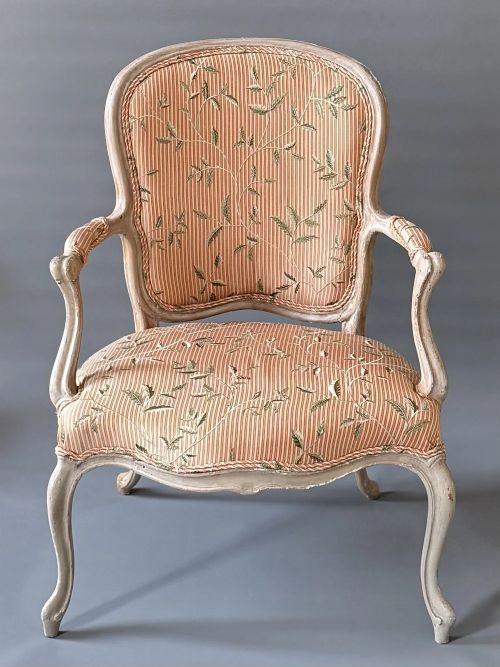
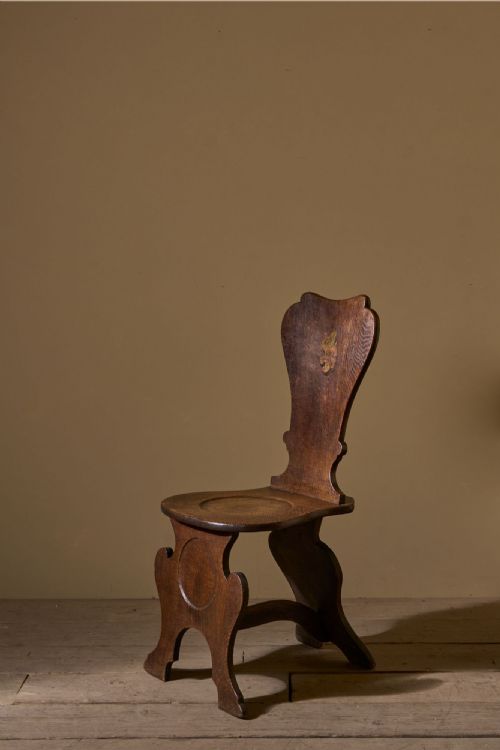
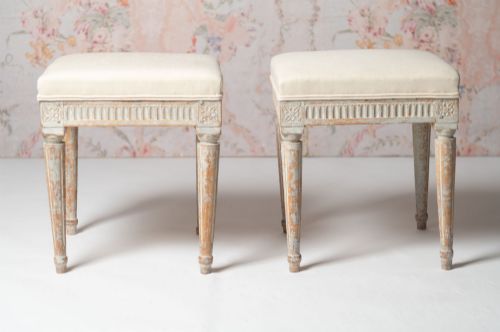
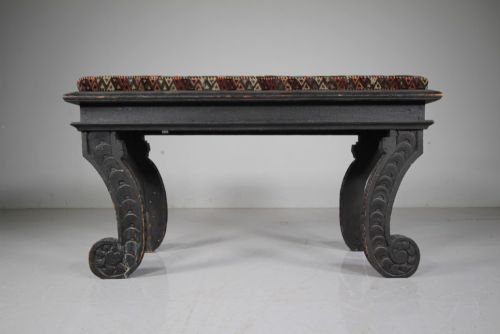
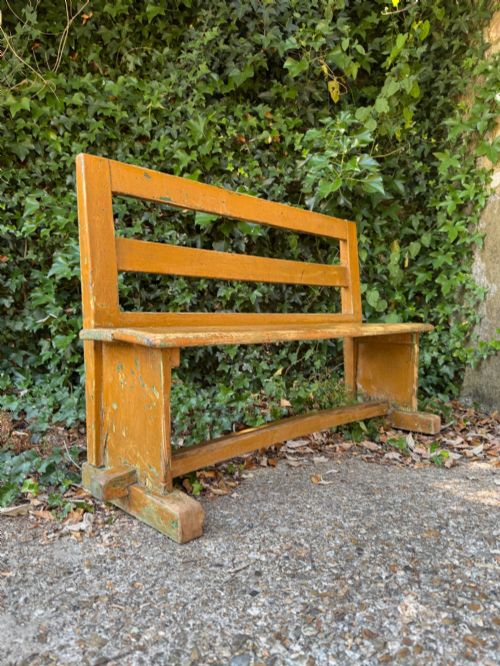
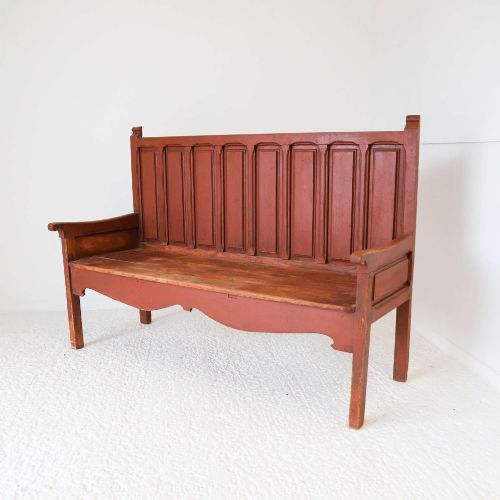
Painted wooden seating encompasses a diverse array of functional forms designed for domestic and garden use, spanning multiple centuries from the eighteenth through the early twentieth century. When exploring painted wooden seating, buyers frequently encounter regional European pieces, including Hungarian pine benches, Swedish Gustavian stools, and English country dining chairs.
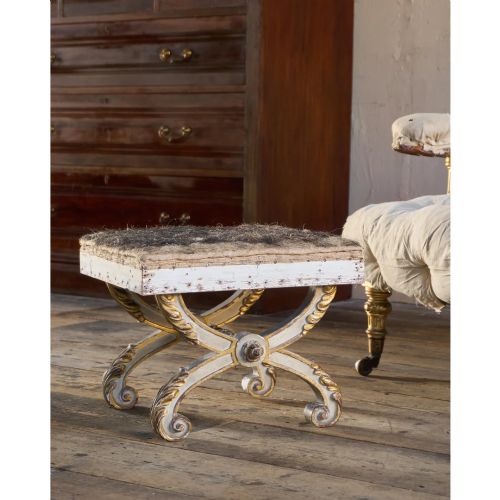
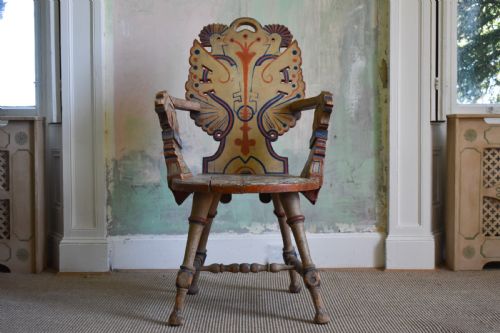
The selection ranges from compact milking stools and side chairs to expansive box settles and garden benches. Provincial items often display folk art motifs and original surface treatments, whereas formal examples reflect classical design vocabularies like Regency, Hepplewhite, and Louis XV styles.
Materials and Construction
Construction relies primarily on native timbers such as pine, oak, ash, elm, and beech, fashioned using traditional joinery techniques suitable for daily use. Surfaces receive layers of paint, sometimes over earlier schemes, utilising pigments that weather and age naturally over generations.
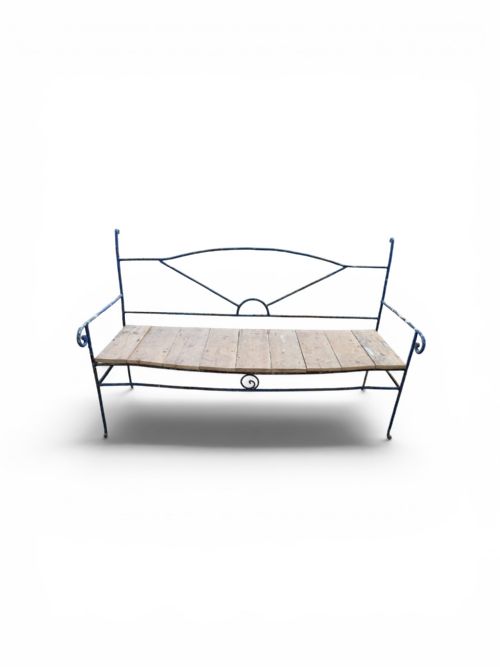
Seating areas incorporate alternative textures through woven rush, cane, silk, or upholstered pads, complementing the rigid wooden frames. Metal elements such as cast iron appear in outdoor garden settings, paired with timber slats or moulded to resemble natural wood grain.
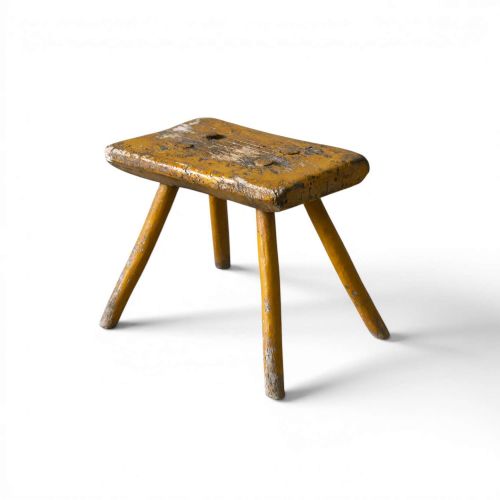
Eastern European milking stools appear splashed in defiant shades of ochre and green, ready for stubborn cows.
Quality and Surface Preservation
The distinction between ordinary and superior pieces rests largely on the survival of original surface finishes and early paint layers. Items retaining their untouched polychrome decoration or historic patinated pigment hold greater integrity than those stripped or aggressively refinished.
Structural honesty and restraint in subsequent restoration dictate the calibre of an item. Pieces maintaining their primary joinery, original seating webbings, and proportional balance demonstrate superior craftsmanship within their respective regional or stylistic category.
Coalbrookdale·Miles & Edwards
The Painted Wooden Seating Glossary
- Settle
- A wooden bench with high back, solid arms, and often a storage box beneath the seat. This form provided draught protection in early domestic interiors.
- Gustavian
- The Swedish neoclassical style developed during the late eighteenth century, characterised by restrained carving, fluted legs, and pale monochrome paintwork.
- Rush Seating
- Woven dried marsh grass used to form flexible, resilient seat pads within ladder-back and country chairs. This traditional technique provides lightweight comfort.
- Faux Bois
- A decorative technique mimicking the texture and grain of natural wood painted onto cast iron or alternative timbers. It gained popularity during the Victorian era for garden furniture.
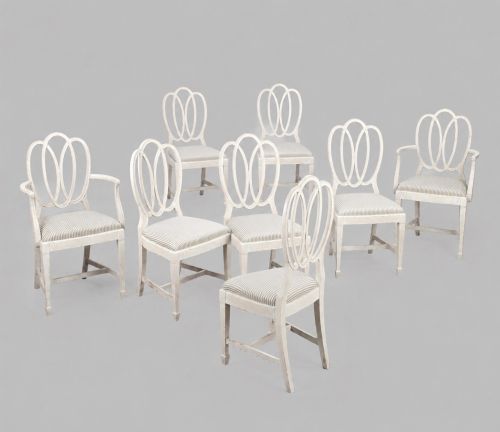
- Shield-Back
- A chair back design shaped like a classical shield, popularised during the Hepplewhite period. It frequently incorporates carved splats and painted ornamentation.
Painted Wooden Seating: Frequently Asked Questions
How do I clean painted wooden seating?
Dust surfaces gently using a dry, soft cloth to protect the underlying historic pigment. Avoid abrasive cleaning solutions or excessive moisture that might lift fragile paint layers.
Test any conservation products on a hidden underside area first. Preserving the historic surface requires minimal intervention and careful handling.
Are these pieces suitable for daily use?
Most sturdy chairs and benches remain practical for everyday seating when joints are secure. Lighter decorative items or antique stools with delicate frames suit gentler placement.
Inspect the structural stability regularly, especially around leg joints and seat fixings. Everyday use is entirely feasible with appropriate weight distribution and care.
How can I identify original paint?
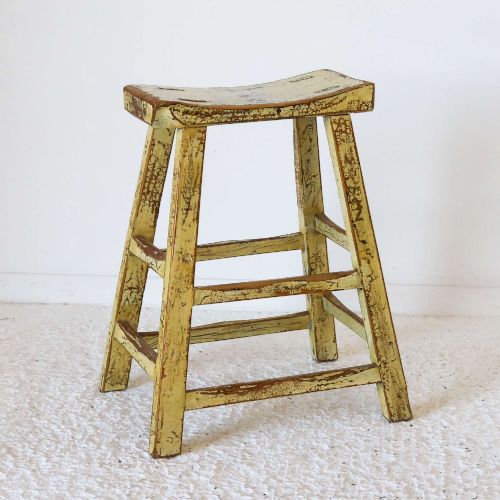
Original paint exhibits natural craquelure, subtle fading, and wear patterns consistent with age. Examination under magnification often reveals microscopic layers of accumulated dust and historic pigment application.
Modern repainting typically displays uniform opacity and lacks the deep integration with the underlying wood fibres. Comparing protected interior surfaces with exposed areas aids verification.
Where were box settles used?
Box settles traditionally stood near hearths in farmhouses and cottages to block cold draughts. The enclosed lower compartment served as secure storage for household goods or fuel.
Their high backs provided privacy and warmth in communal rooms. Over time, these versatile items transitioned into hallways and principal living spaces.