
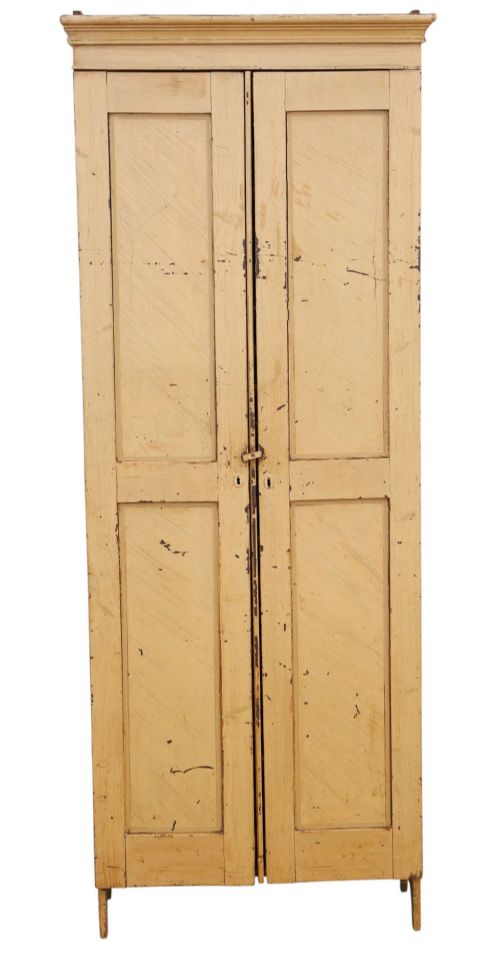
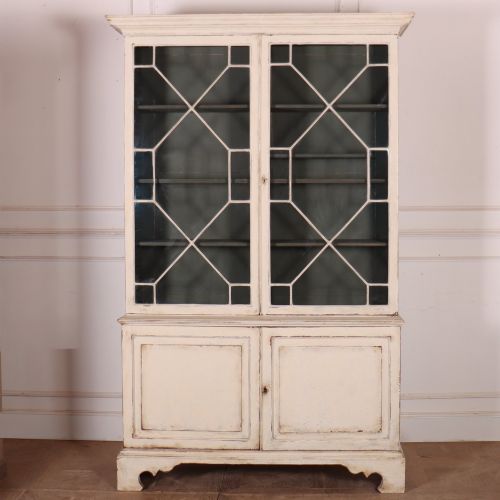
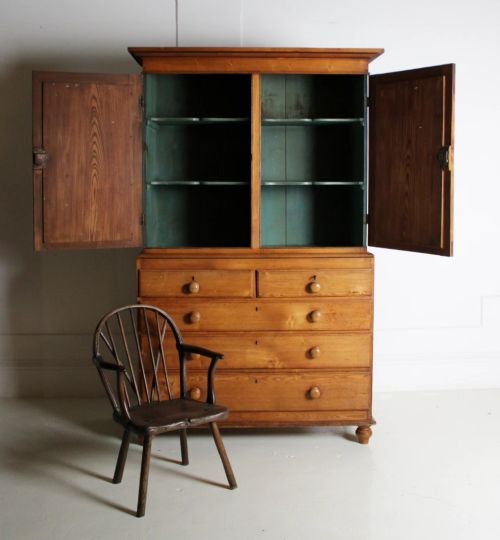
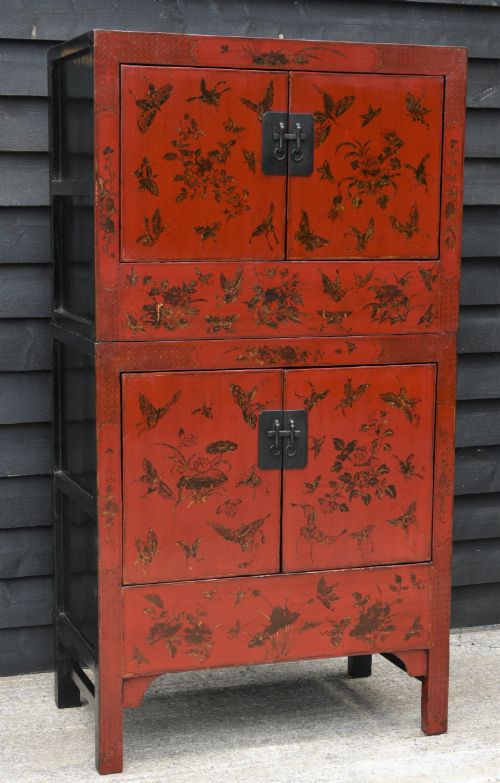
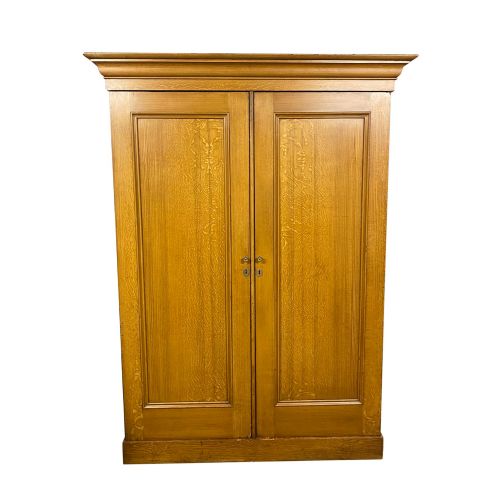
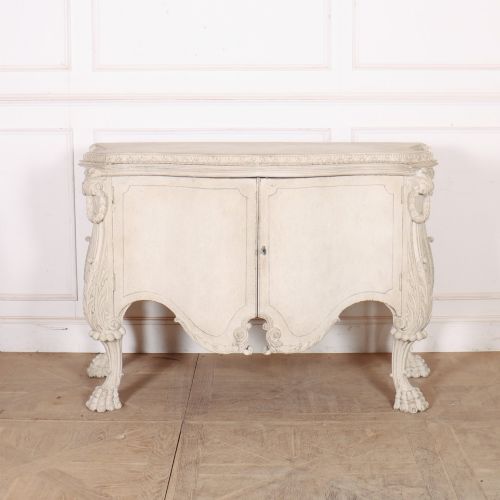
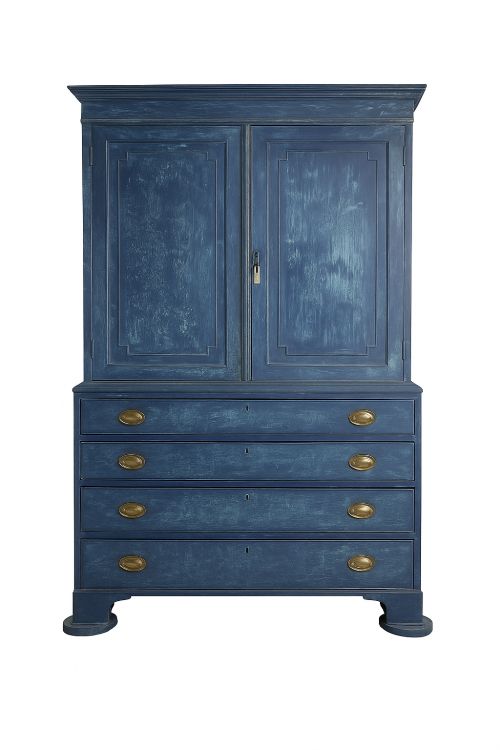
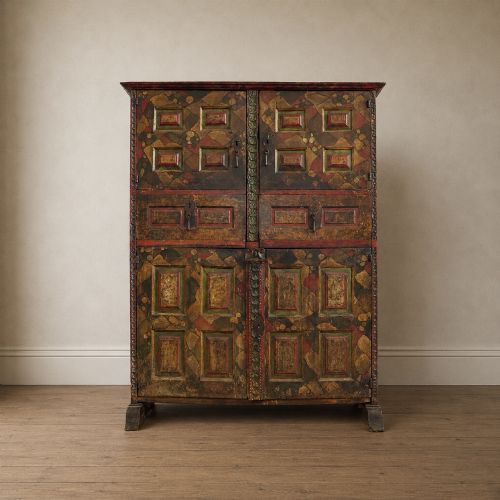
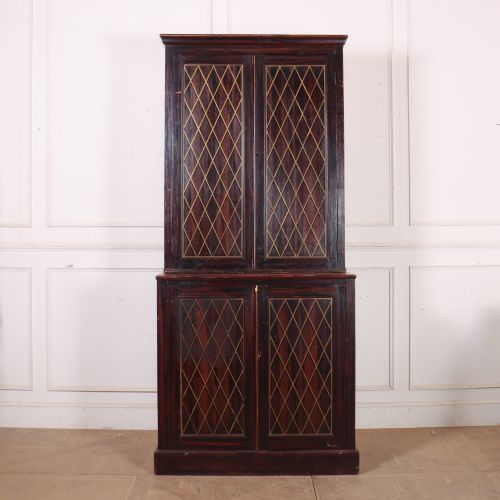
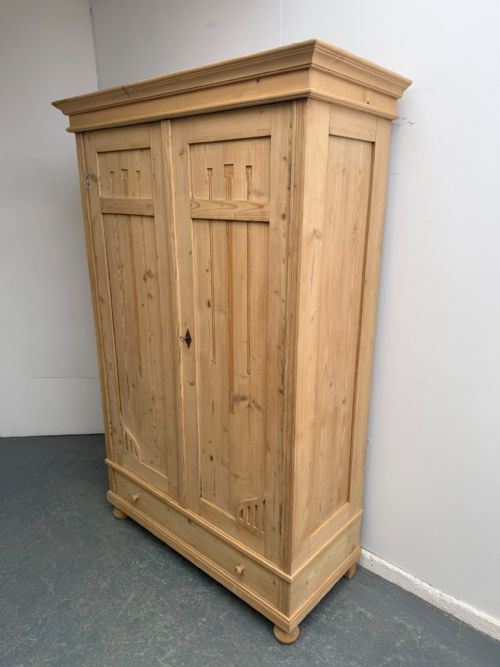
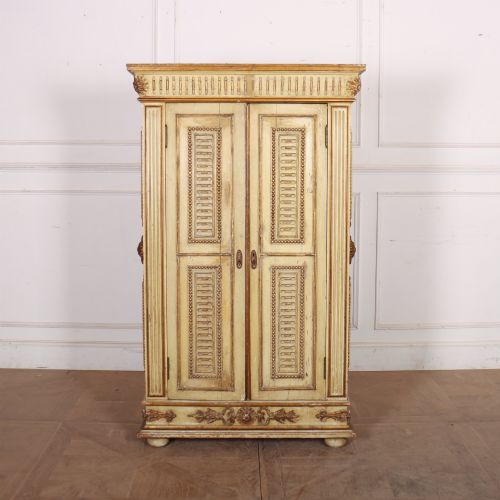
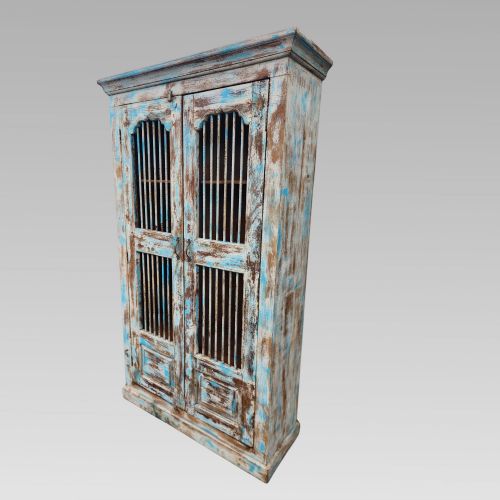
Painted Wooden Linen Press
A painted wooden linen press provides substantial storage while bringing character and history into a room.
Painted Wooden Linen Press
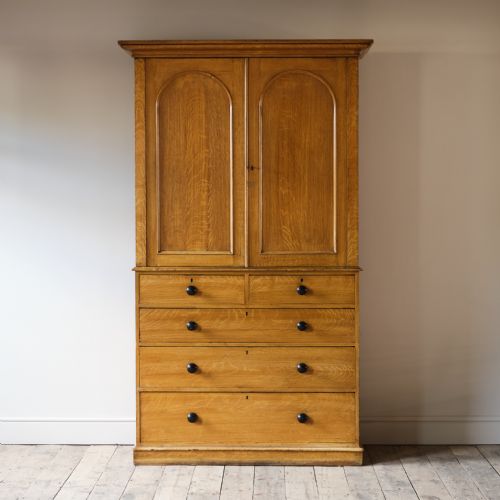
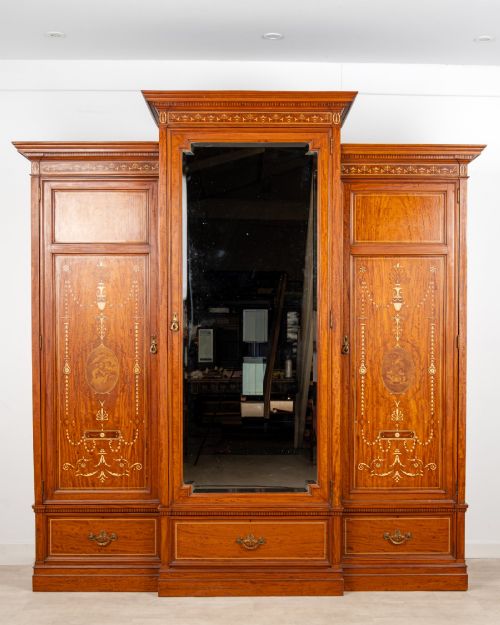
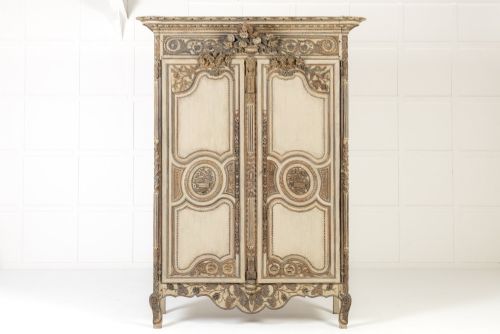
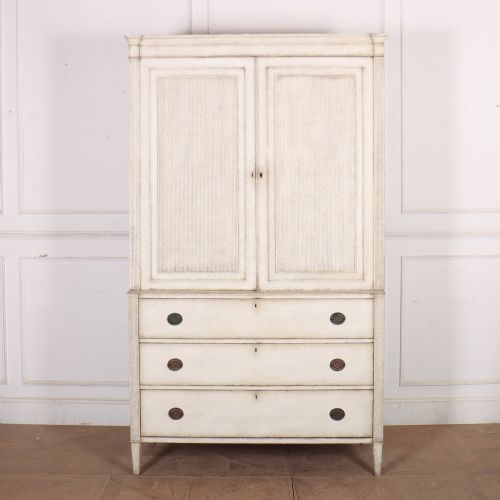
A painted wooden linen press is a large storage piece designed for garments and household textiles, frequently encountered in 18th-century, Georgian, and 19th-century forms. These pieces often originate from English, Scandinavian, and Italian country workshops, appearing as tall cupboards, armoires, and housekeeper's larders.
Buyers seeking this phrase commonly find substantial pine and hardwood carcasses finished in original or later decorative paint. Forms range from simple two-door country cupboards to grand triple wardrobes with glazed sections or fitted internal shelving.
How They Were Made
Maker construction relies heavily on solid pine, ash, and oak timbers assembled using traditional joinery, including pegged frames and panelled doors. Many examples are designed as knockdown furniture to allow easier transport and relocation within domestic interiors.
Surfaces receive protective coatings of historical paint schemes, including scumble faux-oak finishes, polychrome pigments, and hand-applied layers of cream, blue, or red lacquer. Iron and brass hardware such as hinges, latches, and escutcheons secure the heavy doors.
Several cupboards show traces of forgotten domestic life, from handwritten pantry notes scrawled on interior shelves to centuries of accumulated multi-coloured paint layers.
What Varies in Quality
Quality rests significantly in the originality and condition of the painted surface, with untouched historic pigments commanding higher regard than later overpainting. The integrity of the underlying timber framework and the survival of original iron or brass fittings also dictate value.
Proportion and scale distinguish finer vernacular examples, where well-balanced cornices and panel proportions elevate a utilitarian storage piece into a decorative focal point. Pieces retaining internal shelving layouts and original backing boards demonstrate superior domestic utility.
The Painted Wooden Linen Press Glossary
- Linen press
- A tall storage cabinet historically used to store folded sheets and garments, often combining upper cupboard space with lower drawers.
- Scumble paintwork
- A decorative surface technique involving translucent glaze manipulated over a pale ground to imitate the grain of more costly hardwoods like oak.
- Knockdown wardrobe
- A large piece of case furniture engineered to dismantle into modular panels and sections for transport without permanent damage to the joints.
- Polychrome
- Decoration employing multiple distinct colours applied to wood surfaces, frequently seen in continental European folk furniture.
- Housekeeper's cupboard
- A capacious utility cabinet originating in large country houses for storing provisions, linen, and household stores.
Painted Wooden Linen Press: Frequently Asked Questions
How do I clean a painted wooden linen press?
Dust surfaces regularly with a soft, dry cloth to prevent accumulation. Avoid modern chemical sprays or abrasive cleaners that soften historic paint layers.
Feed exposed dry timber sparingly with appropriate natural wax where the paint has worn thin. Keep the cabinet away from direct heat sources to prevent timber shrinkage and paint flaking.
Were these pieces always used for linen?
While originally designated for storing household textiles and folded garments, these large cupboards adapted to changing domestic needs over centuries. They served as larders for provisions, kitchen storage for crockery, and general hanging wardrobes.
Today, buyers repurpose them across the home as hallway storage, bedroom wardrobes, or living room bookcases depending on the internal configuration.
How do I distinguish 18th-century pieces from later copies?
Examination of the construction joints, timber tool marks, and nail types reveals the age of the carcass. Hand-forged iron hardware and old pegged mortise-and-tenon joints indicate earlier manufacturing periods.
Paint analysis helps determine whether the finish is contemporary to the wood or applied during a later decorative campaign. Look for natural wear patterns around handles and keyholes that accumulate over generations of use.