




Painted Wooden Hall Chair
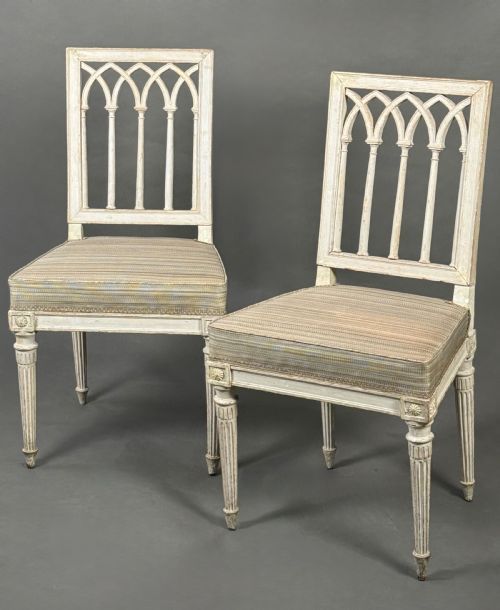
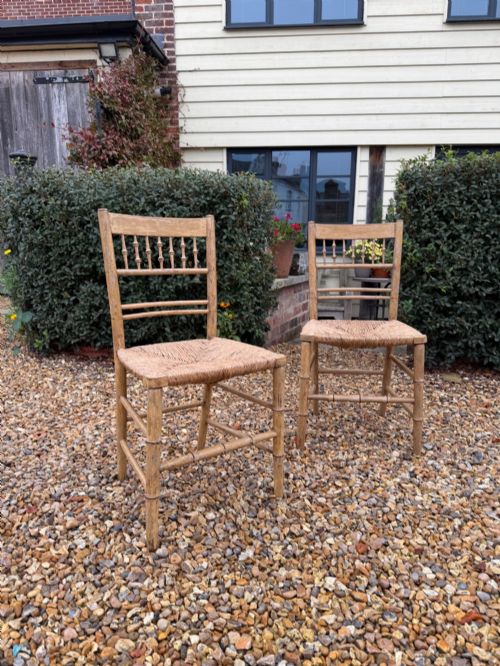
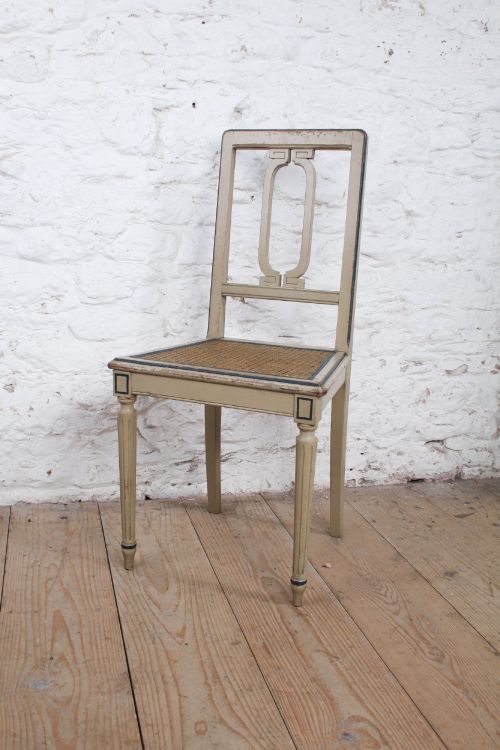
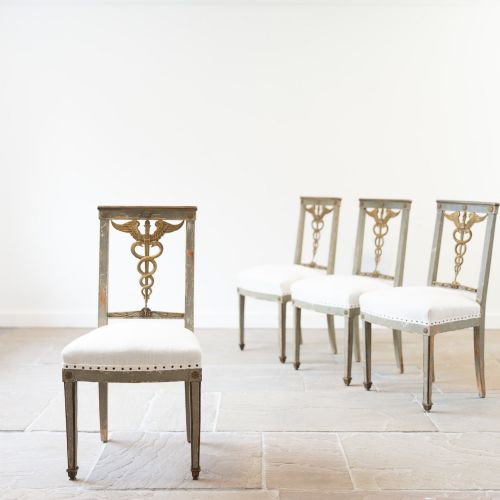
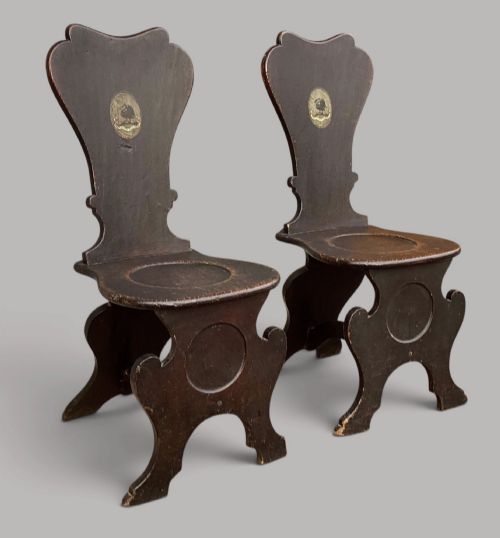
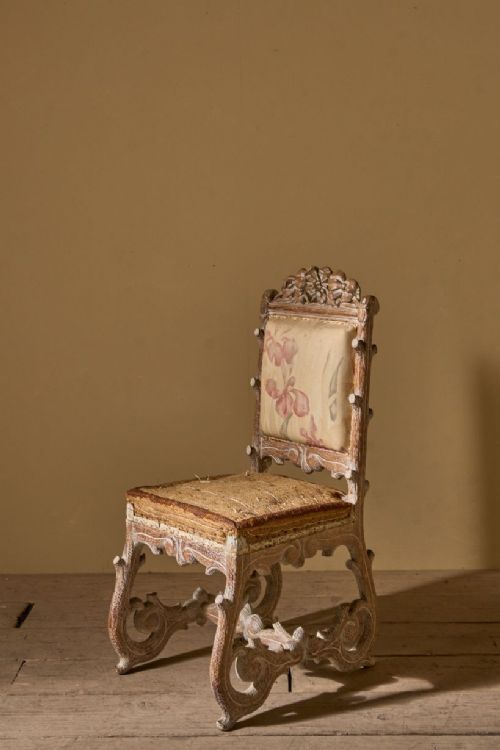
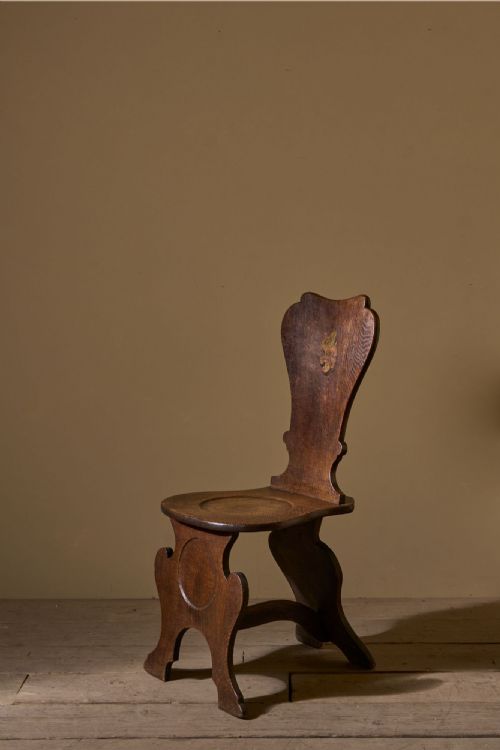
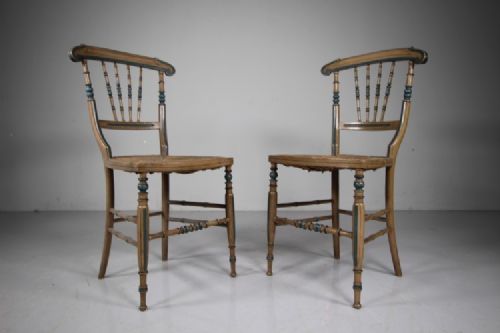
A painted wooden hall chair stands ready in the corridor, offering a striking anchor for an entranceway.
Painted Wooden Hall Chair
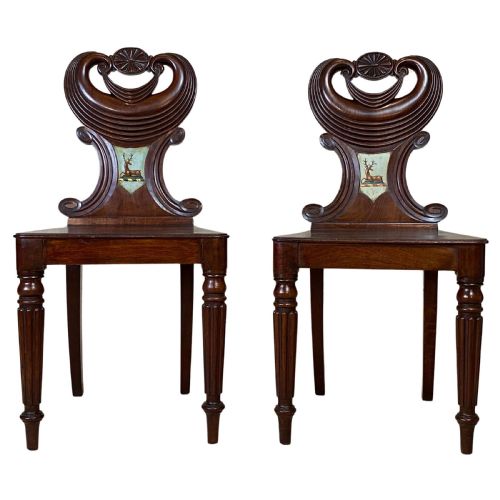
When you search for a painted wooden hall chair, you encounter seating designed historically for entrance halls, vestibules and corridors rather than long periods of domestic lounging. These pieces range from upright wooden forms with solid seats to grander armorial examples created to display heraldry, lineage or family crests.
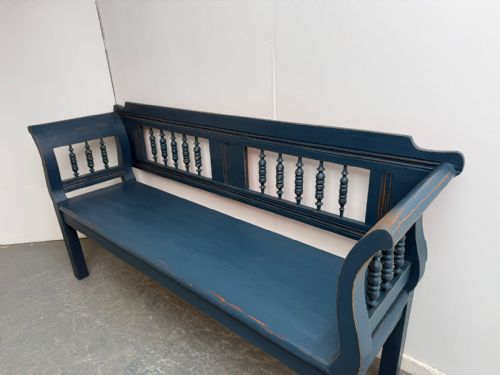
The selections span numerous periods and regional tastes, stretching from seventeenth-century carved walnut polychrome designs to nineteenth-century continental folk chairs, Regency mahogany statements and Victorian pine settles. You are most likely to meet sturdy wooden frames featuring original or later paint finishes, often enhanced with painted crests, shields or decorative motifs.
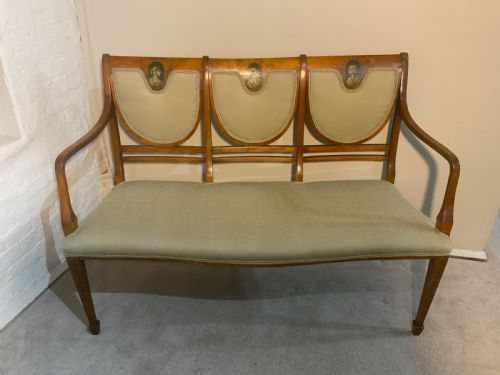
Beyond the classic single seat, related forms in this tradition include benches, settles and side chairs sharing the same upright, decorative character. They serve equally well today as focal points in modern hallways or as statement seats in living spaces where floor space is at a premium.
What varies in quality
The distinction between standard utility seating and exceptional examples lies primarily in the crispness of the carving and the ambition of the design. Pieces originating from documented workshops or featuring intricate armorial painted backs demonstrate superior craftsmanship compared to plain vernacular equivalents.
Preservation of the original surface finish dictates much of the standing of an individual piece within its type. A painted wooden hall chair retaining its early or original decorative scheme carries greater visual integrity than one stripped to bare timber or subjected to unsympathetic modern repainting.
Painted Wooden Hall Chair Retail Price Guide 2026
Typical asking prices for painted wooden hall chair among the pieces listed under this phrase on Sellingantiques today, from the lower quarter to the upper quarter. They describe what is for sale here now, not the wider market.
Some historic sitters spent their wait staring into the painted eyes of their own family crest.
Gillows·White, Allom & Co.
The Painted Wooden Hall Chair Glossary
- Armorial
- Bearing a heraldic coat of arms or family crest. These painted or carved motifs were frequently added to hall seating to display lineage and status.
- Shield back
- A chair back shaped in the outline of a heraldic shield. This design gained immense popularity during the Georgian and Regency periods.
- Faux bois
- An artistic imitation of wood grain applied to a painted surface. Craftsmen utilised this technique to give ordinary timbers the appearance of exotic woods.
- Polychrome
- Decorated in multiple colours. This term describes painted surfaces employing a varied palette rather than a single flat tone.
- Scabello
- A type of Renaissance stool or light chair featuring solid trestle supports rather than four legs. These Italian-inspired seats often doubled as hall furniture.
Painted Wooden Hall Chair: Frequently Asked Questions
Where were hall chairs placed historically?
These seats stood primarily in grand entrance halls, corridors and vestibules of large houses. Guests and visitors waited upon them while awaiting admittance to the main rooms.
Because they were intended for brief waiting rather than lounging, their designs prioritised upright posture and visual impact over deep cushioning.
How do I care for a painted surface?
Maintain painted timber by dusting gently with a dry, soft cloth and keeping the piece away from direct sunlight and dramatic temperature shifts. Avoid harsh modern cleaning products that can lift or soften historic paint.
Wax should be applied only if the specific finish is compatible, as many old painted surfaces require no treatment beyond careful maintenance.
Can I use a hall chair daily?
These sturdy wooden seats handle everyday use well, provided the joints remain tight and the timber stable. Their upright form encourages good posture in modern hallways or dining spaces.
Place protective pads beneath the feet if the chair sits on hard flooring to prevent unnecessary friction and wear over time.
What defines an armorial chair?
An armorial piece displays painted or carved family coats of arms, crests or heraldic symbols directly on the backrest. Commissioned by prominent families, these items reinforced social standing within the entrance hall.
The presence of such heraldry often links the seating to specific historical households or maker attributions.
How do I distinguish regional styles?
Regional variations appear through the choice of primary timber, such as pine in Hungarian folk pieces versus mahogany in Regency English examples. Local painting traditions and decorative motifs also signal the geographic origin of the workshop.
Examining construction methods alongside the paint palette helps clarify whether a piece belongs to British cabinetmakers or continental folk traditions.