

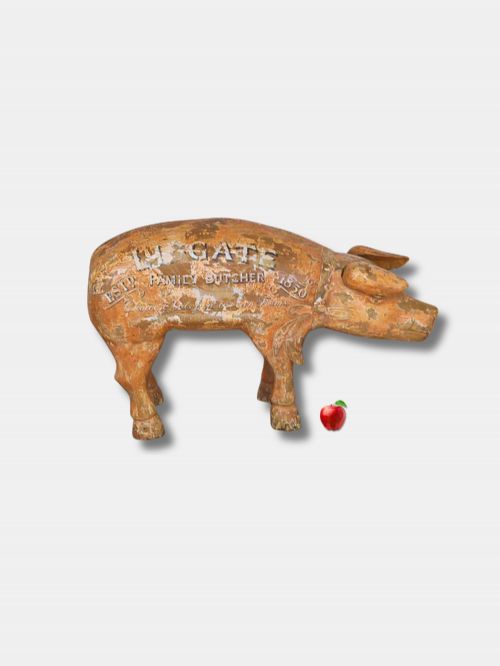
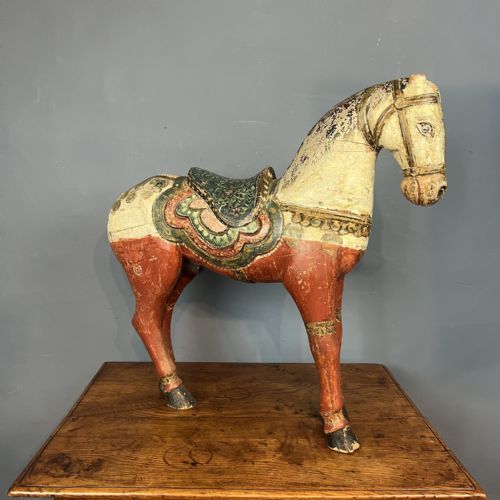

Painted Wooden Figure
When you handle a painted wooden figure, you hold centuries of hands-on folk tradition and trade history.
Painted Wooden Figure
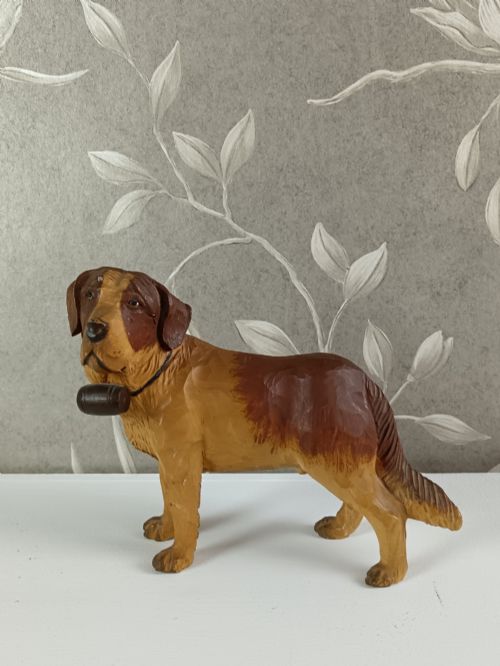
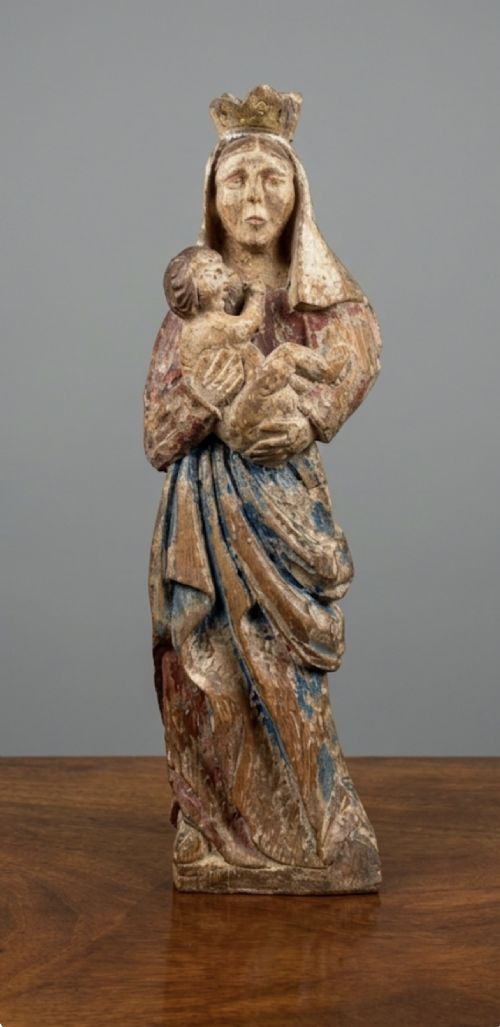
A painted wooden figure brings together centuries of carving and surface decoration, spanning domestic saints, trade signs, and animal sculptures. You will frequently encounter nineteenth-century examples, alongside older eighteenth-century devotional carvings and twentieth-century display pieces.
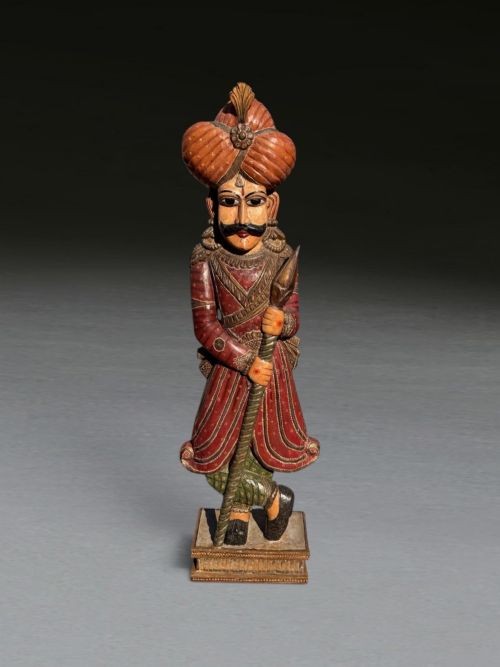
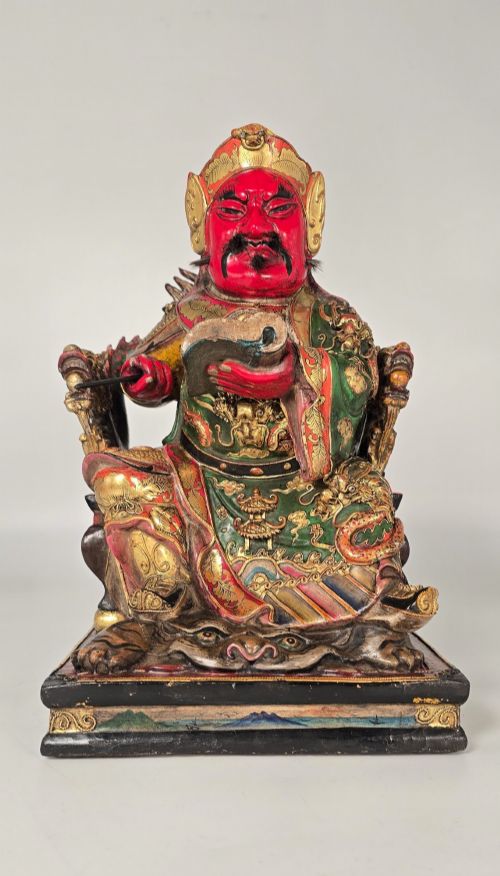
The category encompasses diverse regional traditions, from European folk art and church statuary to commercial trade figures and Asian lacquered works. These objects served roles ranging from shop displays and architectural ornaments to private devotional shrines and children's toys.
Makers ranged from village joiners and folk carvers to specialised urban workshops producing commercial figures for tobacconists and butchers. Each piece reflects the functional demands of its original setting, whether a French butcher shop or an Italian household.
Materials and construction
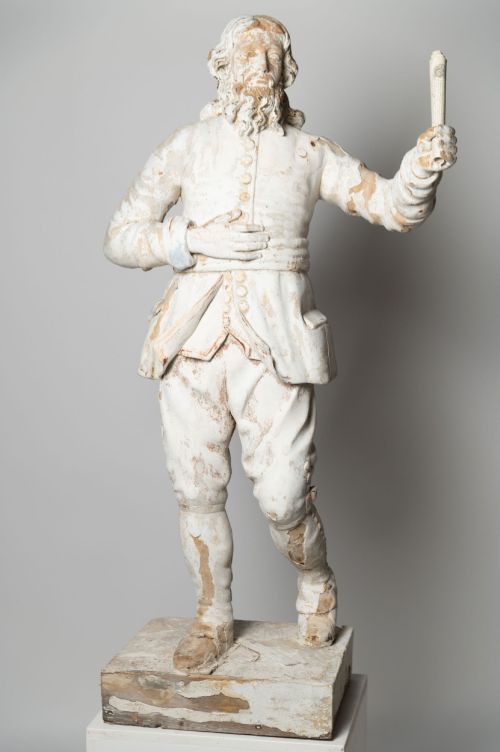
Carvers shaped these sculptures from various regional timbers, applying foundational layers of gesso to smooth the grain before painting. Surface decoration relies on oil paint, polychrome pigments, and occasionally gold leaf or lacquer to build depth and colour.
Commercial and folk pieces often combined carved wooden bodies with iron bracing or structural elements for stability, particularly in larger trade figures and automata. Paint layers were built up in successive coats, sometimes protected by varnish that darkened over generations.
Materials recorded span carved wood, gesso, polychrome paint, oil paint, gold leaf, and iron.
Assessing quality and character
Quality rests in the confidence of the carving and the integrity of the original surface paint rather than surface polish. An expressive gesture and assured tool marks distinguish competent workshop production from mechanical mass output.
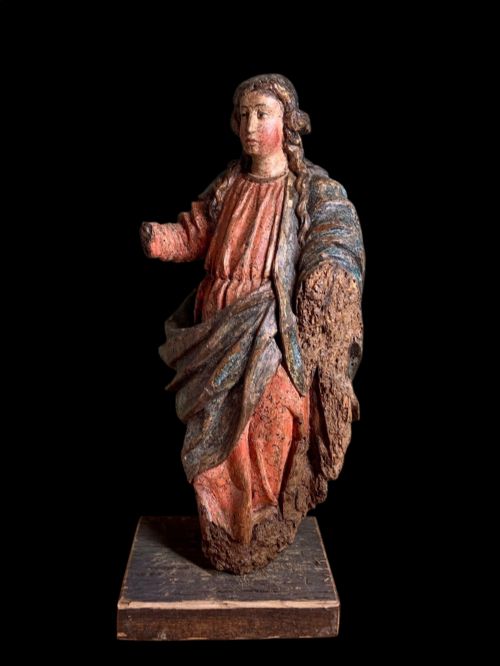
The survival of untouched polychrome paint significantly defines the appeal of a piece, as later overpainting obscures the original hand. Proportion, anatomical understanding, and the character captured in the face separate ordinary utilitarian objects from superior sculpture.
H.S Andy Anderson·Alfred John Bouchette·Thomas Barker of Bath
The Painted Wooden Figure Glossary
- Polychrome paint
- Colourful surface decoration applied to sculpture using multiple pigments. This technique allowed carvers to render realistic clothing, flesh tones, and decorative patterns on wood.
- Gesso
- A plaster-like mixture applied as a ground to wooden surfaces before painting. It provided a smooth, stable base that improved paint adhesion.
- Dummy board
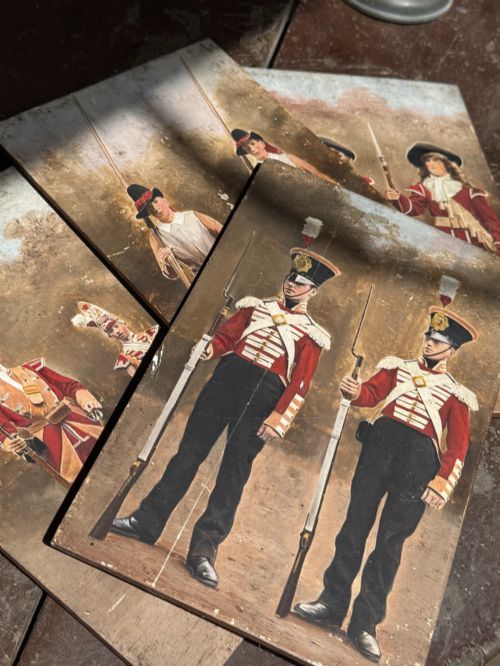
- A flat, painted wooden figure cut to human silhouette and placed in rooms to surprise visitors. Also known as silent companions, these objects date back to the seventeenth century and continued into the Victorian era.
- Trade figure
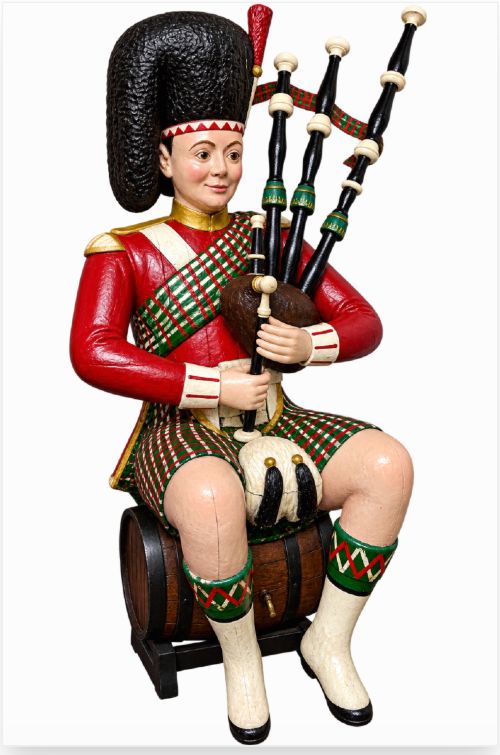
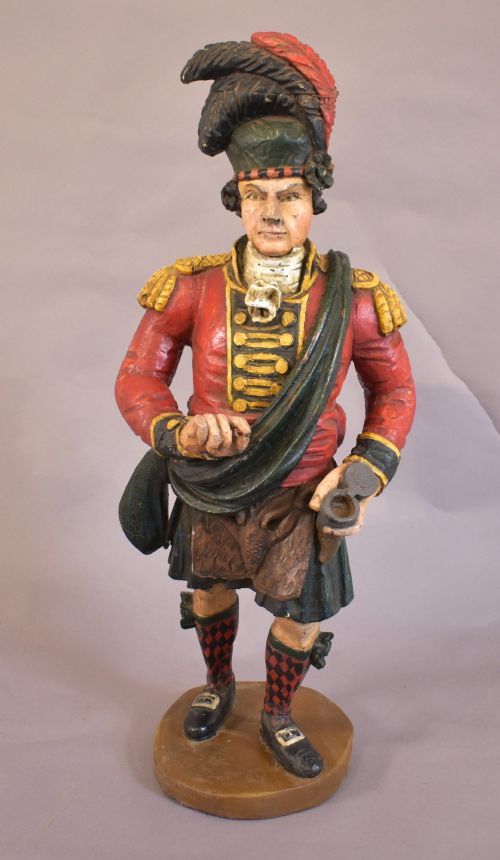
- A large carved sculpture displayed outside a shop to advertise specific goods. Common examples included highlanders for tobacconists and butchers' figures.
- Folk art
- Utilitarian or decorative objects made by self-taught or provincial artisans outside academic traditions. These pieces prioritise direct expression over classical proportion.
Painted Wooden Figure: Frequently Asked Questions
What is a painted wooden figure?
A painted wooden figure is a carved sculpture finished with pigments, gesso, or lacquer, encompassing everything from religious saints to shop display models.
These pieces were produced across various centuries for commerce, devotion, or domestic display by regional carvers and workshops.
How were trade figures used?
Trade figures stood outside or inside shops to advertise specific merchandise to passing customers. Tobacconists utilised highlanders and American Indians, while butchers displayed carved livestock and soldiers.
Over time, these heavy figures transitioned from working commercial advertisements to sought-after decorative objects.
How do I date an antique wooden figure?
Dating relies on examining the timber species, tool marks left by the carver, and the composition of the paint layers. Eighteenth-century pieces often show hand-adzed backing and traditional gesso grounds, while nineteenth-century works display different wear patterns and stylistic conventions.
Analysing the clothing style and regional origin also helps narrow down the period of manufacture.
How do I care for painted wood?
Painted wooden sculptures require stable indoor humidity and protection from direct sunlight to prevent the timber from splitting and the paint from flaking. Dusting gently with a dry, soft brush is sufficient for routine maintenance.
Avoid using water, chemical cleaners, or modern polishes that can permanently damage fragile historic paint surfaces.