
Painted Wooden Cupboard Doors
Painted wooden cupboard doors bring character to interiors through aged surfaces and traditional joinery.
Painted Wooden Cupboard Doors
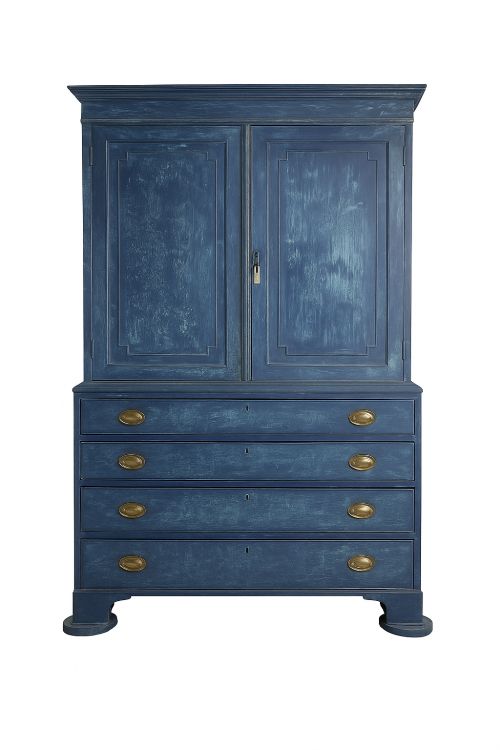
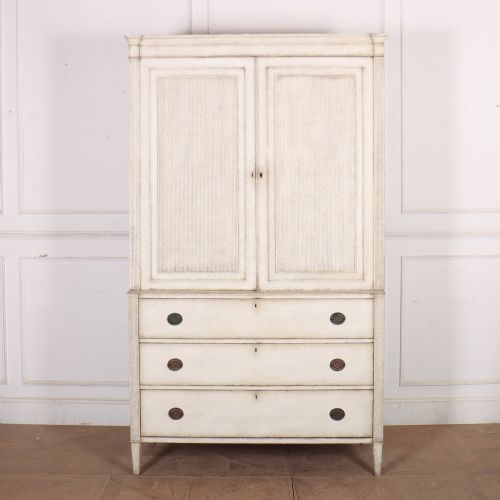
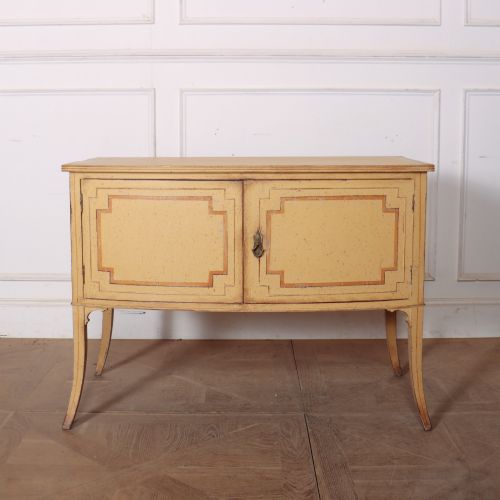
When searching for painted wooden cupboard doors, buyers encounter architectural salvage elements and panels derived from larger storage furniture such as wardrobes, linen cupboards, and dressers. These items originate predominantly from the eighteenth and nineteenth centuries, spanning periods including the Georgian and Victorian eras.
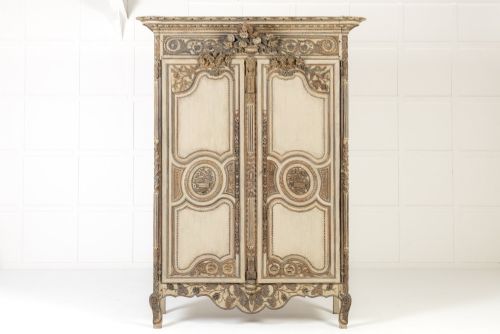
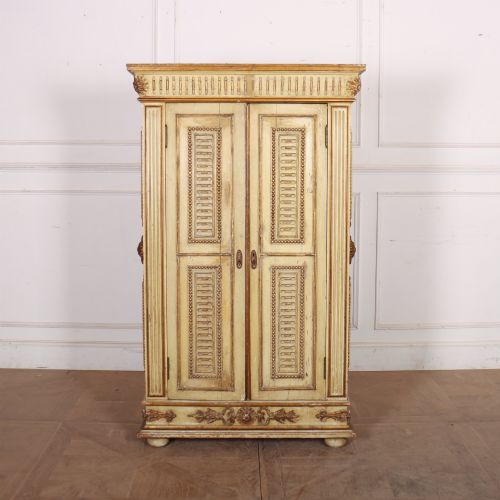
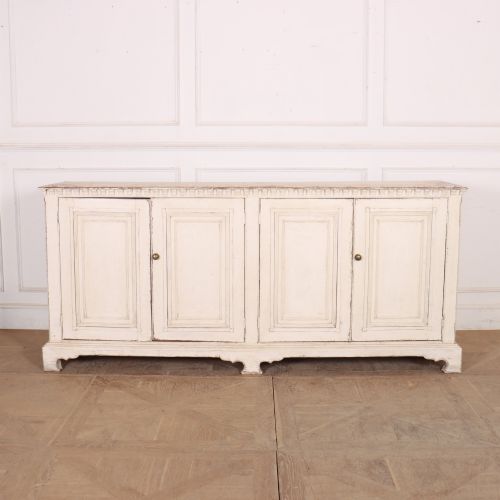
The most common examples on this page stem from European and British country houses, taking the form of pine or oak panels decorated with historic paint layers, scumble glazes, or original distressed finishes. Pieces reflect regional traditions from England, France, Scandinavia, and Italy.
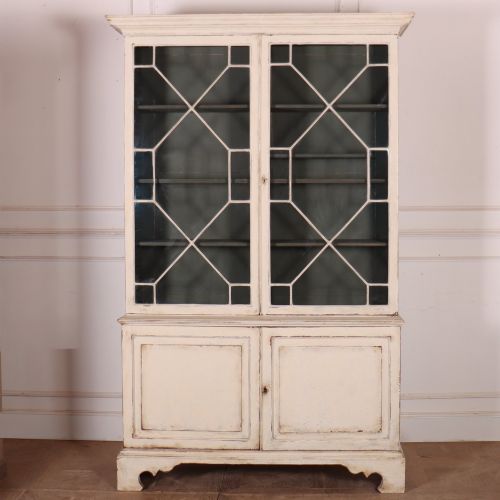
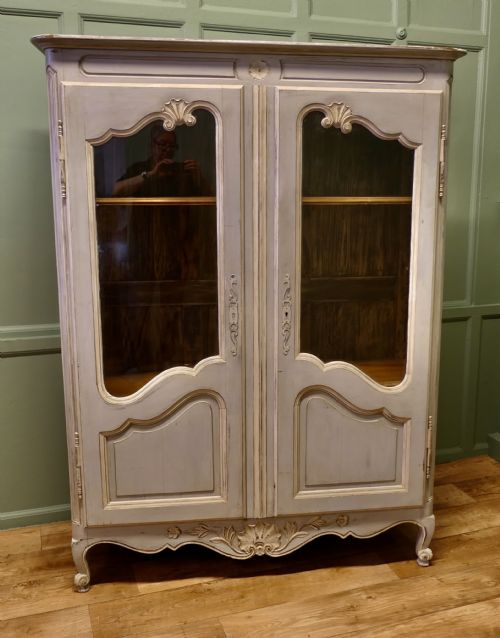
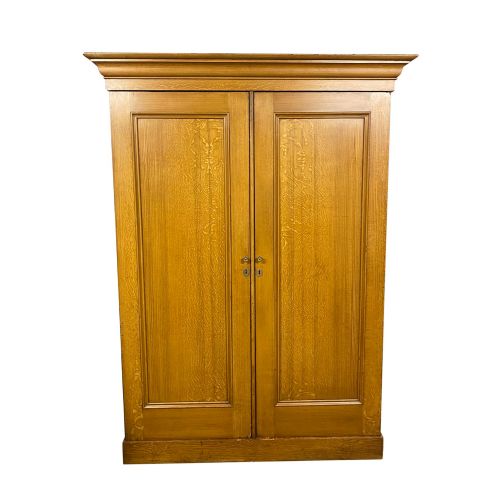
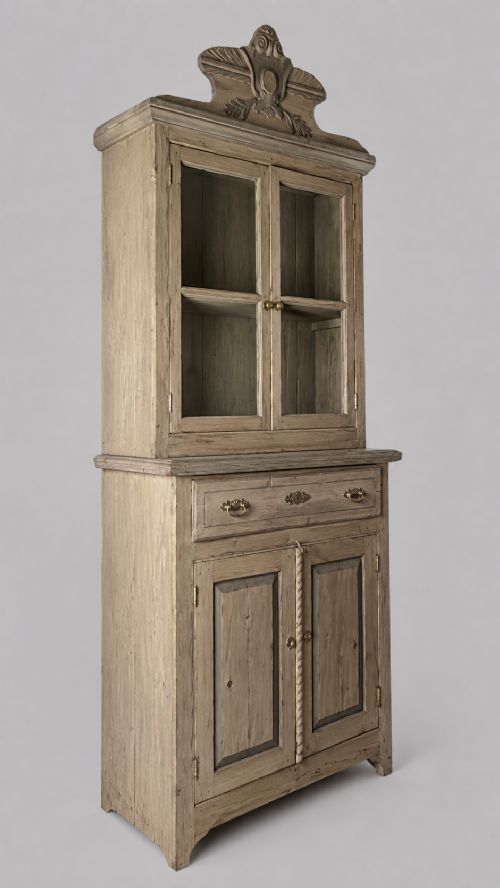
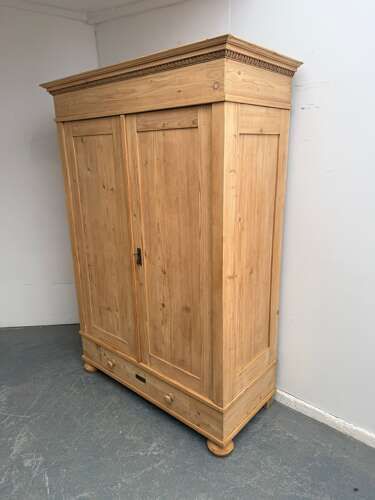
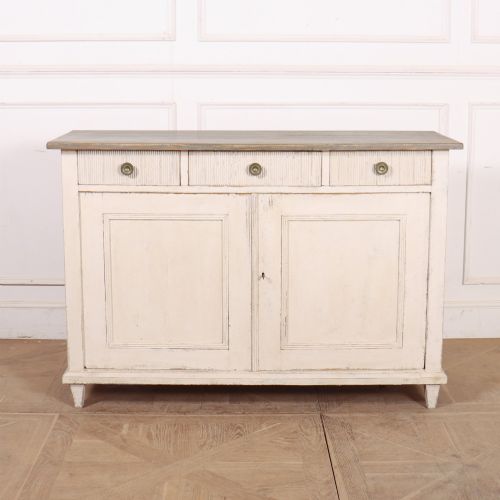
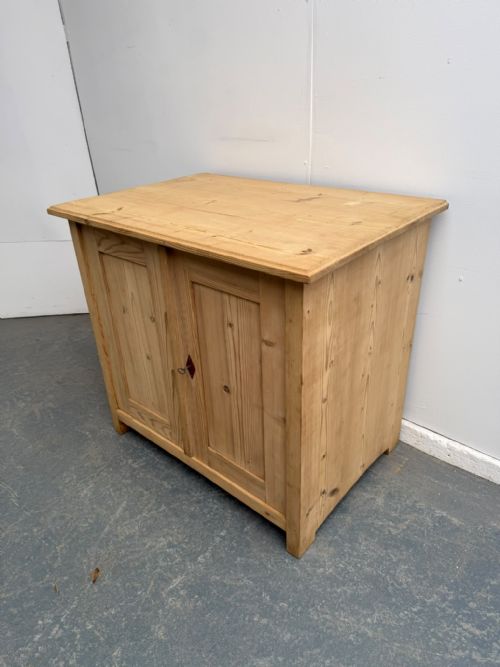
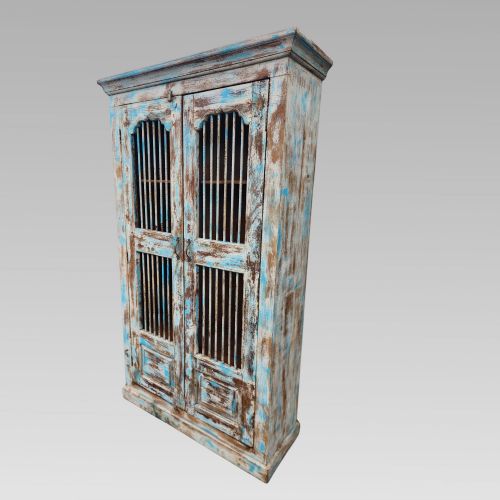
Objects range from simple two-door pine wardrobe panels to glazed bookcase fronts and carved provincial cupboard doors. Each piece retains hardware such as brass or iron hinges and handles that correspond to its period of origin.
Materials and Construction
Makers relied on native timbers such as pine and oak, constructed using traditional frame and panel joinery to accommodate wood movement over time. Iron and brass hardware, including strap hinges and latches, fastened the doors securely to their original frames.
Surface decoration involved oil-based paints, lead paints, or scumble finishes designed to imitate finer grain patterns like oak. Subsequent layers of wax or paint accumulated over decades, creating the characteristic patinated surfaces observed today.
Listings feature items dated from the eighteenth century through to the 1930s, constructed predominantly in pine, oak, and painted wood.
Factors of Quality
Superior examples exhibit original, untouched surface treatments rather than modern repainting, preserving the historical depth of colour and texture. The integrity of the underlying timber joinery, free from excessive warping or structural degradation, dictates the grade of the piece.
The presence of period-correct iron or brass furniture, alongside hand-carved details or regional decorative flourishes, separates standard utilitarian panels from finer examples of provincial cabinetmaking.
The Painted Wooden Cupboard Doors Glossary
- Scumble paint
- A decorative technique involving a translucent glaze dragged over a lighter base coat to simulate wood grain or create mottled texture. This finish appeared frequently on nineteenth-century functional furniture.
- Frame and panel
- A method of construction where a central wooden panel floats within a grooved outer frame to allow for expansion and contraction caused by humidity changes.
- Pine
- A soft timber utilised extensively across European country furniture for its workability and availability. It accepted paint layers readily during production.
- Enfilade
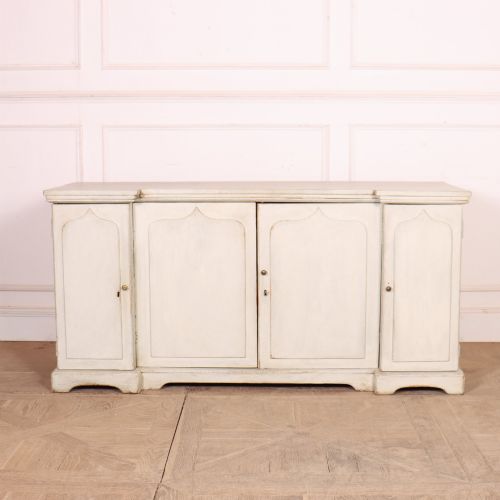
- A long piece of furniture or a suite of cabinets designed to stand in a line along a wall, typically featuring multiple doors.
- Glazed cabinet
- A storage piece incorporating glass panes within the wooden door frames to display contents while protecting them from dust.
Painted Wooden Cupboard Doors: Frequently Asked Questions
How do I date painted cupboard doors?
Dating relies upon examining the type of timber, the construction marks left by hand tools, and the composition of the paint layers.
Earlier pieces from the eighteenth century often display hand-planed surfaces and forged iron fixings, whereas later nineteenth-century examples utilise machine-sawn timber and different pigment binders.
Can I repaint these wooden doors?
Many buyers choose to preserve the existing historic paint layers to maintain decorative authenticity and surface character.
However, some pieces historically sold as bare pine or stripped timber invite fresh applications of wax, oil, or modern paint finishes to suit contemporary interiors.
What woods were used for these doors?
Pine serves as the predominant timber across the listed provincial and country pieces, valued for its stability and widespread historic use.
Oak and other hardwoods appear less frequently, usually reserved for formal English or continental cabinets requiring greater structural rigidity.
How do I mount architectural cupboard doors?
Mounting depends on whether the item retains its original hanging stiles, hinges, and ironwork from its parent wardrobe or cupboard.
Carpenters typically fit custom wooden battens or internal frames to secure the panels safely against a wall or integrate them into new cabinetry.