


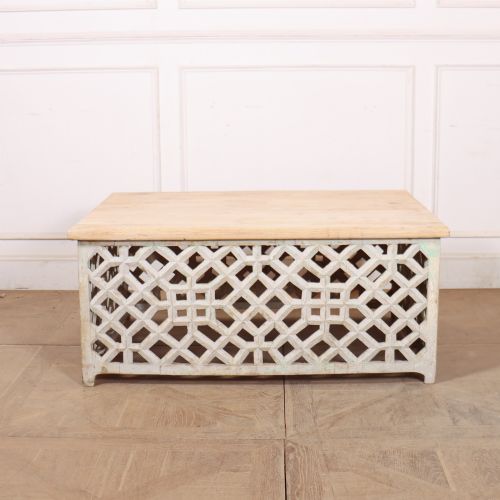


Painted Wooden Coffee Table
These painted wooden coffee table pieces bring surface colour and practical lowness to a room, drawing on centuries of vernacular craft.
Painted Wooden Coffee Table
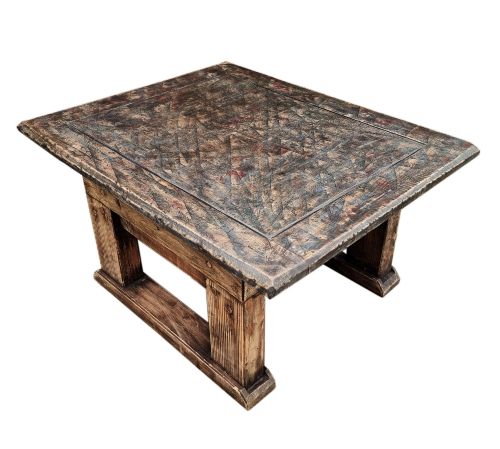
A painted wooden coffee table combines low-level utility with decorative surface finishes, bridging formal furniture and vernacular traditions. When searching this phrase, buyers encounter formats ranging from repurposed garden pieces and tray tables to low stools and side tables adapted for modern living.
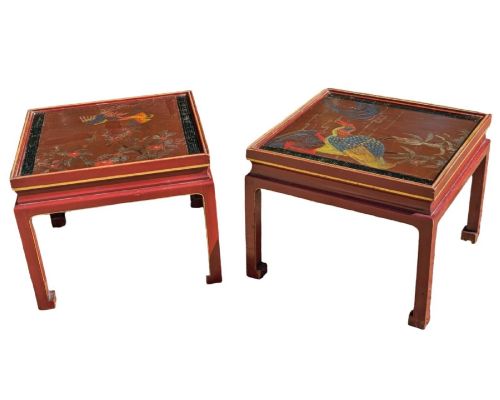
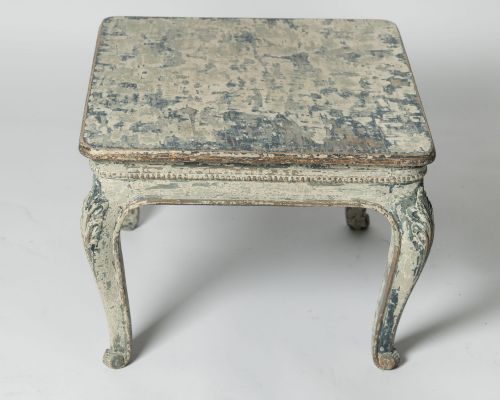
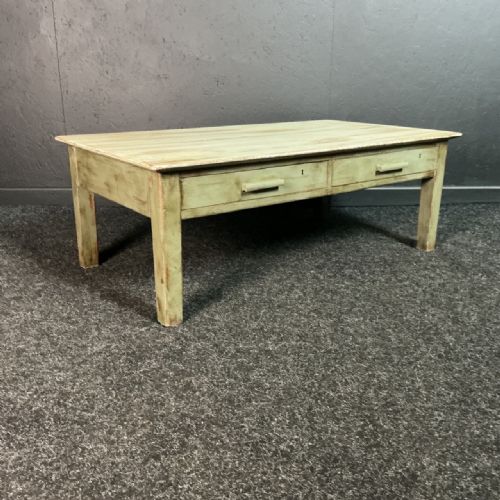
The selection spans numerous regional interpretations and historical periods, notably the nineteenth century, Edwardian era, and early twentieth century. Common stylistic expressions include rustic farmhouse, French provincial, and Chinoiserie, alongside occasional pieces with Anglo-Indian or Middle Eastern origins.
Most examples rely on simpler foundational forms like pine, oak, or general timber, finished with decorative paint, lacquer, or ebonisation. Their conversion into coffee tables often reflects twentieth-century interior preferences for low surfaces paired with traditional craftsmanship.
How they were made
Construction relies primarily on traditional solid woods such as pine, oak, and hardwood timber, frequently shaped using basic carpentry joints suited to domestic or garden use. Structural foundations are built to bear weight before receiving their decorative surface treatments.
Surface finishes define the aesthetic, utilising layers of paint, lacquer, ebonised timber, and occasional gilt detailing to alter the appearance of the underlying wood. These coatings range from simple painted pine in rustic country styles to intricate Edwardian Chinoiserie and French Régence carving.
Adaptation is also a common method of creation, where older side tables, garden tables, window seats, or trunks are lowered or re-configured to function as coffee tables. This repurposing retains historical patination while meeting contemporary height requirements.
Painted Wooden Coffee Table Retail Price Guide 2026
Typical asking prices for painted wooden coffee table among the pieces listed under this phrase on Sellingantiques today, from the lower quarter to the upper quarter. They describe what is for sale here now, not the wider market.
Listings feature pine as the most common wood, accompanied by oak, hardwood, and ebonised timber.
What varies in quality
Quality depends heavily on the integrity of the underlying timber and the sophistication of the decorative surface application. Tables featuring dense hardwoods or well-preserved pine offer structural durability that outweighs purely decorative substitutes.
The nuance and depth of the paintwork or lacquering distinguish superior examples from simpler ones. Hand-applied finishes with layered patination and period-appropriate motifs, such as Chinoiserie or Regence carving, reflect greater artisan skill than flat modern repainting.
The Painted Wooden Coffee Table Glossary
- Ebonised timber
- Wood treated with a chemical stain or finish to imitate expensive ebony. It was popular in nineteenth-century cabinet making for dramatic contrast.
- Tray top
- A tabletop designed with a raised rim resembling a serving tray. This feature prevents items from sliding and appears frequently on occasional tables.
- Regence style
- French design movement transitional between Baroque and Rococo. It is characterised by restrained carved ornamentation and curved structural lines.
Painted Wooden Coffee Table: Frequently Asked Questions
Are these tables original?
The inventory includes items from the nineteenth and early twentieth centuries, alongside pieces adapted from older furniture types like window seats and side tables.
Buyers should examine the wood and finish to understand whether a table retains its original form or has been altered for contemporary use.
How do I clean a painted finish?
Painted and lacquered wooden surfaces require gentle dusting with a soft, dry cloth to prevent abrasion. Avoid harsh chemical cleaners that can strip historic paint layers or damage delicate varnishes.
What periods do these pieces span?
The available selection covers diverse eras, including Georgian, Victorian, Edwardian, and the early twentieth century up to the 1930s.
Each period brings distinct regional styles, ranging from rustic English pine to Scandinavian country and French provincial designs.
Can I use a tray table for daily use?
Tray top coffee tables provide secure surfaces due to their raised edges, making them practical for holding cups and books.
Care should be taken with antique painted finishes to prevent moisture rings or scratches from heavy objects.