
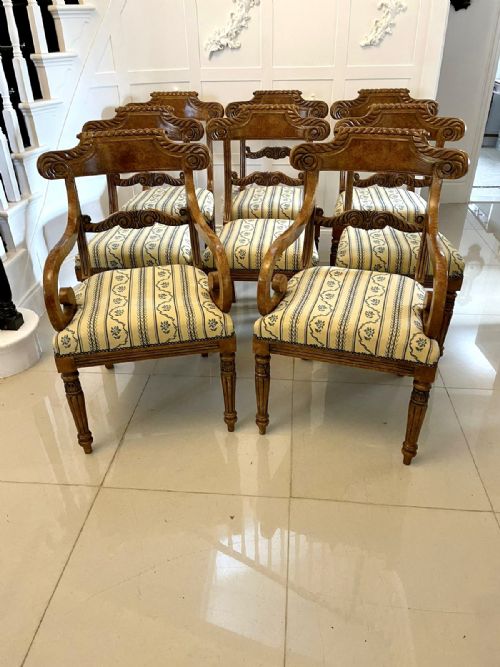


Painted Wooden Carver Chairs
Painted wooden carver chairs are sturdy armchairs finished with pigment or applied colour, offering collectors a striking combination of traditional joinery and decorative surface design.
Painted Wooden Carver Chairs
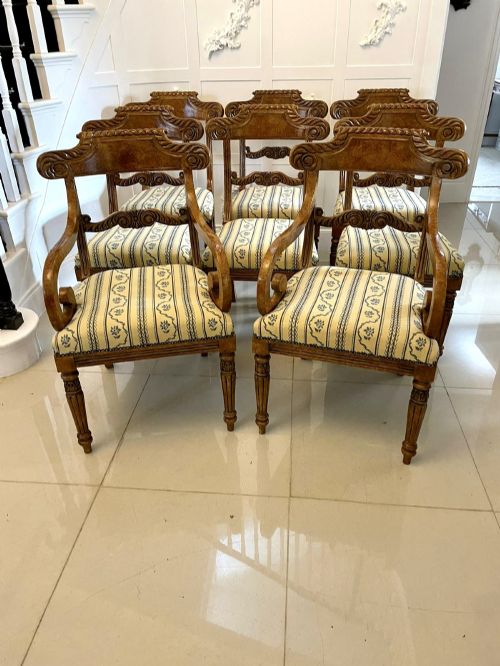
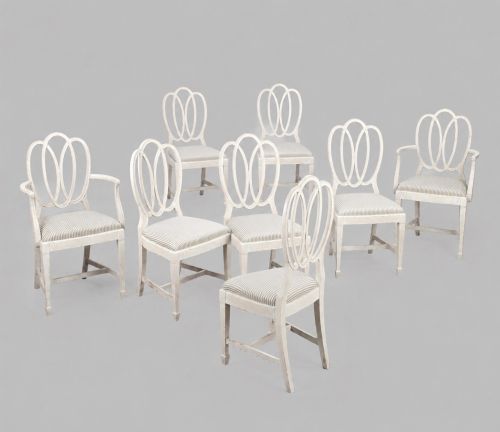
The selection includes formal Georgian styles alongside regional vernacular pieces like ladder-backs and Windsor chairs. You will find single armchairs as well as larger sets intended for dining tables, featuring supportive armrests known as elbows.
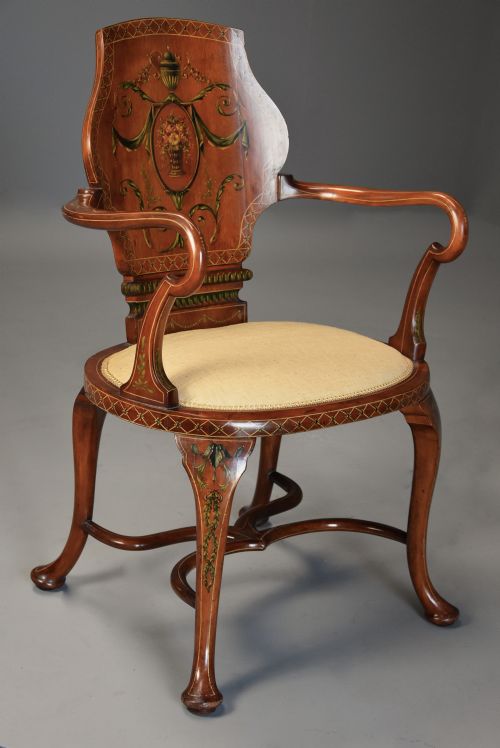
Origins range from English country workshops to French open armchairs and neoclassical designs. The painted surfaces vary from faux bird's-eye maple and parcel gilt to simpler floral decoration upon ash, oak, and beech frames.
How they were made
Maker construction relies on traditional timber framing using woods such as ash, beech, oak, walnut, and satinwood. Joinery incorporates carved components, shaped splat backs, and shield backs, occasionally paired with rush seating or upholstered fabric pads.
Surface finishes involve applying paint over prepared wooden frames, sometimes enhanced with gilding or decorative faux graining like bird's-eye maple. Regional chairs utilise local hardwoods while formal pieces incorporate refined neoclassical and revival motifs.
Listings feature periods spanning from the late eighteenth century through the Edwardian era, incorporating styles like Regency, Hepplewhite, and Louis XVI.
What varies in quality
Quality rests in the precision of the underlying woodwork and the integrity of the original form, whether a provincial ash ladder-back or a formal neoclassical elbow chair. The refinement of the carved details on arms, splats, and block feet dictates the visual success of the piece.
The sophistication of the painted finish separates ordinary examples from superior ones, distinguishing simple decorative coatings from delicate parcel gilding or skilled faux maple graining. Retention of early or period painted surfaces heavily influences the character of the chair.
Gillows
The Painted Wooden Carver Chairs Glossary
- Carver chair
- An armchair, typically heavier or more decorative than side chairs, often placed at the head of a dining table. The term is widely used in British antique furniture trade descriptions.
- Elbow chair
- An alternative term for an armchair, highlighting the presence of supportive armrests. These pieces provide additional comfort compared to standard dining chairs.
- Shield-back
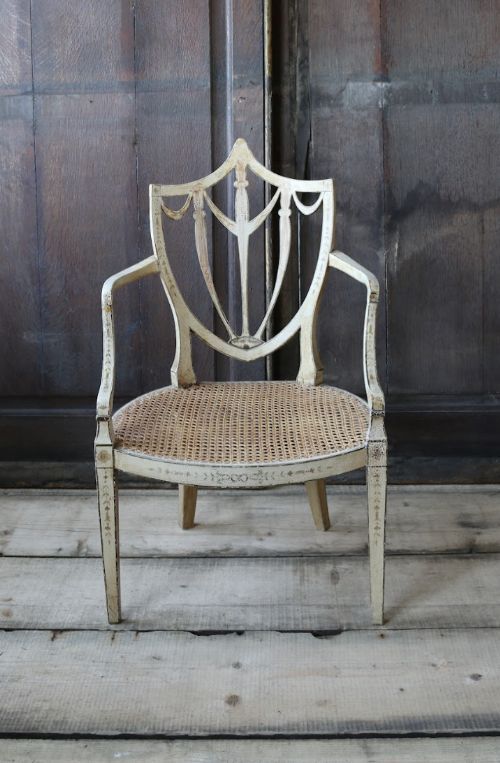
- A chair back shaped like a heraldic shield, popular in late eighteenth-century design. This style frequently incorporates carved splats and painted ornamentation.
- Parcel gilt
- A surface decoration technique where specific carved details or mouldings are highlighted with gold leaf over a painted ground. It adds contrast and definition to formal painted furniture.
- Rush seat
- A traditional woven seating surface made from dried marsh rushes twisted into cords. It is commonly found on regional vernacular chairs such as ladder-backs.
Painted Wooden Carver Chairs: Frequently Asked Questions
What is a painted wooden carver chair?
A painted wooden carver chair is an armchair featuring a wooden frame finished with decorative paint rather than traditional wood polish. These pieces range from formal Georgian and Regency models to regional vernacular seating.
They serve as functional seating with armrests, designed either as standalone statement pieces or to sit at the ends of a dining table.
How do I date a painted carver chair?
Dating relies on identifying stylistic markers such as shield-backs, ladder-backs, or neoclassical proportions combined with construction methods. Wood types like satinwood or ash and the nature of the painted finish also offer clues to the period of origin.
Comparing the joinery and decorative motifs to documented examples from the eighteenth, nineteenth, and early twentieth centuries helps narrow down the decade.
Are painted carver chairs sturdy enough for daily use?
Most painted carver chairs are built from solid hardwoods like oak, beech, and ash, making them structurally robust for regular seating. Traditional joinery ensures they withstand everyday weight when maintained properly.
Care should be taken with older rush or upholstered seats, and the painted surface benefits from gentle cleaning rather than harsh abrasives.
What distinguishes formal painted chairs from vernacular ones?
Formal painted chairs follow established design movements such as George III neoclassical, Regency, or Hepplewhite, featuring refined proportions and decorative details like parcel gilding. They were typically produced in urban workshops for wealthy homes.
Vernacular chairs, such as Cheshire ladder-backs or Windsor chairs, reflect regional traditions and simpler country craftsmanship, prioritising utility and local materials.