
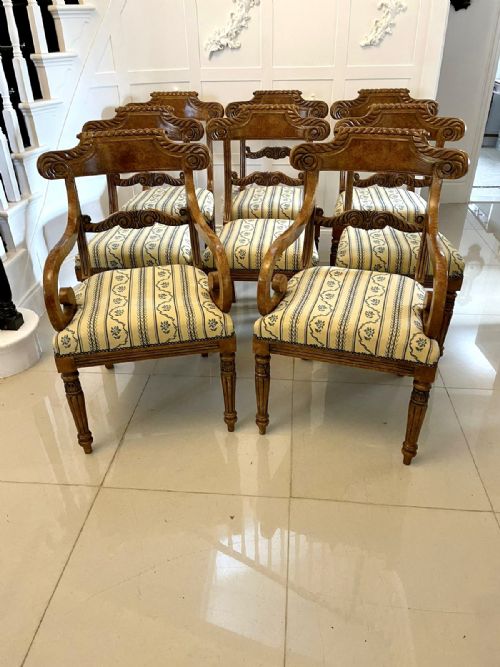


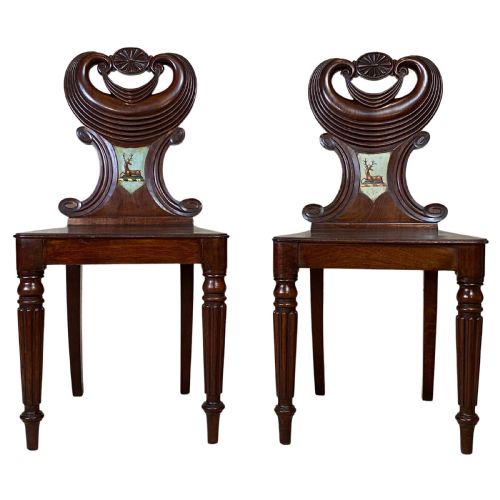


Georgian Style Painted Chairs
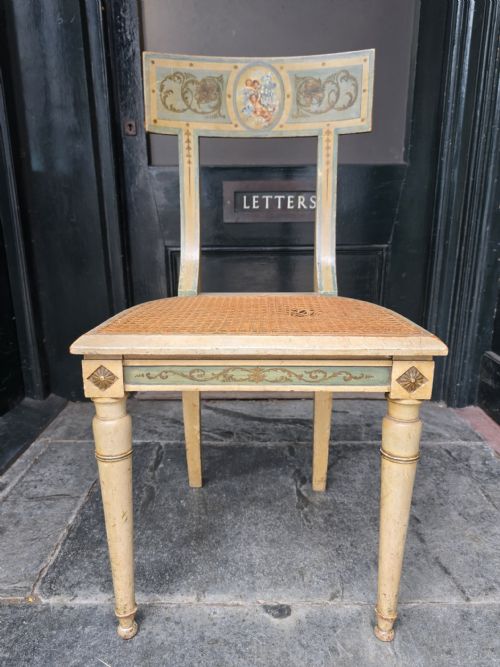
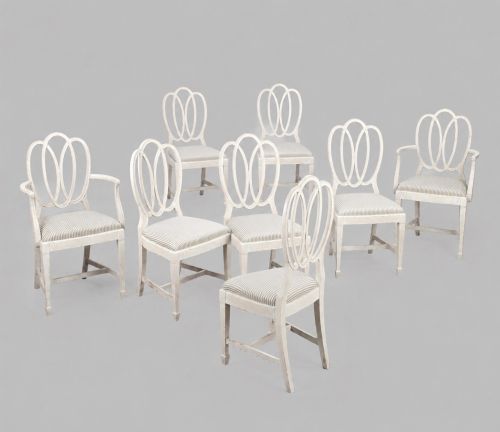
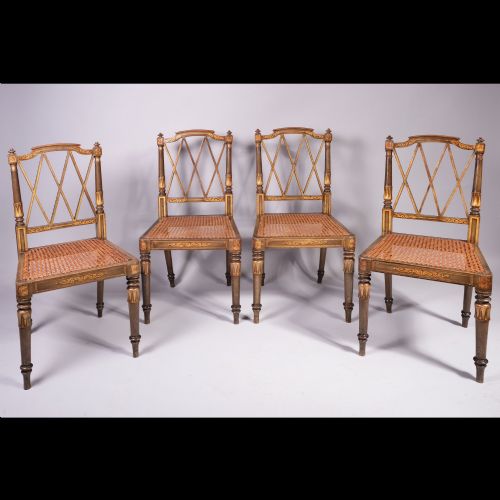
Georgian style painted chairs bring lightness and colour to a room through delicate wood frames and hand-applied decoration.
Georgian Style Painted Chairs
When you search for georgian style painted chairs, you encounter seating that spans multiple centuries and varied regional interpretations. The listings range from late eighteenth-century originals to later twentieth-century pieces built in historical styles.
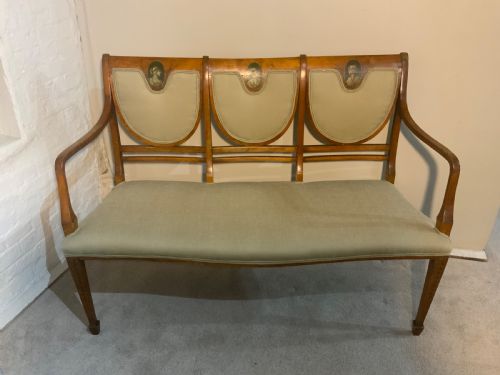
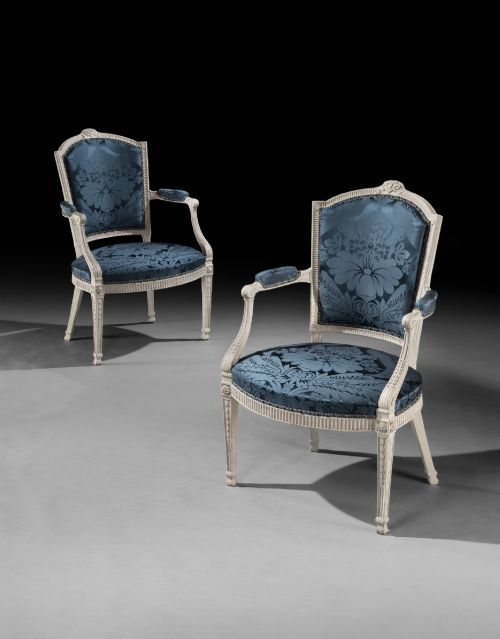
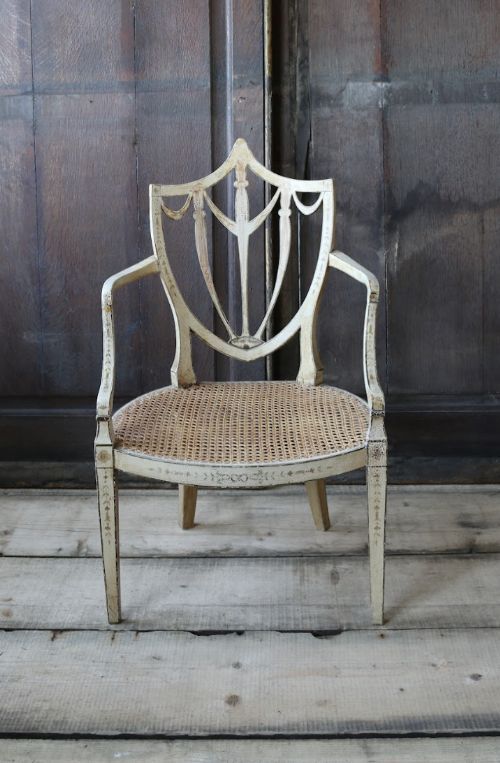
Armchairs, side chairs, dining sets and settees make up the primary forms available. These pieces incorporate classical design elements such as shield backs, strapwork and neoclassical outlines.
While genuine eighteenth-century examples appear, many items originate from the nineteenth and early twentieth centuries. Makers during these later periods frequently drew inspiration from Sheraton, Hepplewhite and Regency aesthetics.
What varies in quality
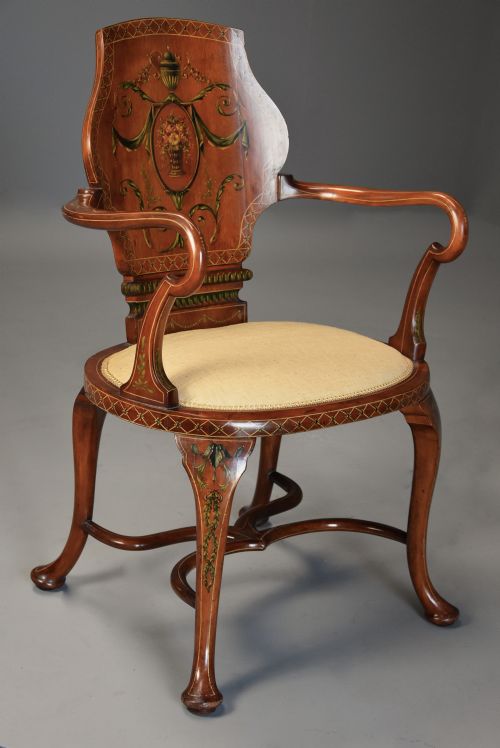
The refinement of the painted surface work distinguishes standard examples from exceptional pieces. Artisans who executed intricate floral details, gilding or faux bird's eye maple finishes achieved greater artistic depth.
The integrity of the underlying woodwork and the fidelity of the period style dictate structural value. Pieces retaining their original frames and untouched decorative schemes command higher regard among collectors.
Listings feature painted wooden frames constructed from satinwood, mahogany and maple, combined with fabric, cane and gold leaf.
The Georgian Style Painted Chairs Glossary
- Satinwood
- A tropical hardwood known for its golden sheen and smooth grain. It served as a prime surface for delicate painted decoration in high-status furniture.
- Japanned
- A European imitation of East Asian lacquerwork created through layered varnishing and drying. This technique produced glossy, dark surfaces often embellished with gilt motifs.
- Shield-back
- A chair back design shaped like a heraldic shield, popular in late eighteenth-century neoclassical dining chairs. It allowed for openwork splats carved with wheat ears, urns or drapery.
- Strapwork
- An ornamental motif composed of intertwined ribbon-like bands. It appeared frequently on backs and supports during the Regency period.
- Armorial
- A design featuring a family coat of arms or heraldic crest. These were hand-painted onto hall chairs and formal seating to denote lineage.
Georgian Style Painted Chairs: Frequently Asked Questions
Are these chairs comfortable for daily use?
Most historic dining and hall chairs were designed for upright posture rather than lounging. Upholstered armchairs and settees offer a softer seat suited to modern sitting.
Selecting pieces with appropriate seat heights and supported backs ensures practical comfort in a contemporary home.
How do I care for painted wooden surfaces?
Painted finishes require gentle maintenance using a dry microfiber cloth to remove dust. Avoid chemical sprays and excessive moisture which can lift historic pigments.
Keep pieces away from direct sunlight and strong heat sources to prevent the wood and paint layers from drying out.
How can I tell an original eighteenth-century chair from a later copy?
Examination of the wood patination, tool marks and construction joints reveals the age of a piece. Eighteenth-century frames often show hand-cut joinery and natural wear patterns accumulated over generations.
Later nineteenth and twentieth-century interpretations usually display machine-cut elements and different ageing characteristics in the paint layers.
What is the difference between Chinoiserie and standard painted chairs?
Chinoiserie chairs feature European interpretations of Chinese artistic motifs, often displaying pagoda scenes, exotic figures and lacquered backgrounds. Standard painted chairs typically rely on classical English neoclassical motifs like swags, ribbons and floral garlands.
Both styles utilise similar wood frames but create entirely different visual impacts within an interior scheme.