


Painted Wooden Bird
These painted wooden bird figures span centuries of working craft and domestic display, bringing texture and character to any room.
Painted Wooden Bird
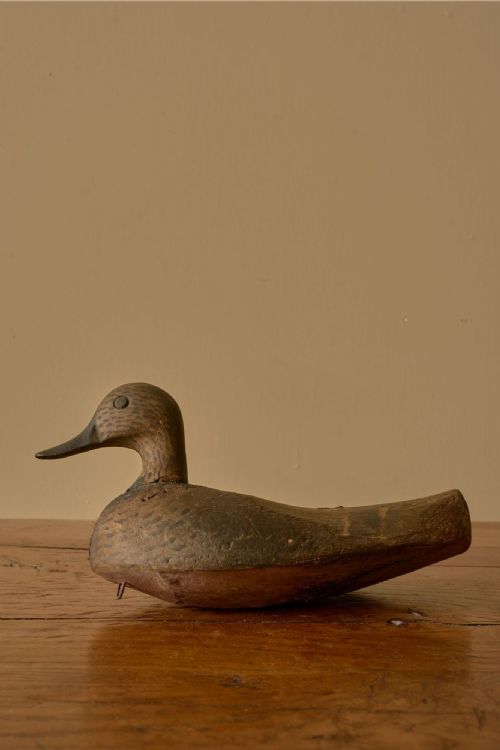
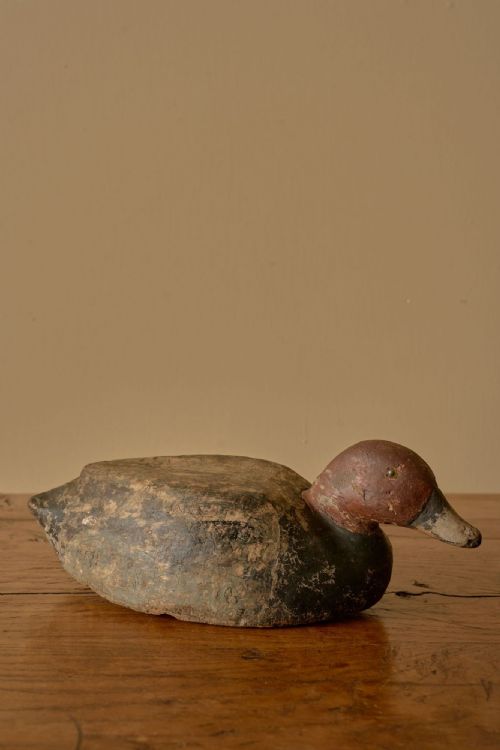
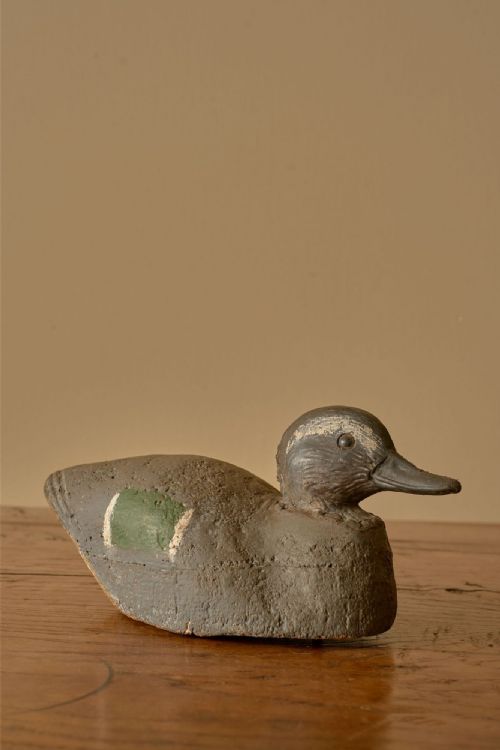
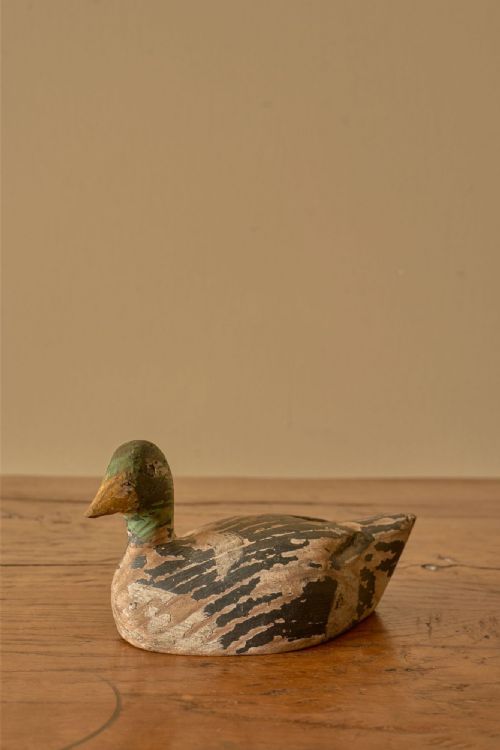
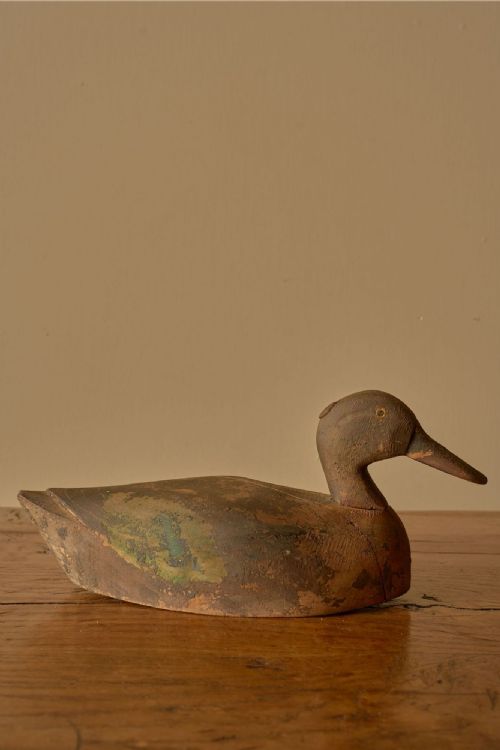
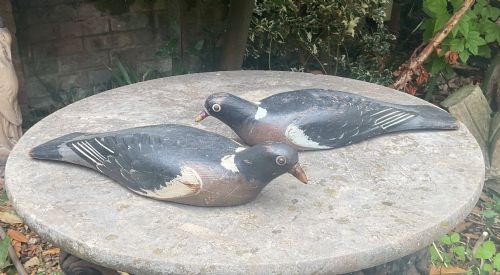
A painted wooden bird encompasses working decoys, folk art carvings and decorative objects shaped from timber and finished with pigment. When you search for a painted wooden bird, you encounter waterfowl and upland subjects made for utilitarian use or domestic display.
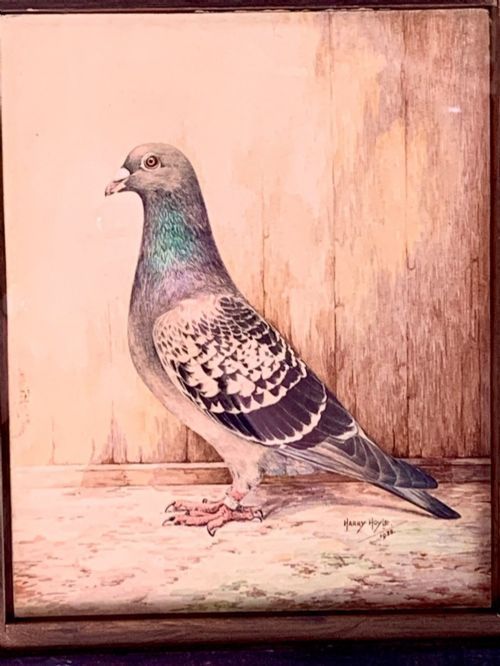
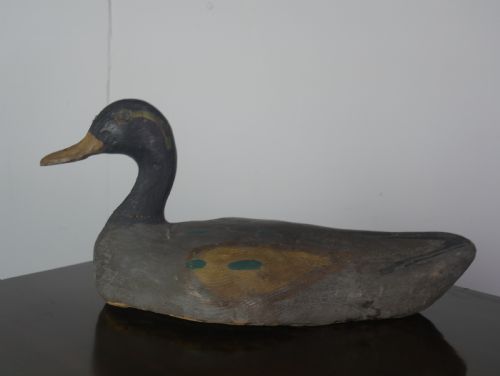
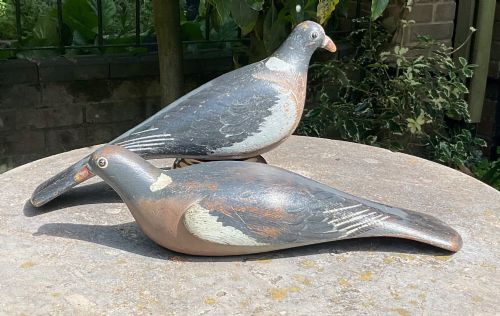
The version you are most likely to meet on this page is the decoy duck or pigeon, originating from the nineteenth and early twentieth centuries. These working pieces carry the marks of rural trade and coastal shooting traditions.
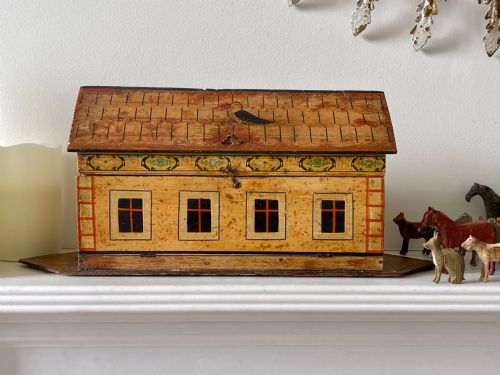
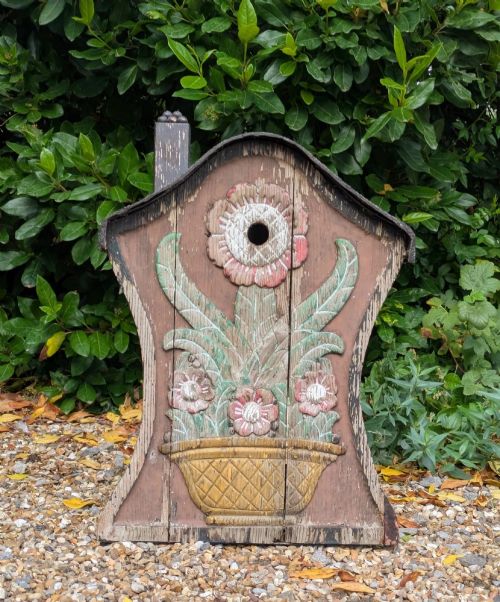
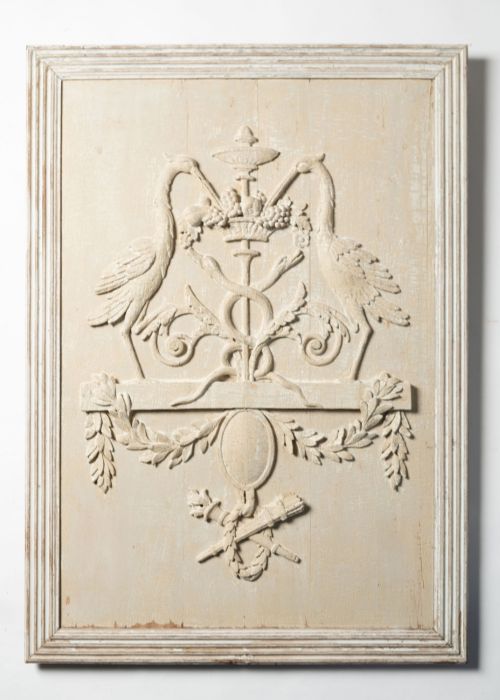
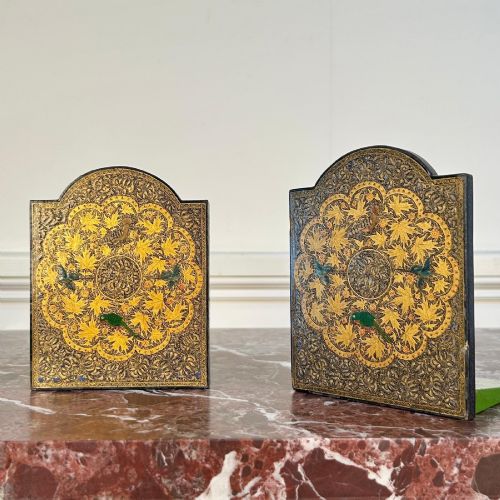
Beyond decoys, the selection includes Swedish bird boxes, architectural elements and menagerie figures from Noahs Ark sets. Each form reflects the vernacular traditions of English, Scandinavian and country house workshops.
Materials and technique
Carvers shaped these objects from solid timber, utilising local woods such as maple alongside general hardwoods and softwoods. Iron and metal components sometimes secured internal weights or attachments within working waterfowl.
Surfaces received layers of oil paint or decorative pigments applied by hand to imitate natural plumage. Over decades, this paint weathered through exposure or patinated gently in domestic interiors.
Painted Wooden Bird Retail Price Guide 2026
Typical asking prices for painted wooden bird among the pieces listed under this phrase on Sellingantiques today, from the lower quarter to the upper quarter. They describe what is for sale here now, not the wider market.
Current listings feature items from the eighteenth century through to the 1950s, constructed in wood, iron, and glass.
Variations in quality
Quality rests in the fidelity of the carving and the integrity of the original paint surface. Pieces retaining their untouched working pigment demonstrate superior authenticity compared to later repainted examples.
Form and proportion dictate the visual success of the carving, with bolder vernacular interpretations often showing greater artistic vigour than mass-produced items.
The Painted Wooden Bird Glossary
- Decoy
- A carved and painted likeness of a bird used by hunters to attract waterfowl or pigeons. These working objects form the backbone of early avian carving traditions.
- Folk art
- Utilitarian or decorative items made by self-taught makers or rural craftspeople. This style relies on regional traditions rather than formal academic training.
- Chinoiserie
- European artistic styles reflecting Chinese motifs and decorative schemes, often found on lacquer furniture and panels. This aesthetic influenced interior decoration during past centuries.
- Reverse glass painting
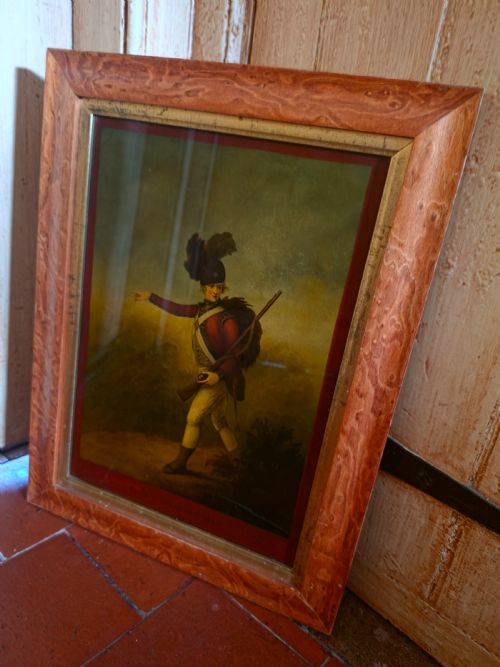
- An artwork created by painting or drawing on the back of a piece of glass so the image is viewed through the transparent front. This fragile technique appeared on mirrors and picture panels.
Painted Wooden Bird: Frequently Asked Questions
What is a decoy bird?
A decoy is a carved wooden figure constructed to lure wild birds within shooting range. Makers balanced these objects to float upright on water or mount on stakes.
Over time, many working decoys transitioned from marshland tools to collected folk art sculptures displayed in domestic settings.
How do I date a wooden bird?
Dating relies on tool marks, timber types, and the composition of the paint layers. Earlier examples often show hand-adzed surfaces and lead-based pigments.
Comparing the silhouette and species accuracy against known period examples helps narrow down the decade of manufacture.
How should I clean my wooden bird?
Dust surfaces gently with a soft, dry brush to preserve fragile historic paint layers. Avoid water, solvents, or modern cleaning products which can strip the original finish.
Keeping the piece away from direct sunlight and steady humidity prevents the timber from splitting and the paint from flaking.
Are all these birds English?
While many pieces originate from English rural traditions, the selection includes Scandinavian country items and regional folk carvings. Makers across Europe applied local woodworking methods to familiar avian subjects.
Examining the timber species and painting style often reveals the geographic origins of an unsigned carving.