
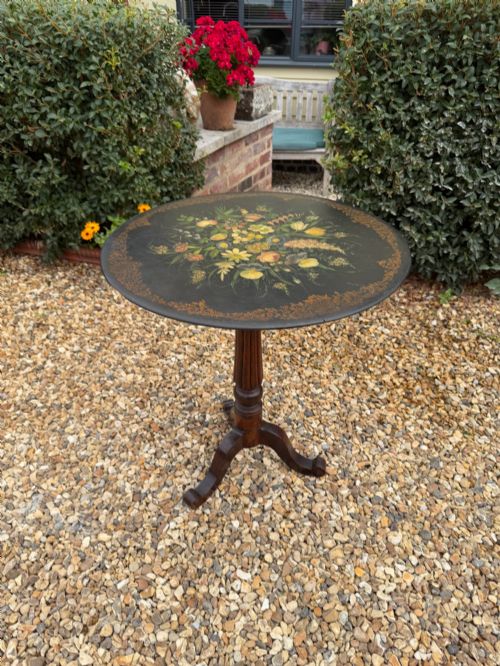
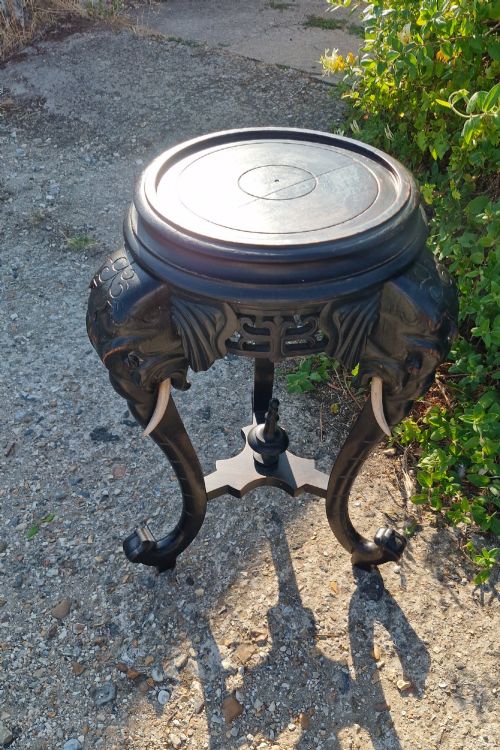
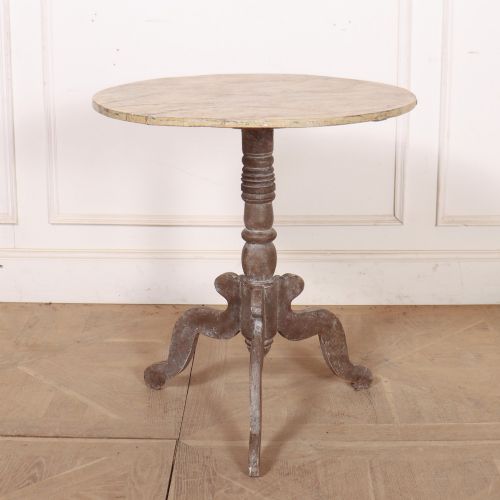
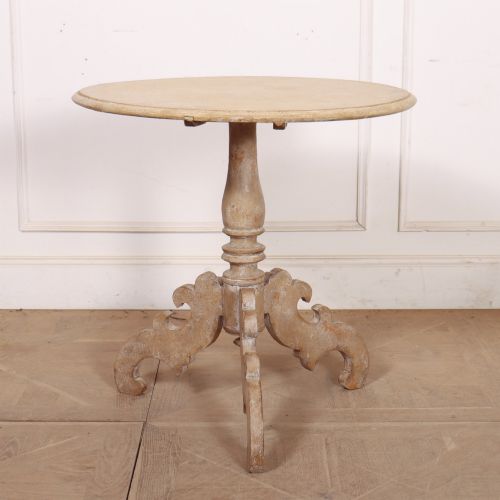



Painted Wood Tripod Table
A painted wood tripod table brings immediate character to a corner, offering a compact surface with the distinct charm of hand-applied decoration.
Painted Wood Tripod Table
When you search for a painted wood tripod table, you are looking at small standalone furniture resting on a three-legged base, typically designed as lamp, side, or occasional tables. These pieces combine practical surfaces with decorative finishes, ranging from simple country pieces to elaborate imported styles.
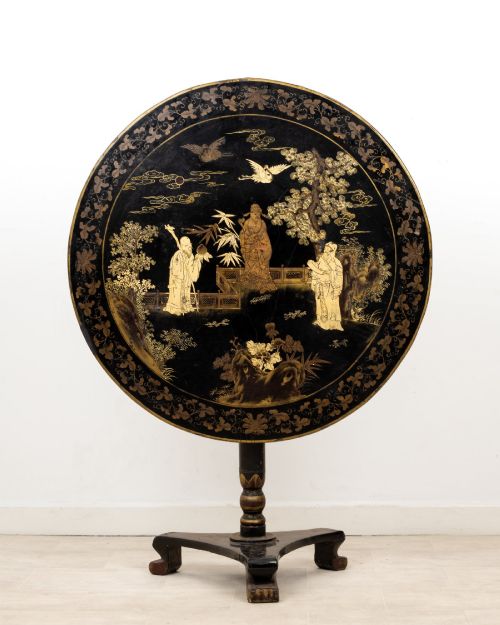
On this page, you are most likely to meet nineteenth-century and Victorian examples, alongside distinctive regional forms such as Swedish country and Scandinavian country designs. The selection also includes tilt-top mechanisms, shaving stands, and specific decorative idioms like Chinoiserie and folk art.
The utility of these small tables has ensured their survival through generations, moving easily from utilitarian roles in nineteenth-century interiors to decorative accents in modern rooms. Their lightweight construction and central pedestal bases make them exceptionally versatile for narrow spaces.
How they were made
The construction of these pieces relies on native timbers such as pine, softwood, oak, and fruitwood, shaped into sturdy central pedestals and balanced tripod legs. Many pieces incorporate alternative top surfaces, including marble or slate, mounted onto the wooden frames.
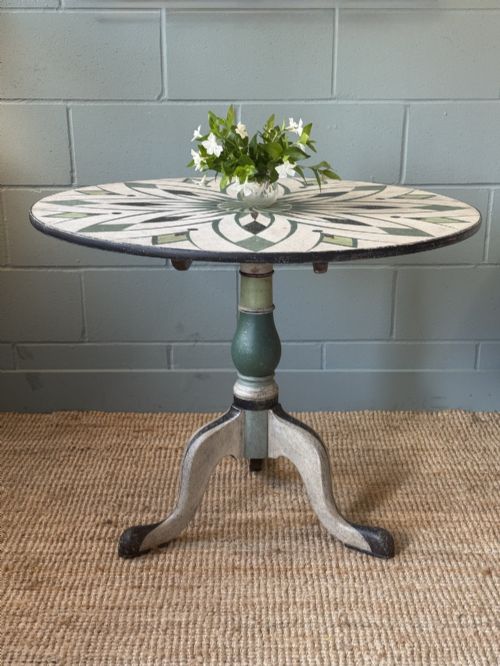
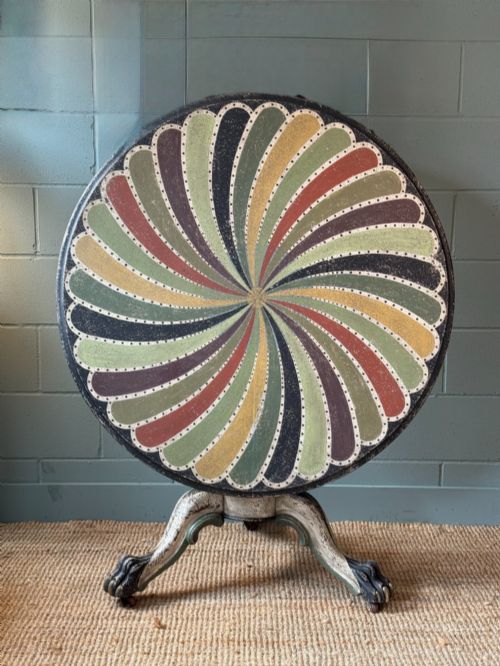
Surface treatment defines the group, utilising paint, lacquer, and detailed brushwork applied directly to the timber. Some surfaces feature original decoration, while others show later painted floral or petal designs added during subsequent decades.
Materials recorded across the selection include pine, softwood, fruitwood, marble, slate, brass, and lacquer.
What varies in quality
The distinction between ordinary and superior examples lies in the integrity of the original paintwork versus later decoration. Pieces retaining their untouched regional or folk art surfaces hold greater visual honesty than those repainted in later periods.
Construction details also separate the tiers of quality, particularly the stability of the tripod joint and the refinement of the turned pedestal. Tables featuring specialised materials like marble inserts or intricate Chinoiserie and Kashmir detail demand closer attention to craftsmanship.
The Painted Wood Tripod Table Glossary
- Tripod table
- A small standalone table supported by a central pillar resting on three legs. This construction prevents wobbling on uneven floors.
- Tilt top table
- A table with a hinged top that pivots vertically to allow storage against a wall when not in use. The mechanism relies on a small wooden catch or block.
- Gueridon
- A small French occasional table or stand, often featuring a round top supported by a central column. They frequently incorporate marble tops.
- Chinoiserie
- European imitation of traditional Chinese artistic styles and motifs, often applied in lacquer or fine paintwork. It gained immense popularity in decorative furniture during the nineteenth century.
Painted Wood Tripod Table: Frequently Asked Questions
What is a tripod table used for?
These small pieces function primarily as occasional surfaces for lamps, drinks, or decorative objects. Their compact footprint allows them to sit beside armchairs or fill empty corners.
Historically, specific variations like shaving stands or tilt-top tables served more specialised daily tasks. Today, their role is largely decorative while retaining practical utility.
How do I date a painted table?
Dating relies on examining the timber species, construction joints beneath the top, and the medium of the paint. Tool marks and screw types provide reliable clues to the nineteenth-century origins of the core structure.
Distinguishing between original surface decoration and later painted motifs requires careful inspection under magnification. Wear patterns around the edges of the top and legs also indicate age.
Are painted wood tables fragile?
While built from sturdy timbers like pine and fruitwood, the decorative painted or lacquered surfaces require sensible placement away from direct heat and strong sunlight. Standard household dusting keeps the finish stable.
The tripod base is inherently stable on firm ground, though heavy downward pressure on the outer edge of a tilt-top mechanism should be avoided.
What defines Swedish country style?
Swedish country furniture is characterised by pale, clean paint finishes, often in soft greys, creams, or blues, reflecting a desire for light in northern interiors. The forms are generally restrained and functional.
These pieces emphasise simple turned pedestals and understated proportions, fitting comfortably into both traditional and contemporary minimalist rooms.