




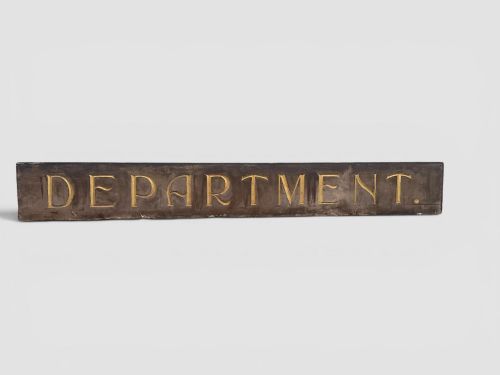
Painted Wood Sign
When you search for a painted wood sign, you are looking at functional works created to advertise trades, guide travellers or mark businesses.
Painted Wood Sign
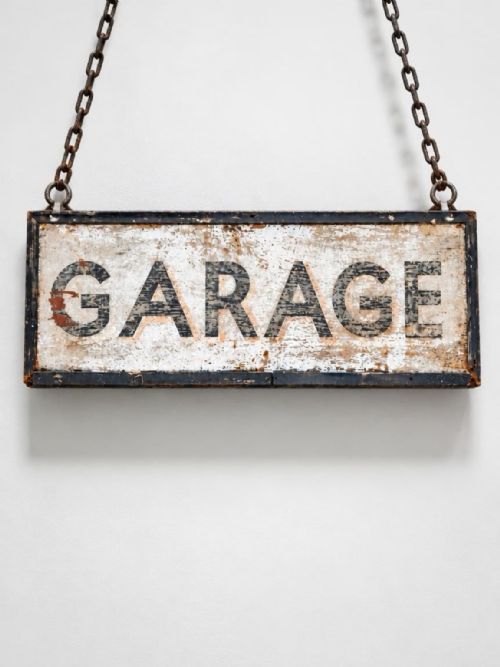
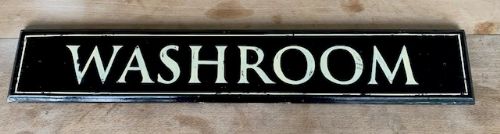
A painted wood sign is a durable marker made for commercial, civic or industrial use, carrying lettering, symbols or imagery directly applied to a wooden substrate. When you search for a painted wood sign, you encounter surviving examples from the nineteenth and early twentieth centuries, including department store notices, butcher boards and gallery markers.
The pieces appearing on this page range from large trade signs to directional boards and carnival panels. Most examples originate from the Victorian period through to the nineteen-twenties, reflecting an era when businesses relied on hand-painted boards rather than plastic or illuminated displays to attract custom.
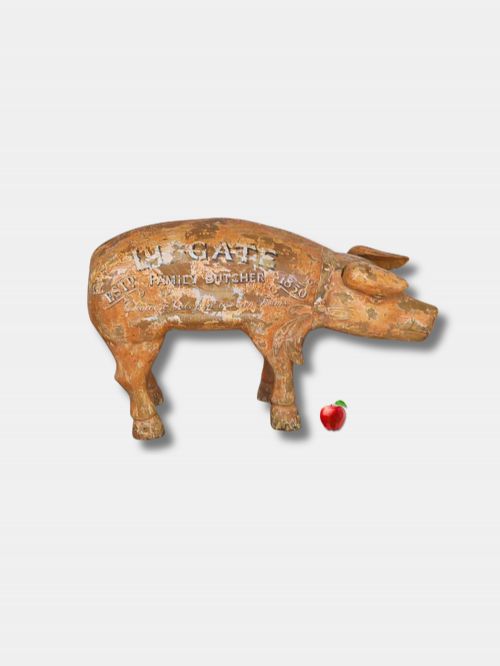
Commercial boards dominate the selection, often produced by local signwriters or trade painters using timber panels. These items carry the specific names of families, butchers, galleries or destinations, giving them a direct connection to past commerce and streetscapes.
How they were made
These items are constructed from solid timber panels, such as pine, oak or mahogany, prepared to receive oil-based paints, lead paints or signwriter's enamels. Signwriters applied lettering by hand, sometimes incorporating carved elements, gilt highlights or glass reflectors to catch the light.
The paint layers built up over time provide protection against the weather, while the wooden supports frequently show the tool marks of planers, saws and joinery techniques typical of their respective decades.
Painted Wood Sign Retail Price Guide 2026
Typical asking prices for painted wood sign among the pieces listed under this phrase on Sellingantiques today, from the lower quarter to the upper quarter. They describe what is for sale here now, not the wider market.
Listings feature wood panels, oil paint, gilt and glass reflectors spanning the Victorian era through the nineteen-forties.
What varies in quality
Quality in a painted wood sign rests upon the skill of the signwriter, the legibility of the typography, and the integrity of the wooden panel. Superior examples display confident brushwork, balanced lettering proportions, and original surfaces that have survived without heavy overpainting.
The character of the weathering also influences the appeal, with naturally distressed patinas preferred over modern artificial ageing. The complexity of the commission, such as pictorial elements combined with carved gilt lettering, separates standard utility boards from exceptional commercial pieces.
Lidgate Family Butcher·The Baldock Gallery
The Painted Wood Sign Glossary
- Trade sign
- A board, figure or emblem hung outside a shop or business to advertise the trade carried on within. These were essential for identifying premises before street numbering became universal.
- Gilt
- A thin layer of gold leaf applied to the surface of wood or paint. It was used on signs to catch the light and highlight important lettering.
- Signwriter
- A craftsman skilled in the manual painting of letters, numbers and pictorial elements for commercial purposes. Their work combined technical precision with artistic design.
- Panel
- A flat piece of wood used as the primary surface for painting or carving. Panels were selected for their stability and grain structure.
- Patina
- The surface texture and coloration developed by wood and paint through age, use and exposure to the elements. Collectors value this natural evidence of history.
Painted Wood Sign: Frequently Asked Questions
How were trade signs mounted?
Trade signs were typically hung from wrought iron brackets attached to the exterior brickwork or timber framing of a shopfront, allowing pedestrians to view them from the street.
Heavier boards were sometimes fixed directly to the building facade or displayed inside large department store windows to guide shoppers.
How do I clean an old sign?
Dust the surface gently with a soft, dry brush to remove loose particles without disturbing fragile paint layers.
Avoid using water, modern detergents or abrasive cloths, as these can strip original oil paint and ruin the historic patina.
Are these signs waterproof?
While originally designed to withstand outdoor conditions using oil-based paints and sealed timber, centuries of exposure mean surviving examples are now best kept indoors.
Placing them in damp environments or direct sunlight will cause the wood to warp and the historic paint to flake away.
How can I tell the age?
Age is determined by examining the type of wood, the construction methods of the panel, and the formulation of the paint layers.
Typography styles and the specific historical references in the text also provide reliable clues to the decade of manufacture.