

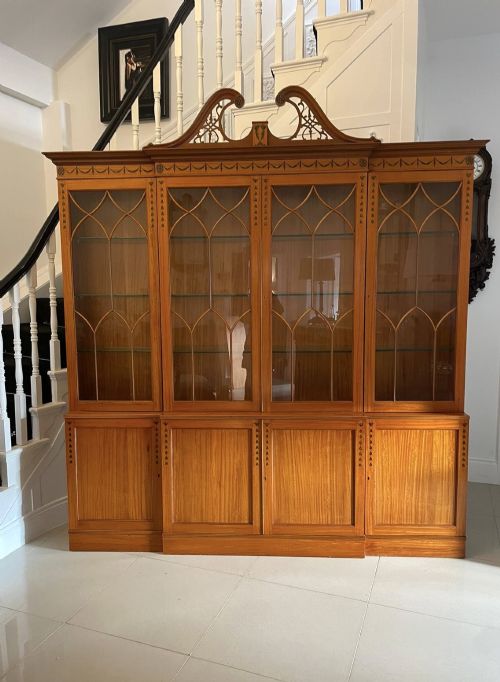
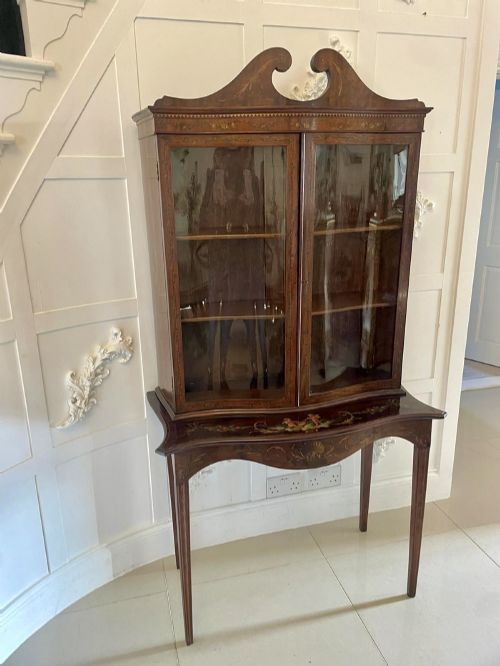

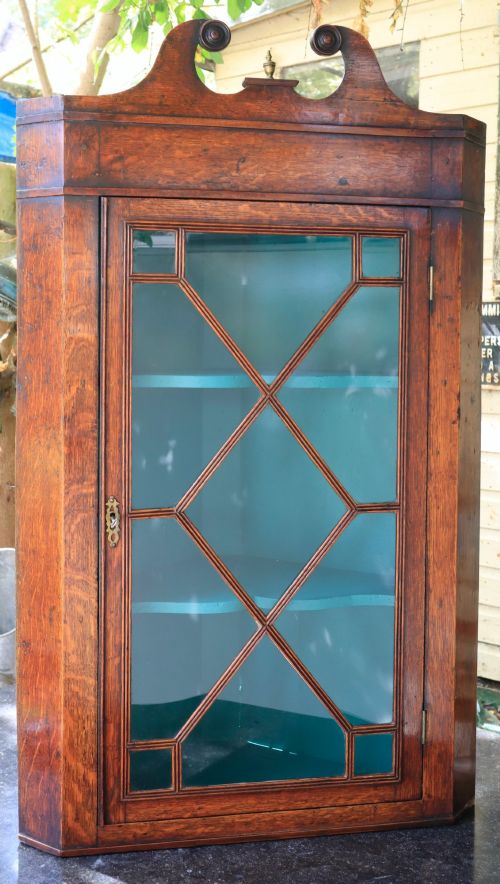
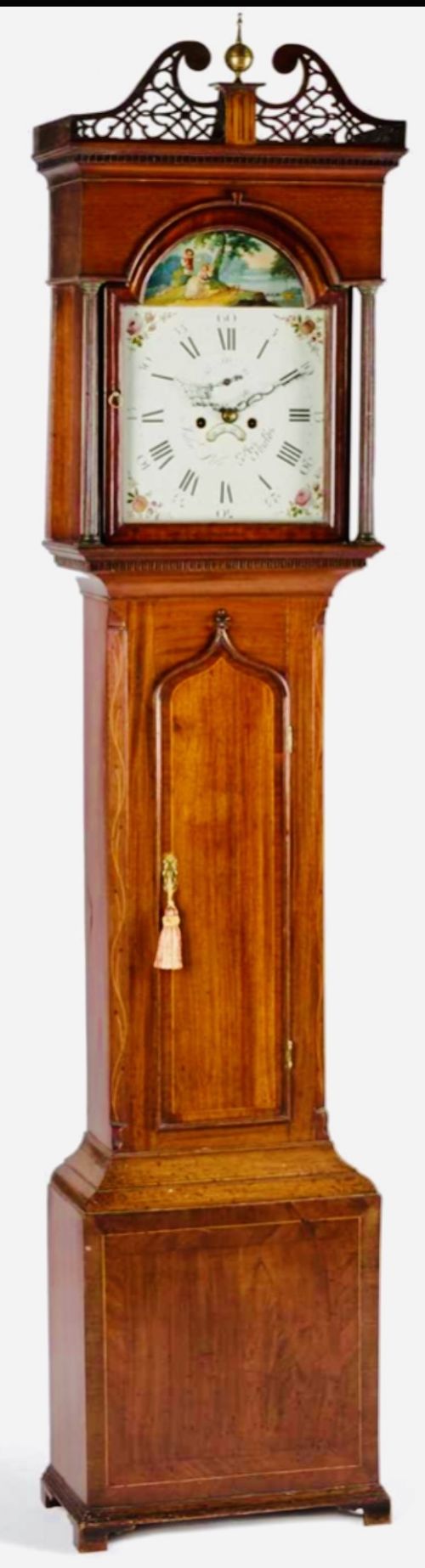
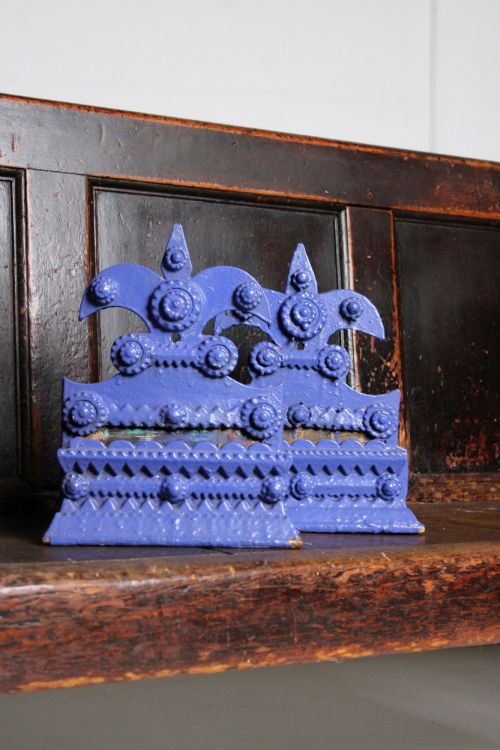
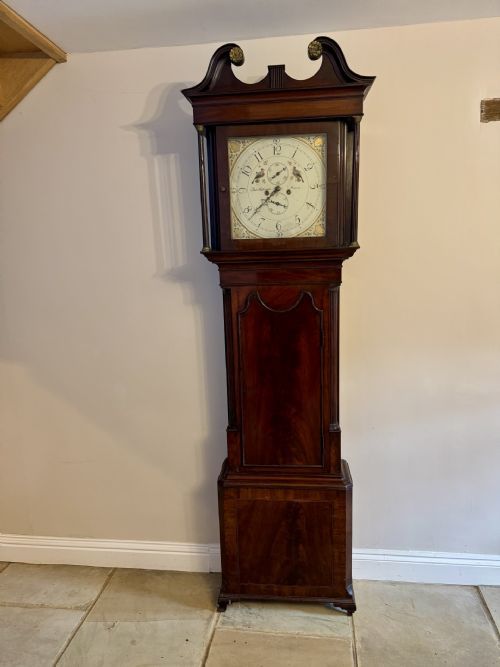

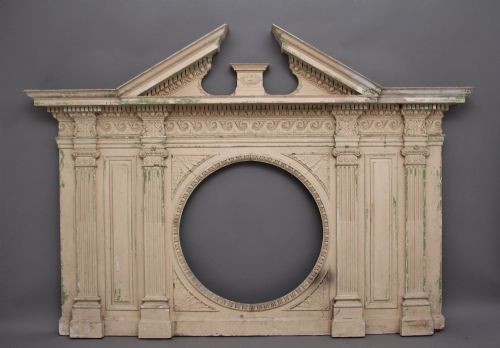


Painted Wood Pediment
These painted wood pediment pieces are architectural fragments and furnishings bringing historical character and colour to interiors.
Painted Wood Pediment
A painted wood pediment forms an architectural or decorative crowning feature above furniture and openings, emerging mainly from the eighteenth, nineteenth, and twentieth centuries. Buyers searching for a painted wood pediment encounter items spanning architectural salvage, mirrors, cabinets, and wall panels. The selection incorporates structural elements like pelmets and overmantels alongside items with original painted decoration and carved details.
Materials and construction methods
Construction relies primarily on timber substrates such as oak, mahogany, pine, and satinwood, often enhanced with applied paint or gesso layers. Artisans shaped these materials using traditional joinery and hand-carving techniques suitable for architectural ornaments and furniture crests.
Decoration includes original painted surfaces, hand-carved motifs, and inlaid details that distinguish individual pieces. Protective and decorative paint layers define the appearance of these wooden elements, preserving the underlying material.
Painted Wood Pediment Retail Price Guide 2026
Typical asking prices for painted wood pediment among the pieces listed under this phrase on Sellingantiques today, from the lower quarter to the upper quarter. They describe what is for sale here now, not the wider market.
Listings span from the seventeenth century through to the twentieth century, utilising materials such as oak, mahogany, glass, brass, and paint.
Differentiating quality in painted woodwork
Quality reveals itself in the precision of the carving, the integrity of the wooden substrate, and the preservation of original painted surfaces. Superior items demonstrate crisp architectural moulding and careful hand-carving executed by skilled makers.
The condition of the painted finish and the structural stability of the timber dictate the standing of a piece within the range. Works retaining authentic period paint schemes and balanced proportions distinguish themselves from later or heavily restored examples.
The Painted Wood Pediment Glossary
- Pediment
- An architectural crowning element placed above doors, windows, furniture, or mirrors. It provides a formal termination to a structure.
- Overmantel
- A decorative panel, mirror, or architectural feature positioned above a fireplace mantelpiece. These elements often incorporate painted wood and carved details.
- Pelmet
- A narrow board or frame fitted above a window or door to conceal fittings. French examples frequently feature hand-carved wooden decoration.
- Gesso
- A plaster-like mixture applied to wood surfaces to prepare them for painting or gilding. It allows for sharp, intricate relief modelling.
- Trumeau
- An architectural wall mirror or panel containing a painted or carved scene above the glass. Originating in France, these pieces served as permanent wall decoration.
Painted Wood Pediment: Frequently Asked Questions
What is a painted wood pediment used for?
These pieces serve as architectural ornaments and decorative framing elements above doorways, mirrors, or large furniture pieces.
They add historical depth and focal interest to interior wall spaces.
How do I date a painted wooden pediment?
Dating relies on examining the timber species, tool marks, joinery techniques, and the composition of the paint layers.
Stylistic cues matching Georgian, Victorian, or French periods also guide attribution.
Are painted wood pediments original architectural salvage?
Many items originate as salvaged architectural components taken from period buildings, country houses, and formal interiors.
Others formed integral parts of large cabinetry, overmantels, or wall panels from the start.
How should I care for painted wooden architectural pieces?
Maintain stable indoor humidity levels to prevent the underlying timber from expanding, contracting, or cracking.
Dust gently with a dry cloth and avoid harsh chemical cleaners that might damage fragile original paint.