
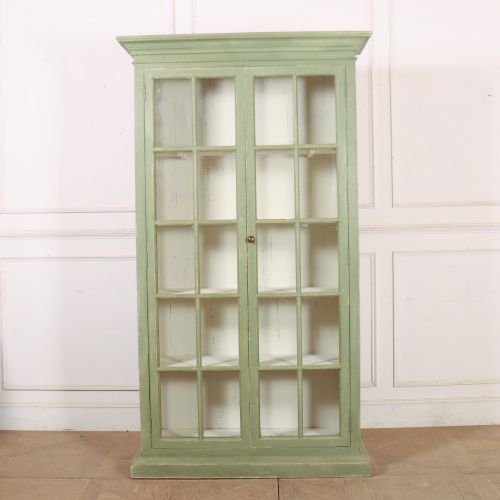


Painted Wood Bookcase Cabinet
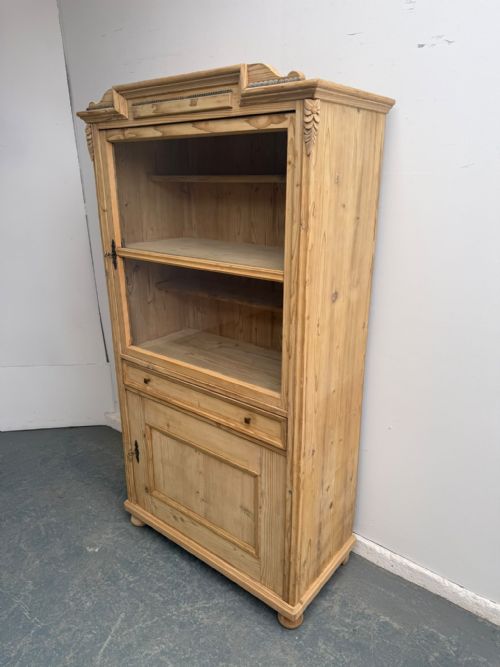
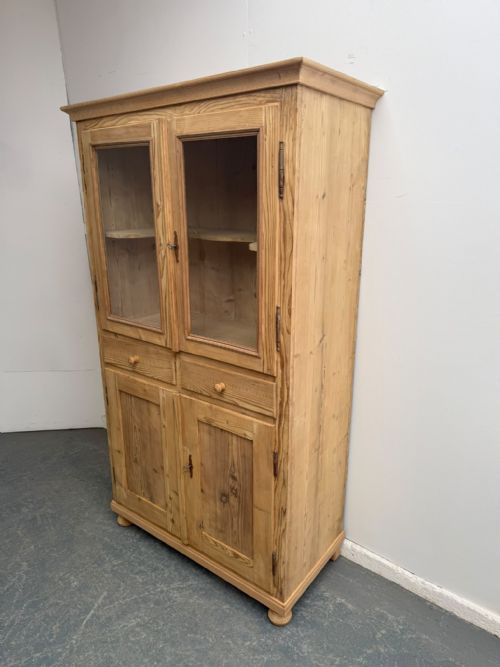
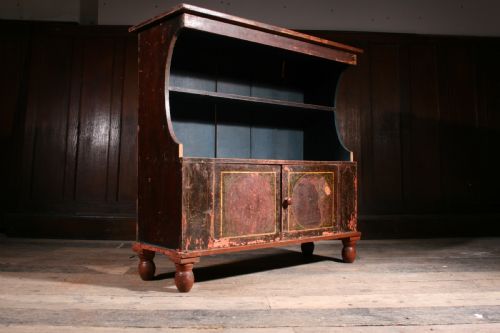
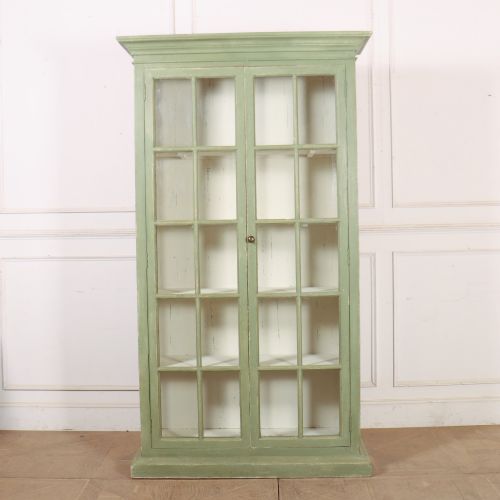
These painted wood bookcase cabinet pieces combine practical storage with decorative painted surfaces spanning several historic periods.

Painted Wood Bookcase Cabinet
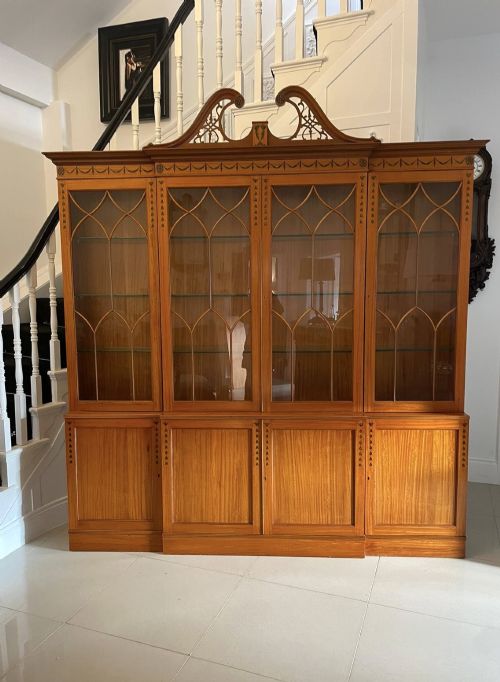
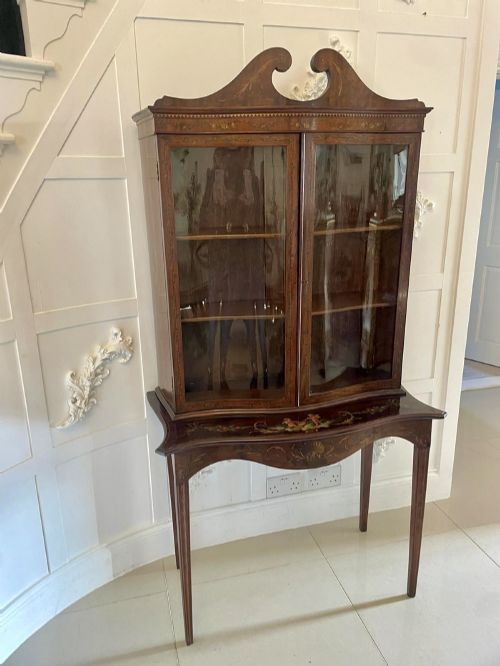
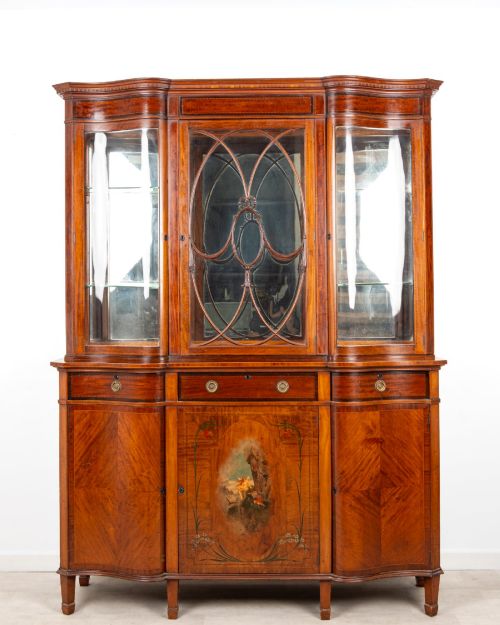
When you search for a painted wood bookcase cabinet, you encounter a variety of storage furniture designed to hold books and display objects while featuring painted exterior finishes. These pieces range from compact corner cabinets and side cupboards to large breakfront display units and bureau bookcases.
The selections on this page predominantly date from the eighteenth, nineteenth, and early twentieth centuries, encompassing Victorian, Edwardian, Georgian, and Regency eras. You will frequently find glazed doors, glass panels, and open shelving alongside original or simulated paint treatments.
Origins vary across English country house pieces, Scottish designs, French library bookcases, and Dutch vitrines. The forms serve both utilitarian storage needs and formal display functions within domestic interiors.
Materials and construction
Makers utilised a foundation of solid woods including pine, mahogany, satinwood, and rosewood, often enhanced with brass hardware and glass panes for doors. Structural integrity relies on traditional joinery suited to heavy timber shelving and large glazed frames.
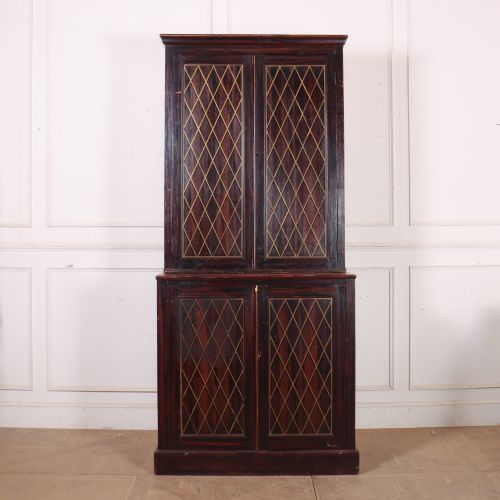
Surfaces received decorative treatments ranging from flat paint, cream and parcel gilt finishes, and black paint to simulated graining such as faux rosewood and faux porphyry marble. Hand-painted decorations frequently incorporated motifs like cherubs, trumpets, and floral garlands.
Design styles span Georgian, Regency, Victorian, Edwardian, and French Provincial periods.
Distinctions in quality
Quality differentiates through the sophistication of the timber preparation and the skill applied to the painted decoration. Pieces retaining original period painted surfaces, hand-painted details, or specialised finishes like simulated rosewood command greater interest than plain utilitarian structures.
Construction refinement shows in the proportion of breakfront layouts, the integration of astragal glazed doors, and the inclusion of adjustable shelving or matching pairs. The precision of inlay work and the presence of documented regional origins further elevate a piece.
The Painted Wood Bookcase Cabinet Glossary
- Astragal
- Glazed door framing where thin wooden bars divide the glass into smaller panes. This technique is common in refined Georgian and Edwardian bookcases.
- Breakfront
- A cabinet design where the central section projects forward from the flanking wings. This configuration adds architectural depth to large bookcases.
- Vitrine
- A glass-fronted display cabinet used for showing porcelain and small objects. These pieces often feature painted or gilded wood structures.
- Simulated paint
- A decorative surface treatment applied to mimic rarer timbers or marbles, such as faux rosewood or porphyry. Artisans used this technique to achieve opulent effects on accessible woods.
- Secretaire
- A cabinet incorporating a pull-down writing flap that conceals small drawers and pigeonholes. These multifunctional pieces combine desk space with bookcase storage.
Painted Wood Bookcase Cabinet: Frequently Asked Questions
How do I identify the period of a painted bookcase?
Dating relies on architectural proportions, moulding profiles, and construction methods characteristic of eras such as the Georgian, Victorian, or Edwardian periods. Secondary indicators include the type of glass in glazed doors and the composition of the timber beneath the paint.
Paint analysis also helps determine age, as original nineteenth-century finishes exhibit distinct wear patterns and pigment applications compared to later restorations.
Were these cabinets originally painted?
Many cabinets received paint finishes from initial manufacture, particularly during the Regency and Edwardian eras when decorative schemes like faux rosewood or parcel gilt were fashionable. Other pieces, especially Victorian pine furniture, were produced to be waxed or painted according to domestic preference.
Distinguishing original decorative paint from later layers involves examining the adhesion, crackle, and wear consistent with the age of the underlying wood.
How should I care for a painted wood finish?
Maintenance requires keeping painted cabinets away from direct sunlight and fluctuating humidity to prevent paint flaking and timber movement. Dusting should be done gently with a dry, soft cloth without applying harsh modern cleaning chemicals.
Wax should only be used if the specific painted surface type permits, as some historical painted finishes are sensitive to oils and solvents.
What is the difference between a display cabinet and a bookcase?
Bookcases are primarily built with sturdy shelves designed to hold heavy collections of books, often featuring adjustable wooden tiers. Display cabinets typically emphasise visibility through extensive glass panels or vitrine doors intended for showcasing decorative objects.
Many examples on this page combine both functions, offering enclosed bookshelf space alongside glazed display compartments.