



Painted Toleware Light
These painted toleware light pieces bring distinct colour and form to an interior, built from sheet metal and brass.
Painted Toleware Light
A painted toleware light piece brings hand-painted sheet metal into domestic and formal spaces as a table lamp, desk lamp, chandelier, wall light, wall sconce, or ceiling lantern. These items emerge primarily from French traditions across the nineteenth century and into the early decades of the twentieth century, including the 1900s, 1910s, 1920s, and 1930s.
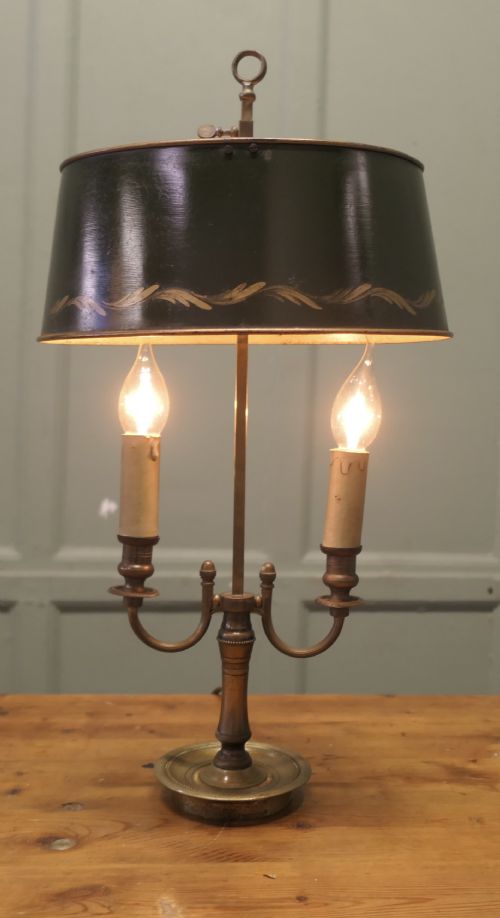
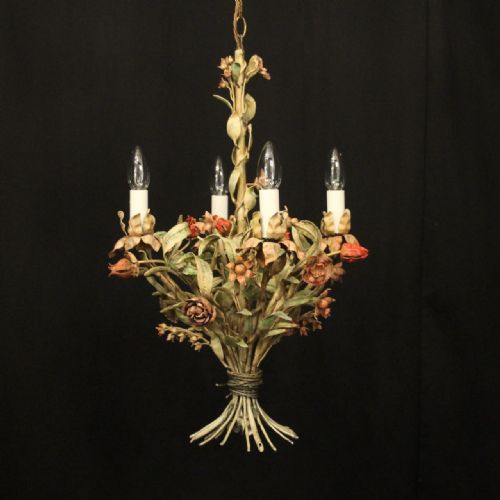
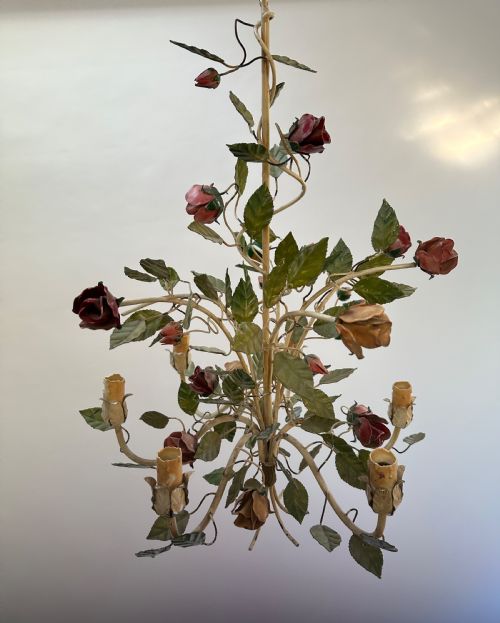
Buyers encounter distinct forms, ranging from twin and triple bouillotte desk lamps with adjustable shades to multi-branched chandeliers and pairs of floral wall lights. The aesthetic spans French Empire, French Chateau, Chinoiserie, Neoclassical, French Country, Empire, and French Neoclassical styles, often combining green, black, and polychrome lacquers with gilt highlights.
The objects serve functional illumination while displaying decorative painting techniques on metal surfaces. They function successfully in traditional studies, drawing rooms, and halls where painted tinplate and brass components complement period furniture.
How painted toleware light pieces were made
Craftsmen shaped sheet metal, tole, painted iron, and sheet metal into cylinders, shades, and backplates, pairing them with cast brass and gilt metal fittings. The base material required careful cutting and forming before receiving layers of paint or lacquer.
Surface decoration relied on polychrome pigments and gold gilt applied over green, black, or dark grounds, sometimes incorporating floral ceramic elements or Chinoiserie motifs. Artisans sealed these painted finishes to protect the tinplate and iron from oxidation during daily use.
Object forms include table lamps, desk lamps, chandeliers, wall lights, wall sconces, and ceiling lanterns executed in French Empire and Chinoiserie styles.
What varies in quality
Quality rests in the crispness of the hand-painted decoration, the integrity of the underlying sheet metal or painted iron, and the substance of the accompanying brass or gilt metal mounts. Pieces featuring detailed polychrome floral work or complex Chinoiserie lacquer demand greater skill than plain green or black monochrome versions.
The balance between the toleware shade and the brass framework dictates structural success, particularly in adjustable bouillotte lamps and multi-light chandeliers. Examples retaining their original patination and matching pairs demonstrate superior workshop provenance compared to altered or mismatched assemblies.
The Painted Toleware Light Glossary
- Toleware
- Painted or lacquered sheet metalware, typically tin-plated iron, shaped into domestic items like lamps and shades. The term derives from the French phrase for painted tin, tole peinte.
- Bouillotte lamp
- An adjustable desk or table lamp featuring a central shaft, candle arms, and a painted metal shade that moves up and down. It takes its name from the card game bouillotte.
- Chinoiserie
- European decorative style reflecting Chinese artistic traditions, often featuring black and gold lacquer work on metal objects. It gained popularity during various historic revivals.
- Polychrome
- Decorated in multiple colours, frequently seen in the hand-painted floral motifs on nineteenth and early twentieth century French light fittings. This technique adds visual depth to the metal surface.
- Gilt metal
- Metal coated with a thin layer of gold or gold-coloured finish, used for accents, mounts, and bobeches alongside painted tole components.
Painted Toleware Light: Frequently Asked Questions
How do I clean a painted toleware light?
Dust the metal surfaces gently with a soft, dry cloth to protect the painted finish and any gilt highlights. Avoid abrasive cleaners or excess water that might damage the lacquer.
Check electrical components periodically if the piece has been converted for modern wiring. Professional rewiring ensures safety while preserving the antique metal body.
What rooms suit a bouillotte lamp?
Bouillotte desk lamps work effectively on writing tables, sideboards, or bedside surfaces where adjustable lighting is useful. Their shaded design directs illumination downward onto the working area.
They pair well with traditional interiors, studies, and libraries. The combination of brass and painted green or black tole coordinates with wood furniture.
How can I tell the period of these lights?
Nineteenth-century examples often exhibit heavier brass castings and hand-applied patination on the iron. Early twentieth-century pieces, including those from the 1920s and 1930s, frequently display brighter polychrome colours and specific stylistic revivals.
Examine the construction of the joints, the type of sheet metal used, and the style of the paintwork. French Empire and Neoclassical forms feature distinct classical motifs compared to French Country styles.
Are pairs harder to find than single lamps?
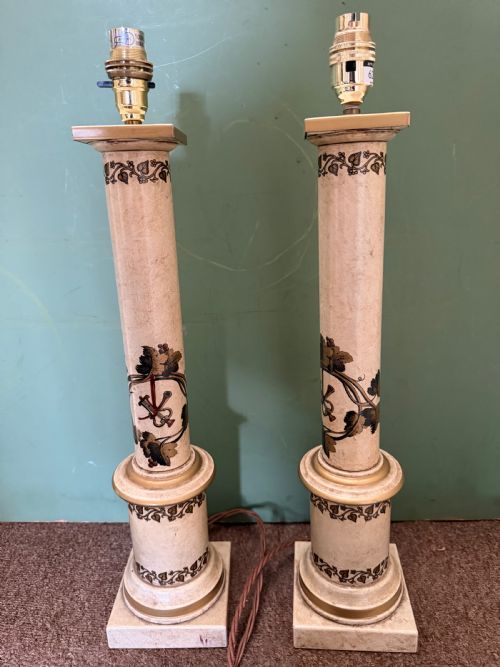
Matching pairs of wall lights, column lamps, and bouillotte lamps occur less frequently than single items due to centuries of separation. Surviving pairs carry higher decorative utility for symmetrical placement.
Look for consistent paint wear and matching brass components across both items. Small variations in hand-painted floral details often confirm their period origin.