



Painted Tile Art
Painted tile art brings together ceramic surfaces and pigment to create decorative wall plaques and framed pictures.
Painted Tile Art
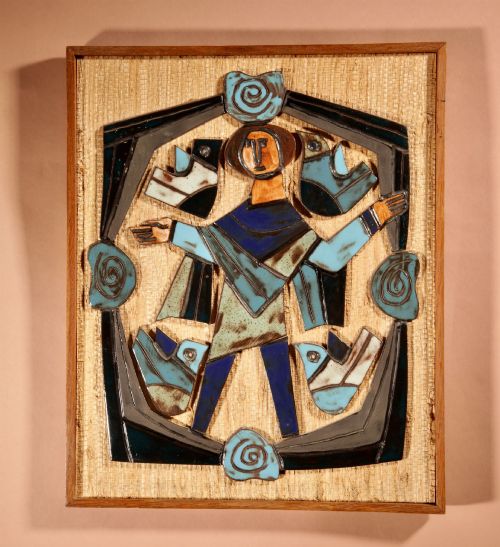
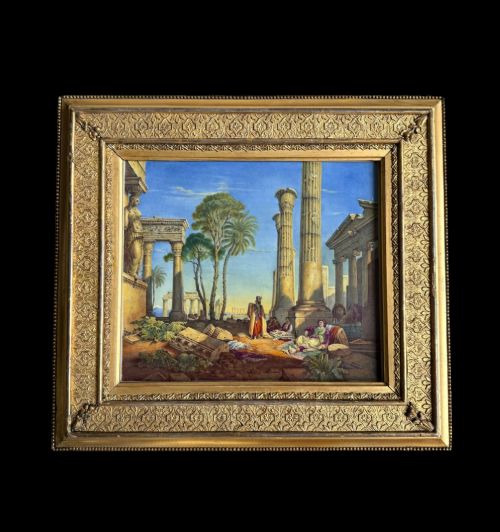
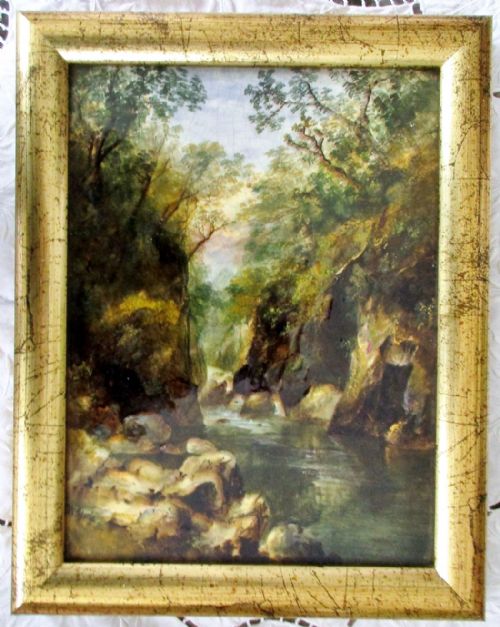
When you search for painted tile art, you are looking at ceramic surfaces embellished with pigment, ranging from Victorian wall plaques to Dutch Delft pieces. These works include porcelain plaques and framed tile pictures that serve as decorative wall art.
You are most likely to meet 19th-century porcelain pieces and framed examples on this page. The selection encompasses English and continental works, as well as Arts and Crafts items.
These objects appear in various forms, from standalone wall plaques to tiles integrated into kitchen dressers. Their origins span English, Dutch, Chinese, and Italian makers.
Materials and construction
Makers utilised porcelain, earthenware, and ceramic as the primary bases for these painted surfaces. Pigment was applied to create detailed scenes, figures, and botanical motifs.
Gold leaf and enamel sometimes appear alongside the pigment to add metallic highlights and rich colour. Wood frames often enclose the ceramic components, while some pieces are mounted directly as wall plaques.
Painted Tile Art Retail Price Guide 2026
Typical asking prices for painted tile art among the pieces listed under this phrase on Sellingantiques today, from the lower quarter to the upper quarter. They describe what is for sale here now, not the wider market.
Some painted tiles spent their early days quietly watching over kitchen spoons before finding themselves framed on a gallery wall.
Assessing quality and execution
The finesse of the brushwork largely determines the distinction between standard production and superior execution. Detailed figurative painting and precise polychrome glazes separate finer examples from simpler decorative wares.
The quality of the ceramic body and the preservation of the painted surface dictate the overall standing of a piece. Intricate detail in subjects like portraits or landscapes indicates higher artistic ambition.
William de Morgan·KPM Porcelain
The Painted Tile Art Glossary
- Porcelain
- A hard, white ceramic material fired at high temperatures. It provides a smooth, refined surface ideal for detailed miniature painting.
- Polychrome
- Decoration executed in multiple colours. This technique allows for vibrant and varied pictorial scenes on ceramic plaques.
- Faience
- Tin-glazed earthenware produced in Europe, particularly in Italy and France. It offers an opaque white ground for painted designs.
- Chinoiserie
- European artistic styles reflecting Chinese motifs and decorative patterns. These designs were often rendered in blue or polychrome on tiles and plaques.
Painted Tile Art: Frequently Asked Questions
What is painted tile art?
Painted tile art consists of ceramic or porcelain surfaces decorated with applied pigment, often framed for display or mounted directly onto walls and furniture. These pieces range from floral motifs to complex figurative scenes.
Items in this category include individual plaques, framed pictures, and tiles set into larger wooden pieces like dressers. They reflect diverse stylistic traditions across multiple centuries.
How were these plaques displayed?
Many of these pieces were framed in wood to hang on walls as independent artworks. Others were incorporated directly into architectural settings or furniture, such as kitchen dressers.
Collectors often mount framed tile pictures alongside traditional paintings or place wall plaques to highlight specific ceramic traditions.
What periods do these pieces represent?
The available selection spans from the eighteenth century through to the early twentieth century. Pieces from the Victorian era and the Arts and Crafts movement are frequently represented.
Earlier examples include Dutch Delftware, while nineteenth-century works often showcase detailed porcelain painting from various European factories.
How do I care for painted tiles?
Keep ceramic plaques away from direct, harsh sunlight to protect the pigments from fading over time. Dust gently with a dry, soft cloth and avoid chemical cleaners.
Ensure that any wooden frames are kept in stable humidity conditions to preserve both the mount and the ceramic piece securely.