



Painted Terracotta Figure
When you search for a painted terracotta figure, you seek a tangible link to historical craftsmanship that brings character and presence to any interior.
Painted Terracotta Figure
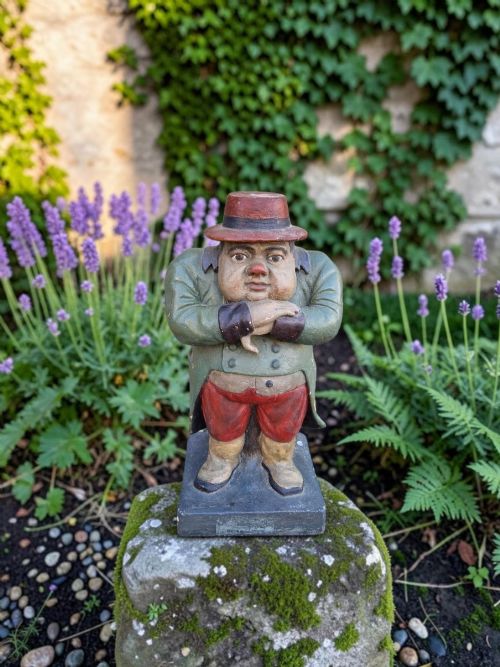
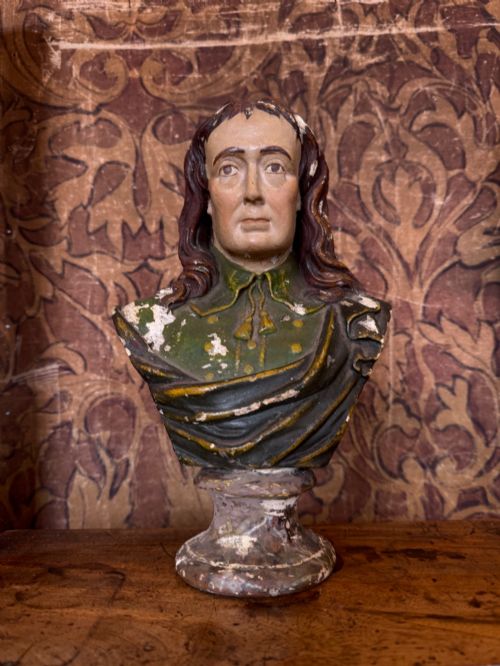
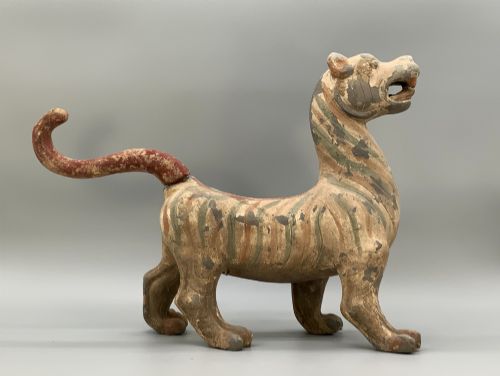
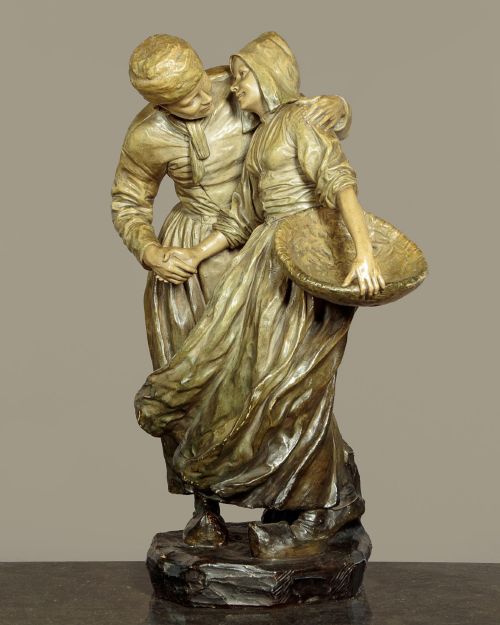
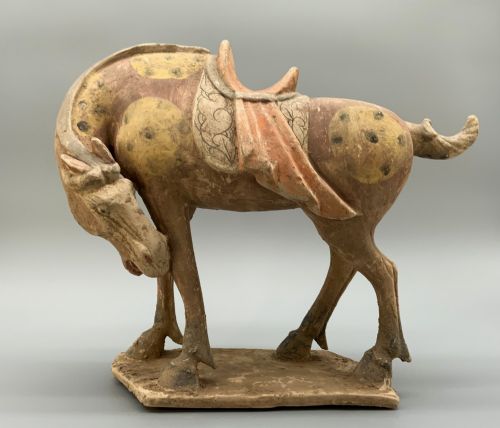
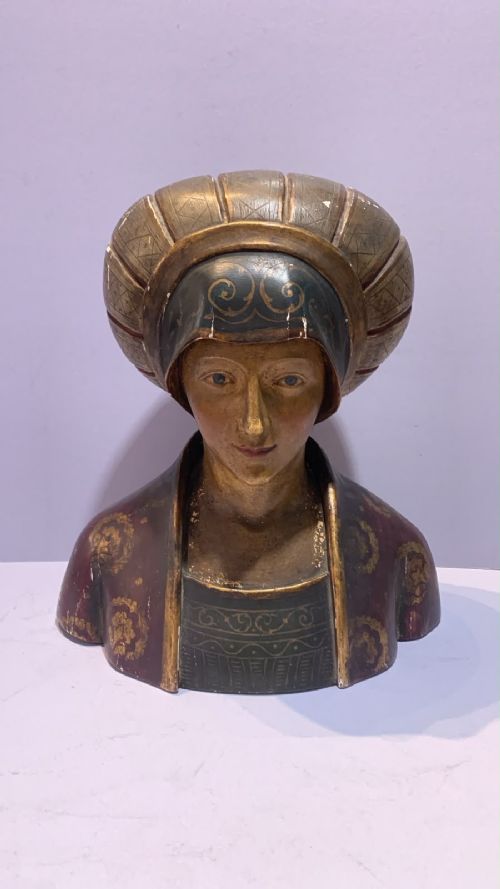
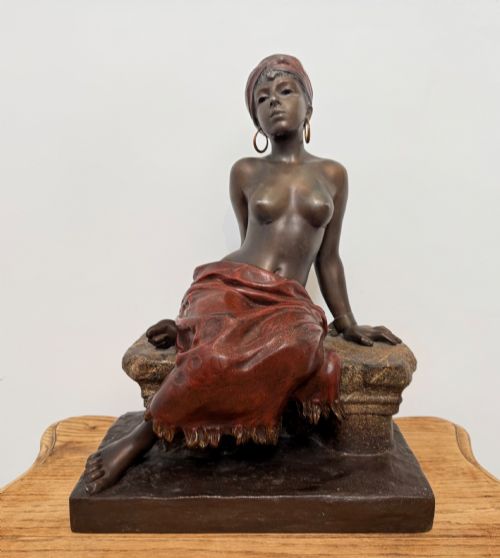
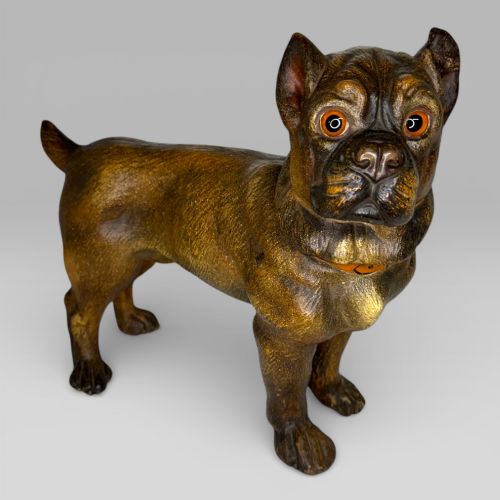
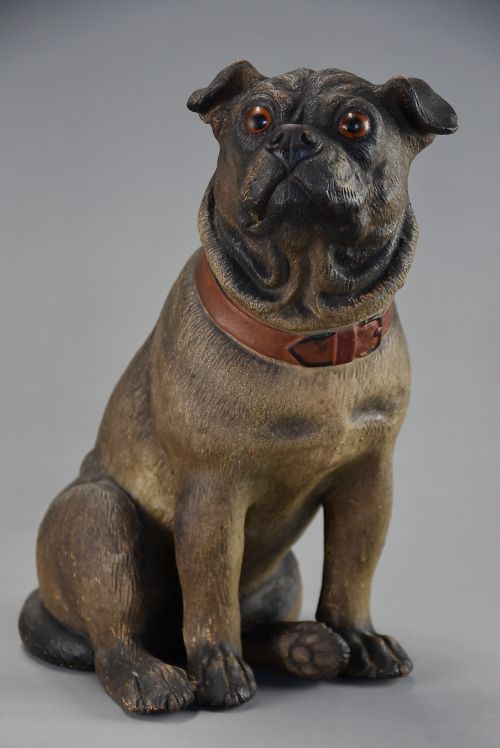
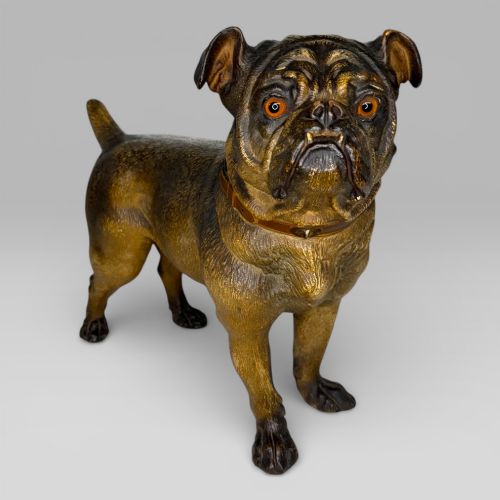
A painted terracotta figure encompasses sculptural works shaped from baked clay and finished with pigmented surfaces, ranging from European portrait busts and animal studies to ancient funerary models.
The version most commonly encountered on this page originates from the late nineteenth and early twentieth centuries, particularly from Austrian workshops producing detailed human subjects and lifelike animals.
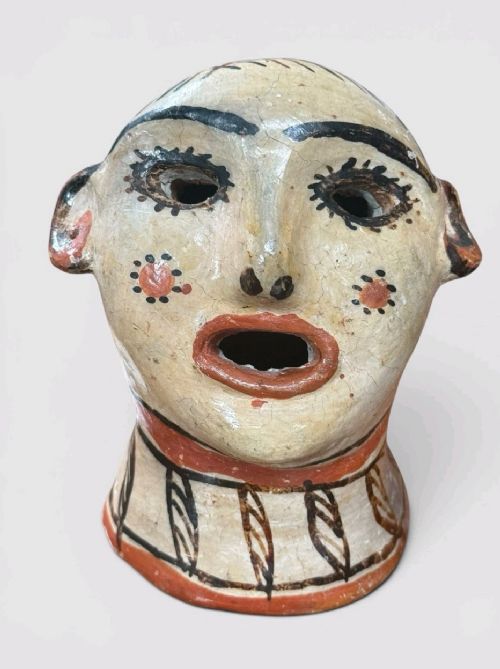
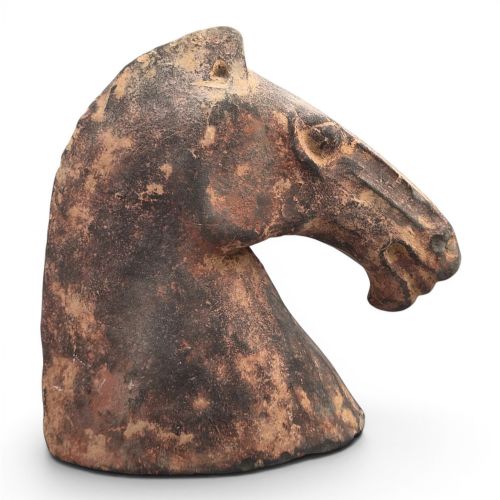
Alongside European studio ceramics, the selection extends to ancient traditions including Chinese tomb figures and Peruvian folk art, reflecting diverse cultural approaches to modelling and painting clay.
How they were made
Maker's shaped fine clay either by hand or within moulds before firing the material in a kiln to achieve a durable ceramic body.
Painted Terracotta Figure Retail Price Guide 2026
Typical asking prices for painted terracotta figure among the pieces listed under this phrase on Sellingantiques today, from the lower quarter to the upper quarter. They describe what is for sale here now, not the wider market.
Listings feature works spanning from pre-sixteenth century ancient pottery to twentieth-century European sculptures in terracotta, earthenware, and porcelain.
What varies in quality
The finesse of the initial modelling dictates the realism and expression of the subject, distinguishing masterworks from standard commercial output.
Preservation of the original surface decoration plays a central role, as intact and undisturbed paint layers preserve the intended visual impact of the piece.
Goldscheider·E Villanis·Bernard Bloch·Ernst Whaliss
The Painted Terracotta Figure Glossary
- Terracotta
- A porous, brownish-red earthenware clay that is fired at relatively low temperatures and used extensively for sculpture and pottery.
- Cold painted
- A technique where oil or enamel paint is applied to a bronze or terracotta object after firing, without being refired in a kiln.
- Slip
- A liquid mixture of clay and water applied to pottery or sculpture before firing to smooth the surface or add decorative colour.
- Mingqi
- Chinese burial goods and spirit figures placed in tombs during dynasties such as the Han to accompany the deceased.
- Grand Tour
- A cultural journey undertaken by nineteenth-century Europeans to collect art and antiquities across the continent.
Painted Terracotta Figure: Frequently Asked Questions
What is a painted terracotta figure?
A painted terracotta figure is a three-dimensional sculpture formed from baked clay and adorned with pigment or cold-painted decoration.
These works range from nineteenth-century European studio figures to ancient tomb pottery, serving primarily as decorative display items or historical artefacts.
How should I clean my figure?
Dust the surface gently with a soft, dry brush to prevent accumulation without disturbing the delicate painted layer.
Avoid using water, liquid cleaners, or abrasive cloths, as moisture can easily lift cold-painted finishes or penetrate the porous terracotta body.
Where were these figures made?
Many European examples originate from Austrian and French workshops active during the nineteenth and early twentieth centuries.
Other specimens hail from historical cultures in Asia and South America, reflecting distinct regional materials and ceramic traditions.
How do I identify the period?
Examine the style of modelling, clothing, and surface decoration, comparing them with documented movements like Art Nouveau or historical eras.
Maker's marks, stamps, and the specific composition of the clay and paint layers also provide reliable indicators of age and origin.