
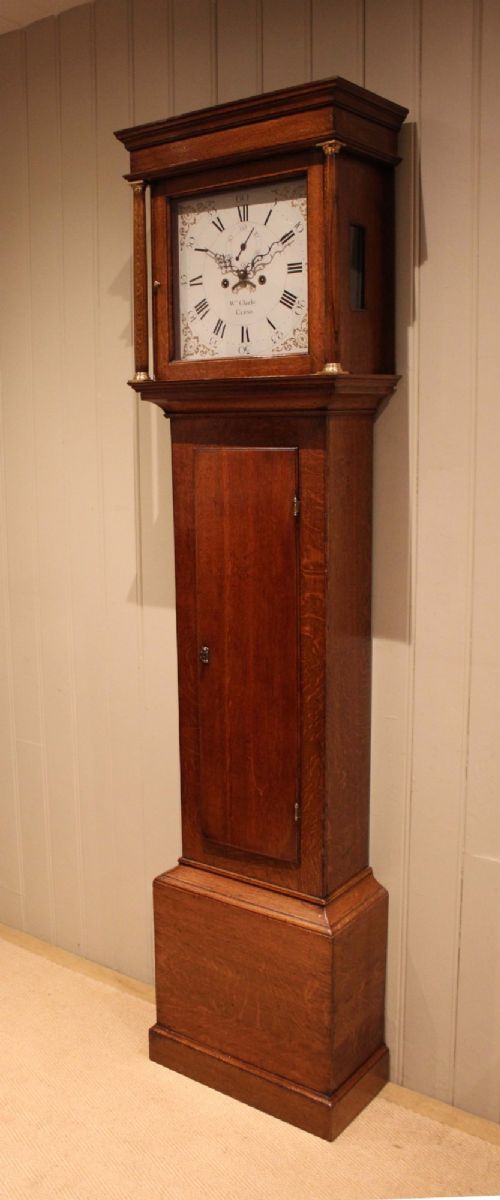
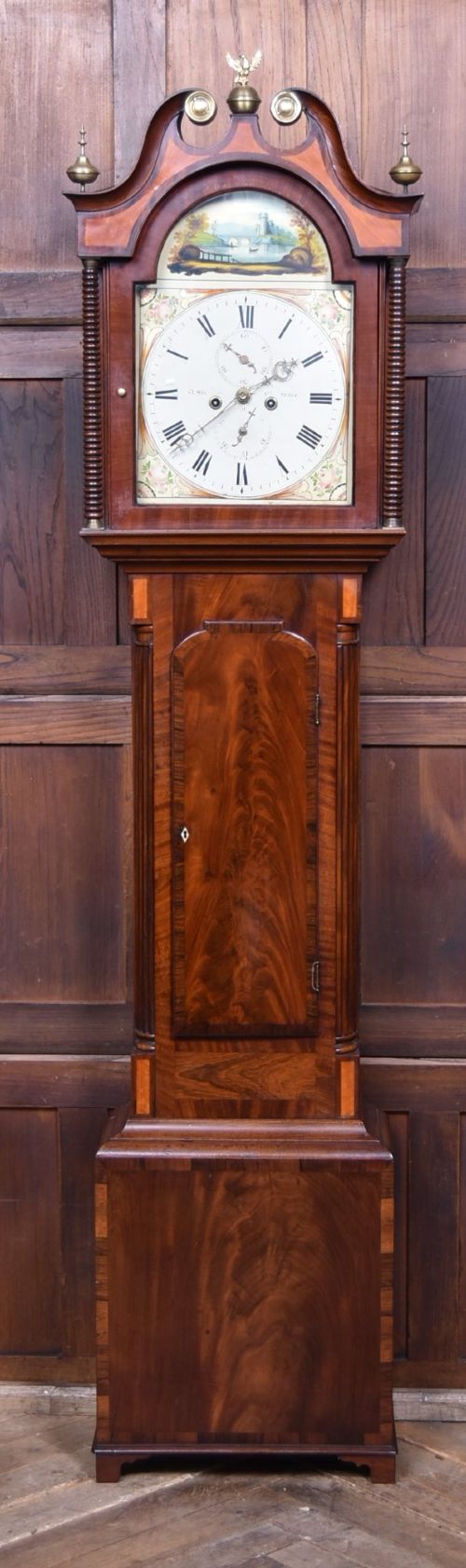

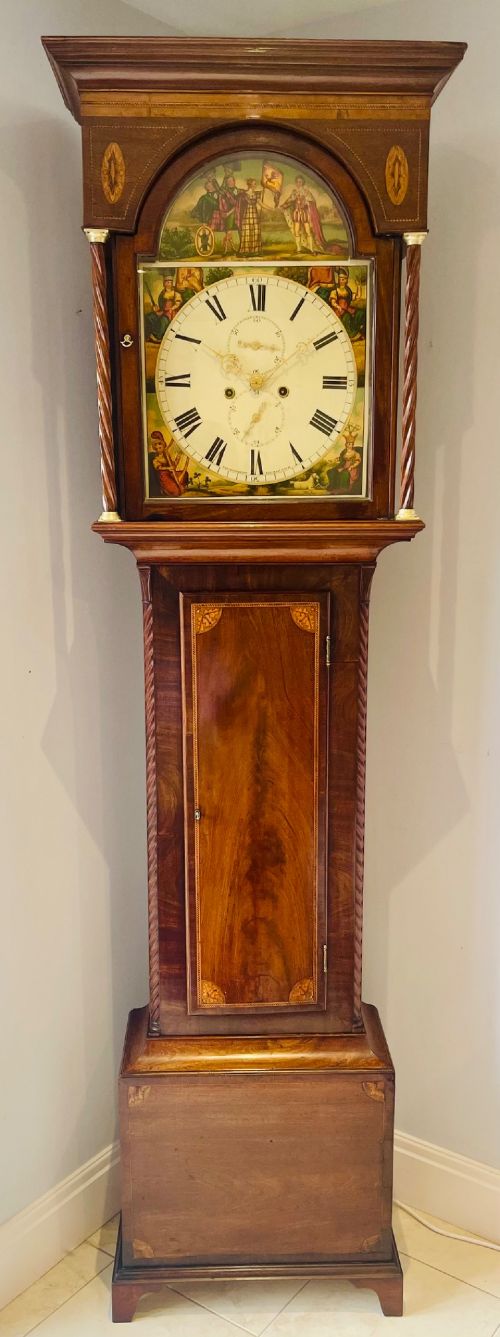
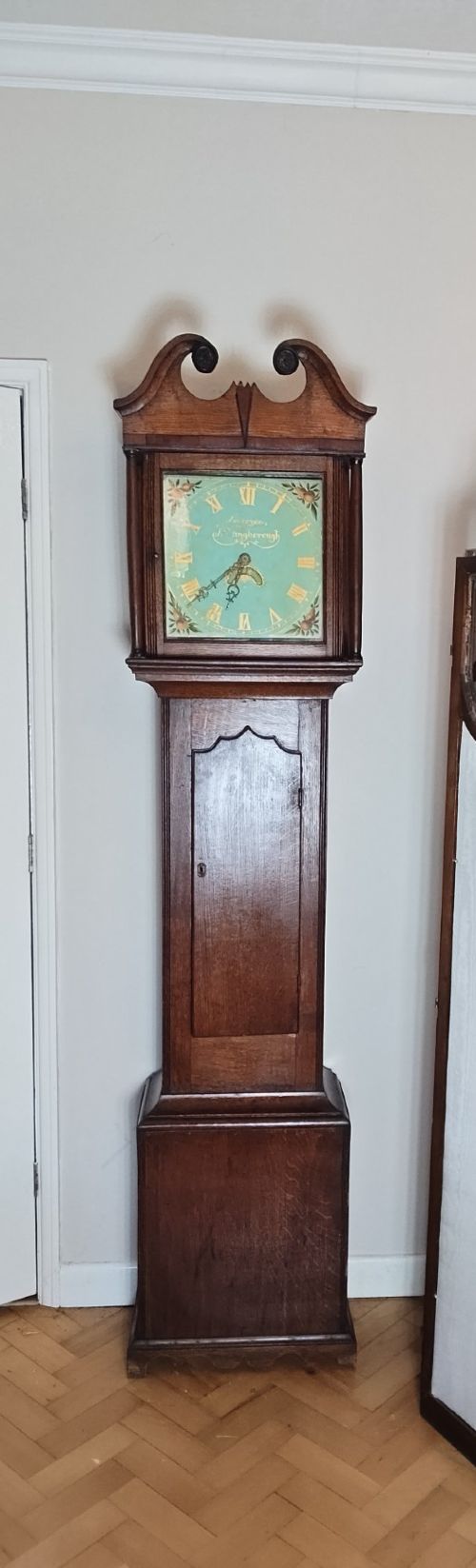
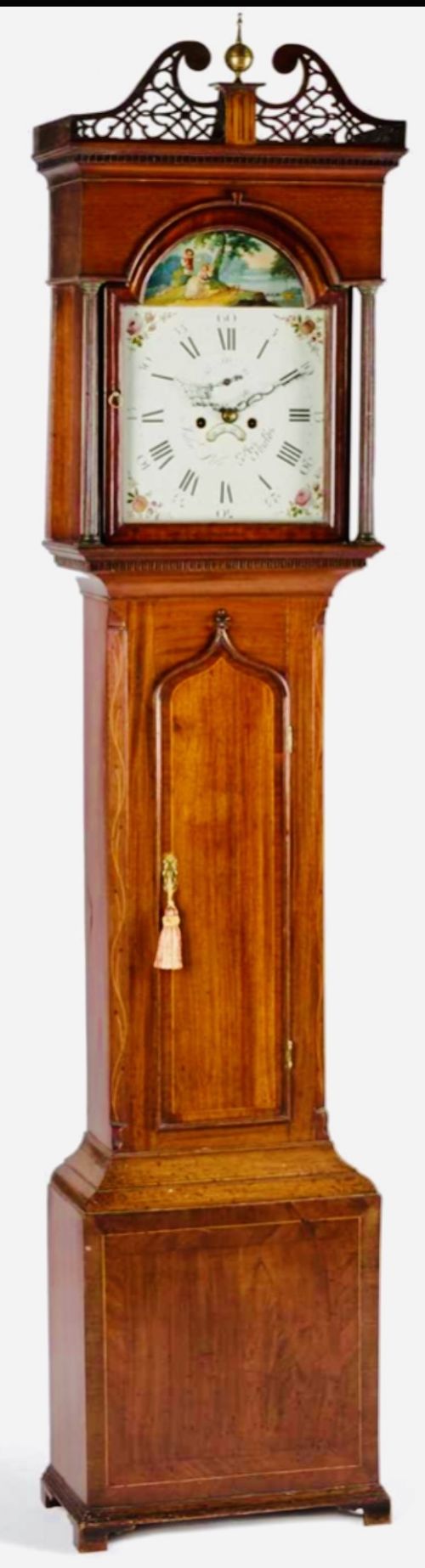
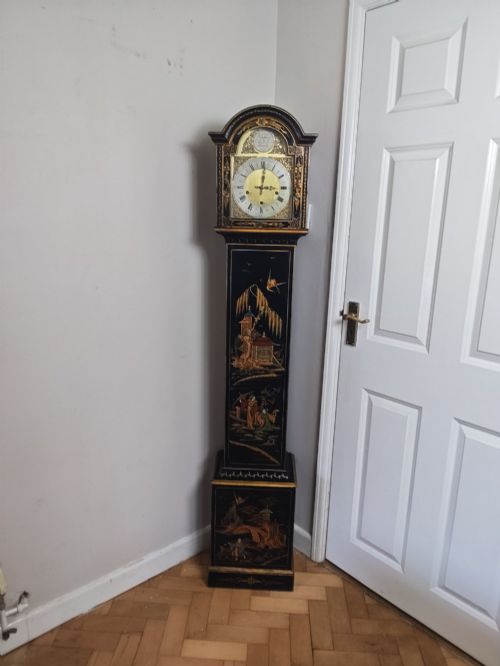
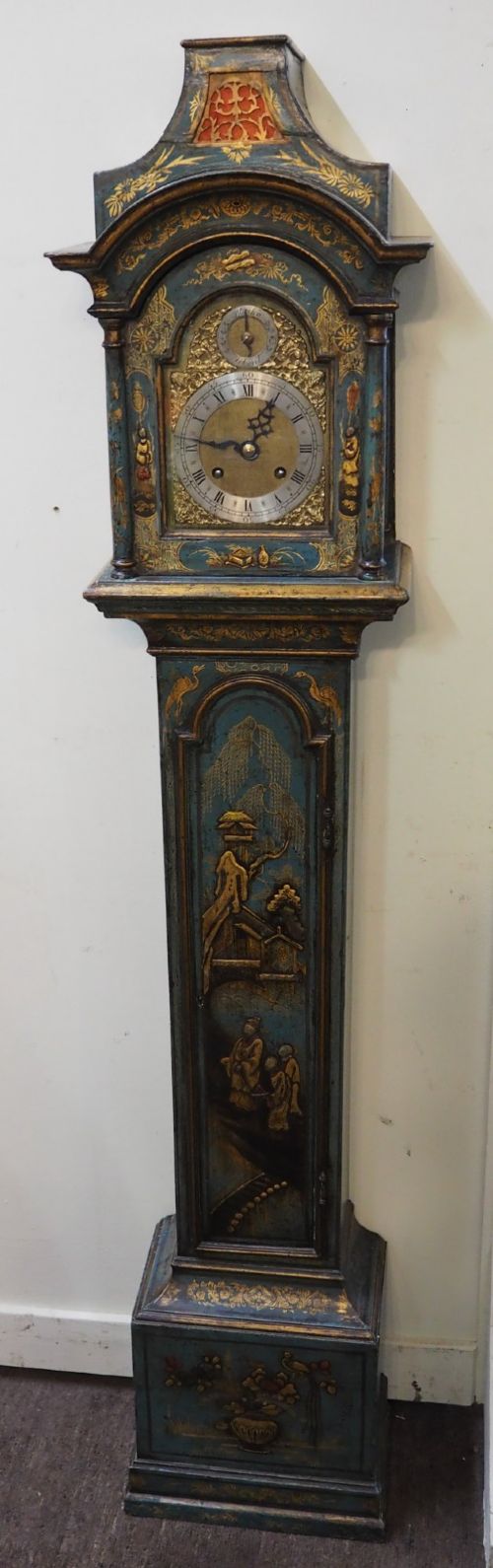
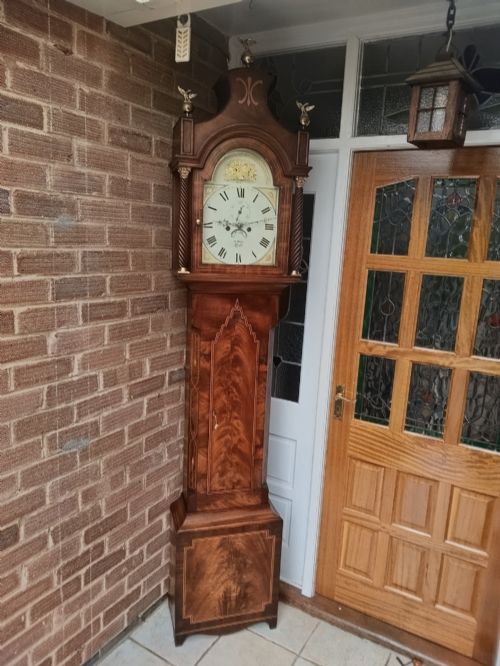
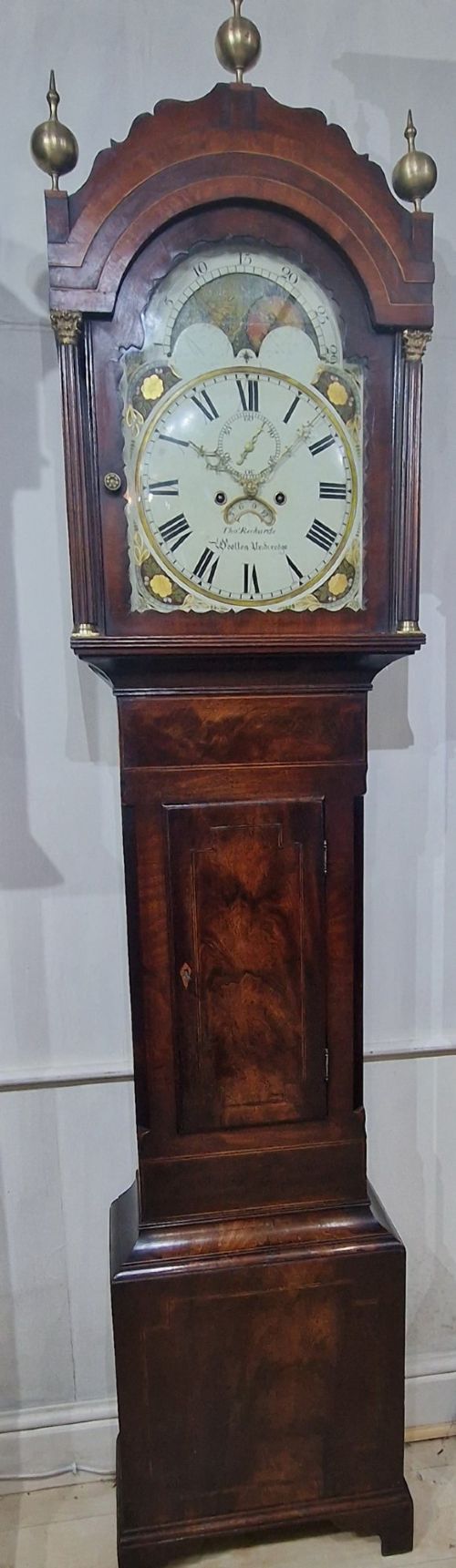
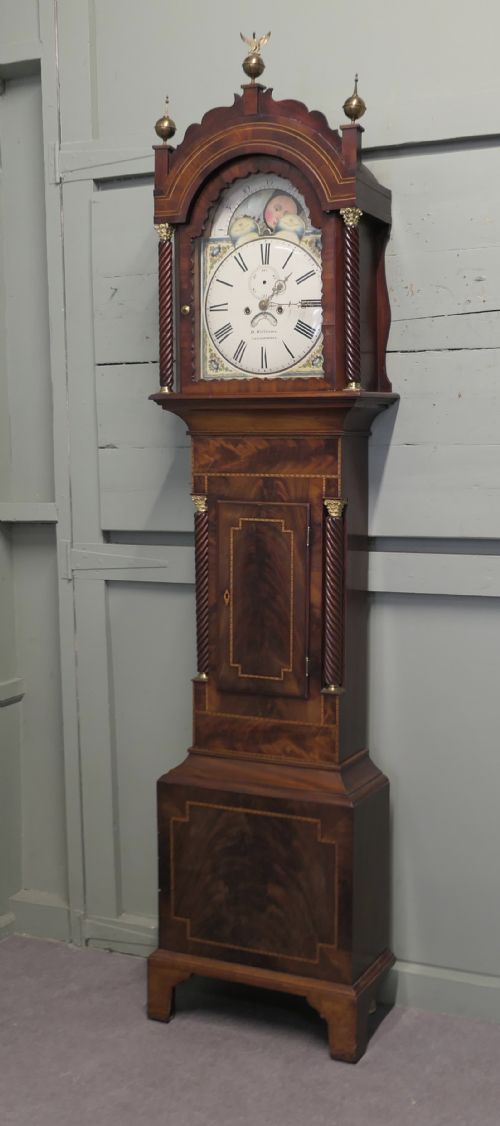

Painted Tallcase Clock
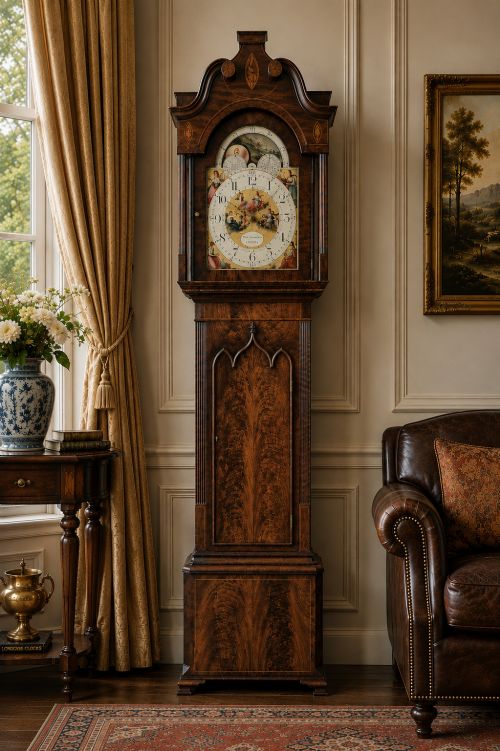
A painted tallcase clock stands as a towering piece of functional furniture, offering both timekeeping and presence to a room.
Painted Tallcase Clock
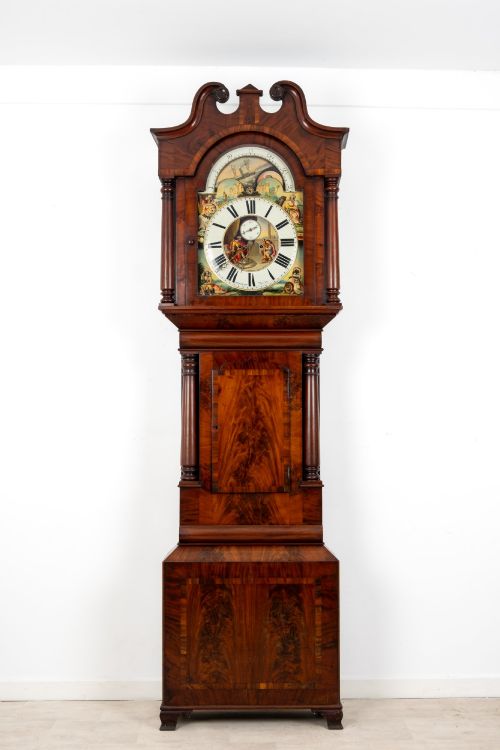
When searching for a painted tallcase clock, buyers encounter floor-standing timepieces that span periods from the Georgian era through the Victorian age and into the twentieth century. These objects combine tall wooden cases with dial faces, often rendered in forms such as longcase, grandfather, or smaller grandmother clocks.
The versions most frequently met on this page originate from Georgian and nineteenth-century workshops, alongside regional variations from Scottish and Welsh makers. They serve as major vertical focal points in domestic interiors, housing mechanical movements behind protective glass and wood doors.
How They Were Made
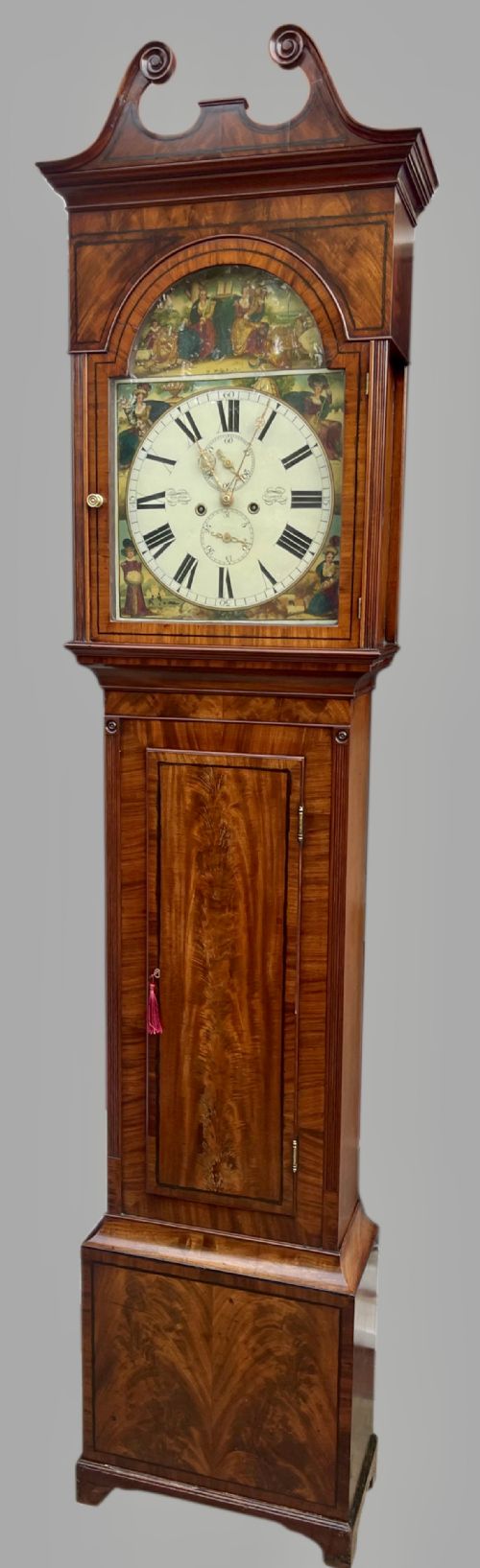
Cabinetmakers constructed the tall housings using timbers like oak and mahogany, occasionally applying flame veneers, inlay, or coloured lacquer finishes such as blue and duck egg blue. Dial faces incorporated painted iron, enamel, and brass components to display the hours.
Clockmakers fitted mechanical movements driven by weights and dials, sometimes including moonphase complications, subsidiary seconds, or musical chime tubes. Cases were proportioned to house the swinging pendulum safely while displaying the dial at eye level.
Some models feature painted horses galloping across the dial, ensuring time is kept in equine company.
What Varies in Quality
The calibre of cabinetwork defines the upper tier of these timepieces, distinguished by carefully chosen timber grains, precise inlay work, and well-balanced proportions across the hood, trunk, and base. Finer examples show crisp carving and harmonious joinery that has survived centuries without losing structural integrity.
Movement execution also separates standard pieces from exceptional ones, particularly where dial artistry, signed makers' names, and complex mechanisms like moon phases or eight-day trains are involved. The legibility and execution of the painted dial surface contribute significantly to the overall standing of the clock.
D. Straiton, Montrose·Tait, Peebles·Samuel Kellett of Bredbury·Parkinson Bros, Batley·Rickards, Wotton Under Edge·D Williams of Crickhowell·Edward Shepley of Manchester·Thomas Webbe of New Quay·Richard Sharkey Birmingham·Thwaites, London·Charles Dowsett Of Canterbury·Edward White Birmingham·Benjamin Peers, Chester
The Painted Tallcase Clock Glossary
- Tallcase clock
- A tall, floor-standing timepiece enclosing a pendulum and weights within a wooden case. These items are frequently referred to as grandfather clocks.
- Moonphase
- A mechanism on the dial that tracks the lunar cycle through a rotating painted disc. This complication adds visual interest and mechanical complexity to the face.
- Chinoiserie
- A decorative style employing European interpretations of Chinese motifs and lacquering techniques. It appears on select tallcase and grandmother clock surfaces.
- Grandmother clock
- A smaller, more slender version of the traditional tallcase clock. These scale down the proportions while retaining the longcase movement style.
Painted Tallcase Clock: Frequently Asked Questions
What is a painted tallcase clock?
A painted tallcase clock is a tall wooden timepiece designed to stand on the floor, featuring a decorated dial face that displays the time. These pieces combine cabinetmaking with mechanical clockwork.
They serve as prominent furniture items in a home, housing weights and a pendulum within a protective trunk.
How do I wind an eight day clock?
An eight-day clock requires winding approximately once a week using a specialised key inserted into holes on the dial face. This action pulls the internal weights back to the top of the case.
Careful handling ensures the movement remains undamaged during the winding process.
Where should I place a tallcase clock?
These clocks require a stable, level floor and solid wall attachment to ensure the pendulum swings freely and keeps accurate time. Placing them away from direct sunlight and damp areas protects the wood and painted surfaces.
Hallways, landings, and living rooms provide traditional settings where their height can be appreciated.
How do I tell Georgian clocks apart from Victorian ones?
Georgian examples often exhibit restrained proportions and specific regional dial painting styles associated with eighteenth-century craftsmanship. Victorian pieces frequently display heavier mahogany cases and distinct regional signatures.
Examining the construction of the case interior and the style of the painted iron dial helps determine the period of origin.