

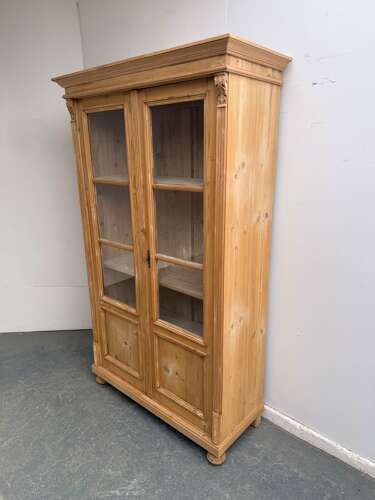

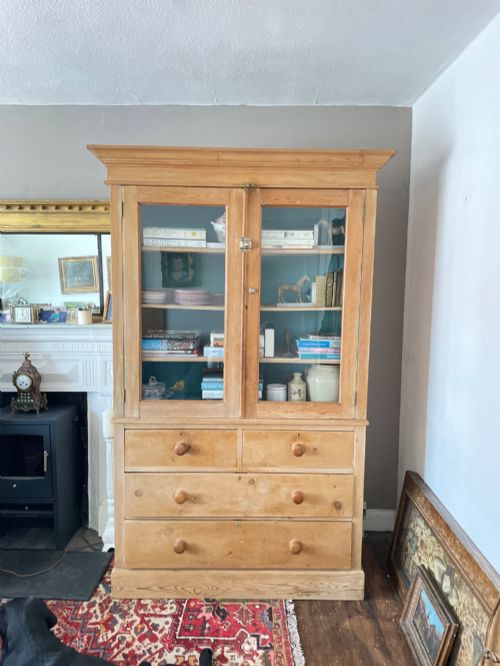
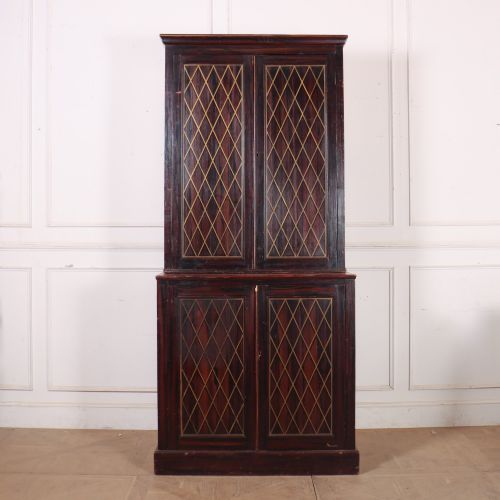
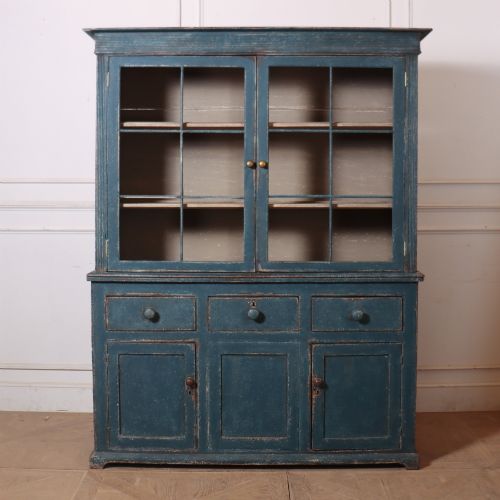
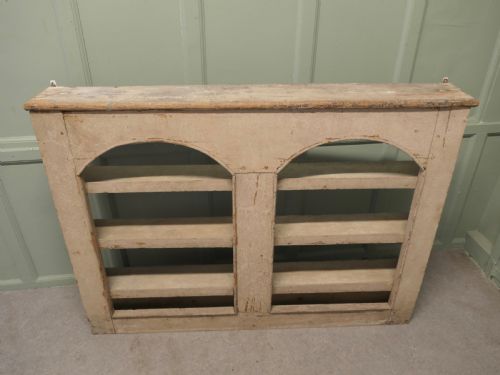
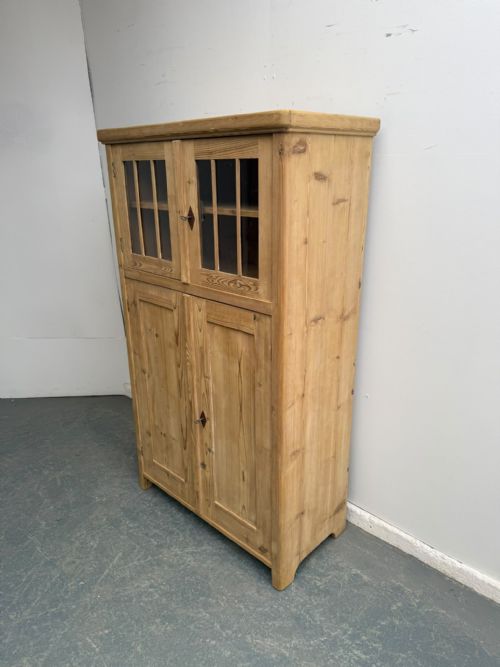
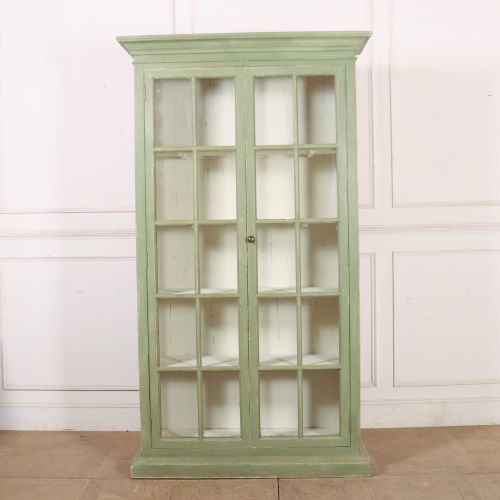

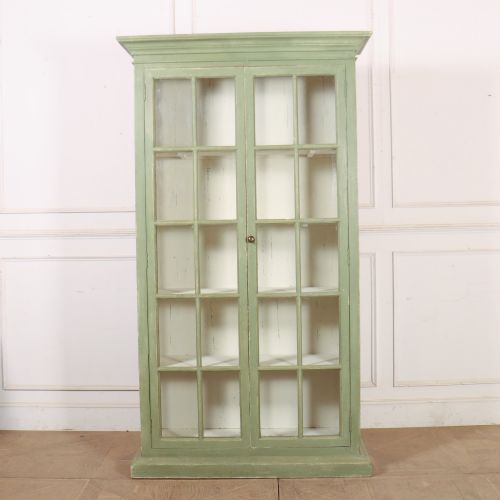

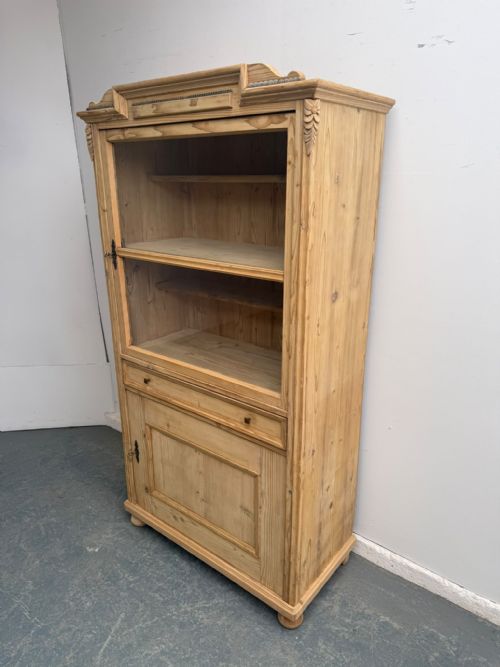
Painted Storage Bookcase
These painted storage bookcase pieces offer practical shelving combined with decorative painted surfaces, bringing functional storage and period character to any room.
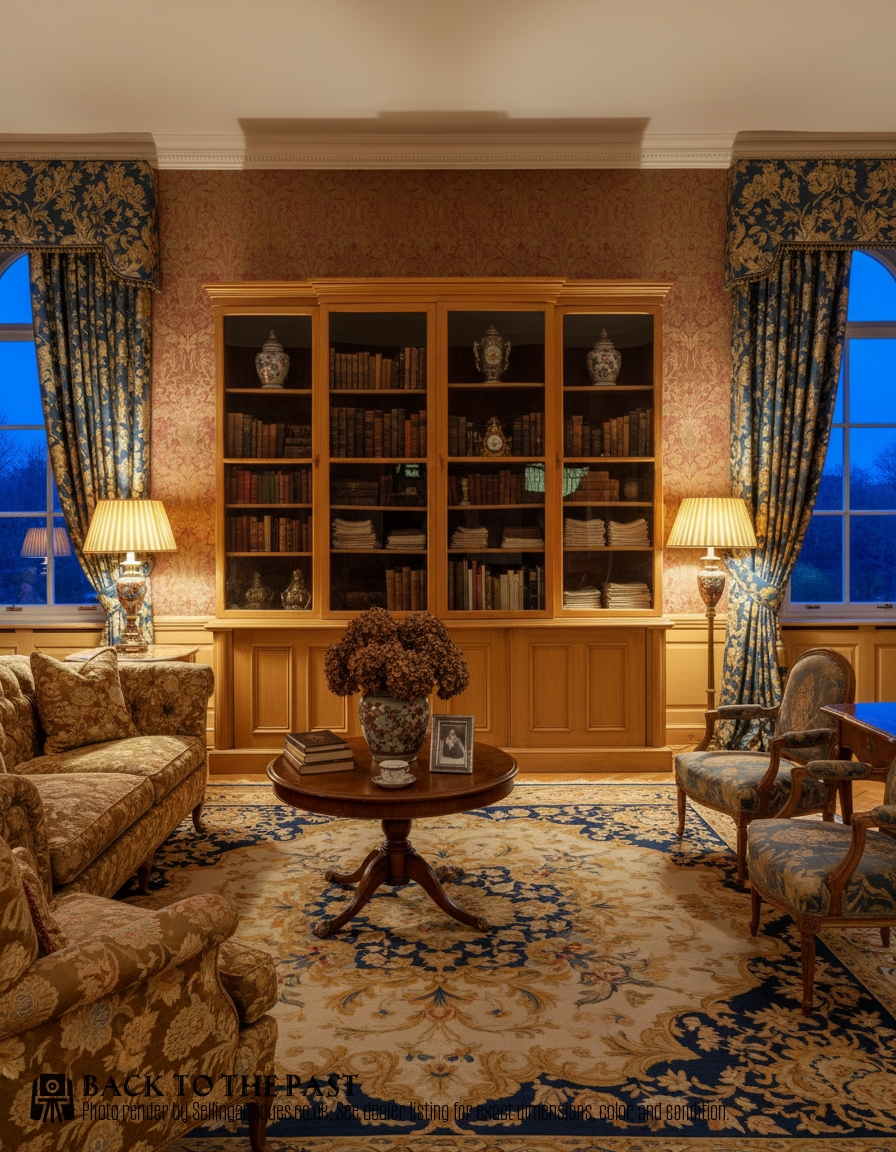
Painted Storage Bookcase
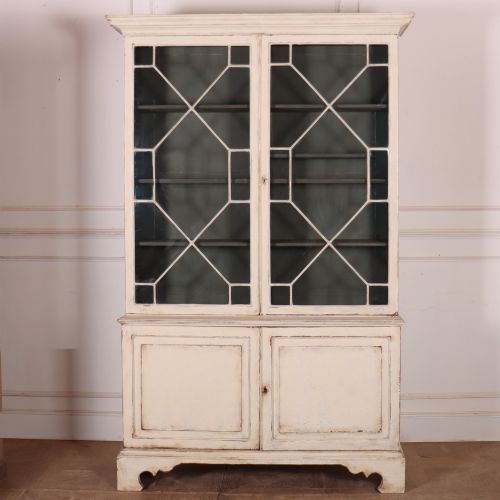
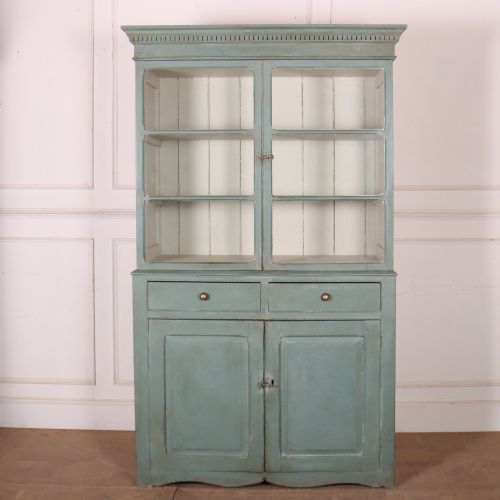
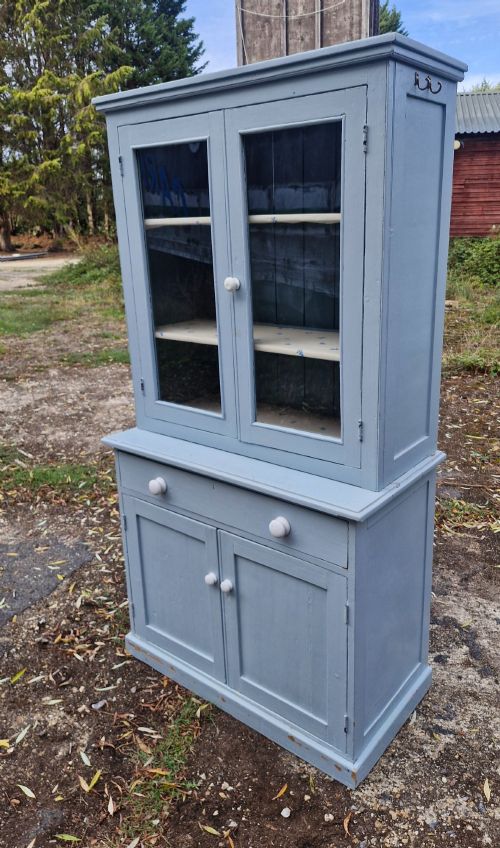
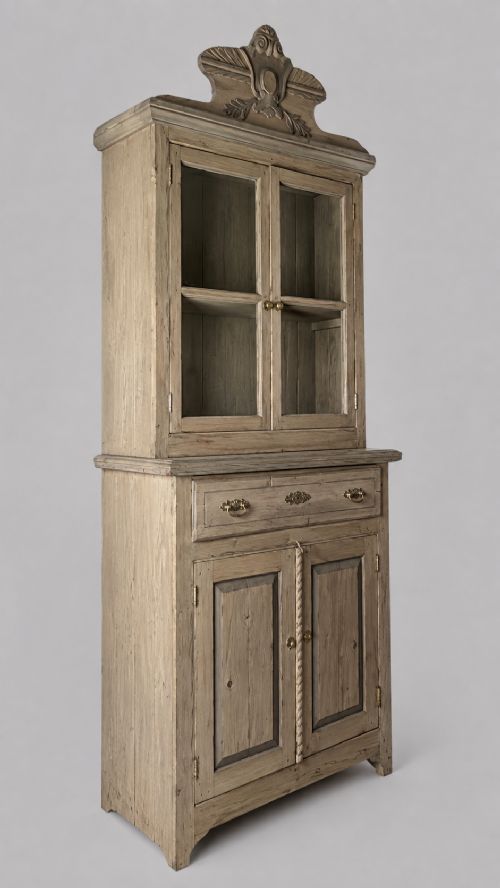
A painted storage bookcase combines open or glazed shelving with enclosed cupboards, designed to hold books and household goods while displaying a painted finish. These pieces span several centuries and styles, ranging from rustic farmhouse cupboards to refined Georgian and Victorian designs.
The most common examples on this page are nineteenth century pine pieces originating from English, Scottish, and French workshops. They appear in various forms, including kitchen dressers, glazed display cabinets, and two-part cupboards with painted exteriors or interiors.
Makers and builders utilised durable local woods like pine and oak, finishing them with paint, wax, or grained surfaces. Buyers find items tailored for specific domestic uses, such as housekeeper larders, alcove cupboards, and school art department cabinets.
How they were made
Makers constructed these storage pieces predominantly from solid pine and timber, often pairing wooden frames with glass panel doors and brass or iron hardware. Surfaces were treated with protective coats of paint, wax, or specialist grained finishes to enhance the appearance of the wood.
Construction techniques varied from utilitarian workshop builds for institutional or country use to more formal cabinetmaking methods seen in satinwood and walnut breakfront designs. Glazing bars held individual glass panes securely within doors designed to showcase shelved contents.
Painted Storage Bookcase Retail Price Guide 2026
Typical asking prices for painted storage bookcase among the pieces listed under this phrase on Sellingantiques today, from the lower quarter to the upper quarter. They describe what is for sale here now, not the wider market.
Listings feature nineteenth century pine storage pieces alongside eighteenth century English glazed bookcases and Edwardian painted cabinets.
What varies in quality
The standard of a painted storage bookcase depends on the integrity of its original construction, the balance of its proportions, and the authenticity of its surface finish. Pieces retaining early or original paint schemes command greater interest than later, heavy-handed overpainting.
Superior examples demonstrate careful joinery, such as well-fitted doors, stable shelving, and properly functioning brass or iron hardware. Finer Georgian and Victorian pieces show refined detailing like satinwood decoration, whereas country pieces rely on robust vernacular framing.
The Painted Storage Bookcase Glossary
- Breakfront
- A cabinet design where the central section projects forward from the flanking outer sections. This architectural arrangement adds depth and visual interest to larger bookcases and dressers.
- Glazed cupboard
- A storage piece featuring glass-fronted doors that allow contents to be viewed while protected from dust. These frequently serve as display cabinets or bookcase combinations.
- Kitchen dresser
- A traditional dual-purpose furniture form combining lower cupboards or drawers with upper open shelves or glazed compartments. They were historically utilised for storing and displaying culinary ware.
- Grained finish
- A painted surface treatment designed to imitate the natural grain of more expensive exotic timbers. Artisans used specialist brushes and combs to manipulate the wet paint layer.
- Two-part cupboard
- A large storage unit constructed in separate upper and lower sections for ease of transport and placement. The pieces stack together to form a full-height cabinet.
Painted Storage Bookcase: Frequently Asked Questions
How are painted storage bookcases used today?
These versatile pieces serve multiple functions in modern homes, from holding book collections in studies to storing crockery in kitchens and dining rooms. Glazed upper sections allow for decorative display while lower cupboards keep clutter concealed.
The varied configurations, including breakfronts and dresser formats, adapt easily to different room layouts and storage requirements.
What materials were used to build these bookcases?
The primary material encountered across these listings is solid pine, often painted or waxed, alongside other timbers such as oak, walnut, and satinwood. Glazing relies on glass panels set within wooden frames, supplemented by brass or iron handles and hinges.
Surfaces feature layered paint applications, historical wax treatments, or decorative gilt and painted motifs.
How do I distinguish between country and formal styles?
Country pieces, such as those from Scottish and West Country workshops, typically utilise pine and exhibit straightforward, robust joinery suited for utilitarian domestic tasks. They focus on practical storage like food cupboards and larder units.
Formal styles incorporate refined timbers like satinwood and walnut, featuring architectural elements such as breakfronts and fine painted decorations typical of Georgian and Victorian urban cabinetmaking.
Are the painted finishes original on these pieces?
Paint history varies significantly across the inventory, with some items retaining their early or original pigmented surfaces while others have been decorated at a later date. Descriptions often note whether a piece is presented in its original finish or prepared for painting.
Examining the wear patterns and underlying timber helps determine the age and application method of the surface coating.