


Painted Shop Counter
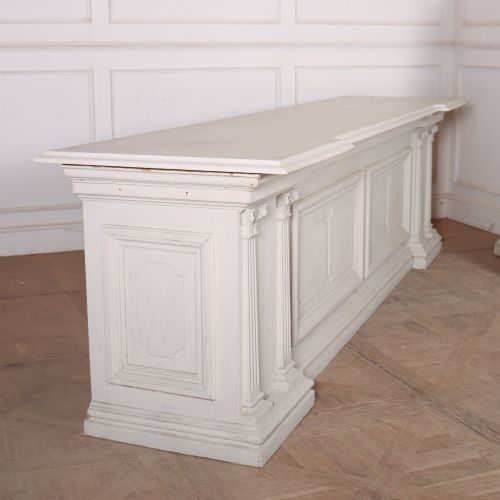
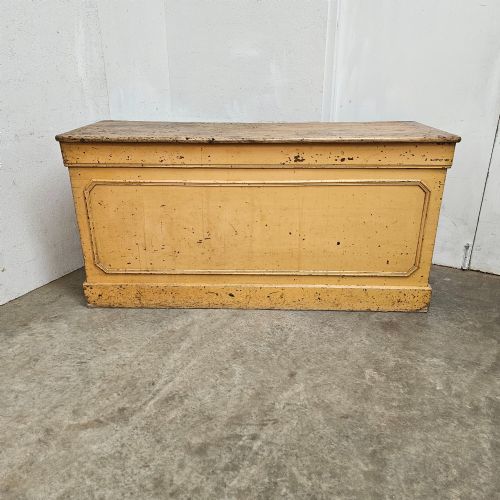
A painted shop counter brings grounded utilitarian presence into a room, offering generous surface area and enduring character formed through decades of commercial use.
Painted Shop Counter
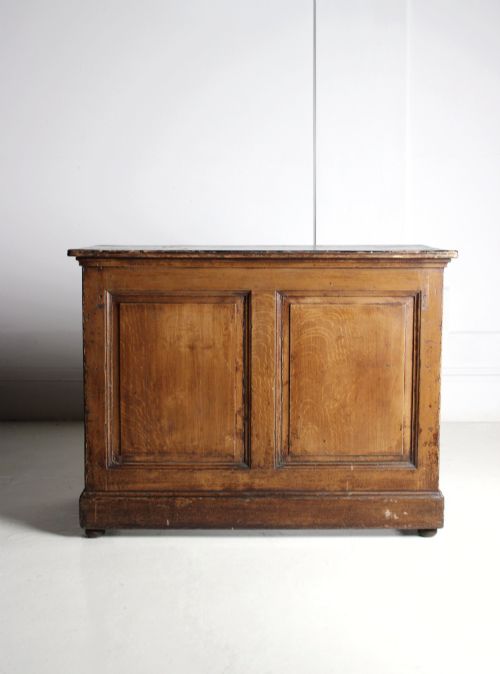
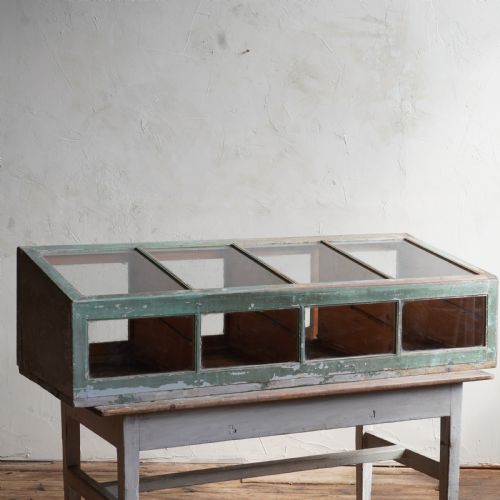
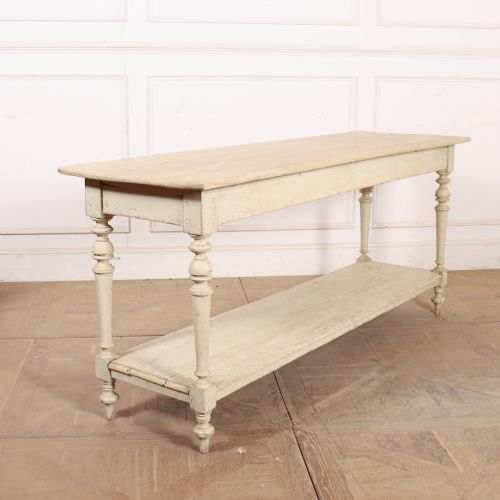
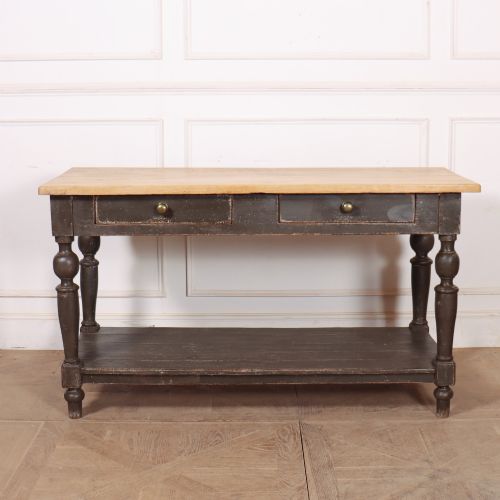
A painted shop counter serves as a substantial focal point, originating from commercial interiors of the nineteenth and early twentieth centuries. These pieces encompass sturdy pine and oak structures designed for daily retail service, alongside related shop fittings such as drapers tables and banks of multi-drawer units.
The selections available span multiple regional origins, including French, Spanish, and Hungarian examples alongside domestic British pieces. Buyers encounter various forms ranging from long display tables to multi-drawer storage banks intended for haberdashery and general merchandise.
Dated variations stretch from the Victorian era into the 1930s Art Deco period, incorporating industrial elements and provincial styles. Each piece carries the distinct imprint of its working past through patinated surfaces and original coats of paint.
Materials and Construction
Carpenters built these counters primarily using solid pine and oak for the main carcase, framing, and drawer assemblies. Secondary elements incorporated brass hardware, metal details, and iron fixtures to withstand heavy commercial demands.
Surfaces received successive layers of paint, often applied directly to the wood in functional white, cream, green, or indigo hues. Years of wear created natural distressing, while specialised fittings utilised inset brass rims and toleware compartments.
Listings feature counters and storage fittings constructed from pine, oak, and mahogany across the nineteenth century, Victorian era, and 1930s.
Assessing Quality and Character
Quality rests primarily in the integrity of the original paint surface and the honesty of the timber beneath. Counters retaining their first decorative schemes or authentic layered pigment show a superior depth compared to later repainted surfaces.
Structural robustness and the completeness of original hardware, such as numerous bank drawers or brass trims, elevate a piece. The balance between utilitarian survival and decorative charm dictates the standing of each counter within the range.
The Painted Shop Counter Glossary
- Drapers table
- A long, narrow display table traditionally utilised in fabric and cloth shops for measuring goods. These items often feature lower shelves or open bases.
- Bank of drawers
- A multi-drawer cabinetry unit designed for sorting small stock such as haberdashery or apothecary items. These pieces contain numerous small compartments fitted with original pulls.
- Toleware
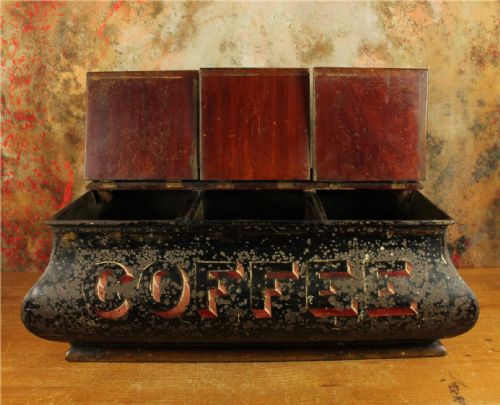
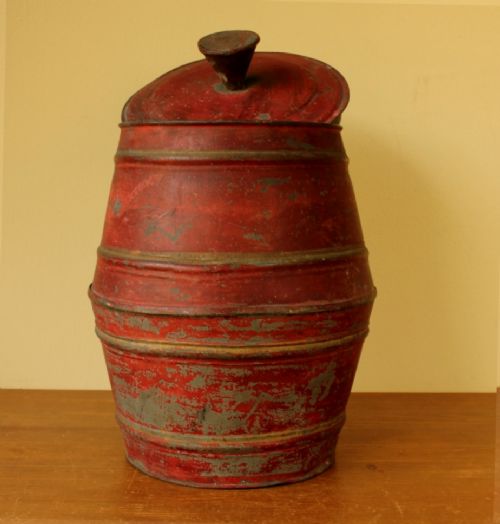
- Lacquered or enamelled metalware used for storage boxes, canisters, and hoppers in commercial settings. The material offers durable containment for dry goods.
- Distressed paint
- Surface wear resulting from decades of practical handling and environmental exposure in a shop. This condition reveals underlying wood tones and earlier pigment layers.
Painted Shop Counter: Frequently Asked Questions
How do I use a painted shop counter at home?
These counters function effectively as kitchen islands, providing expansive work surfaces and deep storage capacity for culinary equipment.
In living spaces or hallways, they serve as console tables or room dividers that anchor large interiors with historic character.
Are these counters made from solid wood?
Most examples rely on heavy construction using solid pine, oak, or mahogany for the frame, top, and drawer components.
This robust timber framework allowed the furniture to endure decades of demanding retail service without failing structurally.
How do I care for original painted surfaces?
Preserve the finish by dusting gently with a dry cloth and avoiding harsh chemical cleaners that might strip the historic pigment.
Apply clear wax sparingly if the surface appears dry, ensuring you test any product on an inconspicuous area first.
What distinguishes Victorian counters from later twentieth century pieces?
Victorian examples generally showcase heavier pine construction, panelled fronts, and traditional joinery designed for nineteenth century trade.
Twentieth century pieces, including 1930s items, often introduce cleaner lines, Art Deco influences, or specialised display framing suited for modernizing retail spaces.