
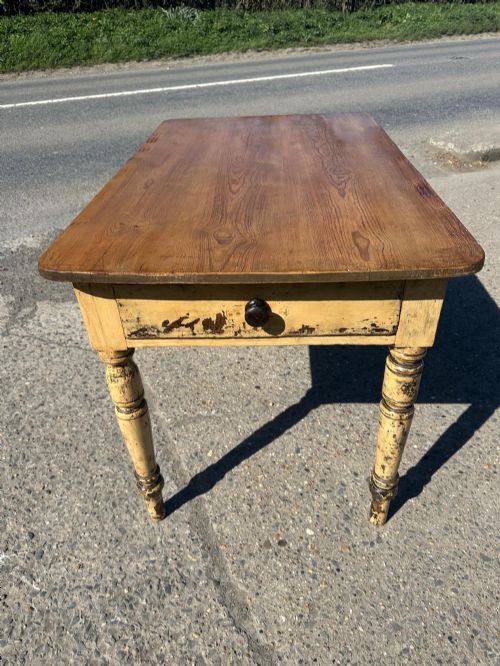


Painted Rustic Work Table
A painted rustic work table brings practical utility and honest historical character to a room, offering sturdy surface space shaped by daily use.
Painted Rustic Work Table
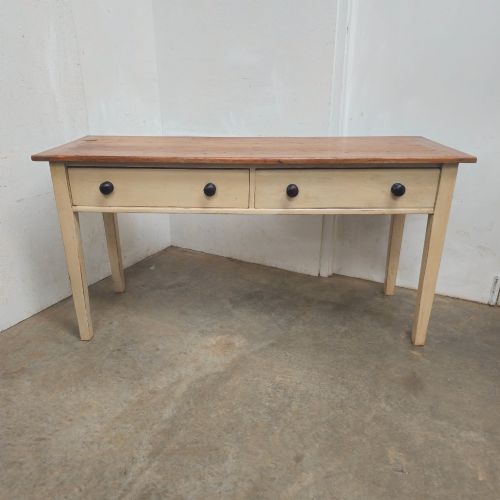
When searching for a painted rustic work table, a buyer encounters utilitarian furniture originally built for demanding tasks in dairies, kitchens, and gardens. These pieces span the nineteenth century and the early twentieth century, originating from English, French, Welsh, and Scandinavian workshops.
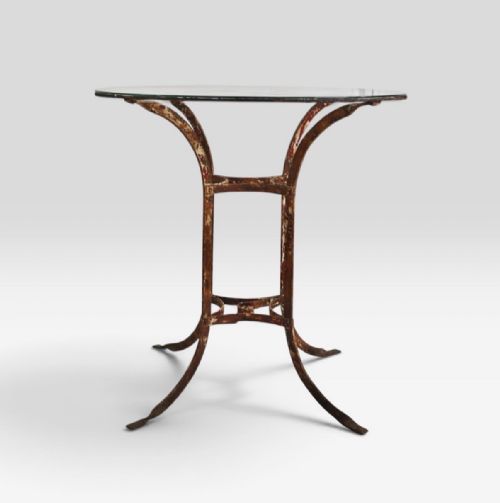
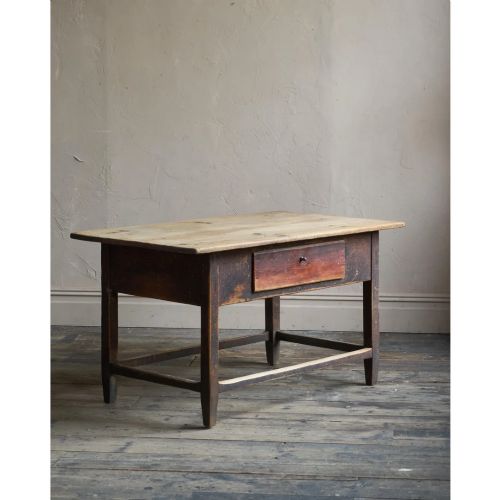
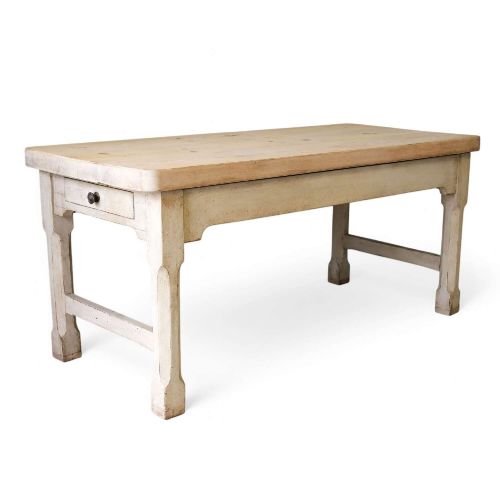
The version most commonly met on this page is the nineteenth century pine kitchen table or prep table, often finished in original paint or later decorative coatings. Forms range from simple side tables and folding metalwork garden tables to substantial dining and refectory tables with cleated ends or box stretchers.
Regional variations appear across the selection, including Swedish baking and kitchen tables alongside French florists and drapers tables. Each object reflects the practical requirements of its working origins, whether used for food preparation, potting plants, or retail display.
Materials and construction methods
Construction relies heavily on solid pine and general timber, frequently paired with iron, wrought iron, or cast iron for structural support and hardware. Surfaces sometimes incorporate alternative materials such as verdigris copper.
Joinery techniques focus on durability, utilising plank tops with cleated ends and stable frames featuring box stretchers or X-framing. Metalwork components on garden and folding tables employ durable iron framing designed to withstand outdoor environments.
Finishes include applied paint schemes, ranging from traditional Swedish Falu red or similar coatings to distressed green and later overpainting. This surface treatment protected the wood while providing the distinctive appearance characteristic of country furniture.
Some tables retain traces of old flour, potting soil, and forgotten dairy spills baked firmly into their historic paint.
Distinctions in quality and execution
Quality separates objects by the integrity of their original construction and the preservation of their historic surfaces. Tables retaining genuine period paint layers command greater interest than those stripped down or heavily reworked over time.
Proportion and timber selection also divide the range, with solid two-plank tops and robust framing demonstrating superior craftsmanship compared to simpler utility pieces. Well-executed structural details, such as integrated drawers or stable stretcher bases, elevate the standing of an individual table.
The Painted Rustic Work Table Glossary
- Cleated ends
- Wooden battens fastened across the ends of a table top to prevent warping and movement in solid timber planks. This method maintains a flat working surface.
- Box stretcher
- An interconnected frame of horizontal wooden stretchers joining the lower legs of a table for added rigidity. It provides stability during heavy kitchen or work tasks.
- Falu paint
- A traditional deep red or dark paint originating from copper mines in Sweden, utilised extensively on wooden buildings and furniture. It offers durable protection against harsh weather.
- Verdigris
- A green patina formed naturally on copper or brass surfaces through atmospheric oxidation. On garden tables, this chemical reaction creates a distinct weathered appearance.
- Trestle table
- A table structure consisting of two or more vertical supports connected by a horizontal beam or stretcher. This design allows for maximum legroom along the length of the top.
Painted Rustic Work Table: Frequently Asked Questions
What were painted rustic work tables used for?
These tables served practical functions in domestic and commercial settings, acting as preparation surfaces in dairies, kitchens, and pantries. They also facilitated tasks in potting sheds, gardens, and textile shops.
Their robust construction made them suitable for heavy daily labour, food production, and retail display rather than formal dining. Over time, many transitioned from utility items to decorative domestic furniture.
How do I care for a painted rustic table?
Maintain the surface by dusting regularly with a dry cloth and avoiding excessive moisture or harsh chemical cleaning products. Protect historic painted finishes from direct sunlight and sharp objects.
Use coasters and mats to prevent water rings and heat damage on older timber tops. Preserving the existing patina requires gentle maintenance rather than aggressive restoration.
How can I tell the period of a work table?
Dating relies on examining construction marks, timber characteristics, and the nature of the fixings used throughout the frame. Hand-cut joints and original paint layers often point towards nineteenth-century production.
Later pieces from the early twentieth century frequently incorporate machine-sawn timber or different metal components. Comparing the form against documented regional styles helps narrow down the origin and decade.
Are these tables suitable for everyday dining?
Many painted work tables function well for daily meals, provided the height and legroom match your seating requirements. Their sturdy timber construction easily handles regular family use.
Consider sealing vulnerable painted surfaces if the table will experience heavy dining wear and tear. The generous proportions of prep and refectory tables make them practical for modern kitchens.