



Painted Round Occasional Table
A painted round occasional table brings useful surface space and character into a room, offering functional charm from the nineteenth and early twentieth centuries.
Painted Round Occasional Table
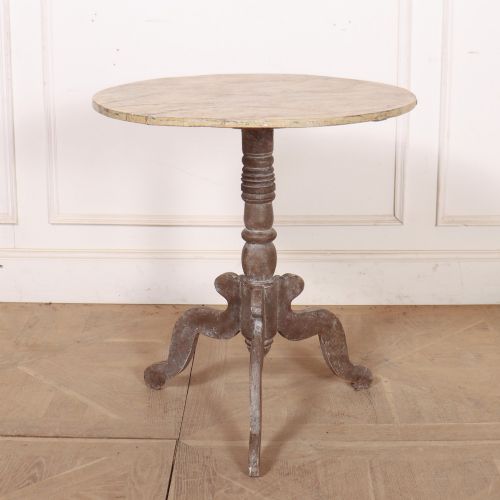
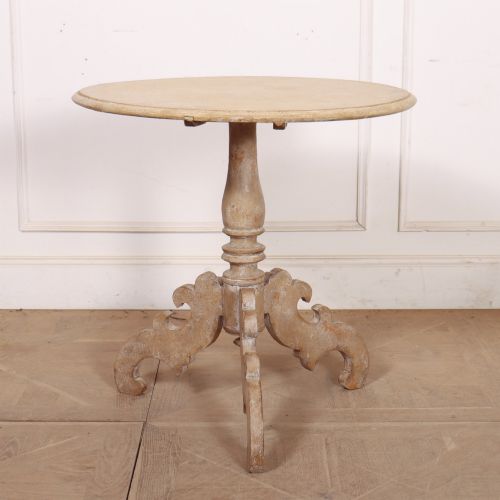
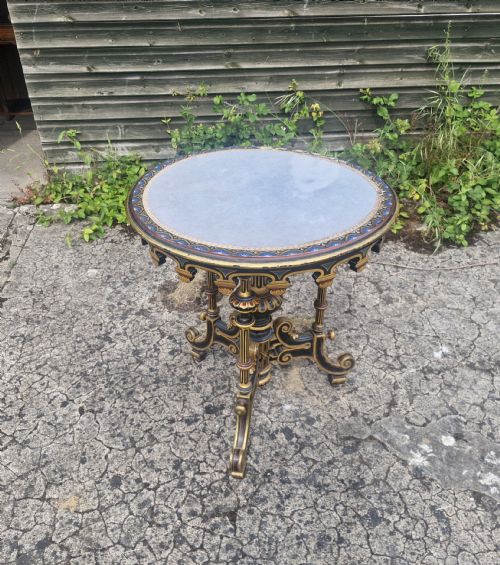
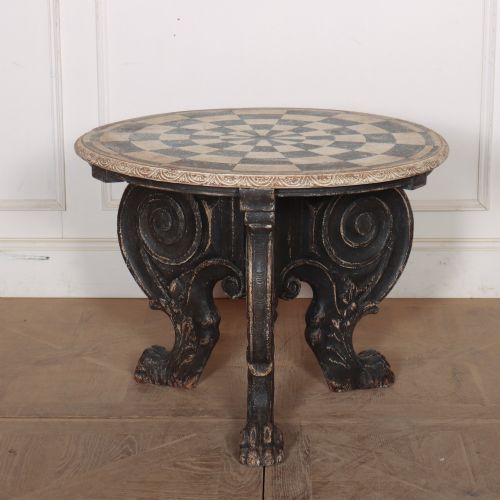
When you search for a painted round occasional table, you encounter compact side, lamp, and centre tables designed for versatile placement around the home. The selection relies heavily on nineteenth-century examples, alongside pieces from the Edwardian era and the year nineteen hundred.
Swedish country and Scandinavian country styles dominate the forms, frequently appearing alongside French, English, and German variations. These pieces span simple tripod and cricket tables to more ornate marble-topped gueridons and tilt-top designs.
Materials and construction
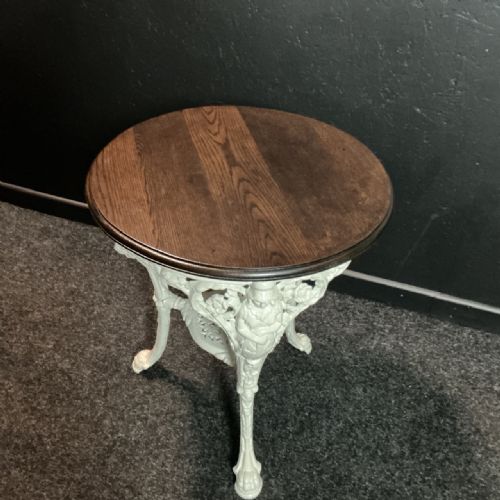
Carpenters utilised timber, pine, oak, and mahogany as the structural foundation for these pieces, often applying surface paint directly onto the wood. More decorative examples incorporate marble tops, cast iron elements, or gilt and parcel silvered details.
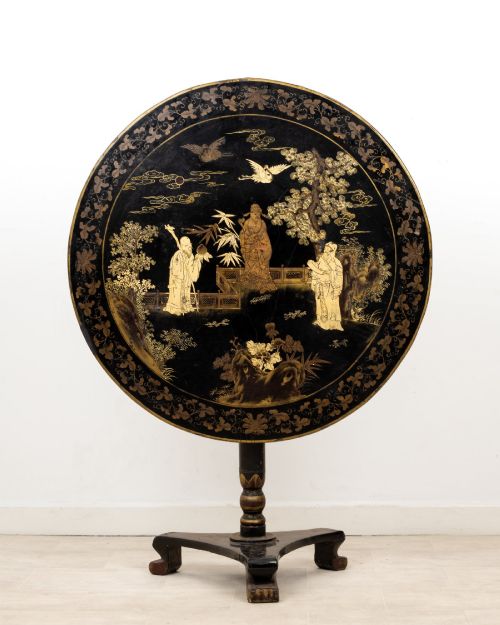
Surface decoration ranges from simple hand-applied paint and Scandinavian finishes to elaborate Chinoiserie motifs, lacquer, and satinwood inlays executed in neoclassical or empire manners.
Regional styles range from Swedish country tripod designs to French gueridons and English inlaid satinwood pieces.
Distinctions in quality
Quality rests upon the integrity of the timber frame and the originality of the painted surface rather than mere age. Tables retaining their early or original painted decoration command greater interest than later repainted surfaces.
Construction details such as stable tripod bases, well-fitted tilt-top mechanisms, and genuine marble inserts elevate certain pieces above simpler utilitarian tables.
The Painted Round Occasional Table Glossary
- Cricket table
- A small round wooden table typically featuring three splayed legs and a lower tier. This vernacular form provides stable placement on uneven floors.
- Gueridon
- A small French occasional table supported by one or more columns or figures. These pieces frequently feature circular marble tops.
- Tilt-top table
- A table equipped with a hinged mechanism allowing the circular top to pivot vertically when not in use. This design saved space in historical interiors.
- Lamp table
- A low occasional table sized specifically to hold a lighting fixture. These compact pieces serve beside seating areas.
- Centre table
- A freestanding table finished on all sides intended to stand in the middle of a room. Such pieces often display decorative work across the entire top surface.
Painted Round Occasional Table: Frequently Asked Questions
Where should I put a round painted table?
These compact tables fit easily beside armchairs, in hallways, or as bedside surfaces where extra space is useful.
Their circular tops and slender proportions prevent them from dominating a corner while still providing a practical landing place for daily items.
How do I clean a painted wooden table?
Dust the surface regularly with a soft, dry cloth to prevent dirt accumulation on the painted finish.
Avoid harsh modern chemical sprays or excessive moisture, which can damage aged pigments and historical timber underneath.
Are these tables sturdy enough for daily use?
Most surviving examples remain remarkably durable thanks to solid timber construction like oak, pine, and mahogany.
Tripod bases and pedestals provide stable support, though heavier items like marble tops require careful placement to maintain balance.
What is the difference between a side table and a lamp table?
While both terms describe smaller occasional furniture, lamp tables historically served specifically to support lighting.
Side tables encompass a broader range of general utility surfaces designed to stand against walls or beside seating.