


Painted Rococo Console Table
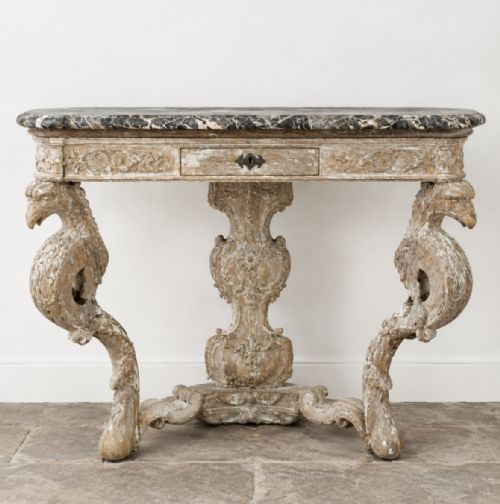
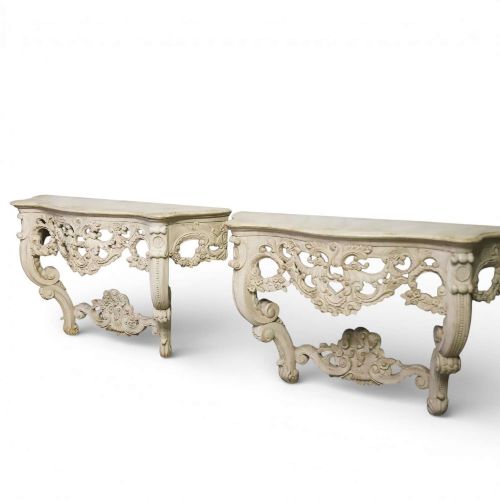
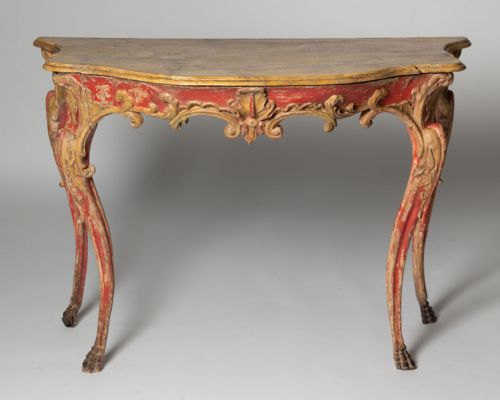
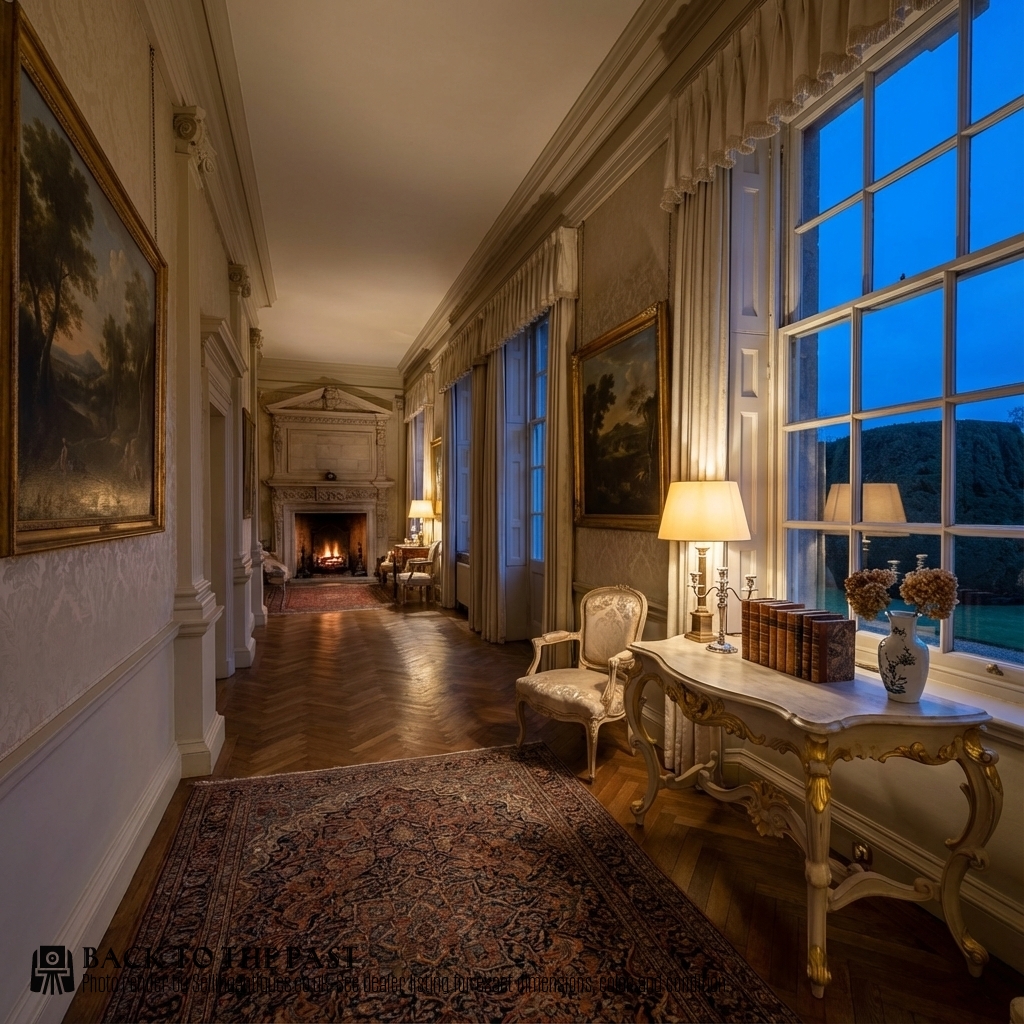
A painted rococo console table brings theatrical curves and soft historic palettes directly against a wall.
Painted Rococo Console Table
A painted rococo console table stands against a wall as a decorative side support, often topped with heavy stone rather than standing free in a room. The examples found here span the eighteenth century through to the early decades of the twentieth century, taking forms described as console tables, side tables, and centre tables.
French and Italian regional interpretations dominate the selection, alongside Venetian, Spanish, Swedish, and Irish variations. Makers adopt the serpentine lines and asymmetric flourishes of French Rococo, Rococo Revival, and Chippendale styles, applying antique white, parcel gilt, or distressed finishes over carved timber.
How they were made
Artisans shape these pieces from wood, utilising carved timber and gesso to build up the intricate scrollwork and asymmetrical motifs characteristic of the style. Paint and gold leaf finishes layer over the substrate, often finished in antique white or parcel gilt to accent the relief carving.
Heavy marble tops, including Sienna marble variants, rest upon the timber frames to provide a durable and contrasting surface. Joinery relies on traditional hand-carved construction methods, particularly evident in pairs produced during the nineteenth and early twentieth centuries.
Listings feature wood, paint, gesso, and marble across French, Italian, and Venetian stylistic variations.
What varies in quality
Quality rests in the depth and crispness of the hand-carved wood and gesso ornament rather than a flat surface. Pieces showing articulate scrolling and fluid serpentine movement separate themselves from stiffer interpretations.
The integration of the painted surface with the underlying gesso and wood creates the visual weight of the piece. Authentic material pairing, such as heavy marble fitted securely to a carved wooden base, defines the better examples.
Pauly et Cie
The Painted Rococo Console Table Glossary
- Console table
- A table designed to stand against a wall, historically supported by wall brackets or console legs rather than four independent vertical posts. These pieces frequently feature shaped marble tops.
- Gesso
- A plaster mixture applied to wood surfaces to create a smooth base for painting or gilding. It allows artisans to carve fine decorative relief details before applying gold leaf.
- Parcel gilt
- A finishing technique where specific carved details or raised ornaments receive a coating of gold leaf while the rest of the body remains painted. This highlights the rococo scrollwork.
- Serpentine
- A furniture contour featuring a curved line that bends convexly in the centre and concavely at the sides. This shape provides the characteristic undulating front of many console tables.
Painted Rococo Console Table: Frequently Asked Questions
Where should I place a console table?
These tables suit hallways, entryways, or living rooms where wall space allows a shallow surface for display. Because many rely on wall support or sit flush, positioning them in primary circulation areas prevents accidental tipping.
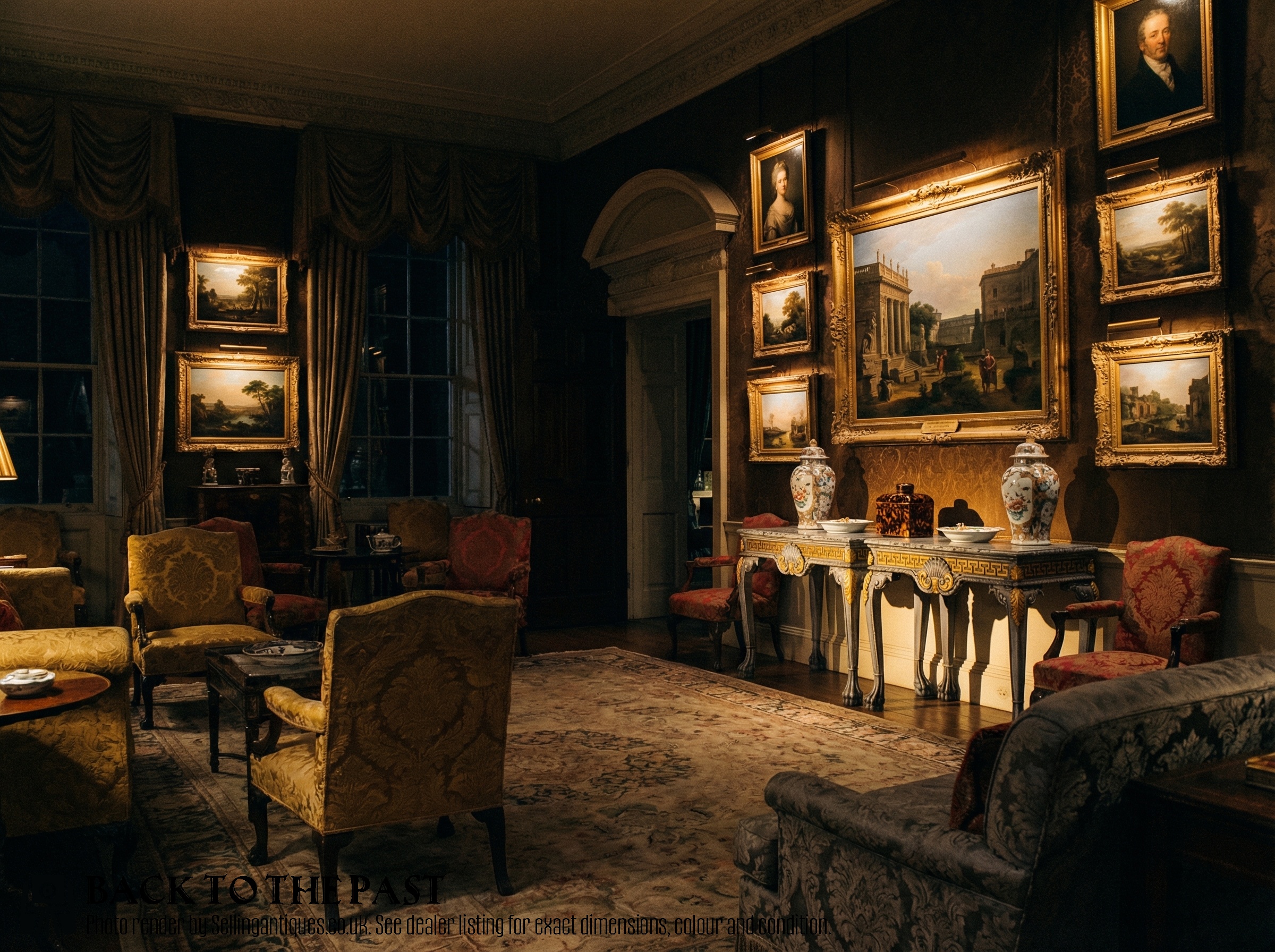
Pairing a console table with a mirror or artwork hung directly above creates a balanced focal point in a reception room. The heavy marble tops also provide a stable landing space for lamps and decorative objects.
How do I care for painted wooden surfaces?
Dust painted and gilded console tables gently with a dry, soft cloth to prevent abrasion to the delicate gesso and leaf layers. Avoid commercial sprays or moisture, which can degrade historic paint finishes.
Marble tops require simple cleaning with a damp cloth and mild soap to protect the stone from staining. Keeping these tables away from direct heat sources prevents timber movement beneath the painted layers.
Are these tables designed to stand alone?
Console tables traditionally anchor against a vertical wall, and some historical examples require wall fixings for total stability. Centre tables in this selection, however, feature finished sides intended to be viewed from all angles in an open space.
Checking the base structure reveals whether a piece is engineered for perimeter placement or freestanding use. Wall console tables often leave the back edge unpolished or shaped specifically to meet the plaster.
How do I distinguish revival styles from earlier periods?
Eighteenth-century originals display hand-carved joinery methods and patination acquired over centuries of use. Revival pieces from the nineteenth and twentieth centuries often employ heavier gesso layers and crisper, more uniform machine-assisted or revivalist carving techniques.
Examining the underside and the interior construction reveals tool marks and wood ageing that clarify the period of manufacture. Stylistic shifts also point towards specific revivals like Chippendale or French Rococo Revival.