



Painted Pub Sign
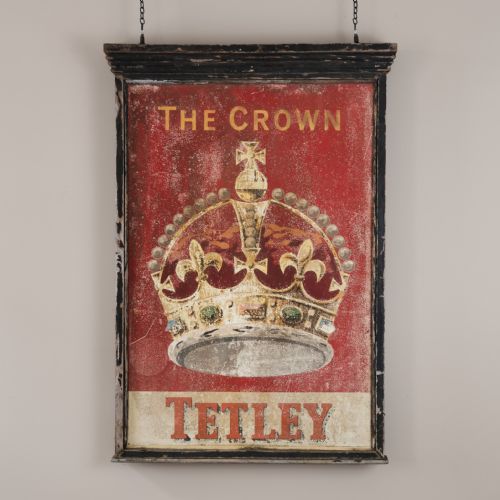
These painted pub sign examples bring genuine tavern character to a room, offering historic hand-painted lettering and robust trade history.
Painted Pub Sign
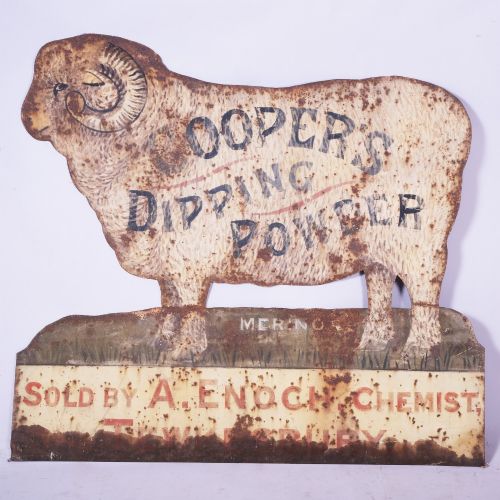
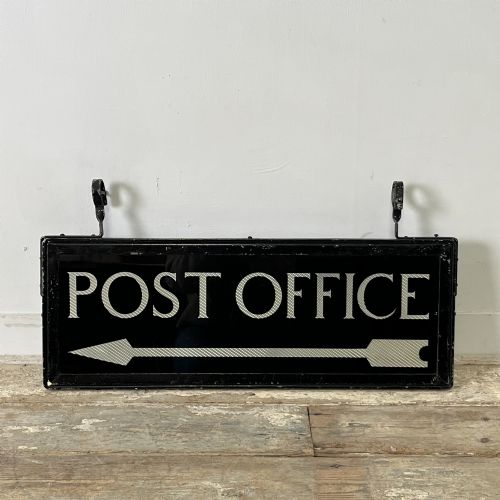
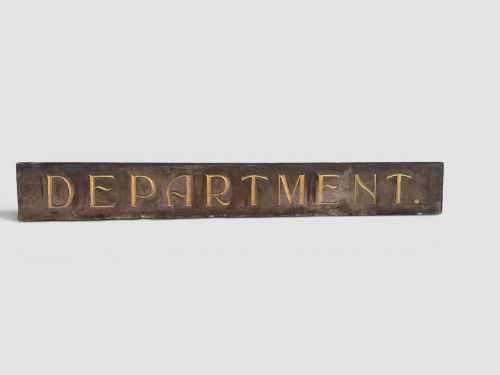
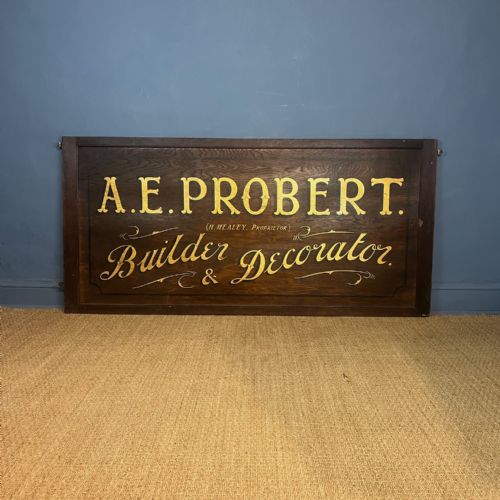
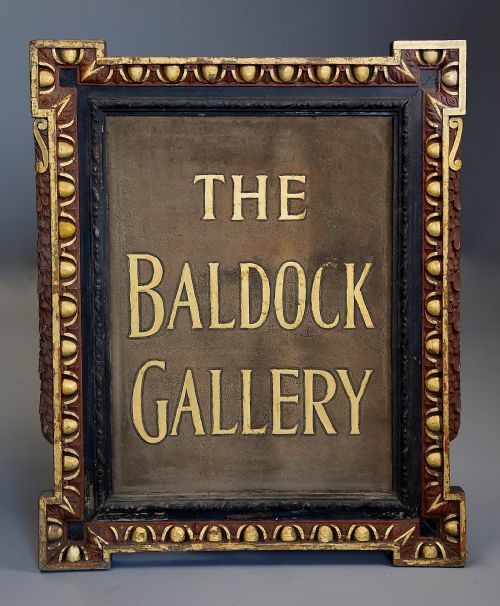
When you search for a painted pub sign, you encounter heavy commercial boards, double-sided hanging markers, and glazed trade displays produced across the nineteenth and twentieth centuries. The examples on this page span Victorian folk art, Edwardian shop markers, and 1920s maritime or civic boards.
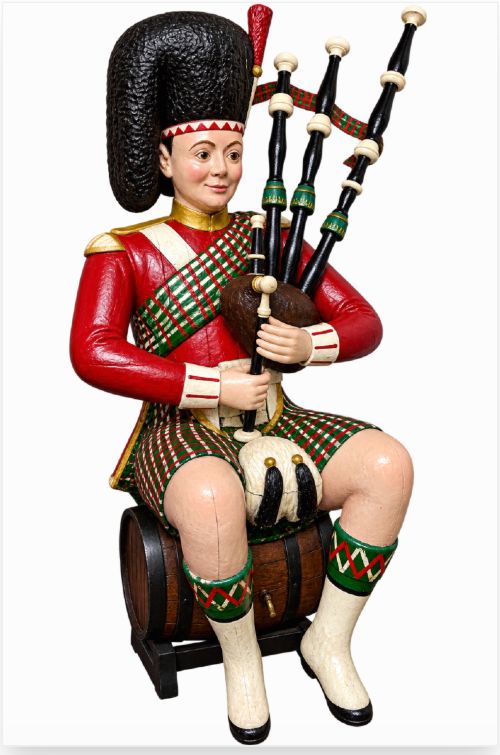
Most pieces you meet combine traditional signwriting with durable woods like oak and pine, alongside iron brackets, metal frames, and reverse-painted glass panels. They range from large directional notices and brewery advertisements to specialised trade figures and heraldic panels.
How they were made
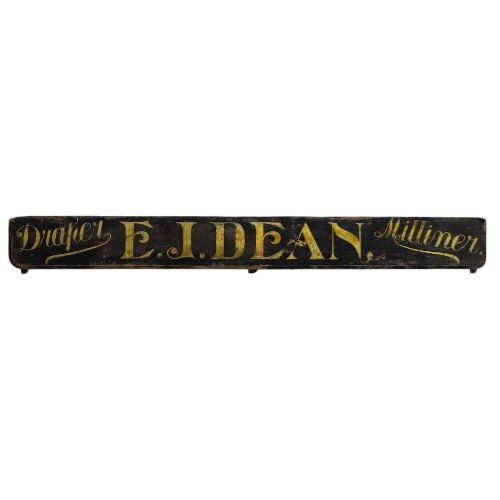
Signwriters and craftsmen utilised solid pine and oak boards as the primary foundation, often shaping them with hand tools before applying layers of lead-based or oil paints. Gold leaf was frequently applied by hand to lettering and borders to catch the light on street corners and tavern facades.
Glass panels relied on reverse painting and cut glass techniques, sometimes backed with reflective silvering or paired with iron hanging brackets and metal frames for structural support on exterior walls.
Listings feature pieces spanning the nineteenth century through the 1930s, utilising pine, oak, iron, glass, and gold leaf.
What varies in quality
The standard of a painted pub sign rests upon the crispness of the original signwriting, the depth of surviving pigment, and the integrity of the wooden or metallic substrate. Pieces executed by skilled trade artists show confident brushwork and balanced typography that elevate them above routine commercial notices.
Patina also dictates the hierarchy, as natural weathering from decades outdoors creates an authentic surface that chemical stripping or modern repainting destroys. The survival of original iron hanging hardware or matching double-sided panels adds considerably to the integrity of a piece.
The Painted Pub Sign Glossary
- Gold leaf
- Extremely thin sheets of beaten gold applied to wooden or glass surfaces for lettering and ornamentation. This technique ensures high visibility and resists tarnishing in damp outdoor environments.
- Reverse painting
- A method where lettering and imagery are applied to the back of a glass panel so the design is viewed through the polished front. It protects the paint from weathering and yields a glossy finish.
- Trade sign
- A board, figure, or symbol hung outside a commercial establishment to advertise wares or services to literate and illiterate passersby alike. These objects formed the backbone of nineteenth-century streetscapes.
- Folk art
- Utilitarian items and decorative pieces created by self-taught or provincial makers rather than academic artists. In trade signage, this translates to charmingly idiosyncratic lettering and pictorial representations.
- Signwriting
- The professional craft of painting letters and pictorial advertisements by hand using specialised quills and brushes. Master signwriters achieved precise proportions and elegant serif details without mechanical aids.
Painted Pub Sign: Frequently Asked Questions
How do I hang a heavy pub sign?
Most large hanging signs require heavy-duty iron brackets secured directly into structural wall studs or masonry using appropriate fixings. Given the weight of solid oak or pine boards combined with ironwork, professional load-bearing assessment is recommended.
For double-sided pieces, ensure the display angle allows clearance from the wall while distributing the weight evenly across both anchor points.
Can these signs stay outdoors?
While originally built for exterior tavern and shop fronts, antique painted wood and glass panels are vulnerable to modern extremes of moisture and frost. Sheltered porches or interior walls preserve the remaining historic paint and gold leaf far better than exposed garden settings.
If placed outside, position the sign away from direct driving rain and direct sunlight to prevent the wood from splitting and the pigments from fading further.
How should I clean the painted surface?
Dust the surface gently with a dry, soft microfiber cloth to remove loose debris without disturbing fragile or flaking paint layers. Avoid all chemical solvents, abrasive scourers, and modern detergents which can strip historic finishes instantly.
For stubborn grime on glass panels, use a damp cloth sparingly on the glass areas only, keeping moisture entirely away from exposed wood or aged paintwork.
How do I date a painted sign?
Dating relies on a combination of the wood type, the construction methods of the board, the typography style, and any surviving maker marks or company names. Victorian and Edwardian pieces often feature hand-beveled pine or iron strapwork, while 1920s examples frequently incorporate art deco lettering or glass elements.
Comparing the specific trade or referenced business against trade directories helps narrow the production window further.