



Painted Pottery Planter
These painted pottery planter examples combine hand-decorated surfaces with robust clay bodies, offering collectors functional vessels for horticulture.
Painted Pottery Planter
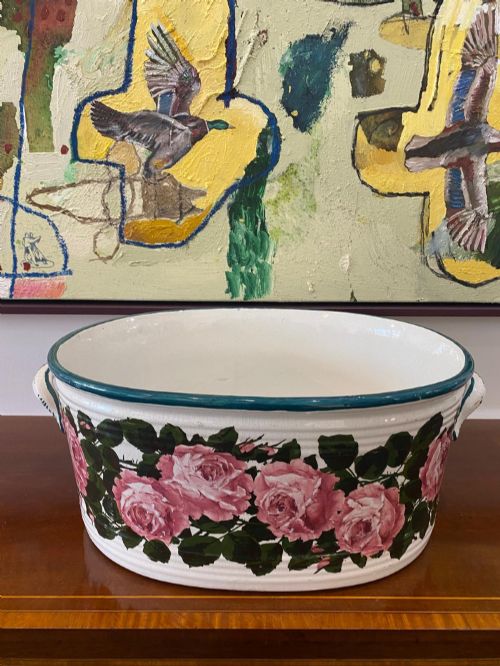
A painted pottery planter encompasses utilitarian vessels intended for indoor horticulture, ranging from footbaths and jardinières to wall pockets and olive jars. Collectors seeking a painted pottery planter encounter earthenware, ceramic, and porcelain forms decorated with enamels, glazes, and tin glazes.
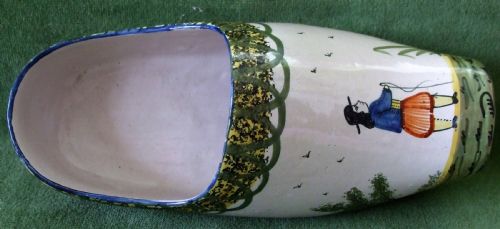
The pieces span chronological periods from the eighteenth century through the Edwardian era and the nineteen-thirties, reflecting diverse regional aesthetics. Examples include French faience sabots and Nevers pots, Scottish footbaths, English majolica stands, and Japanese Satsuma bowls.
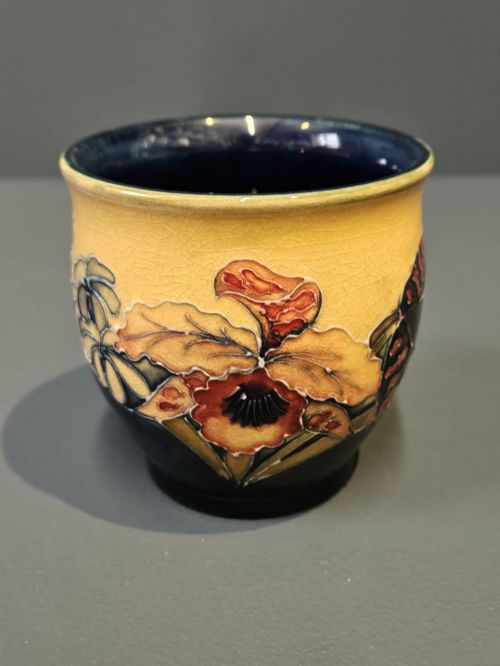
Traditional jardinières dominate the larger scale forms, often accompanied by matching pedestals or designed as deep bowls for substantial plants. Smaller decorative variations include wall-mounted cat pockets and orchid vases that bring patterned surfaces to compact spaces.
How they were made
Makers shaped these vessels from earthenware, ceramic, and porcelain bodies, frequently applying tin glazes or majolica techniques to seal the clay. Earthenware foundations provided an absorbent base suitable for thick coloured glazes and hand-painted enamel decoration.
Artisans applied pigments directly to the unfired or tin-glazed surfaces before subjecting the vessels to kiln firing to vitrify the colours. Japanese Satsuma production utilised specialised ceramic techniques to achieve intricate crackle glazes overlaid with detailed painted scenes.
Painted Pottery Planter Retail Price Guide 2026
Typical asking prices for painted pottery planter among the pieces listed under this phrase on Sellingantiques today, from the lower quarter to the upper quarter. They describe what is for sale here now, not the wider market.
Feline charm arrives unexpectedly through nineteenth-century pottery cat wall pockets designed to hang on parlour walls.
What varies in quality
Quality rests in the precision and complexity of the hand-painted decoration, where controlled brushwork distinguishes master workshops from commercial output. The crispness of moulded details on majolica stands and earthenware bodies dictates the aesthetic success of the piece.
The stability and depth of the glaze application determine longevity, particularly on items exposed to moisture and soil. Well-preserved enamel colours that retain their vibrancy without flaking indicate superior initial firing temperatures and material selection.
Wemyss·Clarice Cliff·Burmantofts
The Painted Pottery Planter Glossary
- Faience
- Tin-glazed earthenware originating in France, characterised by opaque white glazes painted with coloured metallic oxides.
- Jardinière
- A large ornamental pot or stand designed to hold a plant or floral arrangement indoors.
- Majolica
- A type of earthenware coated with an opaque white tin glaze and decorated with brightly coloured metal oxide paints.
- Sabot
- A traditional wooden shoe shape translated into ceramic form as a decorative ornament or small container.
- Wall pocket
- A flat-backed vessel intended to be hung on a vertical surface for holding cut flowers or greenery.
Painted Pottery Planter: Frequently Asked Questions
How were antique planters used?
Antique planters served functional roles in domestic interiors, holding potted ferns, flowering plants, or bulbs on tables and pedestals. Larger pieces like footbaths were frequently repurposed for horticulture.
Smaller vessels such as wall pockets and orchid vases decorated walls and specialised display spaces with living foliage.
How do I care for my planter?
Living with these pieces requires protecting porous earthenware and majolica bodies from prolonged contact with standing water. Using a secondary inner plastic pot prevents moisture from penetrating the historic glaze.
Gentle dusting preserves painted enamel surfaces without risking abrasion to nineteenth-century and earlier decorations.
How are different periods identified?
Periods are identified through a combination of clay body composition, glaze chemistry, and characteristic stylistic painting. Eighteenth-century pieces show distinct tin-glaze properties compared to Edwardian majolica or nineteen-thirties Art Deco ceramics.
Maker marks and regional decorative conventions also help date specific pottery forms.