



Painted Pottery Jar
A painted pottery jar brings centuries of kiln craft and hand-applied pigment into domestic spaces, offering collectors diverse forms from European delftware to Asian porcelain.
Painted Pottery Jar
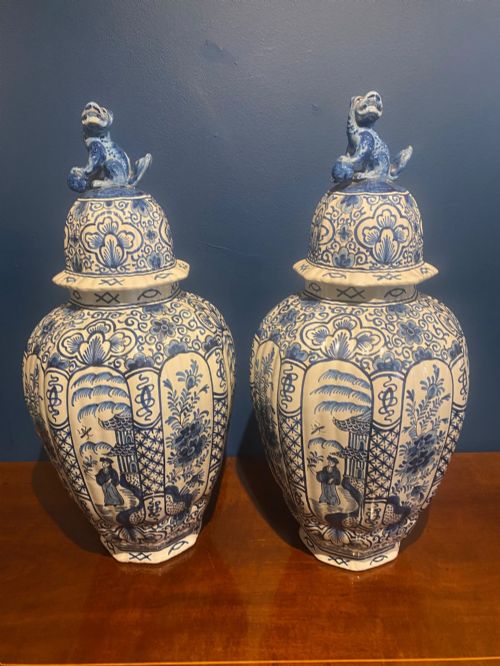
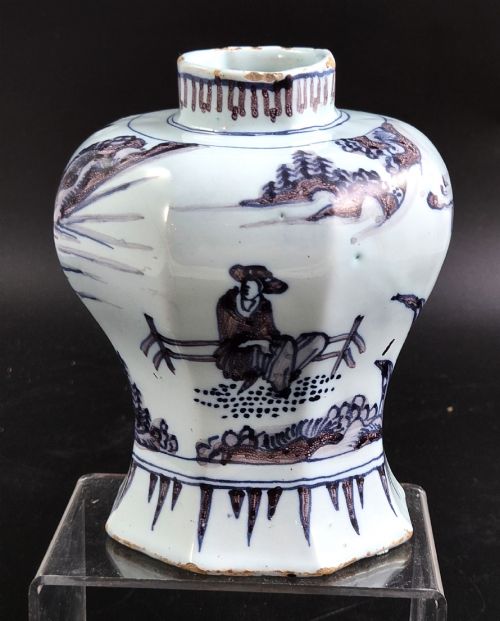
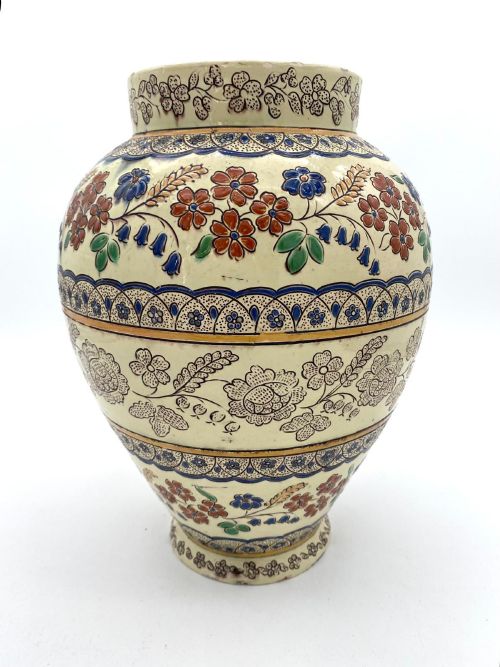
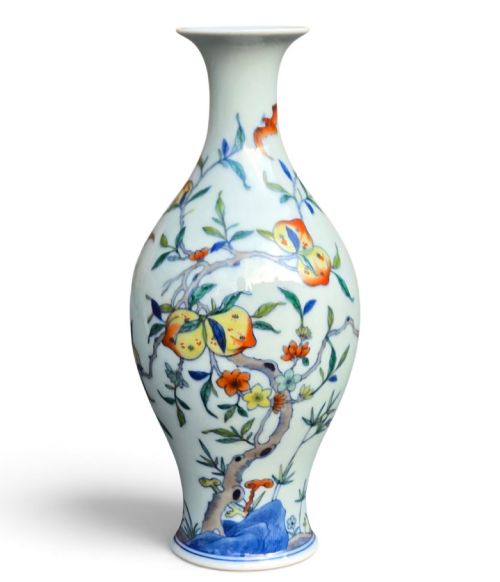
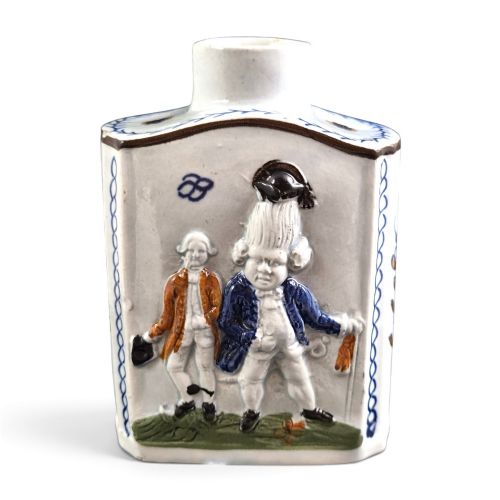
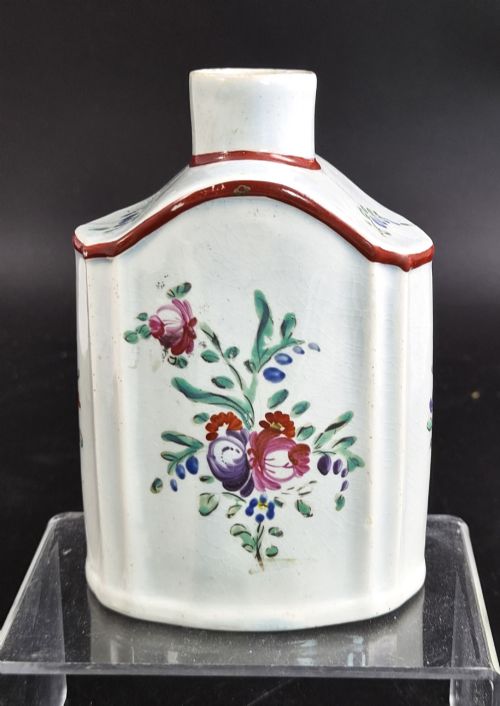
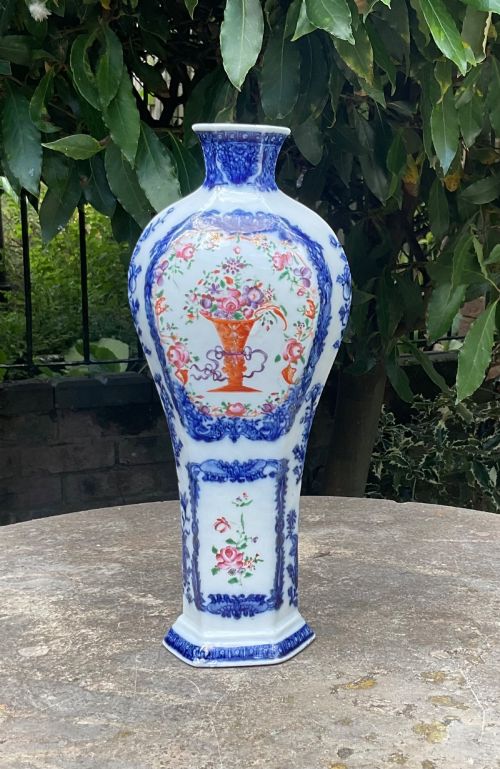
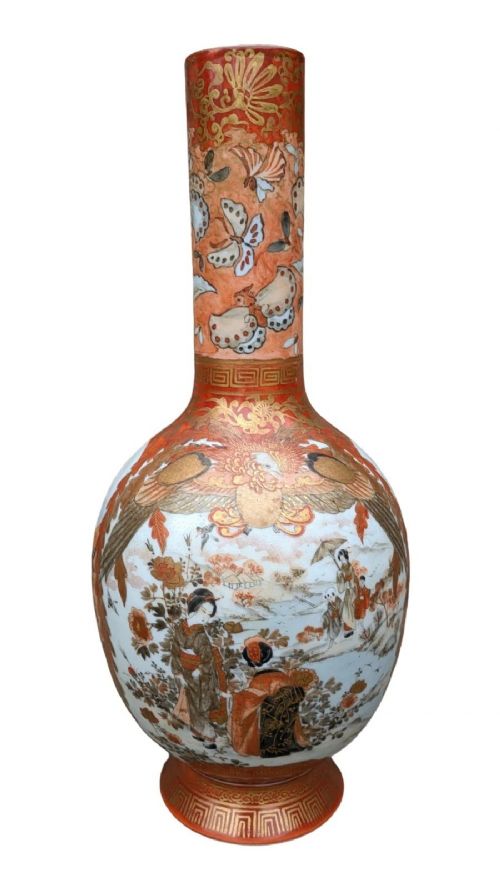
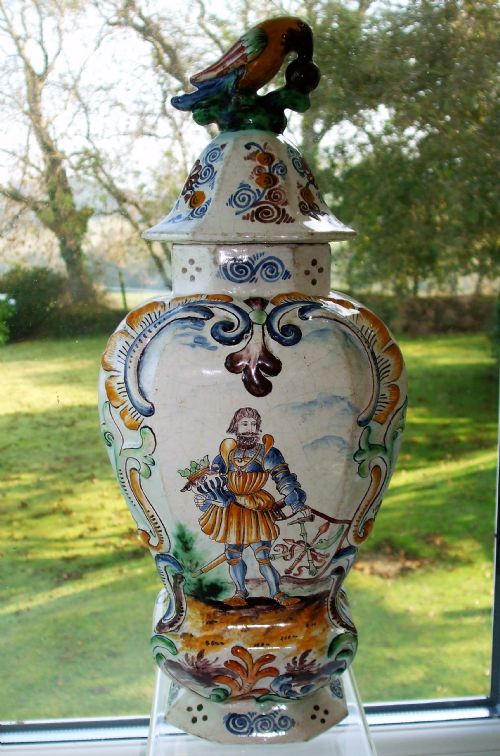
A painted pottery jar encompasses utilitarian storage vessels, apothecary jars, tea canisters, and large decorative vases spanning multiple centuries. Buyers seeking these items encounter diverse regional traditions, including Dutch Delft, Italian majolica, Japanese Satsuma and Imari, and Chinese famille rose ceramics.
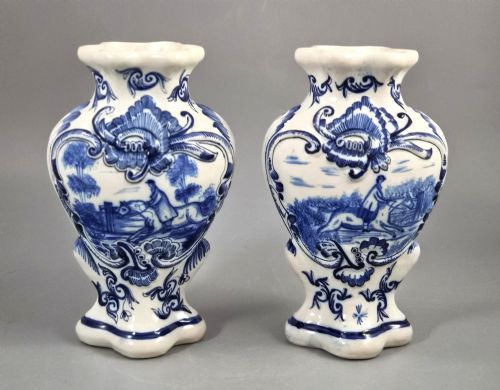
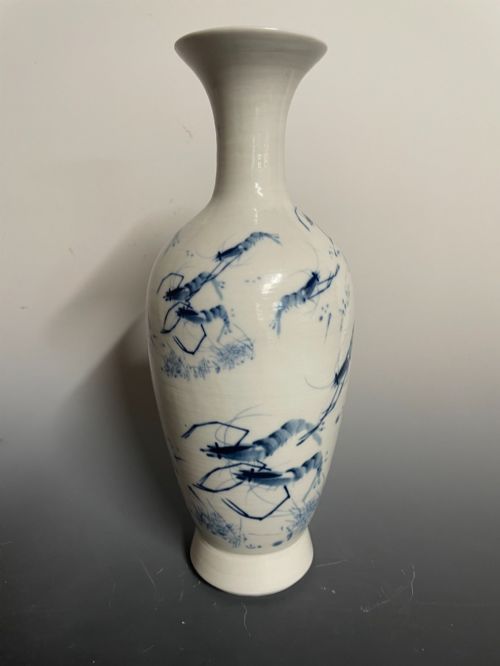
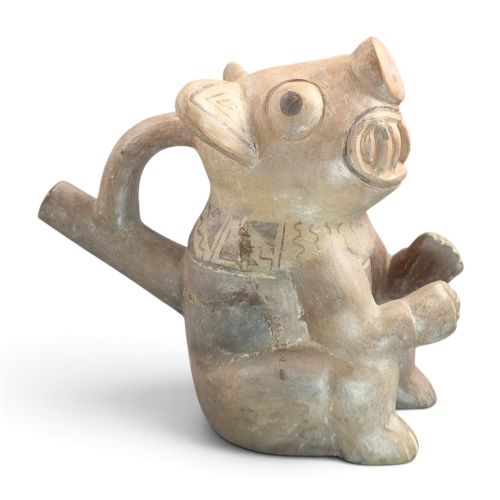
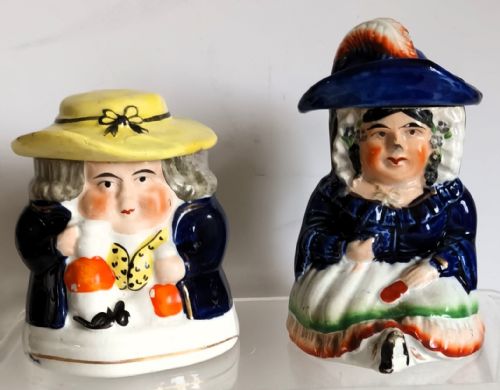
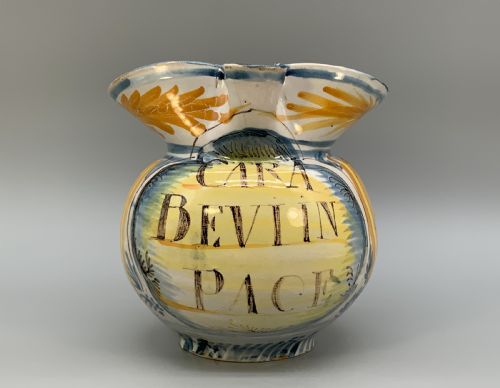
The pieces on this page range from early Pre-Columbian terracotta vessels to 19th-century European faience and East Asian porcelains. Storage jars and lidded vessels frequently appear alongside tall baluster vases and apothecary drug jars.
Origin points stretch from 17th-century European workshops to late 19th-century Japanese kilns, uniting diverse cultures through the shared medium of fired clay and pigment.
Materials and Kiln Techniques
Makers shaped earthenware, ceramic, and porcelain bodies by hand or on the potter's wheel before applying tin glazes, enamel colours, or gold leaf. Pigments were brushed directly onto the raw or fired glaze surfaces, requiring precise kiln temperatures to fix the colours.
Tin-glazed earthenware and faience rely on opaque white glazes that provide a smooth background for painted blue, manganese, and polychrome designs. Japanese Satsuma and Imari pieces utilise fine ceramic bodies decorated with intricate enamels and gilding.
Painted Pottery Jar Retail Price Guide 2026
Typical asking prices for painted pottery jar among the pieces listed under this phrase on Sellingantiques today, from the lower quarter to the upper quarter. They describe what is for sale here now, not the wider market.
Evaluating Painted Ceramics
Quality rests in the precision of the brushwork, the depth and stability of the glaze, and the harmony of the painted composition. Pieces with crisp, confident hand-painted motifs and well-preserved enamels stand apart from simpler or heavily faded examples.
The reputation of the workshop, studio, or named maker influences the standing of individual vessels. Intricate polychrome detail, controlled kiln work, and intact lids or covers elevate the desirability of a jar within its specific period.
Fourmaintraux-Courquin·Doulton Lambeth·Kinkozan·Tokyo Taizan
The Painted Pottery Jar Glossary
- Albarello
- A type of majolica pharmacy jar used for holding dry drugs, typically featuring an hourglass silhouette that allowed pharmacists to grip it easily.
- Delftware
- Tin-glazed earthenware produced in the Netherlands and England, known for its white surface and blue or manganese painted decoration.
- Famille-rose
- A Chinese ceramic palette introduced in the Qing dynasty, characterised by opaque pink or rose enamel colours mixed with other soft hues.
- Majolica
- European tin-glazed earthenware decorated with brightly coloured metal oxides, widely produced in Italy and other regions.
- Natsume
- A small Japanese tea caddy traditionally used in the preparation of powdered green tea for the Japanese tea ceremony.
- Tin-Glaze
- A ceramic glaze made opaque by the addition of tin oxide, creating a white surface suitable for direct brush painting.
Painted Pottery Jar: Frequently Asked Questions
What were painted pottery jars used for originally?
These vessels served various practical and decorative roles, ranging from storing dry goods and apothecary drugs to holding tea and displaying floral arrangements.
Many lidded jars and canisters protected perishable contents from moisture and light in domestic or commercial settings.
How do I care for a painted ceramic jar?
Keep painted vessels out of direct sunlight to prevent the enamel colours and gold leaf from fading over time. Dust them gently with a dry, soft cloth rather than using water or cleaning agents on antique surfaces.
Avoid placing them in areas subject to sudden temperature fluctuations to protect the underlying ceramic body and glaze.
How can I tell the period of a painted jar?
Examine the characteristics of the ceramic body, the composition of the glaze, and the style of the painted decoration. Regional motifs, potting techniques, and maker marks or signatures often point toward specific centuries and manufacturing centres.
Comparing the potting weight and foot ring construction with known examples helps narrow down the date of production.
What is the difference between earthenware and porcelain?
Earthenware is a porous, lower-fired pottery body that requires a glaze to become waterproof. It forms the foundation for many traditional European delftware and majolica jars.
Porcelain is a dense, vitrified ceramic fired at much higher temperatures, resulting in a white, non-porous material associated with fine Asian wares.