



Painted Porcelain Vase Lamp
A painted porcelain vase lamp brings together centuries of ceramic artistry and domestic illumination, offering a focal point for traditional interiors.
Painted Porcelain Vase Lamp
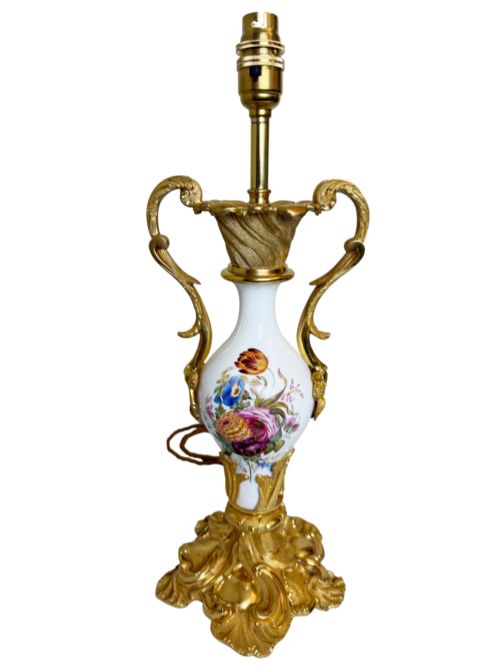
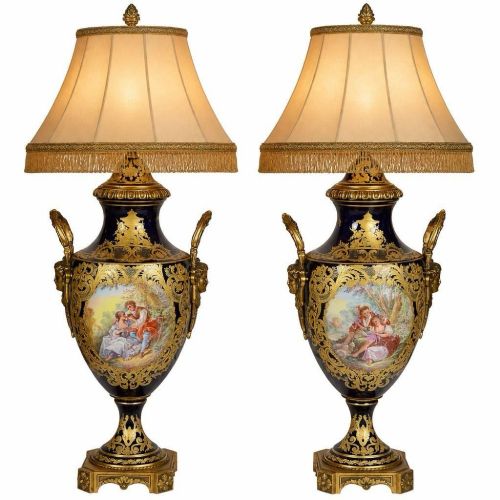
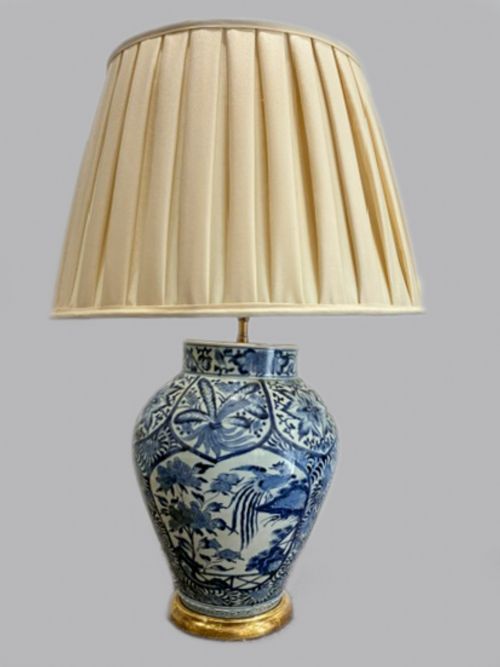
A painted porcelain vase lamp takes a ceramic vessel from diverse origins and adapts it for interior lighting. When hunting for a painted porcelain vase lamp, buyers encounter pieces ranging from seventeenth-century Japanese vessels to nineteenth-century French and Chinese examples.
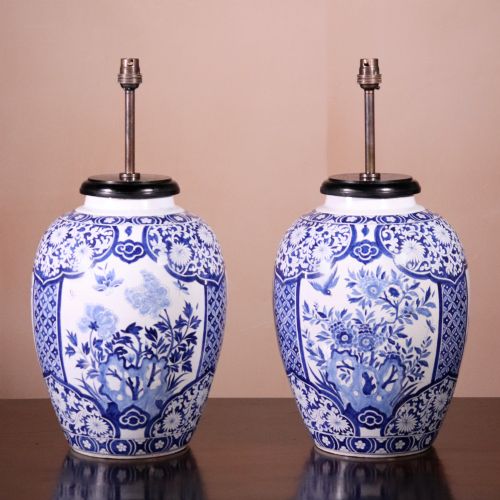
The objects frequently originate as ginger jars, baluster vases, or domestic urns which are subsequently converted into table lamps. Many specimens display traditional motifs such as blue and white decoration, famille verte, or Satsuma enamelwork.
Most items on offer date from the nineteenth century, though earlier eighteenth-century and seventeenth-century pieces appear alongside early twentieth-century examples. These lamps often retain mounts in brass, ormolu, or wood to stabilise the ceramic body.
How They Were Made
Makers formed these bodies from porcelain, earthenware, or Delftware, applying hand-painted pigments beneath or above the glaze. Artisans utilised intricate enamels in palettes such as famille rose and famille verte to depict floral, figural, and geometric scenes.
Metalworkers fitted many vases with brass or ormolu mounts to secure the electrical components and provide a stable base. Silk and fabric shades often complete the construction, complementing the painted surfaces of the porcelain.
Several vases began their journey holding ginger before trading spices for copper wire.
What Varies in Quality
The nuance of the hand-painted detail largely dictates the distinction between standard and exceptional pieces. Finer specimens display precise brushwork, controlled enamel layering, and harmonious colour palettes that demonstrate high technical mastery.
The integrity of the ceramic body and the quality of the metal mounts also influence the piece. Original or period mounts in ormolu or brass, combined with well-preserved glazes, separate standard conversions from superior examples.
Sevres·Fukagawa·Samson
The Painted Porcelain Vase Lamp Glossary
- Famille Verte
- A porcelain enamel palette dominated by green tones, developed during the Qing Dynasty. It frequently depicts floral and narrative scenes.
- Ormolu
- Gilded bronze used for decorative mounts and bases on furniture and porcelain. It provides a heavy, lustrous support for ceramic bodies.
- Imari
- A style of Japanese export porcelain featuring underglaze blue and overglaze red, gold, and other colours. It originated in Arita during the Edo period.
- Baluster
- A vase shape with a rounded body that tapers towards the neck. This form provides a stable profile for conversion into a table lamp.
- Satsuma
- A type of Japanese earthenware featuring a crackled ivory glaze and elaborate polychrome enamel decoration. It became popular for export in the late nineteenth century.
Painted Porcelain Vase Lamp: Frequently Asked Questions
How do I choose the right size lamp?
Consider the scale of the room and the furniture piece where the lamp will sit. Larger monumental vases require substantial side tables and adequate clearance.
Proportion between the ceramic body and the fabric shade remains essential for visual balance. Ensure the height suits the intended domestic setting.
Were these lamps originally made for lighting?
Most of these objects began life as decorative vases, ginger jars, or storage vessels before receiving later conversions. Artisans adapted the ceramic bodies into table lamps by adding wiring and mounting hardware.
This conversion process preserves the historic painted surface while introducing modern utility to the interior.
How should I clean a painted porcelain lamp?
Dust the porcelain and any metal mounts gently with a soft, dry cloth. Avoid harsh chemical cleaners or abrasive pads that might damage the historic glaze or enamel.
Take care around delicate ormolu mounts and fabric shades during routine maintenance. Professional cleaning is recommended for stubborn grime.
How do I identify the period of the vase?
Examine the painting style, glaze characteristics, and potting techniques used on the ceramic body. Stylistic markers such as Qing Dynasty motifs or Japanese Meiji period designs offer clear chronological clues.
Accompanying metal mounts and any maker marks also help determine the age and origin of the piece.