




Painted Porcelain Panel
A painted porcelain panel brings miniature portraiture, floral studies and landscapes into domestic interiors on smooth glazed ceramic surfaces.
Painted Porcelain Panel
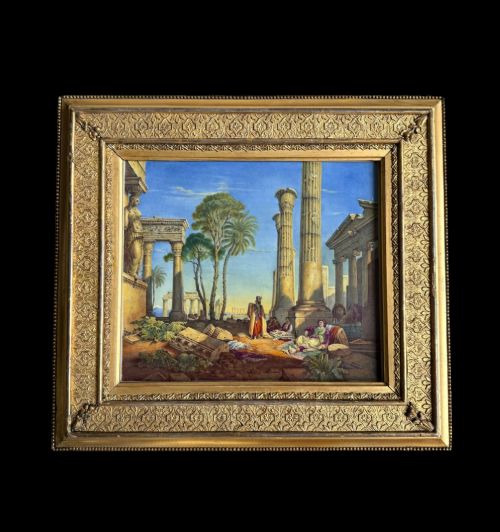
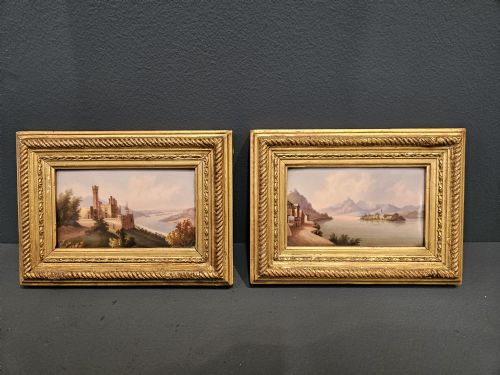
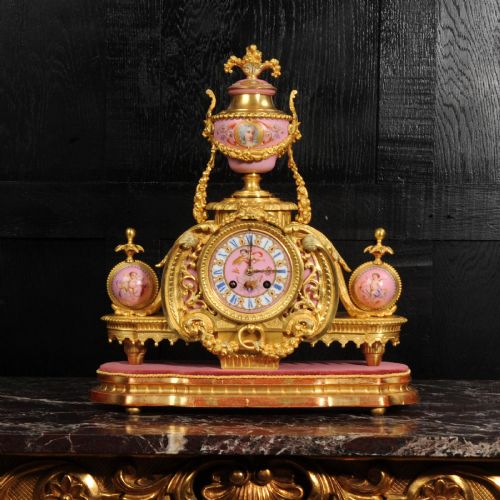
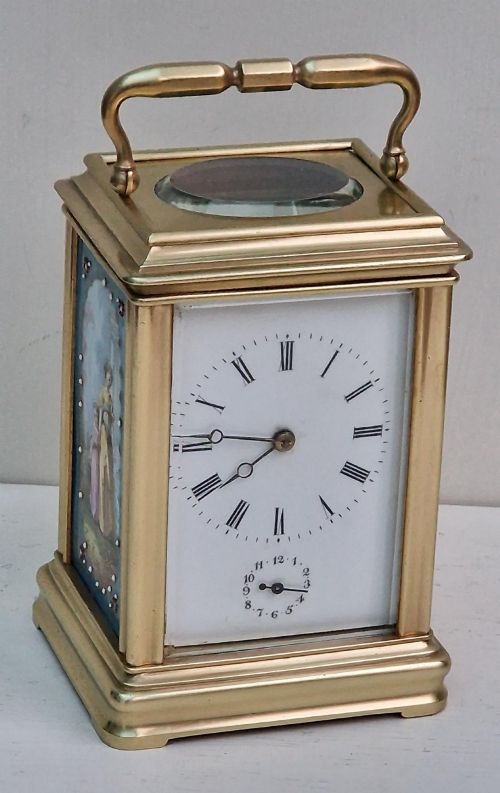
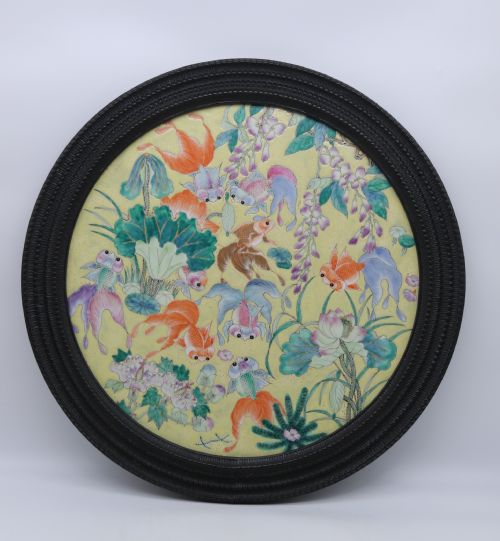
A painted porcelain panel appears across various decorative contexts, most frequently mounted into French mantel clocks, carriage timepieces, or framed as independent wall art and portrait plaques. These objects originate from nineteenth century workshops in Europe alongside eighteenth and twentieth century Chinese production.
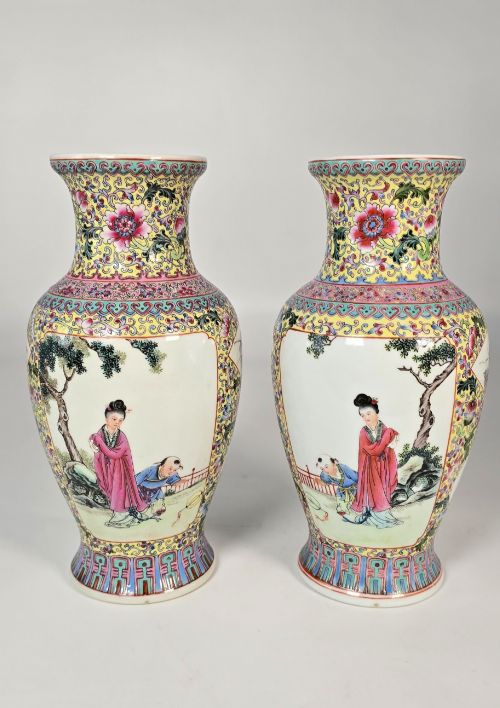
Buyers encounter these items set into ormolu mounts, framed in velvet or mounted within larger ceramic bodies such as vases and mugs. The subjects range from birds and human figures to detailed aquatic and landscape scenes executed in polychrome enamels.
Materials and construction methods
Craftsmen utilised hard-paste and soft-paste porcelain surfaces, applying mineral enamel pigments that required multiple firings in a kiln to fix the colours permanently. Gilding, gold leaf and ormolu mounts frequently encase or frame these ceramic elements.
Makers integrated the finished panels into brass clock cases, crystal regulators, and wooden or velvet frames, securing them with bronze or gilt bronze bezels and brackets.
Painted Porcelain Panel Retail Price Guide 2026
Typical asking prices for painted porcelain panel among the pieces listed under this phrase on Sellingantiques today, from the lower quarter to the upper quarter. They describe what is for sale here now, not the wider market.
Several panels depict tiny hummingbirds caught mid-air, preserving fleeting natural history studies permanently in glass and enamel.
Distinctions in craftsmanship
Quality rests upon the precision of the brushwork and the stability of the enamel glaze after firing, distinguishing mass decorative items from signed works by skilled ceramic artists. The registration of fine details in portraiture and natural history subjects separates superior panels from simpler factory output.
The integration of the panel with its surrounding mount dictates overall execution, where heavy ormolu and tailored gilt bronze framing elevate the combined object.
Achille Brocot·Stinton·William Rayworth·JP Delettrez·John Randall
The Painted Porcelain Panel Glossary
- Ormolu
- Gilded bronze used extensively for mounts and decorative frames on French clocks and luxury objects. This material provides a bright metallic contrast to the smooth white glazed porcelain.
- Soft-paste
- An early artificial porcelain composition fired at lower temperatures than true hard-paste porcelain. It produces a warm texture popular in eighteenth century English factories.
- Enamel
- Powdered glass fused to a metal or ceramic surface under heat to create durable coloured decoration. It forms the primary medium for the detailed painted scenes found on these panels.
- Gilt bronze
- Metal alloy treated with a gold coating to resemble solid gold. It appears frequently as the structural housing for clock sets and mounted panels.
Painted Porcelain Panel: Frequently Asked Questions
How do I clean a painted porcelain panel?
Dust the surface gently with a soft, dry brush to prevent abrasive particles from scratching the fired enamel glaze.
Avoid liquid cleaners or chemical solvents, as these substances can damage delicate gilt highlights and surrounding metal mounts.
Are these panels fixed into their frames?
Most panels are secured within bezels, brass mounts or specialised rebates designed to hold the ceramic safely without permanent adhesives.
Clockmakers and frame makers utilised removable pins or brackets to allow access for maintenance and repair.
What subjects appear on these panels?
Common subjects include botanical studies, portraits, landscape scenes, birds such as hummingbirds, and traditional Chinese figural motifs.
Artists drew inspiration from contemporary oil paintings and botanical folios translated into ceramic pigments.
How do I identify the period of a panel?
Dating relies on the style of the mounting hardware, factory marks on the reverse of the porcelain, and the colour palette of the enamels.
Nineteenth century pieces often feature revival styles and machine-tooled bezels distinct from earlier eighteenth century productions.