

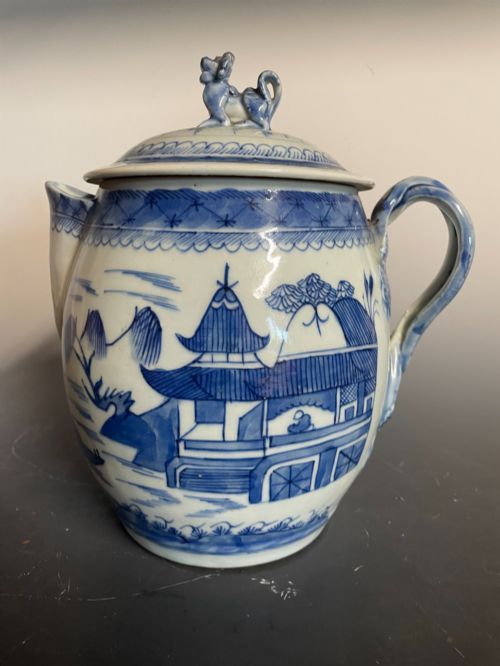


Painted Porcelain Dog
These painted porcelain dog figures combine traditional hand painting with ceramic craft, offering a charming display for any collector.
Painted Porcelain Dog
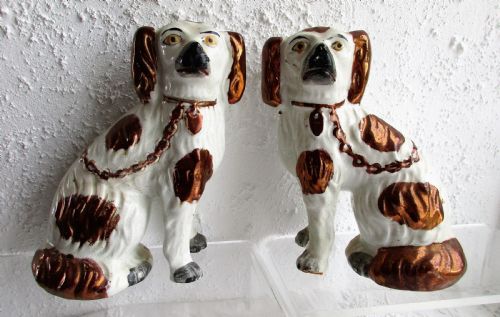
When you search for painted porcelain dog, you are looking at ceramic figures and decorated vessels featuring canine subjects from various periods. The pieces appearing here range from Victorian Staffordshire pottery spaniels to continental miniature dog figures.
The selection includes figures made during the nineteenth century alongside earlier examples. Buyers frequently encounter Staffordshire spaniels hand painted with distinct markings, as well as miniature porcelain dog figures from continental workshops.
These items serve as decorative figurines for mantelpieces and display cabinets. Their forms vary from paired mantel spaniels to individual nineteenth-century statues.
How they were made
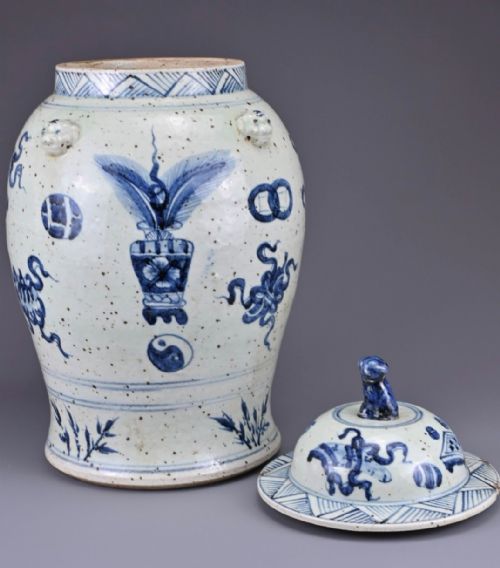
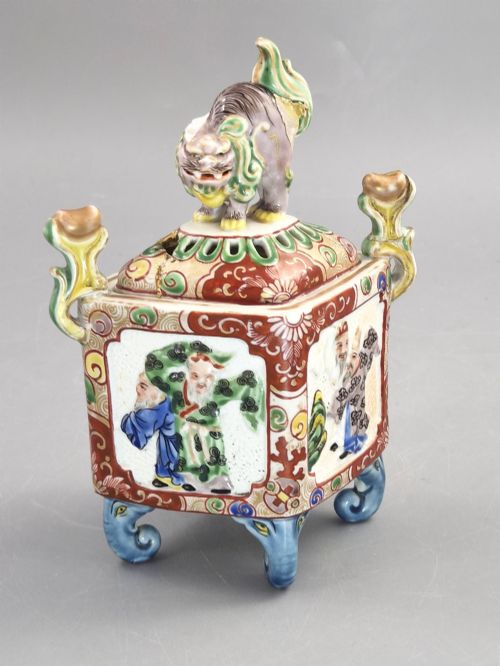
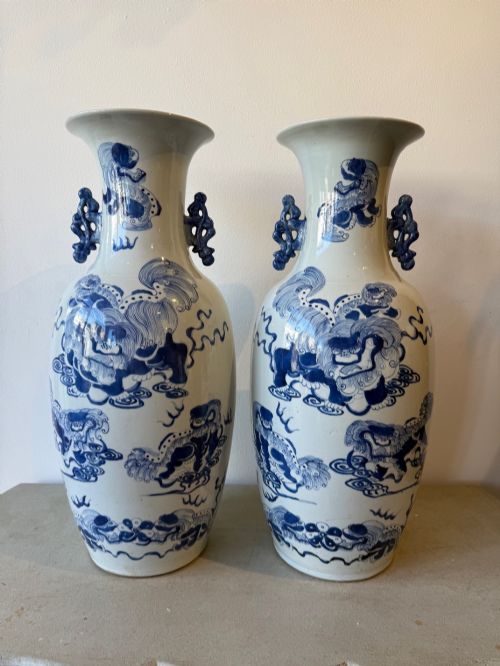
The physical evidence on this page shows ceramic construction utilising porcelain and earthenware bodies. Makers applied enamel colours and cobalt pigment under or over the glaze to decorate the surfaces.
Finishes incorporate gilt and gold leaf details alongside cobalt glaze. Firing techniques fixed these pigments onto the ceramic body, creating durable decorative finishes across the figures and vessels.
Painted Porcelain Dog Retail Price Guide 2026
Typical asking prices for painted porcelain dog among the pieces listed under this phrase on Sellingantiques today, from the lower quarter to the upper quarter. They describe what is for sale here now, not the wider market.
Listings on this page include pieces from the nineteenth century alongside continental and Staffordshire ceramic traditions.
What varies in quality
The condition of the glaze and any remaining gilt or gold leaf influences the visual appeal. Consistency in the ceramic body and the firing process separates standard production items from finer studio or factory work.
The Painted Porcelain Dog Glossary
- Staffordshire pottery
- Ceramic wares produced in the Staffordshire potteries of England. These works include the popular spaniel figures often placed on mantelpieces.
- Porcelain
- A ceramic material made by heating materials, generally including clay in the form of kaolin, in a kiln. It is known for its white body and vitrified finish.
- Enamel
- A decorative glassy substance fused to the surface of ceramics through firing. It provides the vibrant colours seen on many painted figures.
- Cobalt pigment
- A blue colouring agent used extensively in ceramic decoration. It withstands high kiln temperatures without losing its distinct hue.
- Gilt
- A thin layer of gold applied to the ceramic surface. This technique highlights specific decorative elements on the piece.
Painted Porcelain Dog: Frequently Asked Questions
What are Staffordshire comforter spaniels?
Staffordshire comforter spaniels are ceramic dog figures produced in pairs during the nineteenth century. Potters designed them to sit on mantelpieces in Victorian homes.
These spaniels typically feature hand-painted markings, gold lockets, and glossy glazes. They represent a distinct subcategory of ceramic dog figures.
How do I clean antique porcelain dogs?
Clean antique porcelain dogs using a soft, dry cloth to remove dust. Avoid harsh chemical cleaners that might damage the painted enamel or gilt.
If washing is necessary, use lukewarm water and mild soap with great care. Pat the piece dry immediately afterwards with a lint-free towel.
Are miniature porcelain dogs rare?
Miniature porcelain dog figures appear less frequently than standard-sized mantel spaniels in general trade. Their survival rate depends on their careful handling over the decades.
Collectors value these smaller examples for their intricate modelling and delicate painted details. Their scale requires precise craftsmanship from the maker.
How can I date my ceramic dog figure?
Dating a ceramic dog figure involves examining the paste, glaze characteristics, and painting style. Nineteenth-century pieces often show specific craquelure and hand-painted palette traits.
Comparing the base and manufacturing marks against known period examples helps narrow down the decade of production. Wear patterns also offer clues to the age of the item.