
Painted Porcelain Cabinet
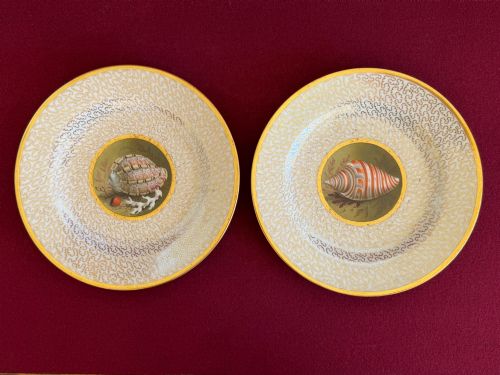
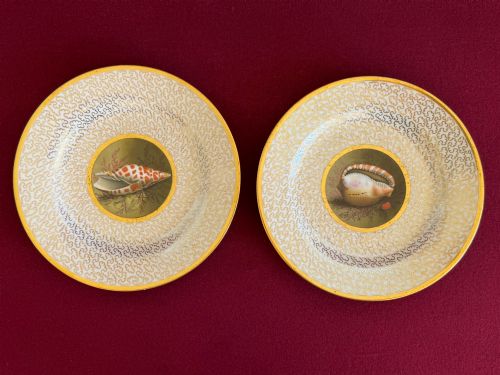
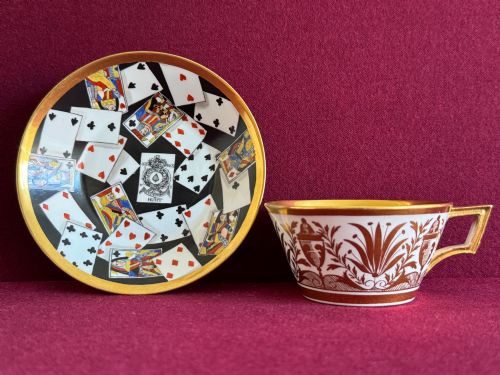
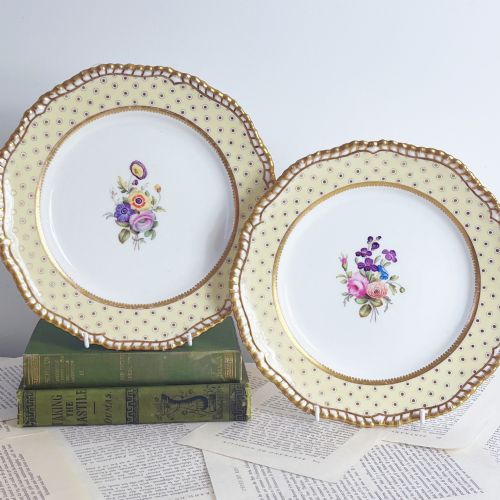
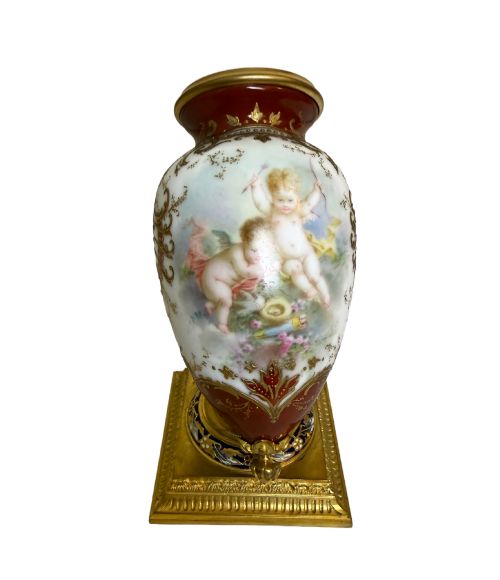
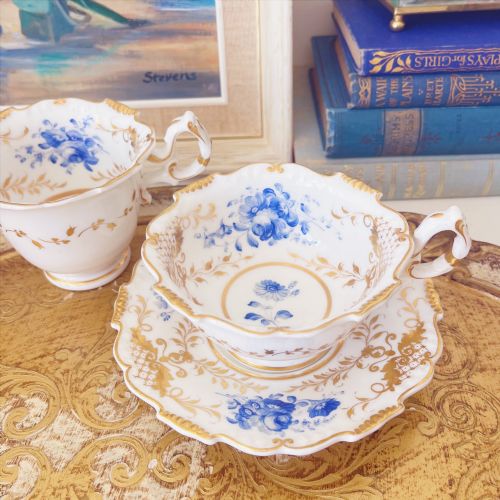
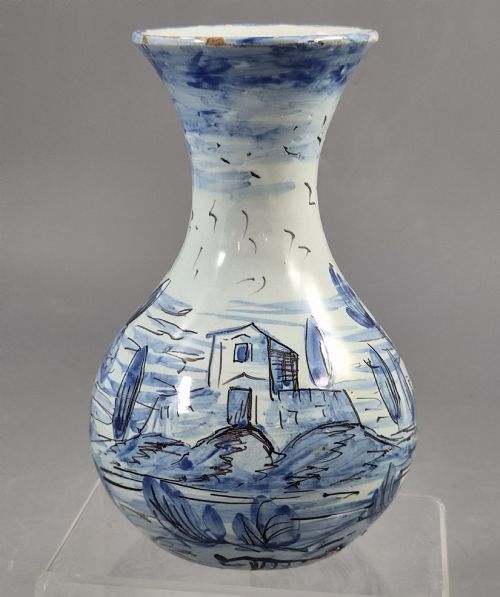
When searching for a painted porcelain cabinet piece, collectors encounter finely decorated plates, cups, and vases meant for display rather than daily service.
Painted Porcelain Cabinet
A painted porcelain cabinet search reveals decorative tableware and display items created to showcase exceptional artistry rather than practical use. The forms span cabinet plates, dessert plates, tea and coffee trios, mugs, and vases originating from nineteenth-century English and continental factories.
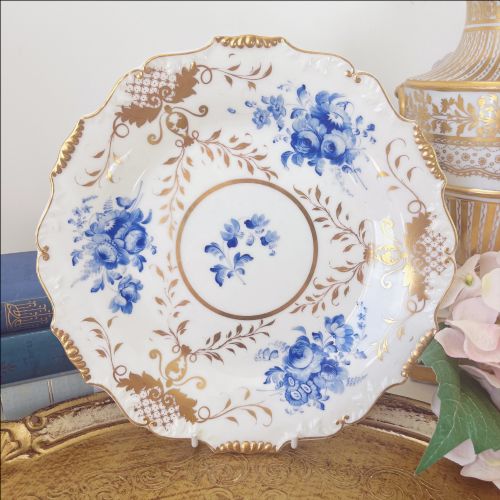
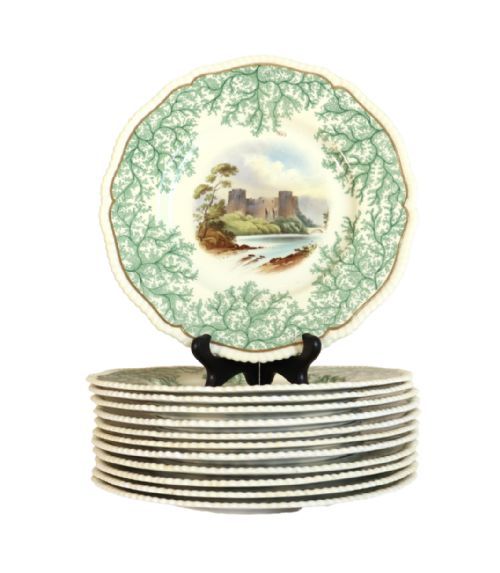
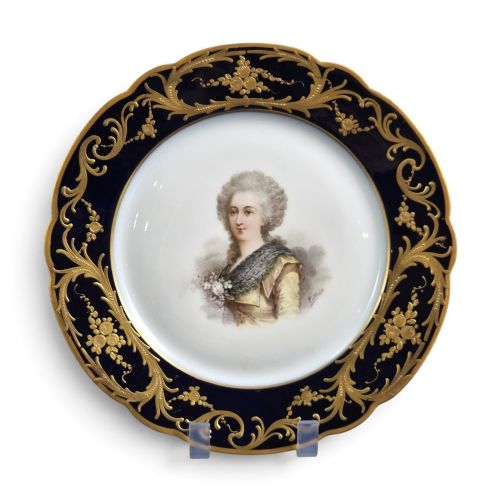
The most common examples on this page are nineteenth-century English porcelain plates and cups, alongside continental works from Berlin, Meissen, Sèvres, and Vienna. These items typically feature hand-painted botanical studies, landscapes, topographical views, birds, and portraits executed during periods ranging from the Georgian era through the twentieth century.
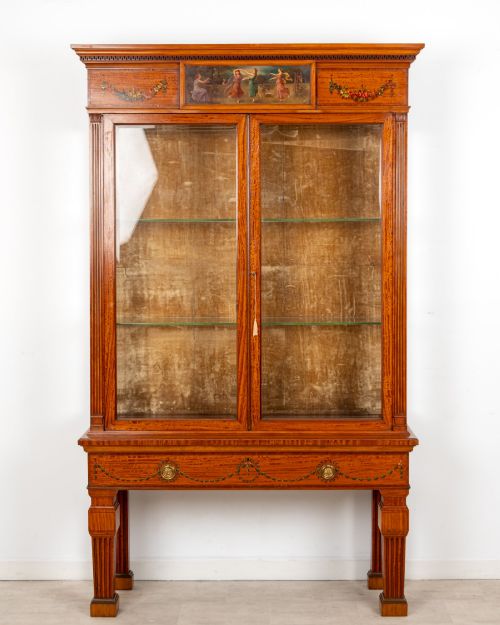
Such objects were designed specifically for display in glass-fronted furniture or on mantelpieces, marking them out from standard domestic service wares through superior artistic execution and specialised decorative themes.
Materials and manufacture
Manufacturers utilised hard-paste porcelain, bone china, and earthenware as the foundational bodies for these display objects. Potters shaped these materials into plates, cups, and vases before applying glazes that provided a smooth, uniform surface for subsequent artistic intervention.
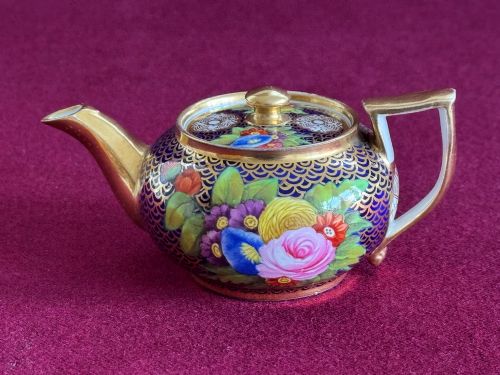
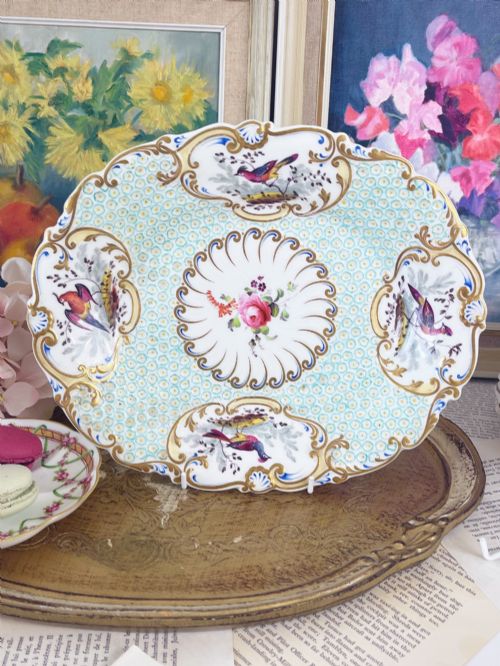
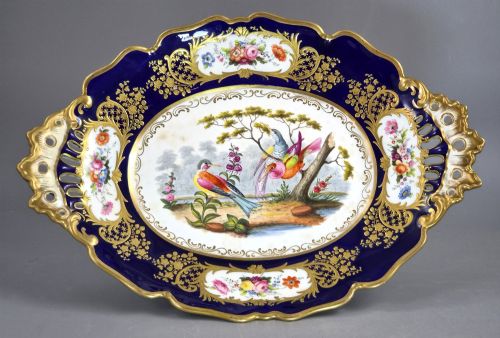
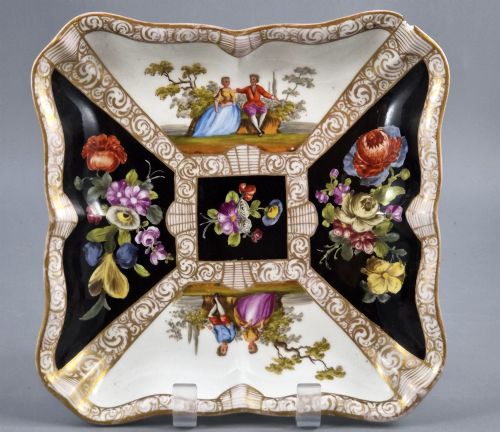
Artists applied enamel paints by hand to render intricate scenes of birds, flowers, and portraits. Guilders then incorporated gold leaf, gilt, and gilding to accentuate borders, handles, and framing elements on the porcelain.
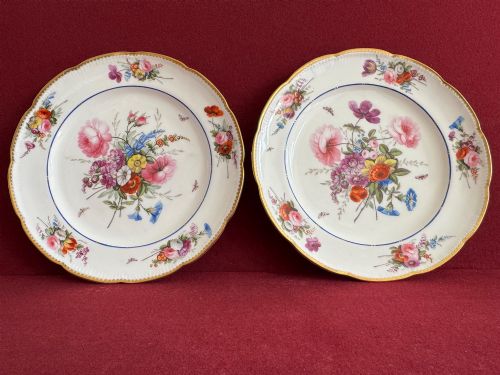
Several plates depict remarkably fierce-looking common birds and fluffy cabbage roses.
Distinctions in quality
Quality in these pieces rests primarily upon the skill of the hand-painted decoration and the reputation of the decorator or factory. Works bearing signatures from recognised artists or originating from premier imperial and royal workshops command greater attention from collectors.
The complexity of the palette, the precision of the gilding, and the crispness of the porcelain body further differentiate standard production items from exceptional exhibition pieces.
Spode·H & R Daniel·Wedgwood·Cantagalli·Coalport·Meissen·Newhall·Royal Worcester·Royal Crown Derby·KPM Berlin·Minton·Vienna
The Painted Porcelain Cabinet Glossary
- Cabinet plate
- A decorative plate created for display inside a glass-fronted piece of furniture rather than for dining. These items frequently feature elaborate hand-painted central reserves and gilded borders.
- Bone china
- A type of soft-paste porcelain containing bone ash, developed in England to create a durable, brilliantly white ceramic body suitable for fine painting.
- Hard-paste porcelain
- A vitrified ceramic composed of kaolin and petuntse fired at very high temperatures, producing a dense, translucent body utilised extensively by continental European factories.
- Gilding
- The application of gold leaf or powdered gold to ceramic surfaces. This technique highlights rims, handles, and decorative borders.
- Enamel
- Opaque or translucent glass-based pigments applied over the glaze and fired to fix the painted design permanently onto the porcelain.
Painted Porcelain Cabinet: Frequently Asked Questions
What is a cabinet plate?
A cabinet plate is a decorative ceramic dish intended purely for display in a cabinet or on a wall rather than for serving food.
These pieces typically display intricate hand-painted artwork, scenic views, or botanical studies framed by rich gilding.
Were these cups used for tea?
Cabinet cups and trios were often produced as decorative display items rather than for everyday consumption.
Their delicate painting and extensive gold leaf meant they served primarily as cabinet ornaments or presentation pieces.
How do I identify a factory mark?
Factories stamped, painted, or impressed their specific emblems, ciphers, or pattern numbers directly onto the unglazed underside of the porcelain.
Consulting manufacturer reference guides helps match these marks to specific production eras and workshops.
How should I display them?
These ceramics are best housed in secure, dust-free display cabinets or mounted safely using specialised plate hangers.
Keeping them away from direct sunlight protects the delicate enamel colours and gold leaf from fading over time.