



Painted Porcelain Bottle
A painted porcelain bottle brings together hard-paste ceramics and intricate overglaze enamels to offer collectors a portable piece of historical artistry.
Painted Porcelain Bottle
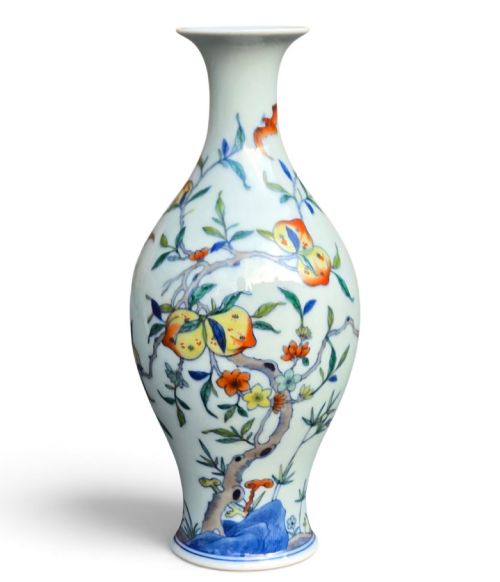
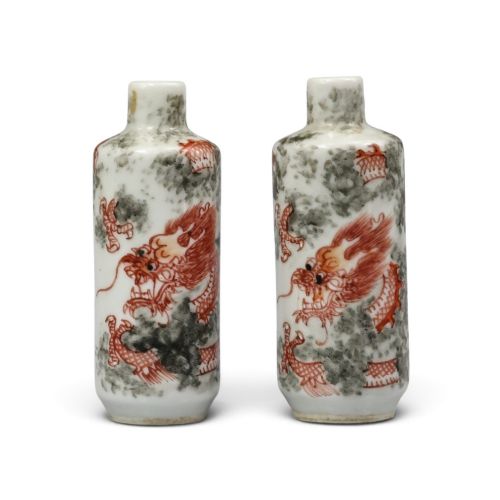
When you search for a painted porcelain bottle, you encounter a diverse range of objects spanning centuries of global ceramic production. These pieces take various forms, including miniature snuff bottles for personal use, larger scent flasks with stoppers, and decorative vases designed for display.
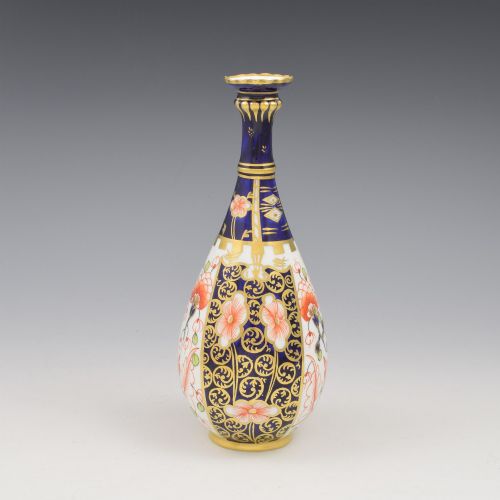
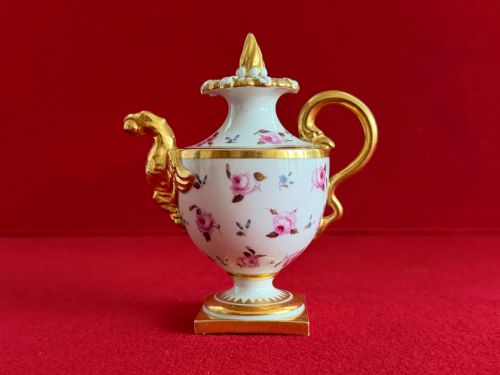
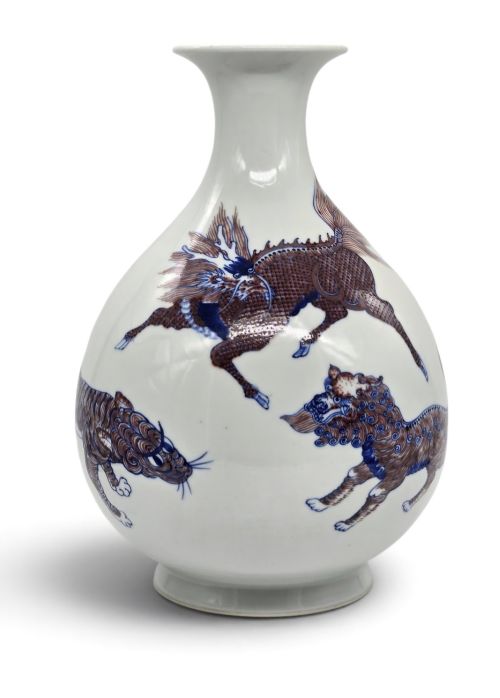
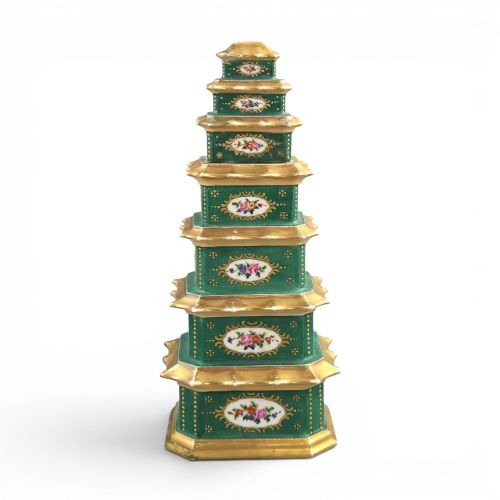
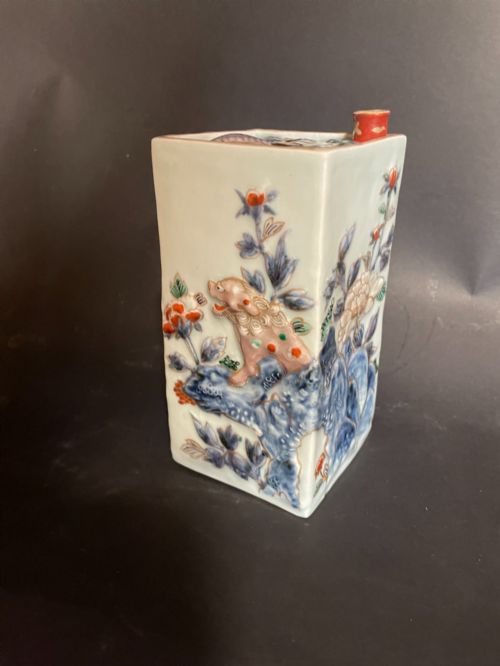
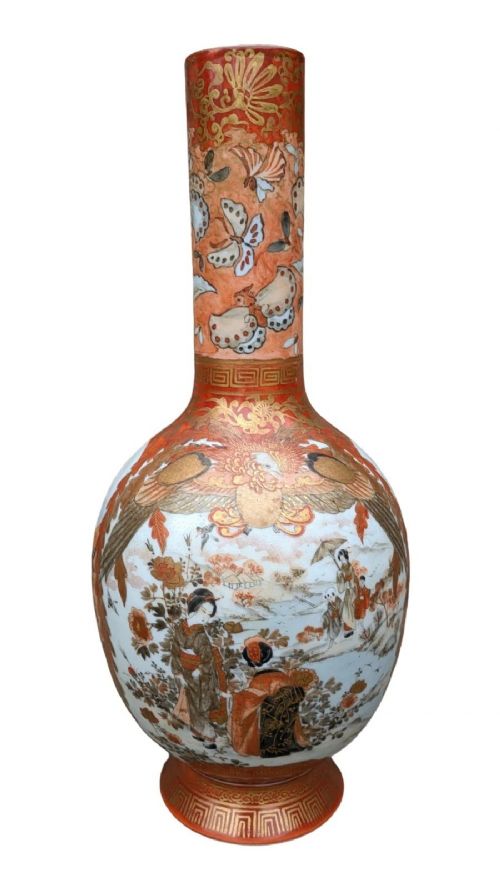
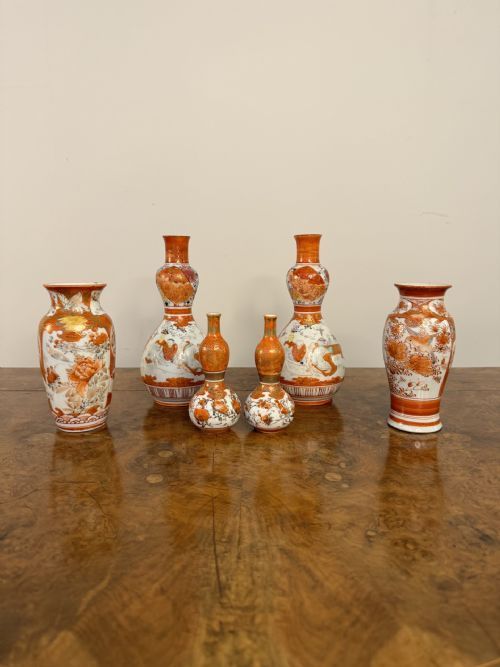
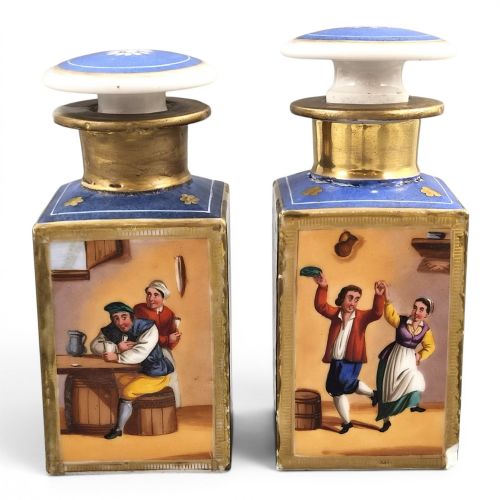
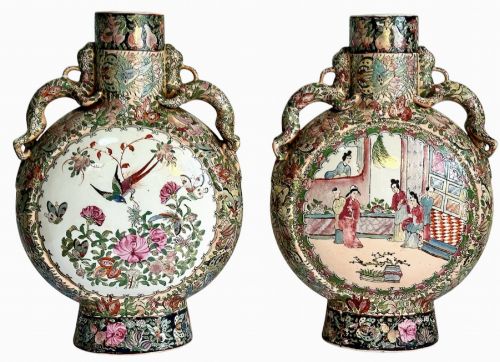
The selection here draws primarily from Chinese Qing Dynasty workshops, Japanese Kutani and Imari kilns, and European factories like Jacob Petit in Paris or English makers such as Minton and Royal Crown Derby. Chinese examples frequently display famille rose palettes and figural motifs, while Japanese items often present Imari patterns or Kutani designs from the Meiji period.
European specimens introduce distinct regional shapes, from French figural scent flasks to English stem vases and wine bottles. This variety allows collectors to focus on specific geographic traditions while exploring the shared medium of glazed ceramic.
Materials and technique
Potters formed these vessels using hard-paste porcelain, applying initial underglaze cobalt blue or copper-red pigments before firing the body at high temperatures. Artisans then added overglaze enamels, gold leaf, and gilt highlights in subsequent, lower-temperature firings to achieve rich polychrome surfaces.
Japanese and Chinese workshops relied on precise brushwork for detailed figural scenes, landscapes, and dragons, whilst European makers often incorporated moulded elements, flower encrustations, and hand-painted figurative vignettes. Glaze application varied from clear protective coats to dense cobalt and turquoise layers that defined the background of the painted decoration.
Painted Porcelain Bottle Retail Price Guide 2026
Typical asking prices for painted porcelain bottle among the pieces listed under this phrase on Sellingantiques today, from the lower quarter to the upper quarter. They describe what is for sale here now, not the wider market.
Listings feature hard-paste porcelain vessels decorated with overglaze enamel, gold leaf, and cobalt glaze across multiple centuries.
What distinguishes finer examples
Quality rests primarily in the precision of the brushwork and the clarity of the enamel pigments. Superior pieces exhibit crisp lines, controlled gilding, and well-defined facial expressions on figural subjects, whereas lesser items display rushed painting and muddy colour separation.
The sophistication of the ceramic body and the crispness of moulded details also separate standard production wares from exceptional studio pieces. A well-balanced form with intact, vibrant enamels and clear reign marks demonstrates superior craftsmanship.
Jacob Petit·Flight Barr And Barr·Royal Crown Derby·Royal Worcester·Minton
The Painted Porcelain Bottle Glossary
- Famille-rose
- A palette of opaque pink and other pastel enamels introduced in Chinese porcelain during the Qing Dynasty. This colouring technique allowed artists to create subtle tonal gradations in floral and figural motifs.
- Imari
- A style of Japanese export porcelain characterised by underglaze blue, iron-red, and gold overglaze decoration. Makers in Arita produced these bold patterns for domestic and international markets.
- Overglaze enamel
- Pigments applied on top of a fired and glazed ceramic surface and fixed in a second, cooler kiln firing. This method permits a wider range of bright colours than underglaze painting.
- Tokuri
- A traditional Japanese ceramic flask used primarily for serving sake. These vessels often feature narrow necks and hand-painted botanical or abstract designs.
- Hard-paste porcelain
- A dense, vitrified ceramic composed of kaolin and petuntse fired at high temperatures. It produces a durable, white body that rings when struck and resists scratching.
Painted Porcelain Bottle: Frequently Asked Questions
What is the difference between Chinese and Japanese bottle vases?
Chinese porcelain bottles from this selection frequently feature famille rose enamels, imperial motifs like dragons, and precise underglaze blue painting. Japanese equivalents often showcase Imari palettes or Kutani designs with heavier iron-red and gold applications.
Makers in each region utilised distinct clay preparation methods and kiln temperatures that left subtle clues in the weight and translucency of the ceramic body.
How should I display porcelain bottles at home?
Place these items in well-lit cabinets away from direct sunlight to protect overglaze enamels and gold leaf highlights from fading over time. Ensure they sit on stable, level surfaces where accidental knocks cannot dislodge narrow necks or stoppers.
Grouping items by palette or origin helps create a cohesive display that highlights differences in form and glaze texture.
Can I identify the age of a painted porcelain bottle?
Dating relies on stylistic markers, base marks, and the specific composition of the porcelain body and enamel colours. Reign marks on Chinese pieces or factory stamps on European and Japanese items offer chronological guideposts.
Comparing the painting technique and wear patterns to documented examples from periods like the Qing Dynasty or the Meiji era confirms the likely timeframe of manufacture.