

Painted Pine Storage Chest
A painted pine storage chest brings honest utility and vernacular colour to an interior, offering robust storage with the character of age.

Painted Pine Storage Chest
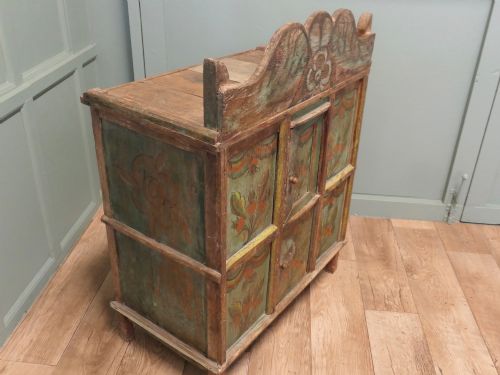
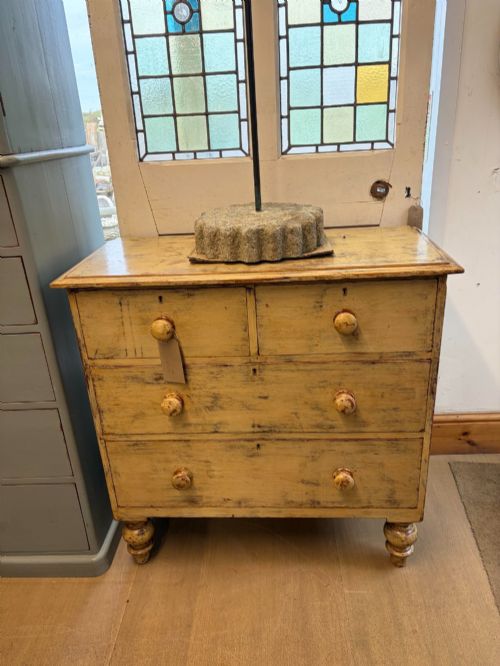
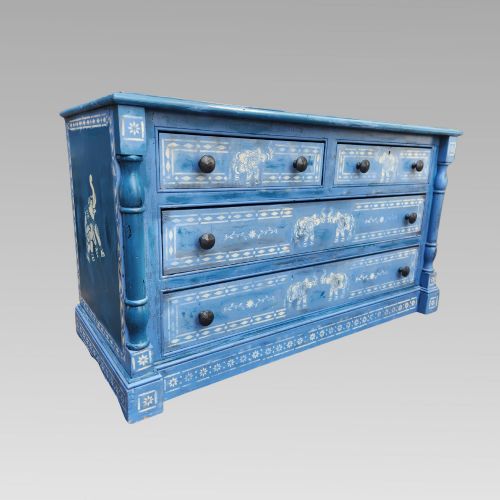
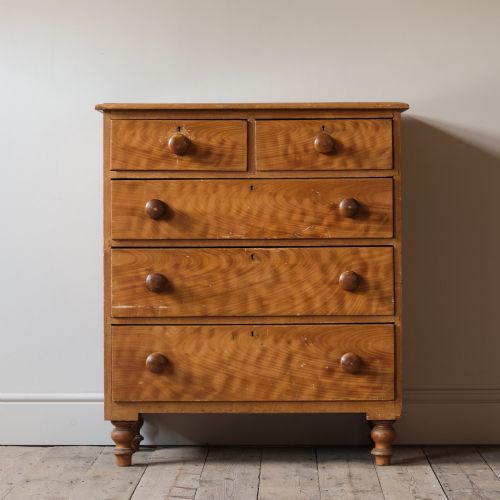
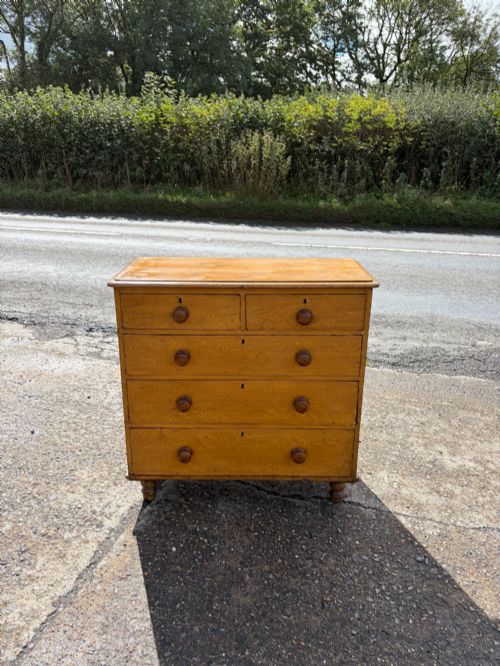
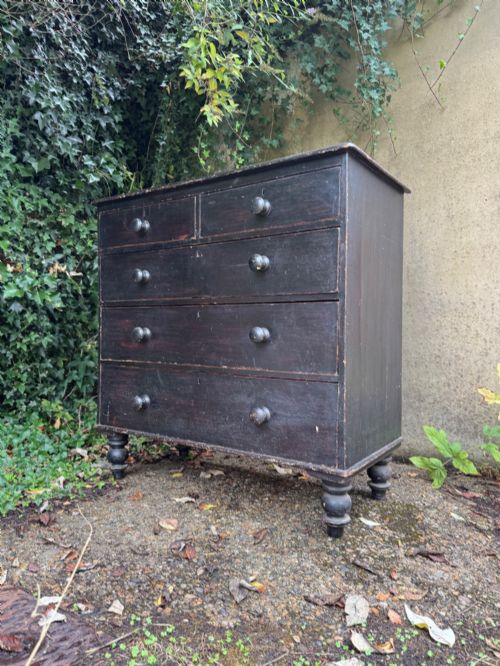
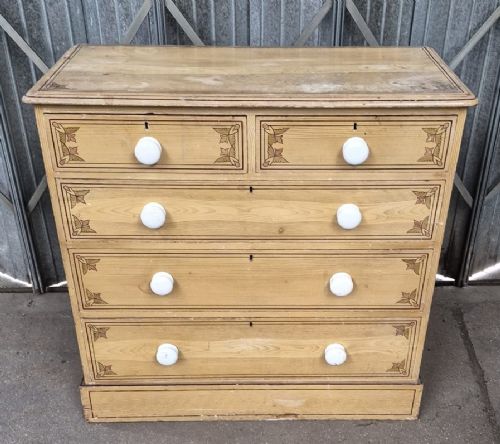
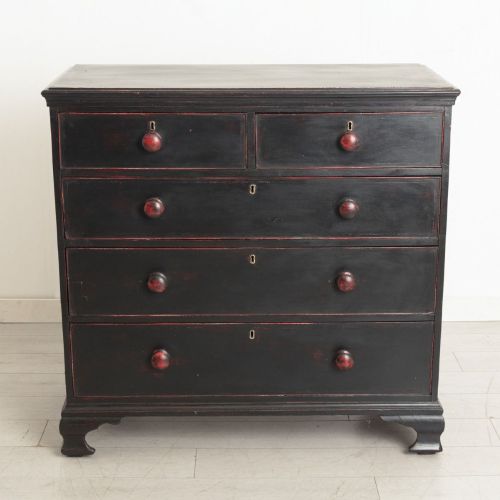
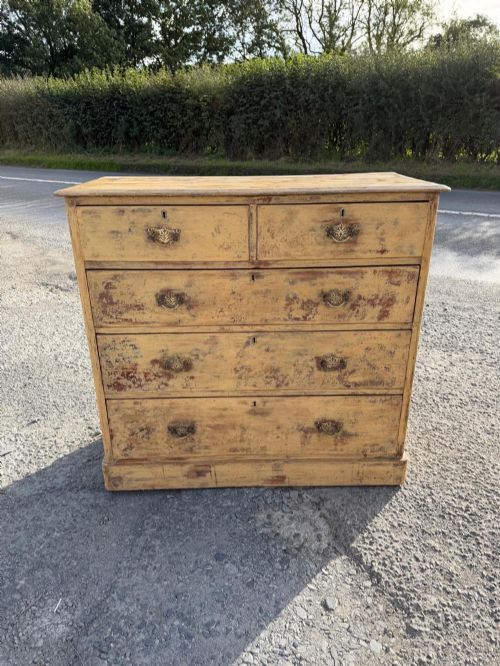
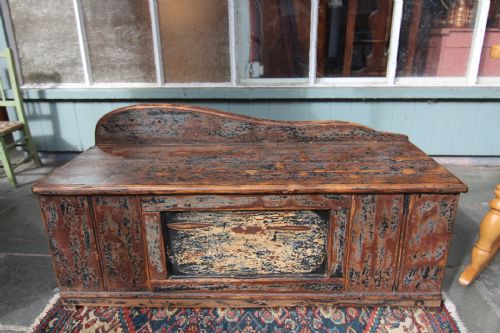
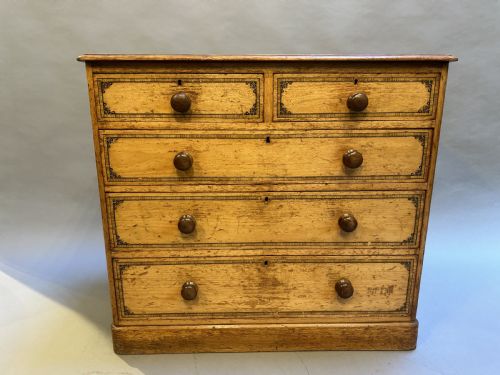
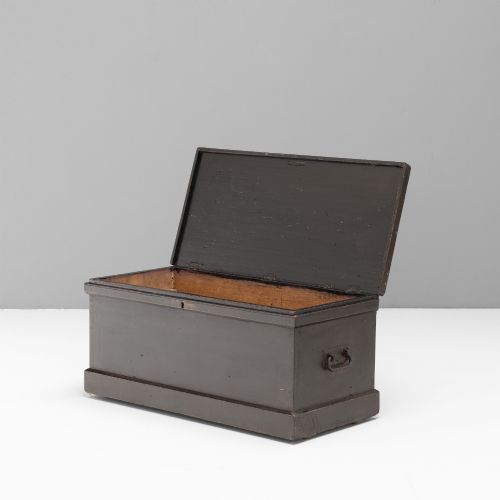
A painted pine storage chest is a utilitarian box or case constructed primarily from softwoods and finished with pigment, fulfilling a long-standing domestic need for secure containment. The pieces gathered under this phrase range from simple blanket boxes and blanket chests to robust travel trunks and multi-drawer drawer units.
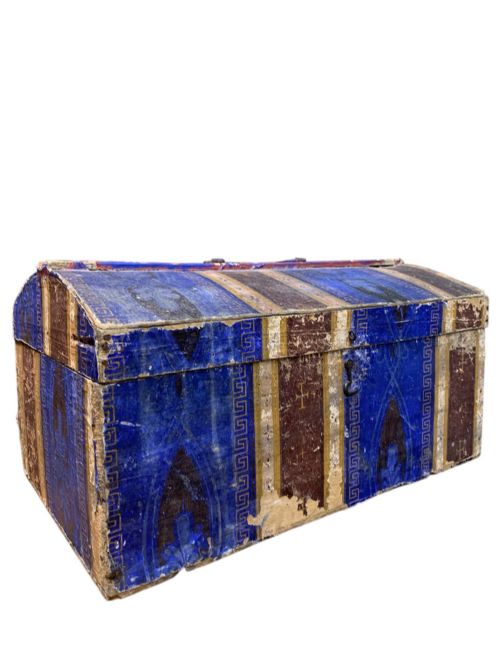
The versions most commonly encountered on this page date from the nineteenth century and the Victorian era, alongside regional European examples from the Georgian and Regency periods. They appear in various forms including dome top chests, mule chests with lower drawers, and fitted campaign trunks.
Makers ranged from local estate carpenters to folk artists working across England, France, Sweden, and Hungary. These items served functional roles in kitchens, bedrooms, and hallways, accumulating layers of history through subsequent decorative treatments.
How They Were Made
Construction relies heavily on pine planks joined with simple dovetail or tongue-and-groove joints, reinforced for travel or heavy duty with hand-forged iron strapwork and brass fittings. Hinged lids and iron handles provide the necessary mechanical structure for lifting and transport.
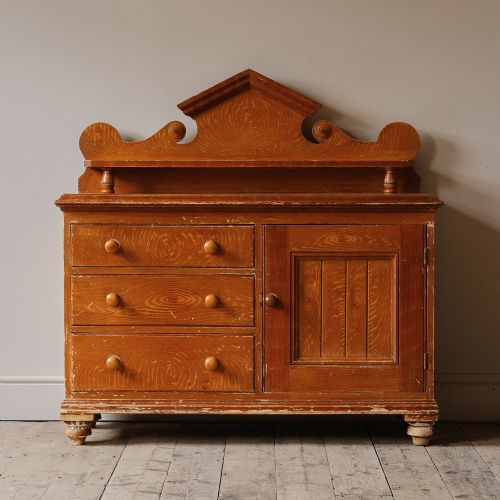
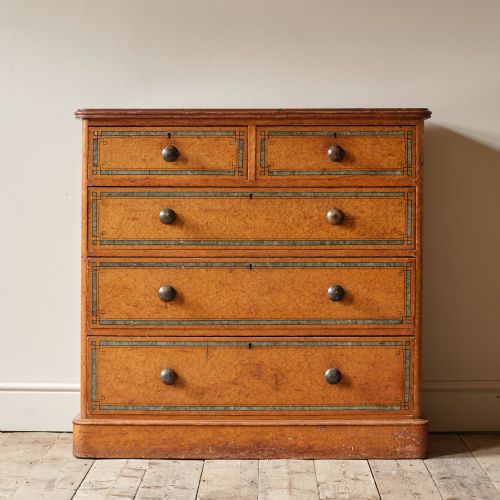
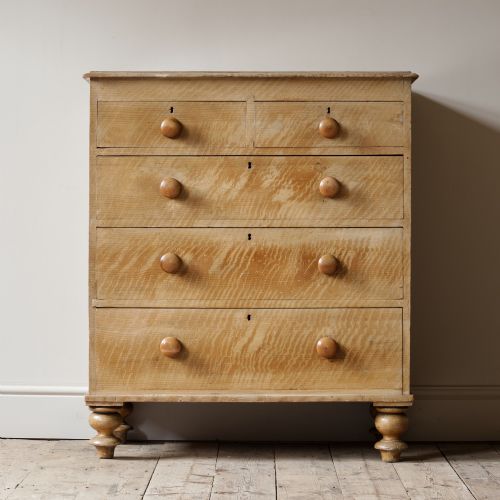
Surfaces were prepared with primers and finished using traditional paints, often incorporating scumbling techniques to imitate more expensive hardwoods or applying hand-painted folk decorations. The application of multiple coats over decades has created durable painted skins that now show characteristic weathering.
Painted Pine Storage Chest Retail Price Guide 2026
Typical asking prices for painted pine storage chest among the pieces listed under this phrase on Sellingantiques today, from the lower quarter to the upper quarter. They describe what is for sale here now, not the wider market.
Objects catalogued here range from Hungarian marriage chests and French confituriers to English kitchen dressers and robust travel trunks.
What Varies in Quality
Quality rests significantly on the integrity of the original paint surface, distinguishing examples that retain their early or scumbled finishes from those stripped or heavily repainted later. Unaltered pigment layers preserve the tactile history of the piece.
The structural joinery and the survival of original ironwork, strapwork, and hinges determine the integrity of the chest. Finer examples display careful dovetailing and robust hardware that has endured centuries of use without major replacement.
The Painted Pine Storage Chest Glossary
- Scumble paint
- A translucent or semi-opaque glaze manipulated over a lighter base coat to create mottled wood-grain effects or textured patterns. This technique was frequently utilised on nineteenth-century pine furniture to simulate oak or mahogany.
- Mule chest
- A traditional storage chest featuring one or more drawers built into the base beneath the main compartment. It bridges the transition between a simple blanket box and a full chest of drawers.
- Strapwork
- Heavy bands of wrought iron or metal affixed across the corners and panels of a chest for structural reinforcement. It provides both physical security and a decorative grid across the wooden surface.
- Commode
- A low cabinet or chest of drawers, often applied to continental European forms such as French Gustavian or diamond-point examples. These pieces typically offer more refined decorative carving or veneering than standard British storage boxes.
- Campaign case
- A portable chest or trunk built in sections with recessed brass handles and corner brackets, designed for military transport. These items are engineered for durability during travel.
Painted Pine Storage Chest: Frequently Asked Questions
How do I care for antique pine furniture?
Care for these painted surfaces by keeping them away from direct sunlight and maintaining stable indoor humidity. Avoid harsh chemical cleaners that can strip or soften historic pigment layers.
Gentle dusting with a dry cloth is sufficient to preserve the aged finish without disturbing the underlying wood or ironwork.
Where were these chests made?
Originating from various regions, these chests include English country pieces, French provincial cupboards, and Hungarian or Swedish folk storage boxes. Estate carpenters and local workshops constructed them for everyday domestic utility.
Regional differences appear in the hardware, proportions, and specific styles of folk painting applied to the pine carcase.
What is the difference between a mule chest and a blanket box?
A blanket box is a simple lidded chest designed primarily for storing linens and textiles in a single open compartment. A mule chest incorporates one or more functional drawers beneath the main lift-up lid.
This drawer addition allows for easier access to smaller items without requiring the top lid to be opened entirely.