
Painted Pine Bedroom Storage
These painted pine bedroom storage pieces bring robust utility and regional character to domestic interiors through functional nineteenth-century forms.
Painted Pine Bedroom Storage
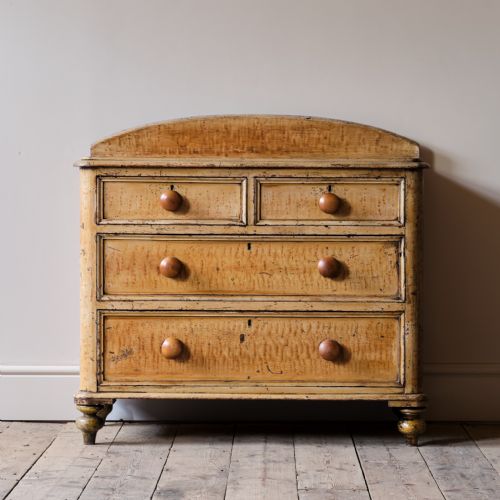
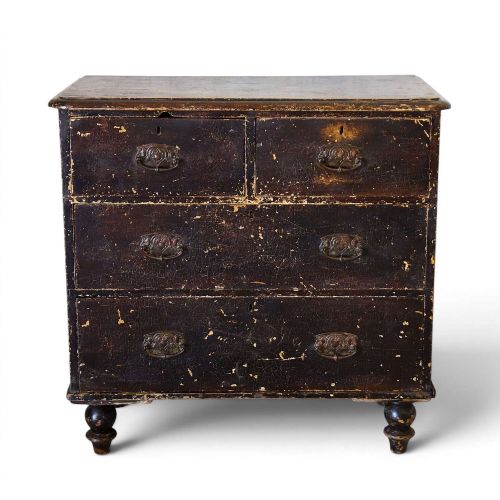
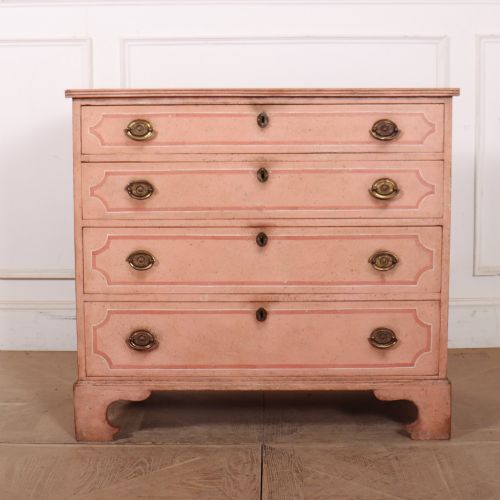
Painted pine bedroom storage encompasses utilitarian furniture produced across the nineteenth century, including chests of drawers, wardrobes, armoires, storage cupboards, dressing tables, and blanket boxes. These domestic pieces emerge from periods such as the Georgian, Regency, and Victorian eras, alongside continental traditions like French Gustavian and Hungarian workshops.
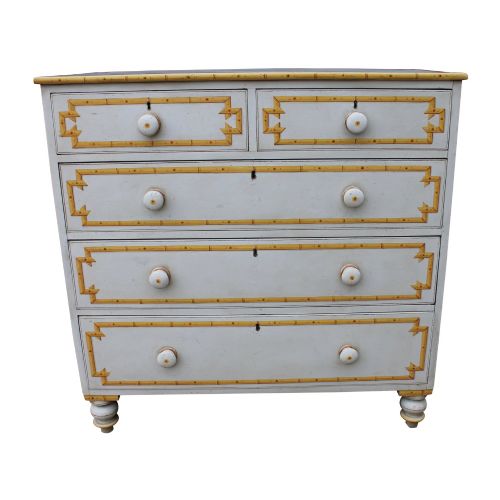
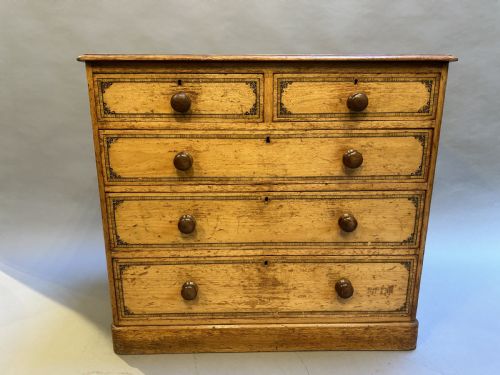
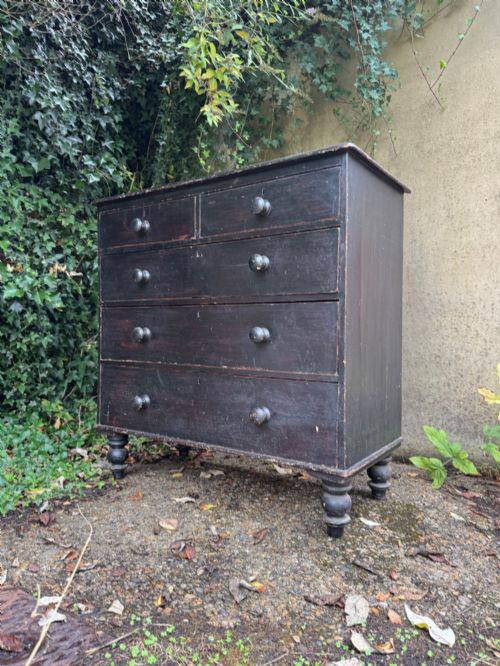
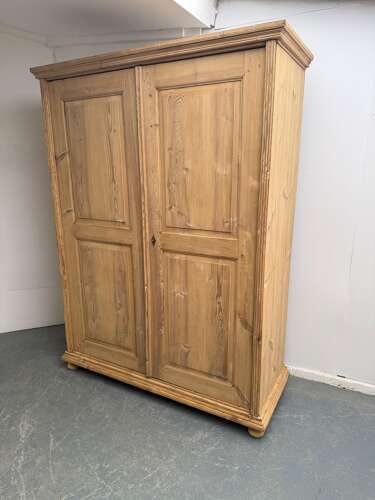
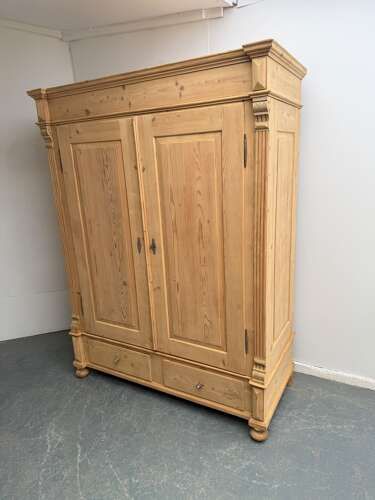
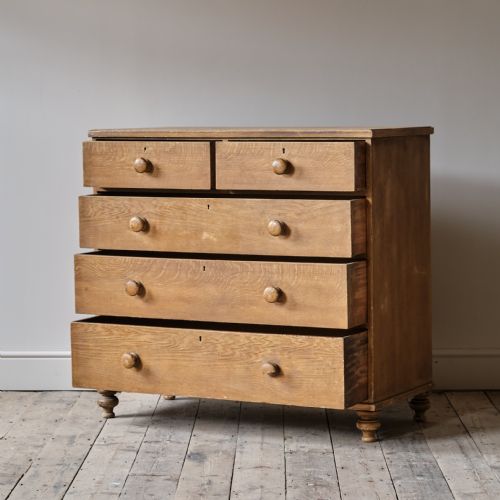
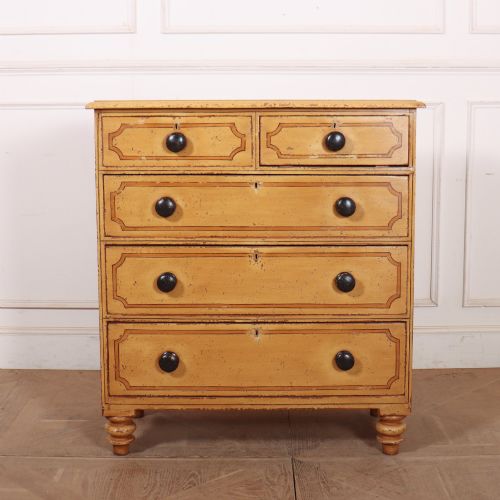
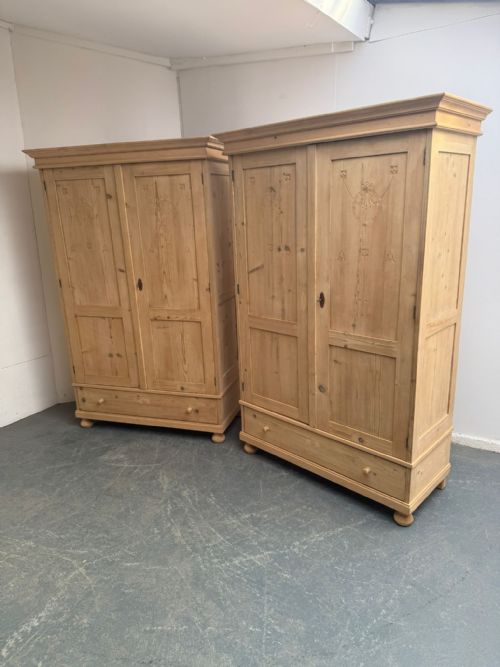
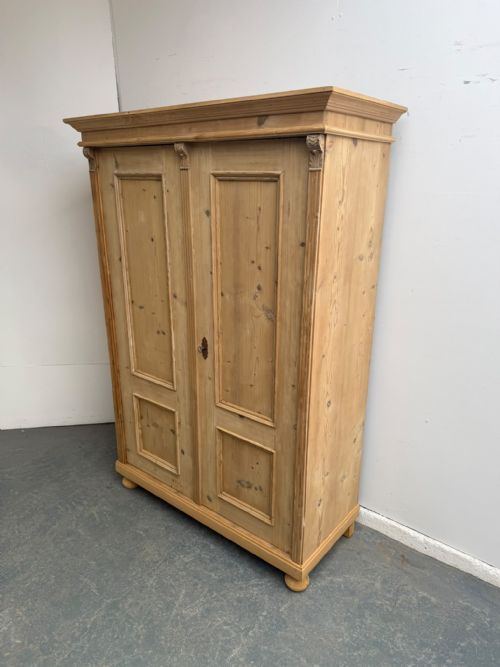
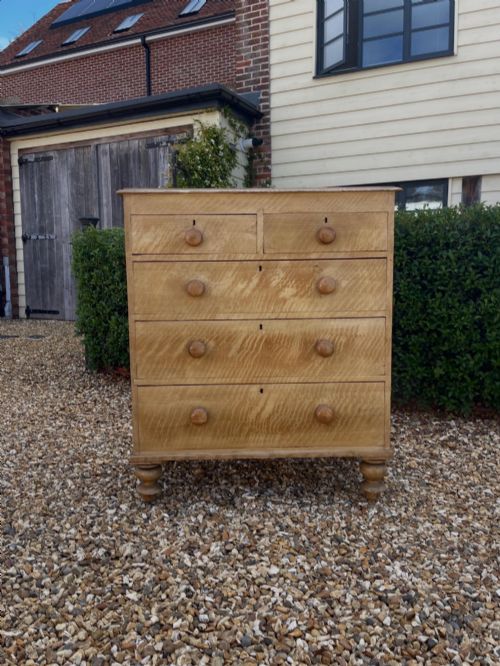
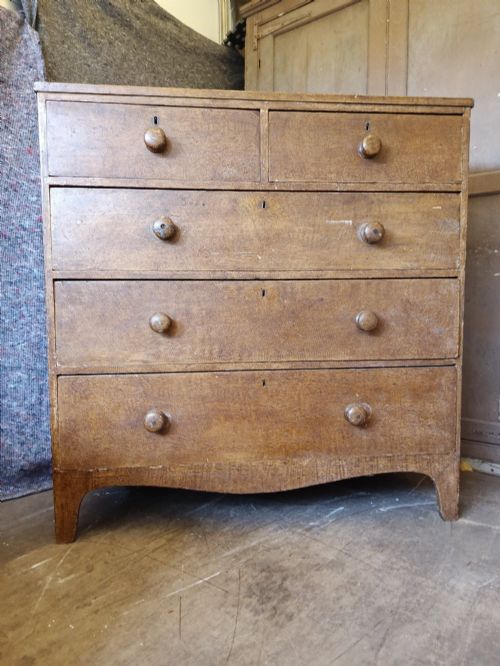
Chests of drawers dominate the available selection, often featuring configuration variants from three to five drawers alongside specialised forms like Wellington chests. Wardrobes and storage cupboards appear frequently, including knockdown versions designed for straightforward transport and assembly in domestic chambers.
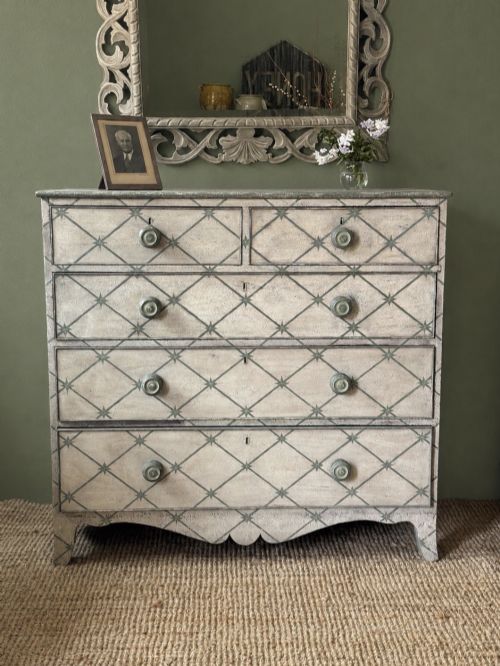
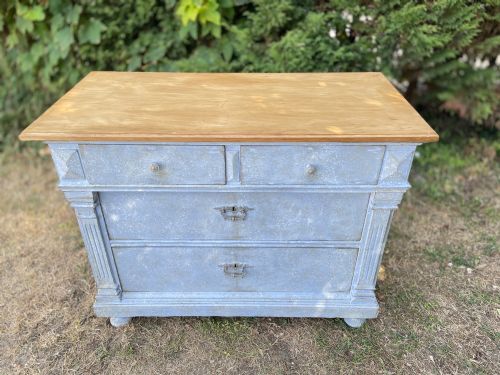
Country and regional interpretations form a core category, displaying surfaces that range from stark utilitarian paint to decorative stencilling, polychrome schemes, and simulated finishes.
Materials and Construction
Makers utilised native and imported pine as the primary timber substrate, valuing its workability for carcases, drawer linings, and panelled doors. Iron and brass hardware, including drop handles, escutcheons, and hinges, provide structural fastening and mechanical operation.
Surface treatments define the visual identity of these items, utilising lead- or oil-based paints applied in solid coats, regional scumble glazes, or faux bamboo and diamond-point decorative motifs.
One cheerful wardrobe hides its knockdown bolts behind secret wooden pegs, ensuring domestic assembly felt like solving a puzzle.
Gradations in Quality
The integrity of the original paint surface dictates much of the distinction between surviving examples, separating items retaining uncompromised historic pigment from those stripped or repassed in later decades. Subtle details such as hand-cut dovetail joints in drawer construction and original ironmongery separate utilitarian workshop output from finer vernacular production.
Proportion and scale also govern the hierarchy, where balanced drawer arrangements and well-scaled cornices on wardrobes or cupboards demonstrate deliberate design rather than hasty regional assembly.
The Painted Pine Bedroom Storage Glossary
- Scumble paint
- A translucent decorative glaze dragged or brushed over a lighter base coat to imitate the grain of more costly hardwoods. This technique was widely applied across nineteenth-century country furniture.
- Knockdown wardrobe
- A large storage piece constructed with a system of wedges, pegs, or bolts allowing the carcase to be disassembled for transport. This practical design suited domestic moves in the nineteenth century.
- Wellington chest
- A tall, narrow chest of drawers secured by a hinged vertical locking stile on one side that fastens with a key. The style originated in the early nineteenth century.
- Commode à pointe de diamant
- A chest of drawers or commode featuring geometric diamond-point carved or panelled drawer fronts. The style relates to eighteenth- and nineteenth-century neoclassical design traditions.
- Gustavian
- The Swedish interpretation of French neoclassical style, characterised by pale painted finishes and restrained classical carving. Pieces often display light grey, white, or cream pigments.
Painted Pine Bedroom Storage: Frequently Asked Questions
How do I clean painted pine furniture?
Dust surfaces regularly with a soft, dry cloth to prevent particulate accumulation. Avoid harsh chemical solvents or excessive water, which can lift historic paint layers.
Apply microcrystalline wax sparingly if the painted surface requires nourishment, buffing gently with a clean cloth to maintain the finish.
Can I disassemble knockdown wardrobes easily?
Most knockdown wardrobes utilise internal wooden pegs, wedges, or iron bolts that dismantle with basic hand tools. Marking each component during disassembly ensures straightforward reassembly in a new location.
Keep the original hardware bagged and labelled to prevent loss of period fixings.
What is scumble paint?
Scumble paint is a decorative surface treatment where a darker translucent glaze is manipulated over a pale ground to simulate wood grain. Makers used brushes, combs, or rags to create patterned textures.
This finish protected the underlying pine while offering a decorative alternative to expensive mahogany or oak.
How do I date a pine chest?
Examine the drawer construction for hand-cut dovetails, which indicate nineteenth-century or earlier manufacture, alongside the presence of secondary timbers like oak or ash. Original backboards made of wide, tongue-and-groove pine planks also provide chronological clues.
Hardware styles, tool marks, and the composition of underlying paint layers help narrow the production window.