
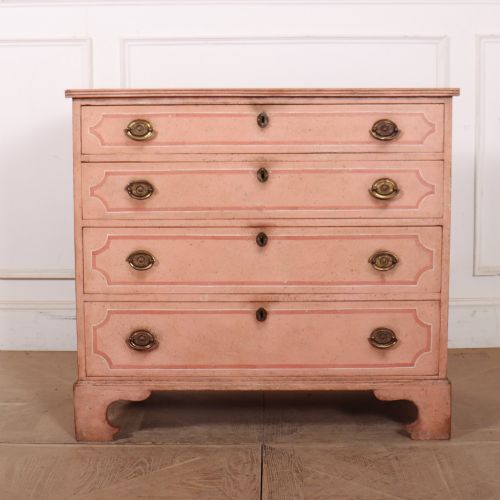

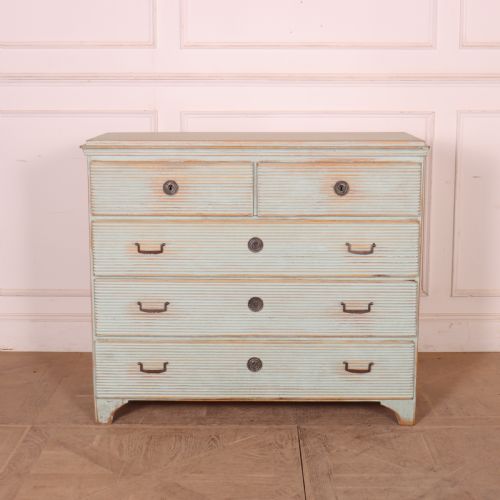


Country Style Pine Commode
A country style pine commode brings functional warmth and understated charm to any room through honest timber and aged painted finishes.
Country Style Pine Commode
A country style pine commode is a practical storage piece rooted in regional traditions across Britain, Scandinavia, and France. These items range from simple chests of drawers to painted cupboards and cabinets, reflecting the domestic needs of past centuries.
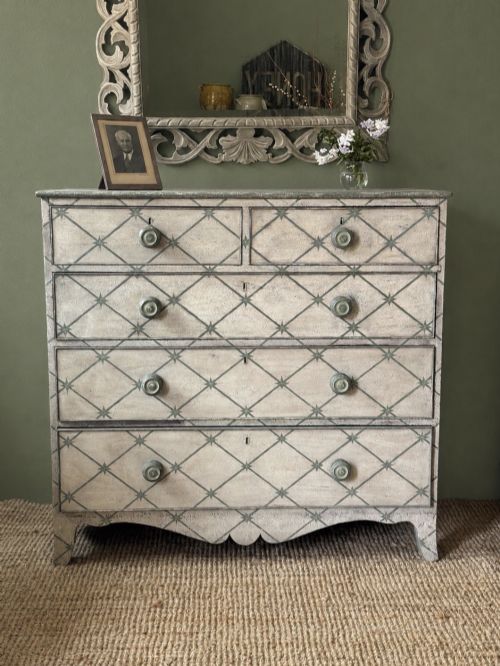
The selections available here lean heavily towards Scandinavian and English country traditions, particularly pieces finished in original or scraped paint. Alongside standard chests of drawers, the inventory includes regional variations like diamond-point commodes and rustic armchairs.
How they were made
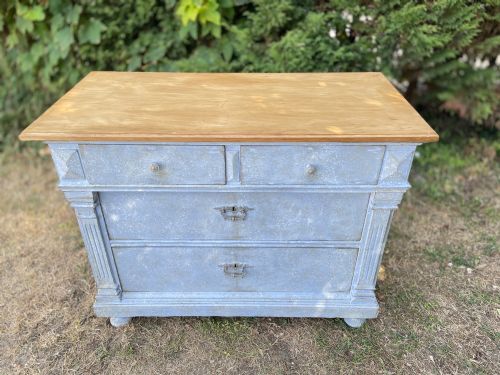
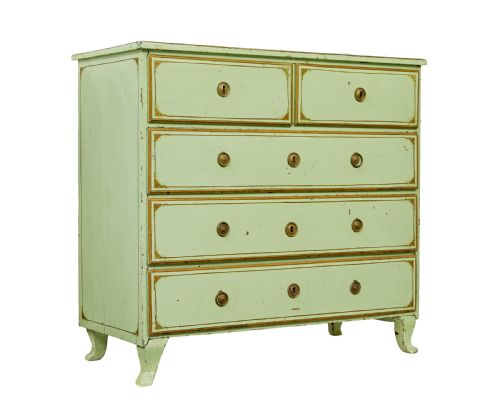
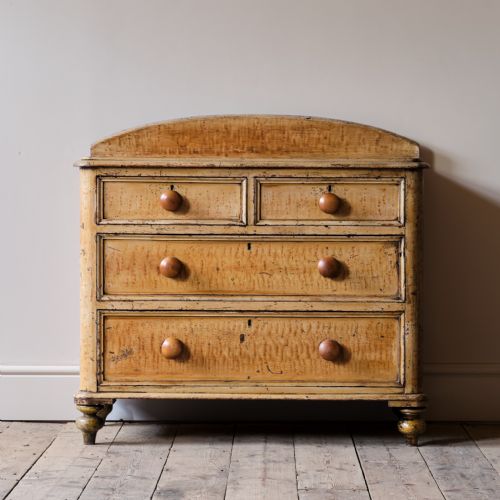
Construction relies primarily on solid pine and oak, shaped by traditional joinery methods suited to domestic workshops. Surfaces frequently display layers of historic paint, ranging from pale greys to original scraped finishes that reveal the age of the timber beneath.
Hardware components incorporate brass and iron for drawer pulls, escutcheons, and structural reinforcement. Detail work appears in fluted drawer fronts or carved panels rather than elaborate veneer or marquetry.
Some nineteenth-century Scandinavian cupboards wear their history proudly, hiding layers of historic paint beneath cheerful grey topcoats.
What varies in quality
Quality rests in the survival of original surfaces and the integrity of the timber construction. Pieces retaining their early scraped paint or untouched surface patination hold greater character than those stripped or aggressively refinished.
Proportion and regional detailing set better examples apart from plain utility furniture. Fine execution shows in balanced drawer arrangements, clean fluting, and sturdy carcase construction that has endured centuries of daily use.
The Country Style Pine Commode Glossary
- Commode
- A low chest of drawers or cabinet, often featuring multiple tiers for storage. In country contexts, the term usually describes sturdy timber storage chests.
- Scraped paint
- A conservation technique or natural weathering process where upper layers of old paint are partially removed to expose earlier historic hues beneath.
- Gustavian
- The Swedish interpretation of French neoclassical design, characterised by restrained carving, pale painted finishes, and functional elegance.
- Fluted
- Decorative parallel grooves carved vertically into drawer fronts or furniture pilasters to add texture and linear detail.
- Primitive vernacular
- Everyday domestic furniture made locally without high-style academic design influences, prioritising pure utility.
Country Style Pine Commode: Frequently Asked Questions
How do I date an old pine commode?
Dating relies on examining construction marks, timber preparation, and the nature of the fixings used in the carcase. Hand-cut dovetails and original backboards often point towards eighteenth or nineteenth-century origins.
Paint layers also provide chronological clues, as original scraped finishes reveal the decorative history of the piece over generations of domestic use.
What is the difference between English and Scandinavian styles?
English country pieces often showcase exposed waxed pine or simple painted surfaces designed for utilitarian farmhouse interiors. They tend to be straightforward in their proportions and construction.
Scandinavian and Gustavian pieces frequently incorporate lighter painted palettes, such as pale greys, alongside neoclassical decorative elements like fluted drawer fronts or diamond-point panels.
How should I clean a painted pine surface?
Historic painted surfaces require gentle maintenance using a dry cloth or a slightly damp sponge without harsh chemical detergents. Protecting the finish from direct sunlight preserves both the colour and the stability of the wood.
Wax should only be applied if the underlying paint is sealed and stable, avoiding modern polishes that can soften old oil or distemper layers.
Are these commodes suitable for everyday bedroom use?
These chests of drawers offer practical storage capacity suited to contemporary clothing and domestic organisation. The drawer depths and overall dimensions mirror those of modern drawer units while providing distinct historical character.
Placing them away from direct heat sources prevents the dry pine timber from warping and protects the historical joints.