



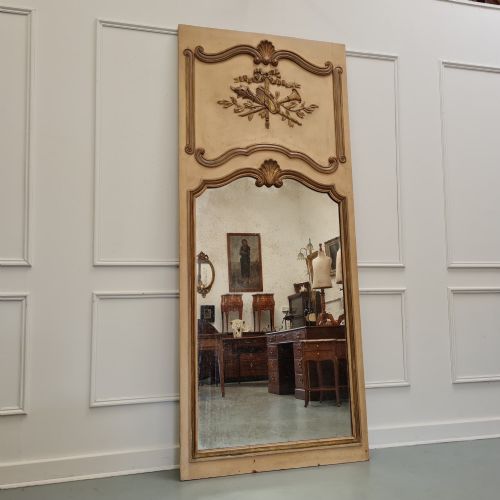


Painted Panel Trumeau Mirror
A painted panel trumeau mirror combines architectural framing with decorative artwork, bringing vertical elegance and French design to a room.
Painted Panel Trumeau Mirror
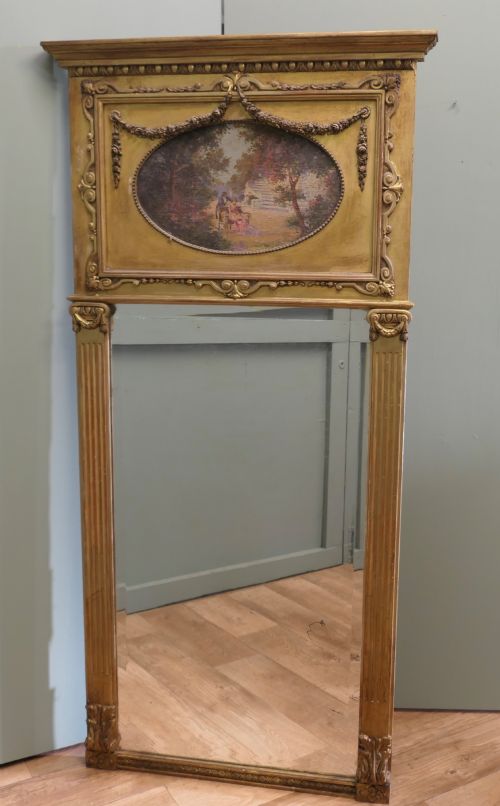
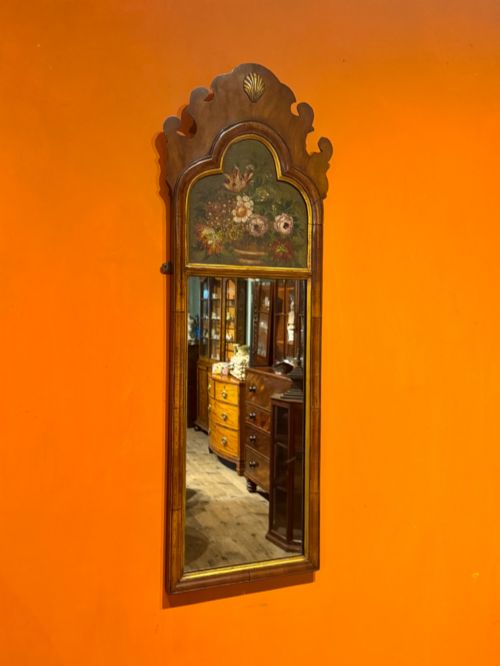
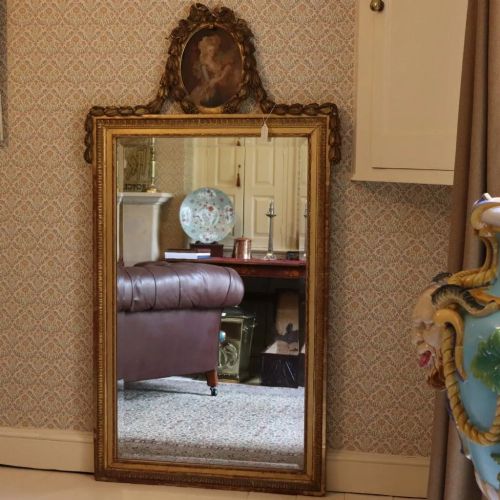
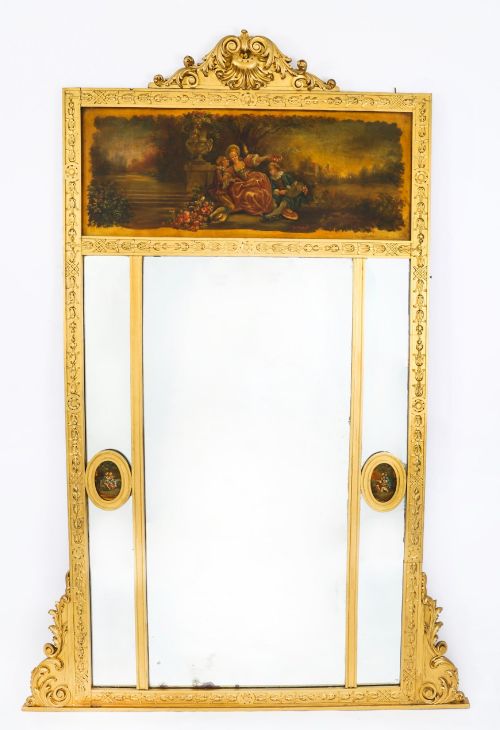
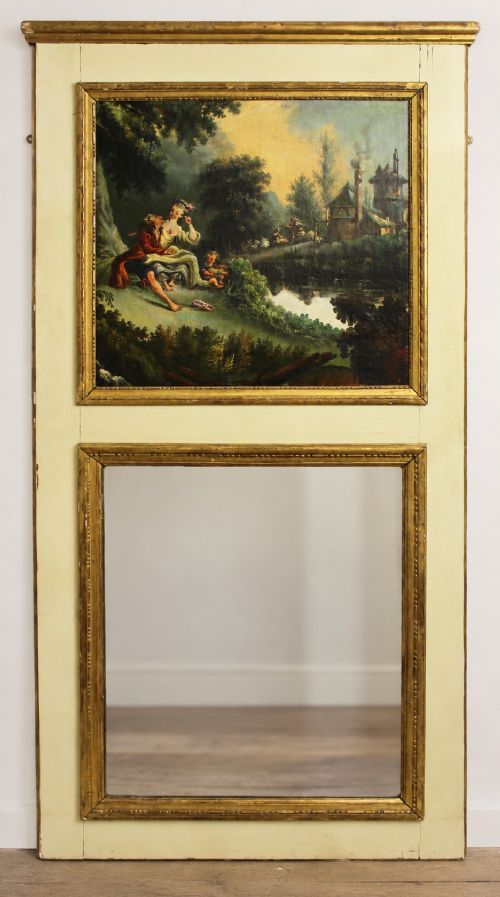
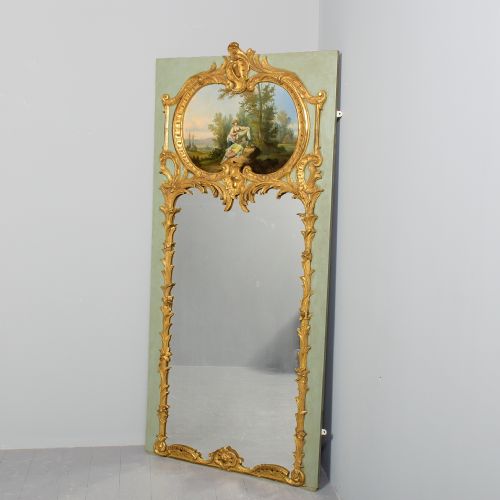
A painted panel trumeau mirror brings together a vertical looking glass and an integrated artwork within a single architectural wall fixture. When searching for a painted panel trumeau mirror, buyers encounter examples originating primarily from nineteenth century France alongside Georgian and Regency interpretations. These pieces function both as pier mirrors and overmantels, designed to sit above mantelpieces or between windows.
The format typically pairs a lower mirror plate with an upper section containing oil paint on canvas, wood panel, or decorative relief. Styles range from restrained Louis XVI revival designs to elaborate French Empire and Rococo forms. The proportion of mirror glass to painted panel shifts depending on whether the piece acts as a primary wall mirror or a low overmantel.
What Varies in Quality
Quality depends upon the execution of the upper artwork and the integration of the frame. Hand-painted oil panels with fine detail and harmonious colour palettes separate standard decorative items from superior examples.
The crispness of carved wooden ornament and the application of gold leaf or original paint layers dictate the visual impact. Original mirror glass plates with appropriate foxing and intact period frames carry distinct aesthetic weight.
Painted Panel Trumeau Mirror Retail Price Guide 2026
Typical asking prices for painted panel trumeau mirror among the pieces listed under this phrase on Sellingantiques today, from the lower quarter to the upper quarter. They describe what is for sale here now, not the wider market.
The Painted Panel Trumeau Mirror Glossary
- Trumeau
- A decorative architectural wall mirror featuring an integrated panel above the glass. This upper section frequently displays oil paintings or carved relief decoration.
- Pier Mirror
- A tall mirror designed to hang on the narrow wall space between windows. These pieces often match console tables positioned below.
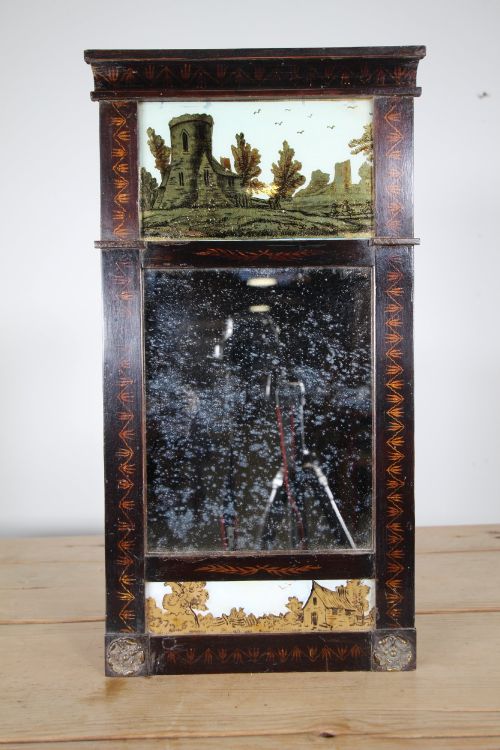
- Eglomisé
- A technique involving cold painting and gilding on the rear face of glass. It produces a reflective, metallic surface with deep lustre.
- Overmantel
- A large mirror or panel designed specifically to hang above a fireplace mantel. They stretch horizontally or vertically depending on the period room scale.
- Parcel Gilt
- A finish where portions of a painted or stained wooden surface receive gold leaf highlights. This technique accentuates carved details and mouldings.
Painted Panel Trumeau Mirror: Frequently Asked Questions
Where should I hang a trumeau mirror?
These mirrors suit placement above a fireplace mantelpiece or on a substantial expanse of wall between windows. Their vertical format draws the eye upward, making them effective in rooms with high ceilings.
Traditional placement pairs them with console tables or low furniture below the glass section. Ensure the wall structure can support the weight of a framed wooden and glass assembly.
How do I distinguish French styles?
Louis XVI style pieces exhibit straight architectural lines, classical symmetry, and restrained foliate carving. French Empire and Regency examples favour bolder classical motifs, such as figures of Bacchus or cherubs, alongside heavier gilded mouldings.
Earlier eighteenth century designs often incorporate deeper relief work and more elaborate Rococo curves. Reviewing the framing details and painted subject matter clarifies the specific design period.
What is an eglomisé panel?
An eglomisé panel is a piece of glass decorated on the reverse using gold leaf and paint. This creates a shimmering, translucent background that reflects light differently than standard oil paint on canvas.
Such panels appear frequently in Regency and nineteenth century pier mirrors. They add texture and tonal variation to the upper section of the frame.
Are the paintings original to the mirrors?
Many painted panels are contemporary with the frame, depicting pastoral scenes or classical figures typical of the nineteenth century. Some pieces combine older styles with later interpretations, reflecting historic revival periods.
Examining the paint surface, craquelure, and the way the panel seats into the wooden moulding helps indicate its age. Original integration shows consistent wear across both frame and artwork.