



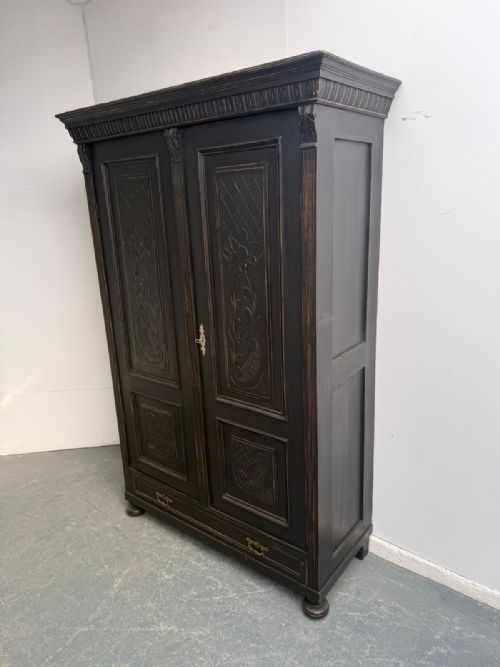


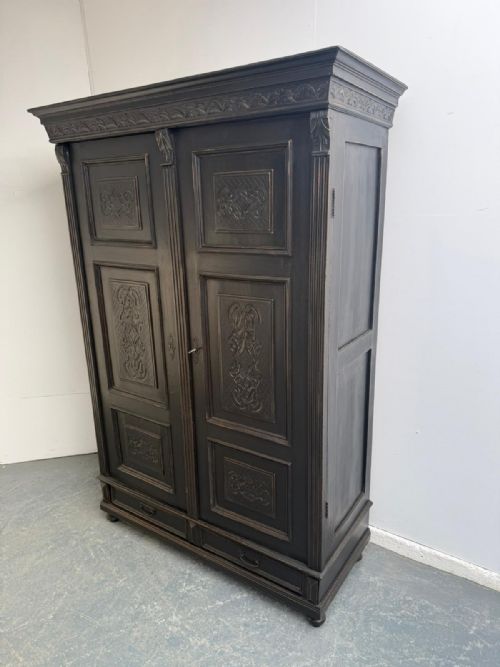


Painted Oak Cupboard
A painted oak cupboard brings together robust hardwood construction and decorative pigment, offering practical storage with character developed over centuries.
Painted Oak Cupboard
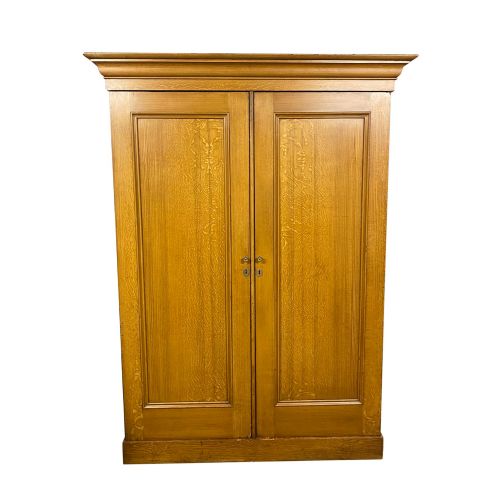
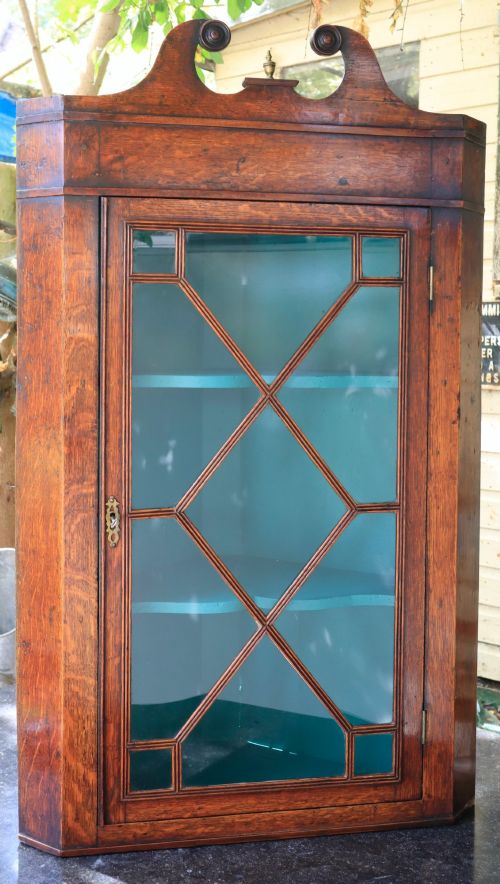
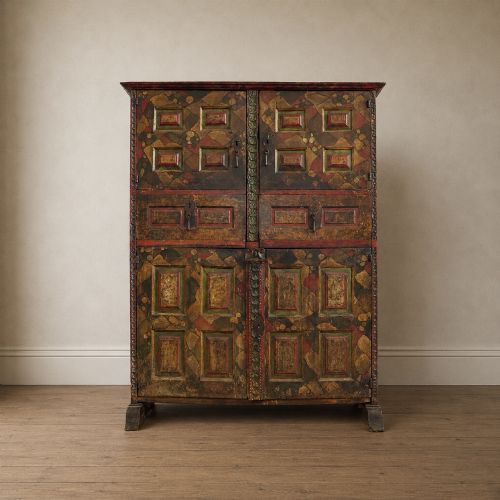
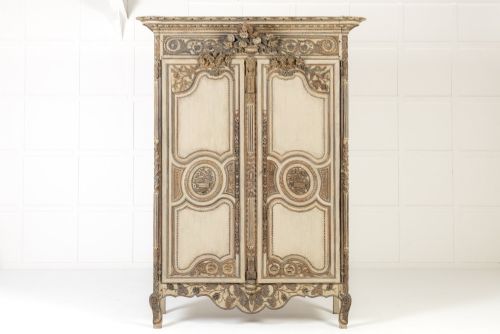
When you search for a painted oak cupboard, you encounter a diverse group of storage furniture spanning from the seventeenth century through the twentieth century. These pieces include corner cabinets, housekeeper's cupboards, dressers, bedside cabinets, wardrobes, and architectural cupboard doors.
The nineteenth century provides several examples featuring scumble faux oak paintwork, alongside Hungarian pieces combining pine and oak. Earlier periods are represented by seventeenth-century Spanish Basque polychrome work and eighteenth-century English, Welsh, and French country pieces.
Later twentieth-century examples on the page shift toward institutional forms, such as school library book cabinets and watchmaker's cabinets from the nineteen-twenties and nineteen-thirties.
Evaluating quality in painted oak cupboards
Quality rests upon the integrity of the original construction and the preservation of early or original surface finishes. Pieces retaining genuine period pigment or scumble grain effects demonstrate greater historical intactness than later overpainted surfaces.
The refinement of carving, structural proportion, and the balance between timber and paint separate standard utility storage from exceptional regional or Continental examples.
One recorded cupboard spent time painted for the Rolls Royce parts department.
The Painted Oak Cupboard Glossary
- Scumble
- A technique of dragging or manipulating wet translucent glaze over a lighter base coat to imitate the grain pattern of oak. This decorative method was frequently employed during the nineteenth century.
- Polychrome
- The practice of decorating architectural elements or furniture with multiple colours of pigment. Early examples often display elaborate historical motifs.
- Pot Board
- A lower open shelf fitted beneath the main counter of a dresser, traditionally used for storing earthenware pots. It forms a key structural feature in eighteenth-century vernacular kitchen furniture.
- Compactum
- A multi-functional wardrobe designed with internal compartments, drawers, and hanging space configured for efficient storage. These units maximise internal capacity within a single frame.
- Buffet de Corps
- A substantial two-section dining room sideboard or cupboard originating from France. It combines lower enclosed storage with upper display or shelving capacity.
Painted Oak Cupboard: Frequently Asked Questions
How do I date an antique painted cupboard?
Dating relies upon examining the underlying timber construction, joinery methods, hardware, and the layers of pigment or paint present on the surfaces.
Earlier seventeenth and eighteenth-century examples exhibit vernacular regional styles, whereas nineteenth-century pieces often incorporate scumble graining or mixed pine and oak frames.
Where were these cupboards originally used?
These storage pieces served multiple domestic and institutional environments, ranging from country house kitchens and housekeeper's pantries to school libraries and watchmaker's workshops.
Regional variations reflect the specific storage requirements of English, Welsh, French, Spanish, and Hungarian households.
Are painted finishes usually original?
Surface finishes vary between original period paintwork, scumble effects, later decorative applications, and industrial workshop paint schemes.
Examinations of the pigment layers help distinguish between authentic period finishes and subsequent re-painting carried out in later decades.