



Painted Metal Figure
A painted metal figure brings character and fine detail to a desk or mantelpiece, spanning delicate cold-painted bronze statuettes and robust cast iron doorstops.
Painted Metal Figure
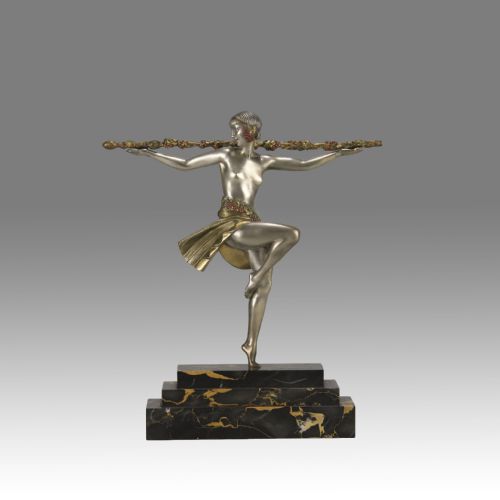
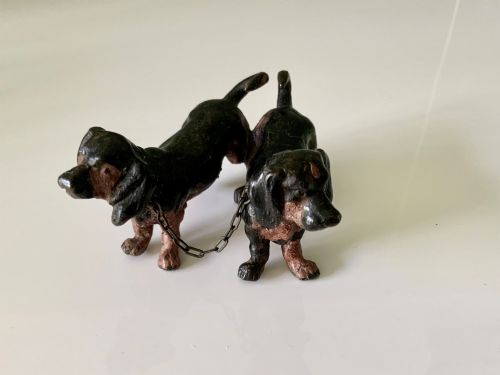
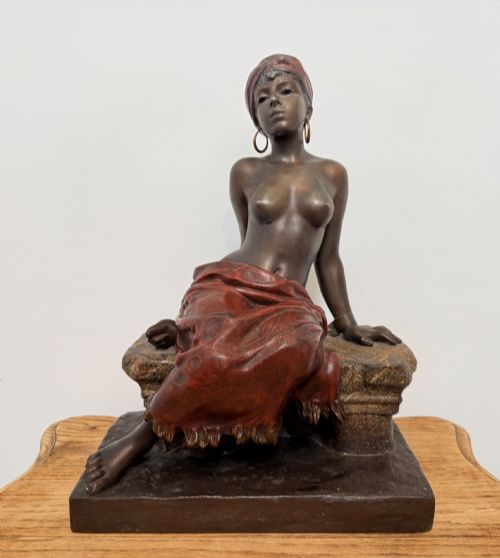
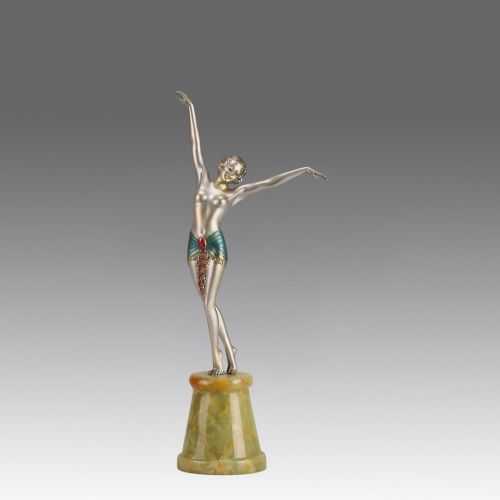
A painted metal figure covers everything from small Austrian animal bronzes and Vienna foundry dancers to heavy Victorian doorstops and folk art weathervanes. Collectors encounter domestic animals, human dancers, and historical or Orientalist subjects cast in metal and given polychrome colour.
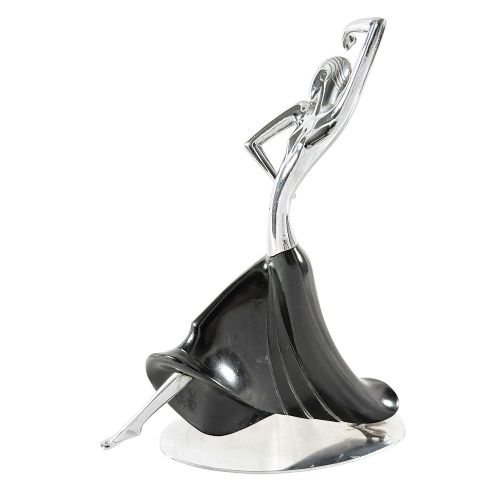
The objects listed here range from nineteenth-century cast iron figures and spelter novelties to early twentieth-century Art Deco chrome and cold-painted bronze. Domestic utility appears often in the form of candlesticks, inkstands, desk tidies, and match strikers shaped as figures.
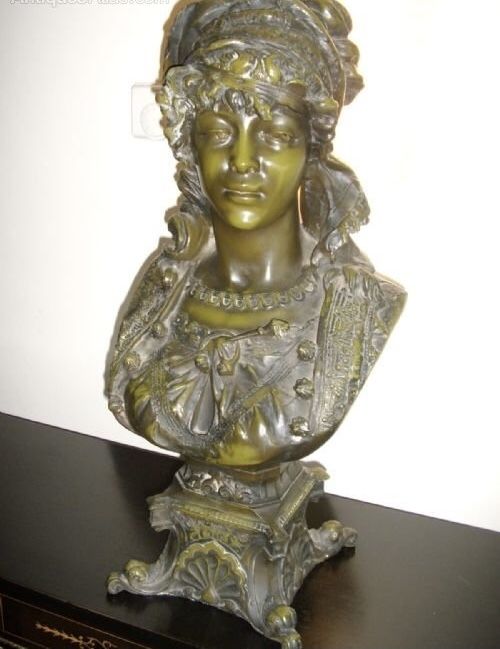
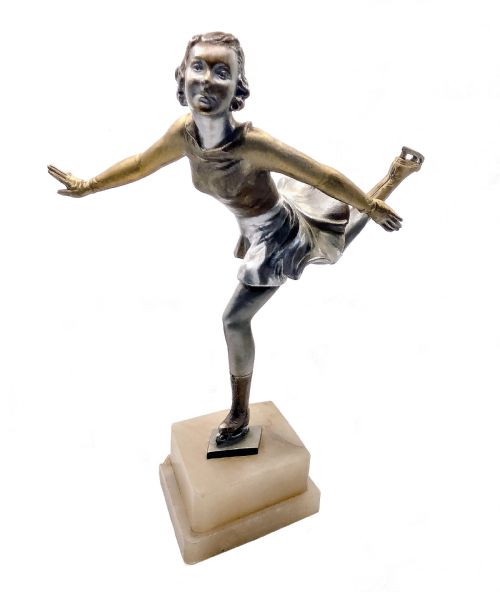
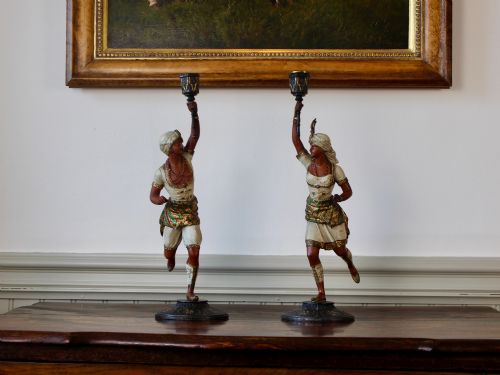
Vienna bronzes and cold-painted spelter pieces form a major strand of the available selection, often depicting figures in native dress, animals, or theatrical dancers. Heavier utilitarian items such as cast iron lions and Mr Punch doorstops represent the sturdier Victorian end of the field.
Materials and technique
Foundries utilised bronze, spelter, cast iron, and sometimes lead or copper as base metals, shaping them through casting before applying surface decoration. Spelter serves as a cheaper zinc-alloy alternative to bronze, whilst cast iron provides the necessary weight for functional items like doorstops.
Cold-painting involved applying polychrome pigment directly to the unheated metal or over a base ground, a technique distinct from fired enamels. This paint layer remains delicate and frequently shows signs of wear across high-relief details and handling areas.
The selection includes figures spanning the eighteenth, nineteenth, and twentieth centuries, utilising bronze, cast iron, spelter, and cold paint.
Quality variations
The distinction between superior pieces and ordinary ones rests primarily on the crispness of the initial metal casting and the skill of the surface paintwork. Finer foundry work preserves intricate facial expressions and garment folds without the surface pitting common in lower-grade spelter.
The preservation of the original cold-painted surface dictates the desirability of a piece, as later repainting obscures the subtle shading applied by period artisans. Heavier foundational casting and well-defined markings or signatures further elevate the standing of a sculpture.
Pierre le Faguays·Josef Lorenzl·L & F Moreau·Franz Bergman·Jennings Brothers
The Painted Metal Figure Glossary
- Cold-painted bronze
- Bronze sculpture finished with un-fired polychrome paint applied directly to the metal surface. This delicate finish requires careful handling to preserve the original pigment.
- Spelter
- A zinc alloy commonly utilised as a less expensive substitute for bronze in decorative figures and clocks. It offers similar casting versatility but possesses less structural strength and weight.
- Vienna bronze
- Small, highly detailed Austrian bronze sculptures produced in the late nineteenth and early twentieth centuries. These figures often depict animals, birds, or Orientalist human subjects with cold-painted finishes.
- Tole peinte
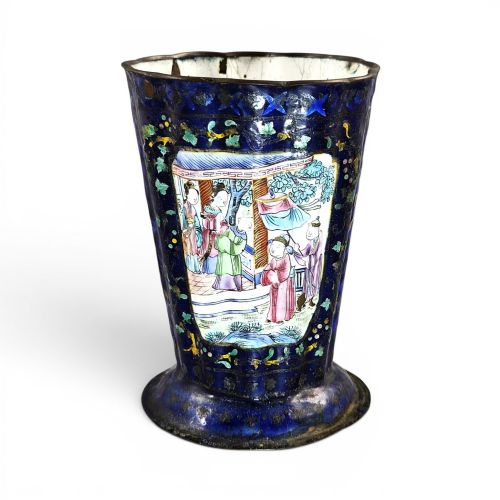
- Painted sheet metal, typically tin or iron, fashioned into decorative objects such as lamps and vessels. The technique involves building up layers of paint and varnish over a metal base.
- Match striker
- A functional desk or table accessory featuring a textured striking surface combined with a figural metal mount. They frequently date from the Victorian and Edwardian periods.
Painted Metal Figure: Frequently Asked Questions
What is a cold-painted metal figure?
A cold-painted figure is a bronze or metal sculpture decorated with paint that is applied cold rather than fired in a kiln. This technique allows for fine, polychrome detail on small animal and human subjects.
Such pieces rely on careful handling because the un-fired pigment is prone to chipping and loss over decades of use and cleaning.
How do I distinguish bronze from spelter?
Bronze offers a heavier weight and a warm, dense metallic quality beneath any surface finish. Spelter, a zinc-based alloy, feels lighter and more brittle, often showing a greyish metal tone where the paint has worn away.
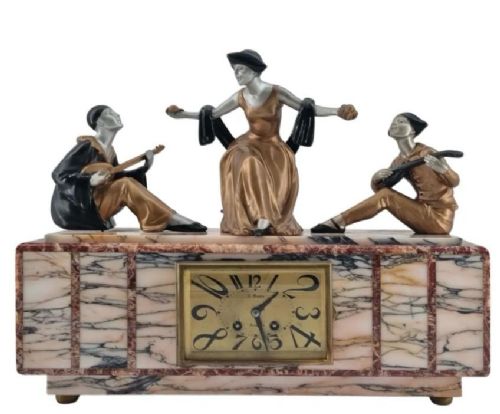
Foundries used spelter extensively for decorative figures and clocks during the Victorian and Art Deco eras as an economical alternative to bronze.
Where were Vienna bronzes made?
Vienna bronzes originated in Austrian foundries during the late nineteenth and early twentieth centuries. These workshops specialised in small, naturalistic animal figures and Orientalist human subjects.
Craftsmen cast these pieces in bronze before finishing them by hand with meticulous cold-painted details.
How should I clean a painted metal figure?
Dusting with a soft, dry brush represents the safest method for maintaining these surfaces. Moisture and chemical cleaners risk lifting the delicate cold-painted or enameled layers.
Preserving the original painted finish takes priority over achieving a bright metallic shine.