


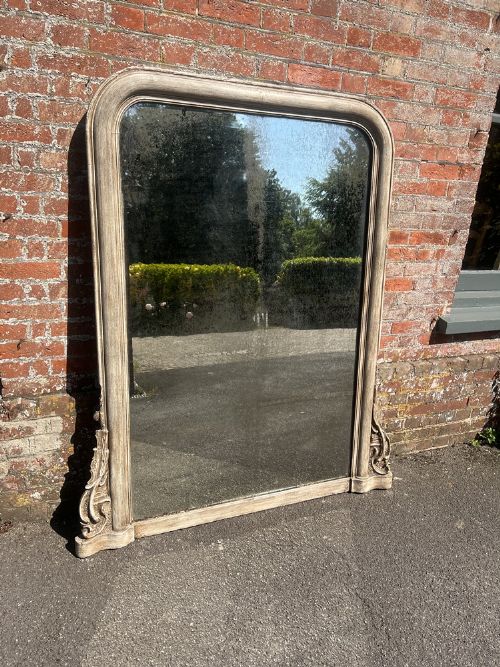


Painted Mantelpiece Mirror
A painted mantelpiece mirror brings architectural depth and quiet colour to a room, anchoring a hearth with time-worn surface character.
Painted Mantelpiece Mirror
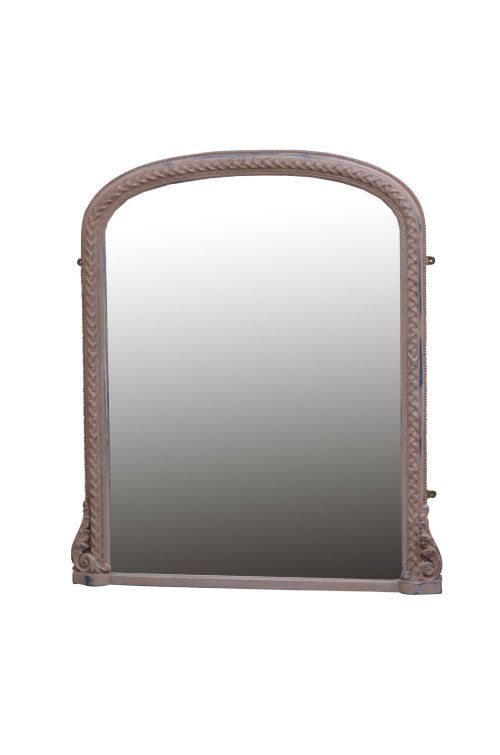
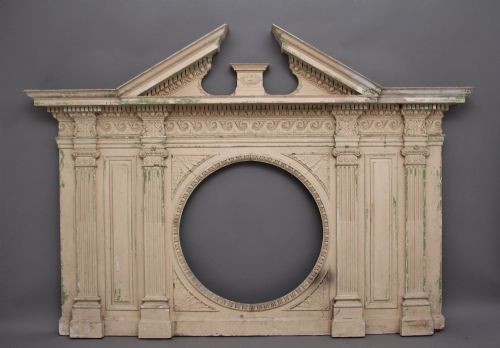
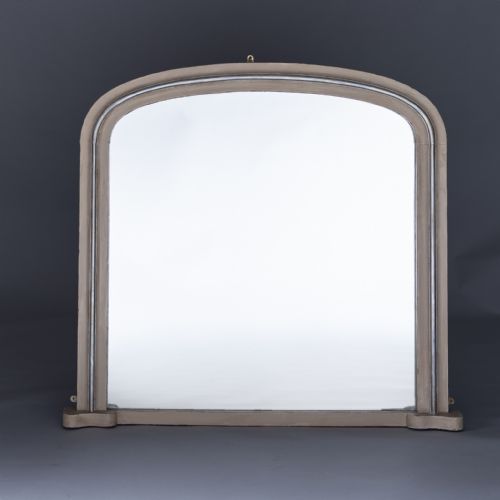
When you search for a painted mantelpiece mirror, you are looking at overmantel mirrors, wall mirrors, and overmantels designed to sit above a fireplace. These furnishings span the eighteenth century, the nineteenth century, and the early twentieth century, taking forms from simple rectangular shapes to elaborate archtop and shaped designs.
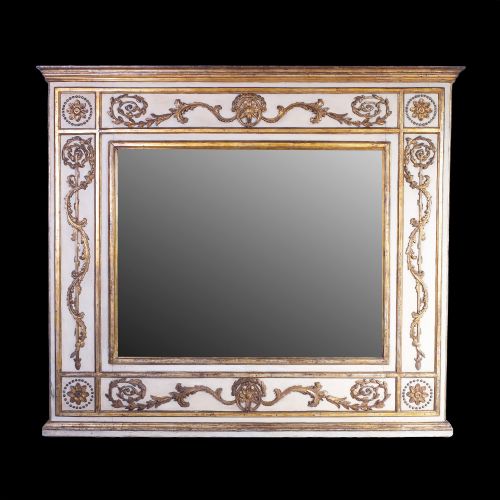
The versions you are most likely to meet on this page include nineteenth-century English and French examples, often featuring carved wood and gesso construction. Styles range from Victorian and Georgian to French provincial, neoclassical, and Regency revival, showing the enduring appeal of painted finishes above a mantel.
How they were made
The foundation of these pieces relies on timber, predominantly pine and carved wood, which provides the structural framework for the glass. Artisans applied layers of gesso to create relief ornamentation and crisp mouldings before adding the final coats of paint.
Surfaces were frequently finished with paint, gold leaf, or parcel-silvered details, sometimes layered in palettes such as lilac and ink blue. Mirror glass was then set within the frame, often left with a distressed appearance earned through decades of age.
The listings span from the eighteenth century to nineteen-twenty, featuring pine frames, gesso, and mirror glass.
What varies in quality
The distinction at the upper end rests on the crispness of the carved wood and gesso ornamentation, where deep relief and precise moulding reflect the hand of a skilled artisan. Simpler pieces rely on plain timber construction and straightforward painted finishes without decorative relief.
Proportion and scale also define the work, with larger architectural overmantels demanding more complex internal framing to support heavy glass. The handling of the painted or gilded surface, whether layered with nuanced colour or simply coated, shapes the visual presence of the object.
The Painted Mantelpiece Mirror Glossary
- Overmantel
- A large mirror or panel designed specifically to be hung or placed upon the mantelpiece above a fireplace. These pieces often repeat the architectural lines of the chimney breast.
- Gesso
- A plaster-like mixture applied to wood frames to create a smooth surface for gilding or painting. It allows carvers to build up sharp decorative details.
- Archtop
- A mirror frame featuring a curved upper section, echoing Gothic or classical arches. This shape softens the rectangular geometry common in chimney breast walls.
- Parcel-silvered
- A decoration technique where parts of a frame are treated with silver leaf, contrasting with painted areas. It catches the ambient light in a room.
- Distressed
- A surface condition showing wear, thinning paint, or foxed glass accumulated through age. Collectors value this patination for the visual history it records.
Painted Mantelpiece Mirror: Frequently Asked Questions
How do I hang a heavy overmantel mirror?
These mirrors carry substantial weight due to their timber frames and thick glass, requiring secure fixing directly into wall studs or masonry. Professional installation ensures the piece remains stable above the heat of a mantel.
Most overmantels are also designed to rest part of their weight on the mantel shelf itself while being anchored to the wall for safety.
Can I place these mirrors in a dining room?
While originally made for the fireplace in a parlour or drawing room, these mirrors suit sideboards and dining room walls equally well. Their scale reflects light across a dining space and adds vertical presence.
Ensure the proportions match the piece of furniture sitting beneath the mirror to maintain visual balance.
How do I clean an antique painted frame?
Dust the carved wood and gesso gently with a dry, soft brush to protect fragile painted surfaces and old gilding. Avoid liquid cleaners and chemical sprays that can strip or soften the historic finish.
Glass panels can be wiped with a mild glass cleaner applied to a cloth rather than sprayed directly onto the mirror.
What defines a Victorian overmantel style?
Victorian examples often feature robust carved wood frames, arched tops, and darker or layered painted surfaces. They reflect the heavier architectural tastes of the nineteenth century.
Earlier Georgian or Regency pieces tend to show lighter mouldings and more restrained neoclassical ornament.