






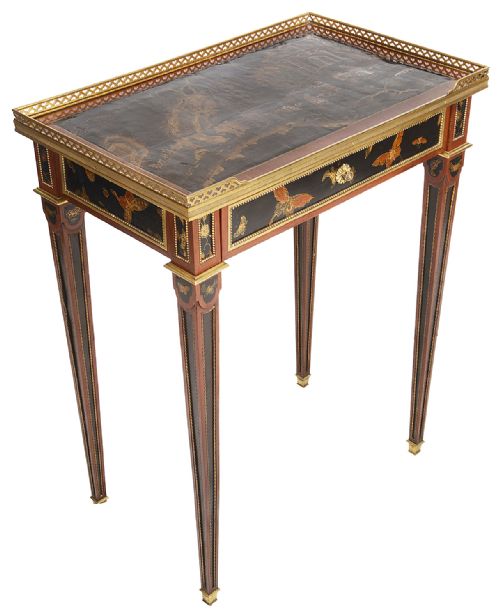

Painted Lacquered End Table
These painted lacquered end tables bring rich decorative surfaces and historic utility to any interior scheme.
Painted Lacquered End Table
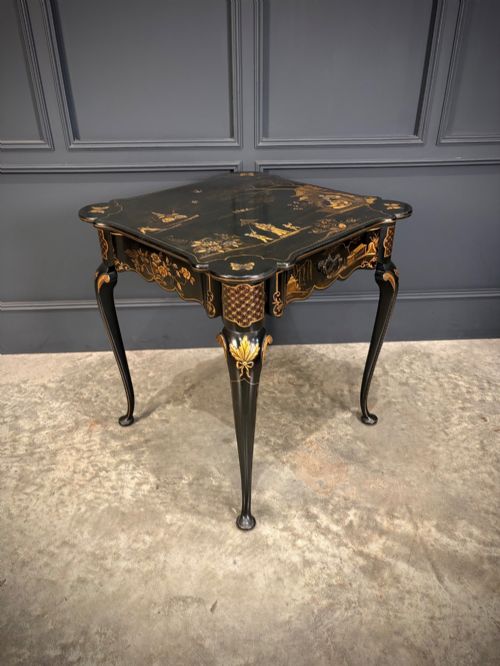
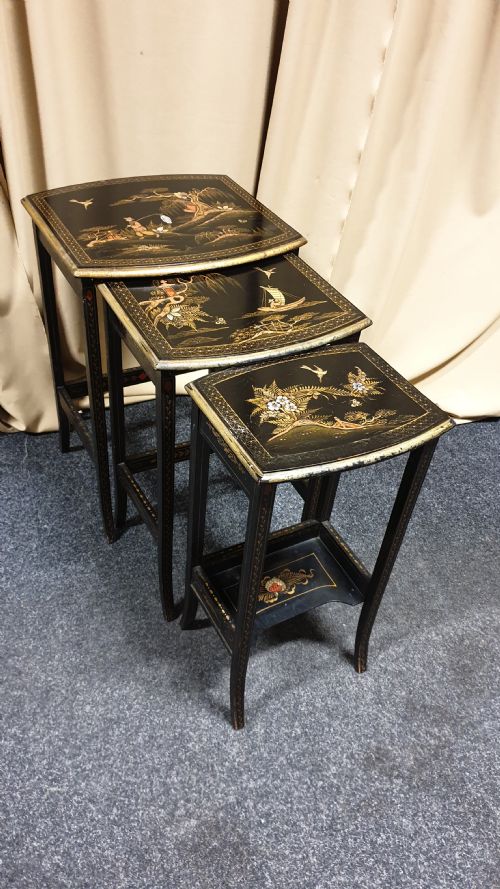
A painted lacquered end table combines a compact functional surface with decorative finishes developed across various global traditions. Buyers searching for a painted lacquered end table encounter forms ranging from occasional side tables to nests of three tables and drop-leaf lamp tables.
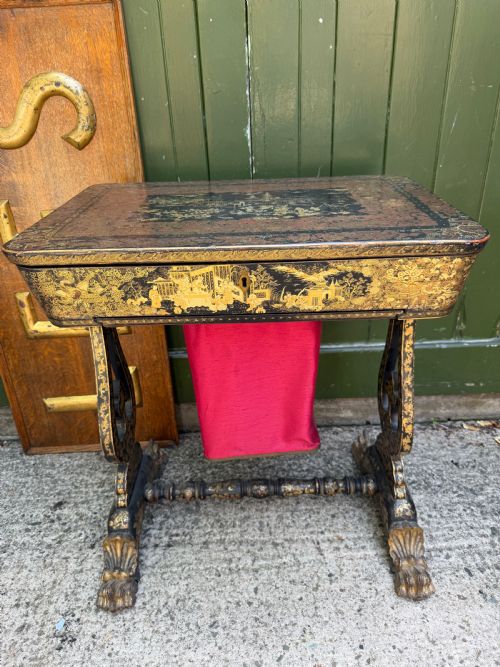
The selections span distinct periods, including Victorian examples, nineteenth century pieces, and early twentieth century items. Origins vary across Chinese export workshops, Kashmiri studios, and English interpretations utilising Queen Anne revival styles.
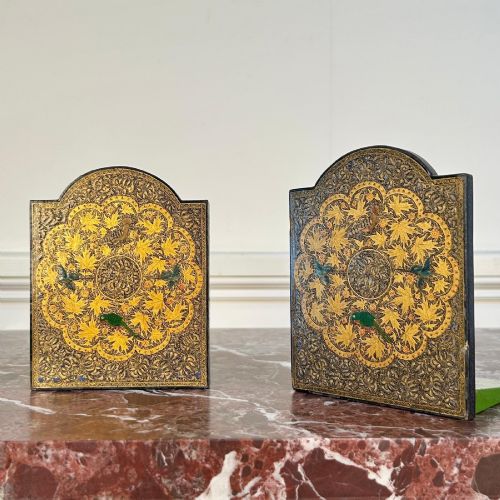
Surface decoration defines the category, with Chinoiserie motifs, intricate gilding, and red lacquer finishes dominating the available forms. Alongside standard side tables, related items like side cabinets and bookends occasionally appear within the broader grouping.
Materials and construction methods
Construction relies upon traditional hardwoods and mahogany as a stable base for subsequent decorative layers. Artisans applied successive coats of lacquer to create a smooth ground suitable for detailed hand painting.
Guilders and painters added intricate ornamentation using gold leaf and contrasting pigments to depict figures, foliage, and architectural scenes. Papier-mache also serves as a foundational material in specific regional pieces, whilst cloisonne enamel occasionally integrates into tabletop designs.
Painted Lacquered End Table Retail Price Guide 2026
Typical asking prices for painted lacquered end table among the pieces listed under this phrase on Sellingantiques today, from the lower quarter to the upper quarter. They describe what is for sale here now, not the wider market.
The current selection spans pieces from the nineteenth century up to 1920, incorporating woods such as mahogany alongside papier-mache.
Distinguishing quality across examples
Quality rests upon the precision of the hand-painted details and the depth of the lacquered surface. Superior pieces exhibit crisp gilding and sophisticated pictorial compositions that retain their clarity across the entire table top.
The integrity of the underlying woodwork and the stability of the lacquer layers dictate the longevity of each piece. Finer examples demonstrate careful joining and harmonious proportions that elevate them beyond standard decorative furniture.
The Painted Lacquered End Table Glossary
- Lacquer
- A durable resin finish applied in multiple layers and polished to a smooth sheen. It protects the wood underneath while providing a glossy canvas for painted and gilded ornamentation.
- Drop-leaf
- A table design featuring hinged flaps on the sides that can be raised to expand the surface area or lowered when space is limited. This mechanism offers versatile utility in smaller rooms.
- Nest of tables
- A set of graduated tables designed to fit neatly beneath one another when not in use. They provide flexible surface space that can be deployed independently as needed.
Painted Lacquered End Table: Frequently Asked Questions
How do I use a painted lacquered end table?
These tables function effectively beside seating arrangements to hold lamps, books, or decorative objects. Their compact footprints allow them to fit easily into tight corners or beside smaller armchairs.
Because the surfaces feature delicate lacquer and gilding, use coasters and avoid placing hot items directly onto the finish to preserve the historic decoration.
What is Chinoiserie style?
Chinoiserie represents the European decorative interpretation of East Asian art, particularly prominent during various revival periods. It incorporates motifs of landscapes, figures, and pagodas rendered in gold paint against dark lacquered backgrounds.
This style adds a theatrical and historic decorative element to traditional or eclectic contemporary interiors.
How do I care for antique lacquer furniture?
Maintain the finish by dusting gently with a soft, dry cloth and avoiding harsh chemical cleaners or abrasive polishes. Keep the furniture away from direct sunlight and extreme temperature fluctuations to prevent the lacquer from cracking.
Stable indoor humidity helps preserve both the wooden substrate and the decorative surface layers over time.
How can I date an antique end table?
Dating relies upon examining the construction techniques, timber species, and stylistic characteristics specific to periods like the Victorian era or the early twentieth century. Hand-cut joinery and the specific formulation of the lacquer provide clues regarding the approximate age of the piece.
Comparing the decorative motifs to known regional workshops helps narrow down the origin and time period further.