


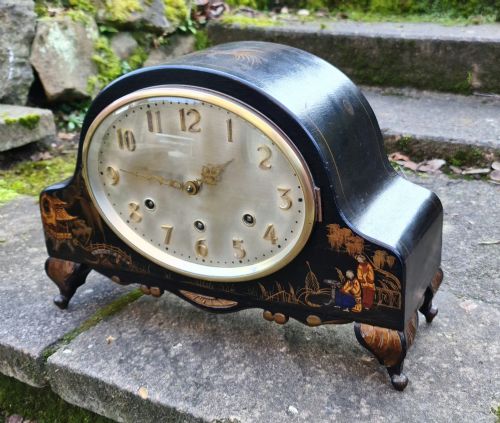

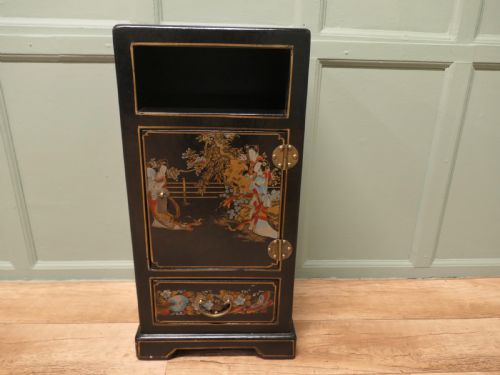
Painted Lacquer Table
A painted lacquer table brings oriental decorative motifs and lustrous surfaces into a room, spanning coffee tables, occasional pieces, and low tables.
Painted Lacquer Table
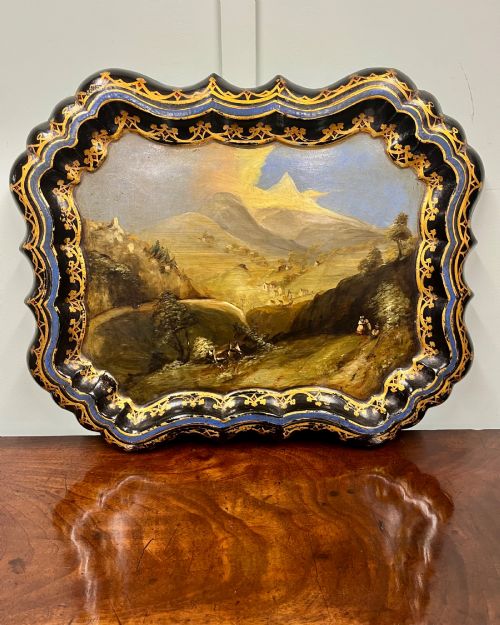
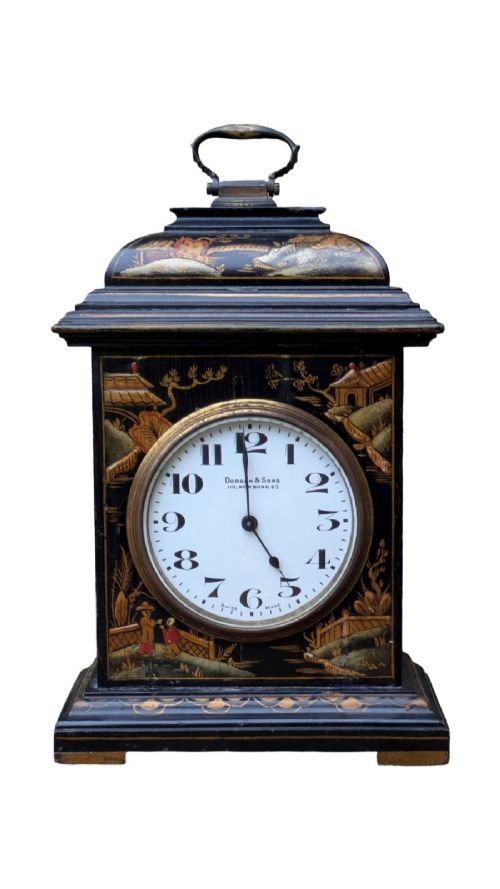
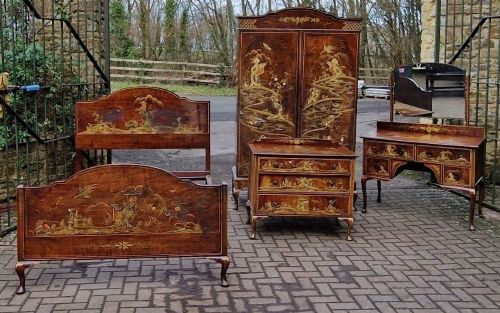
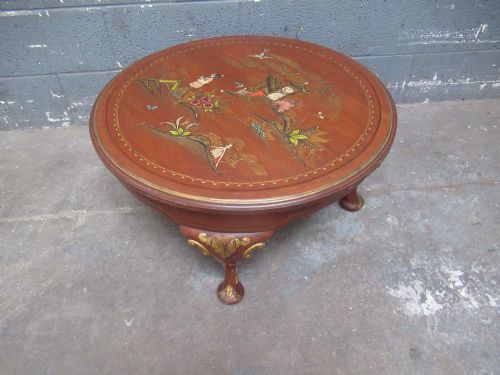
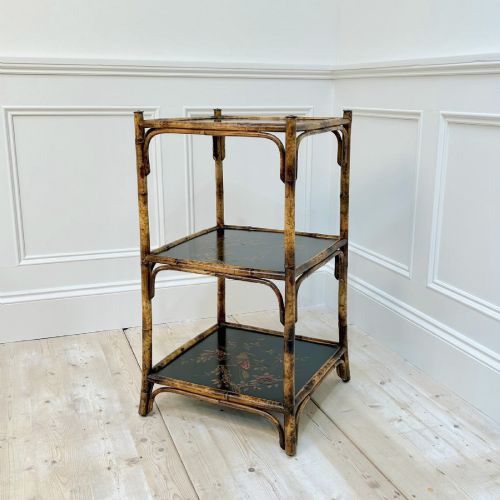
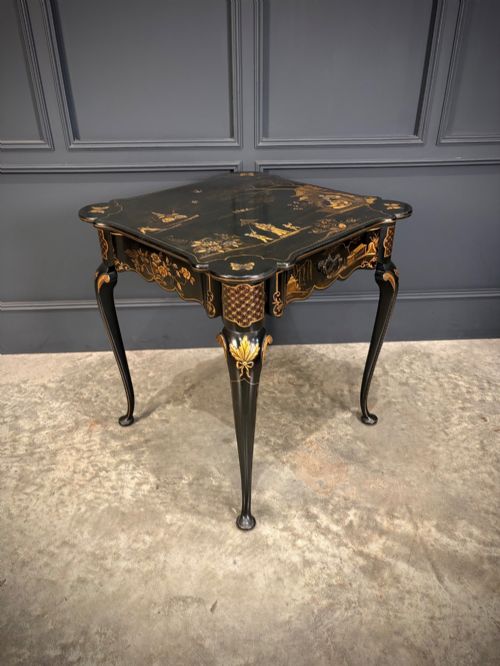
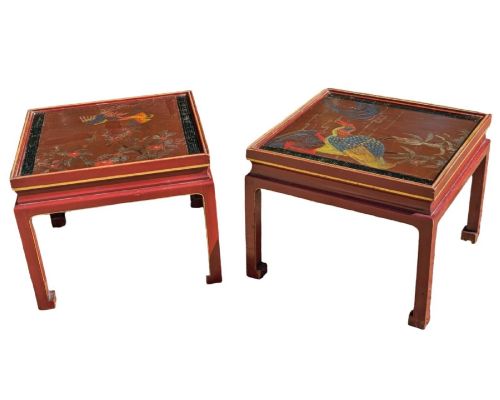
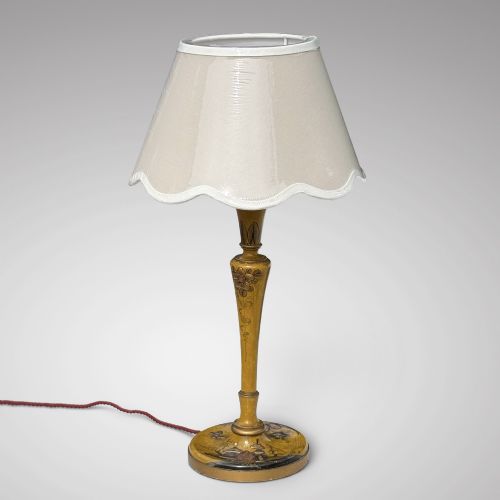
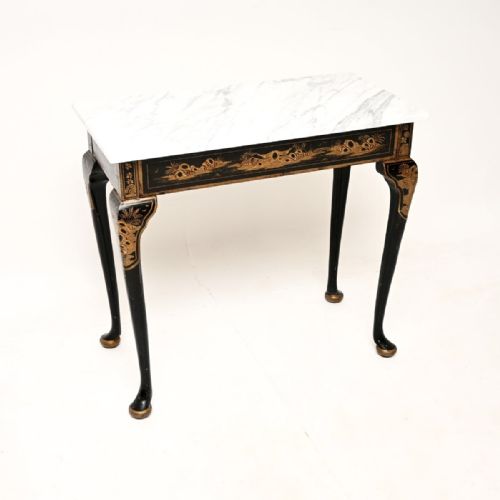
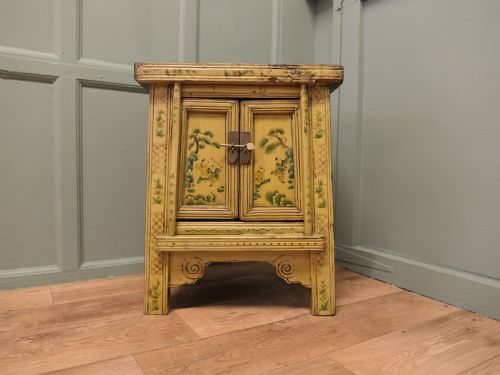
A painted lacquer table combines wooden structures with layered finishes and hand-painted surface scenes. These pieces draw heavily on Chinoiserie and oriental design traditions, utilising palettes of black, red, ochre, and cream.
The selections span the nineteenth century through the 1930s, incorporating Victorian, Edwardian, and Regency revivals alongside Chinese export items. Side tables, coffee tables, and occasional tables dominate the forms, frequently displaying figures, landscapes, or floral details.
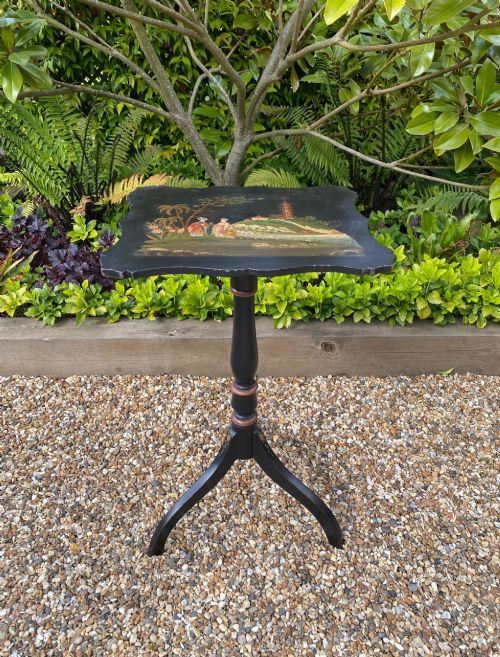
Buyers encounter variations ranging from British japanned items to Kashmiri productions and Chinese export work. Tripod bases, tilt-top mechanisms, and tray tops appear regularly across the surviving stock.
Materials and construction
Construction relies on timber foundations such as elm, walnut, and bamboo, which receive multiple coats of lacquer to build a deep, reflective ground. Artisans then apply hand-painted pigment and gilt ornamentation directly onto the hardened surface.
Papier-mâché and wood serve as alternative material bases for specific regional pieces, particularly those originating from Kashmiri workshops. Brass fittings, glass tops, and marble inserts occasionally supplement the lacquered wooden frames.
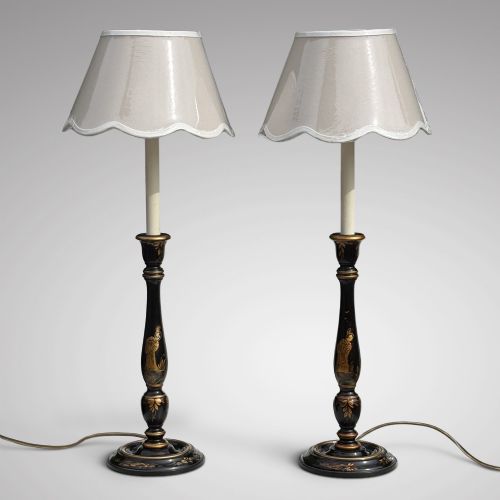
Japanning techniques mimic East Asian lacquer work using European varnishes and paints, cured through successive applications and polishing stages. Gilding adds metallic highlights to figures, pagodas, and botanical motifs across the decorated panels.
Painted Lacquer Table Retail Price Guide 2026
Typical asking prices for painted lacquer table among the pieces listed under this phrase on Sellingantiques today, from the lower quarter to the upper quarter. They describe what is for sale here now, not the wider market.
Nineteenth-century craftsmen occasionally turned carved wood into lacquer elephants.
Factors determining quality
Quality rests heavily on the crispness and depth of the hand-painted decoration, where finer pieces exhibit intricate detailing in figures and landscapes. The condition of the lacquer surface itself, including the smoothness of the ground and the preservation of the original finish, dictates the standing of an item.
Subtlety in the integration of gilt and colour distinguishes superior examples from simpler decorative output. Structural integrity in joints, tilt-top mechanisms, and turned supports also separates workshop standards across the periods represented.
Maison Bagues
The Painted Lacquer Table Glossary
- Chinoiserie
- European decorative style reflecting Chinese artistic influences, prevalent in furniture decoration and painted scenes.
- Japanning
- European imitation of East Asian lacquerwork, utilising layered varnishes and heat-treated finishes on wooden substrates.
- Tilt-top
- A table mechanism allowing the surface to pivot vertically for storage when not in use.
- Papier-mâché
- A composite material made of paper pulp or layers of paper bound with glue, used for light furniture and decorative objects.
- Gilt
- Application of gold leaf or gold paint to surface details, enhancing visual contrast against dark lacquer grounds.
Painted Lacquer Table: Frequently Asked Questions
What is a painted lacquer table?
A painted lacquer table is a wooden piece of furniture finished with layered resin or varnish and decorated with hand-painted scenes, often in a Chinoiserie style.
These surfaces frequently display black, red, or cream backgrounds ornamented with gilt figures, landscapes, and botanical motifs.
How do I care for a painted lacquer table?
Keep the surface away from direct sunlight and excessive heat to prevent the lacquer from drying out or cracking over time. Dust gently with a dry, soft cloth and avoid chemical polishes or abrasive cleaners.
Using coasters and placemats protects the delicate painted finish from moisture and heat damage during daily use.
How do I date a painted lacquer table?
Dating relies on examining the underlying timber construction, joinery methods, and the style of the painted decoration. Pieces from the nineteenth century often feature heavier wood foundations, while 1920s and 1930s examples lean into lighter occasional table forms and brighter palettes.
Hardware such as brass hinges or fixings also provides clues to the manufacturing period.
Where were these tables made?
Production occurred across several regions, including British workshops creating japanned furniture, Chinese export hubs, and Kashmiri craft centres. Each origin brings distinct painting styles and structural woods to the pieces.
European makers adapted Eastern techniques during various revival periods, particularly in the Victorian and Edwardian eras.